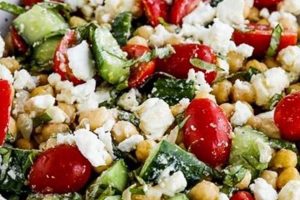
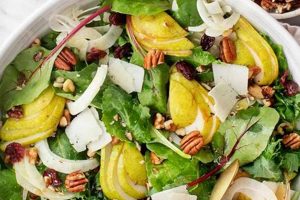
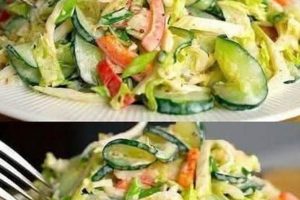
Arugula, known as rocket in some regions, forms the base of this simple yet versatile salad. A basic preparation involves fresh, peppery arugula, tossed with a light vinaigrette. However, numerous variations exist, incorporating ingredients such as cheese (Parmesan, goat, or blue), nuts (pine nuts, walnuts, or pecans), dried fruits (cranberries or figs), and other vegetables (cherry tomatoes, sliced red onion, or roasted peppers). A lemon-based dressing is a classic accompaniment, but balsamic, Dijon, or even creamy dressings can also complement the distinctive flavor profile.
This type of salad offers a wealth of nutritional benefits. Arugula is a rich source of vitamins A, C, and K, as well as minerals like potassium and calcium. Its peppery bite adds a unique dimension to meals, contrasting beautifully with richer ingredients. Historically, arugula has been cultivated for centuries, prized for its purported health benefits and culinary versatility. Its resurgence in modern cuisine highlights its refreshing qualities and adaptability to diverse flavor combinations.
Exploring different preparations, from classic to contemporary, reveals the broad appeal of this culinary staple. Further examination will delve into specific ingredient pairings, dressing options, and techniques for creating a perfect salad featuring this flavorful green.
Tips for a Perfect Arugula Salad
Creating a truly exceptional arugula salad involves attention to detail and an understanding of the interplay of flavors and textures. These tips offer guidance for achieving optimal results.
Tip 1: Select Fresh, Vibrant Arugula: Look for deep green leaves, free from wilting or discoloration. Proper storage in a damp paper towel within a sealed container in the refrigerator preserves freshness.
Tip 2: Balance Flavors: The peppery nature of arugula harmonizes well with both sweet and savory elements. Consider incorporating ingredients like roasted beets, goat cheese, candied pecans, or balsamic vinaigrette to achieve a well-rounded flavor profile.
Tip 3: Dress Lightly: Arugula’s delicate leaves require only a light coating of dressing. Overdressing can lead to wilting and a soggy salad. Toss gently to ensure even distribution.
Tip 4: Time the Addition of Ingredients: Add delicate components like toasted nuts or shaved cheese just before serving to maintain their texture and prevent them from becoming soggy.
Tip 5: Consider Texture: Contrast the soft leaves with crunchy elements like croutons, toasted nuts, or thinly sliced vegetables.
Tip 6: Experiment with Dressings: While a classic lemon vinaigrette is a dependable choice, explore other options, such as a creamy Dijon dressing or a balsamic glaze, to discover new flavor combinations.
Tip 7: Don’t Overcrowd the Plate: Allow the arugula to be the star. Avoid adding too many ingredients, which can overwhelm the delicate flavor of the greens. A few carefully chosen additions are often sufficient.
By adhering to these guidelines, one can consistently produce a delicious and visually appealing salad that highlights the unique qualities of arugula.
From ingredient selection to dressing choices, the possibilities are vast. The following section will delve further into specific recipe variations, offering concrete examples of how to put these tips into practice.
1. Fresh, High-Quality Arugula

Fresh, high-quality arugula serves as the foundation of any successful arugula salad. The characteristic peppery flavor and tender texture, crucial for a pleasant sensory experience, depend entirely on the freshness of the leaves. Wilted or discolored arugula compromises the overall quality, introducing bitterness and an unpleasant mouthfeel. A salad constructed with subpar greens will lack vibrancy and fail to deliver the intended culinary impact. For instance, a salad featuring fresh, vibrant arugula tossed with a simple lemon vinaigrette delivers a clean, refreshing taste, whereas one made with wilted leaves results in a flat, unappetizing dish.
Selecting premium arugula involves careful observation. Look for deep green leaves, free from yellowing or browning edges. The leaves should appear crisp and perky, not limp or droopy. Proper storage is equally important. Arugula should be refrigerated in a sealed container lined with a damp paper towel to maintain optimal moisture levels and prevent premature wilting. These practices ensure the arugula retains its peak flavor and texture, contributing significantly to the overall success of the salad. Consider a restaurant known for its exceptional arugula salad: its reputation likely hinges on sourcing and maintaining the freshest greens. This dedication to quality ingredients translates directly into customer satisfaction and a positive dining experience.
Prioritizing fresh, high-quality arugula directly correlates with the final outcome of the dish. The difference between a vibrant, flavorful salad and a disappointing one often lies in the quality of this key ingredient. Understanding the importance of sourcing and storing arugula properly allows one to consistently create exceptional salads that showcase the distinct and desirable characteristics of this versatile green. The investment in high-quality ingredients elevates the culinary experience, highlighting the inherent flavors and textures essential for a truly satisfying dish.
2. Complementary Ingredients
Complementary ingredients play a crucial role in elevating a simple arugula salad from basic to exceptional. The peppery, slightly bitter flavor profile of arugula provides a versatile backdrop for a wide range of pairings. The selection of these complementary ingredients directly influences the final flavor composition, texture, and overall appeal of the salad. A thoughtful approach to ingredient selection ensures a balanced and harmonious culinary experience. For example, the sharpness of shaved Parmesan cheese offsets the peppery arugula, while toasted pine nuts add a welcome textural contrast and nutty depth. Sweet dried cranberries or figs introduce a contrasting sweetness that further enhances the complexity of the salad.
The interplay of flavors and textures forms the essence of a well-composed arugula salad. Ingredients offering textural contrast, such as crunchy croutons, toasted nuts, or seeds, create a more dynamic sensory experience. Incorporating ingredients with contrasting flavors, such as sweet fruits or savory cheeses, adds depth and complexity. For instance, adding roasted vegetables, like sweet potatoes or butternut squash, introduces both sweetness and a creamy texture that complements the peppery bite of the arugula. Similarly, grilled chicken or shrimp provides a savory protein element that transforms the salad into a more substantial meal.
Understanding the role of complementary ingredients in an arugula salad allows for a greater degree of culinary creativity and control. By carefully considering the flavor profiles and textures of potential additions, one can create a salad tailored to specific preferences. The potential combinations are vast, allowing for endless exploration and customization. Whether seeking a light and refreshing salad or a more robust and satisfying meal, selecting appropriate complementary ingredients is paramount to achieving the desired outcome. This awareness empowers individuals to craft salads that not only satisfy hunger but also offer a nuanced and enjoyable dining experience.
3. Balanced, Flavorful Dressing

A balanced, flavorful dressing is paramount to a successful arugula salad recipe. The dressing serves not merely as a condiment but as an integral component that harmonizes the flavors and textures of the salad’s elements. A well-crafted dressing enhances the inherent peppery bite of arugula without overpowering its delicate nature. An overly acidic or heavy dressing can mask the arugula’s unique flavor, while a bland dressing fails to elevate the overall culinary experience. The interplay between dressing and greens is crucial; the right balance determines the overall success of the dish. For instance, a vibrant lemon vinaigrette, with its bright citrus notes, complements the peppery arugula beautifully, creating a refreshing and balanced flavor profile. Conversely, a heavy, creamy dressing might overwhelm the delicate greens, resulting in a less satisfying dish.
Consider the impact of different dressing choices. A classic vinaigrette, composed of olive oil, lemon juice, and seasonings, provides a light and tangy counterpoint to the arugula’s peppery flavor. The acidity of the lemon cuts through the richness of the oil, creating a balanced and refreshing dressing. A balsamic vinaigrette, with its deeper, sweeter notes, offers a different yet equally compelling complement to the arugula. The choice of dressing can also influence the overall texture of the salad. A lighter vinaigrette allows the arugula to maintain its crispness, while a creamy dressing might soften the leaves over time. Understanding these nuances allows for greater control over the final product and ensures a more enjoyable culinary outcome. A chef crafting a signature arugula salad would meticulously consider the dressing’s flavor profile and its impact on the overall balance of the dish, recognizing its vital role in creating a harmonious and memorable culinary experience.
Mastering the art of creating a balanced, flavorful dressing unlocks the full potential of an arugula salad. It transforms a simple combination of ingredients into a cohesive and satisfying dish. The dressing should complement and enhance, not mask or overpower, the inherent flavors of the arugula and other components. Challenges may include achieving the correct balance of acidity, sweetness, and richness, and selecting ingredients that harmonize with the other salad components. By understanding the crucial role of the dressing within the larger context of the arugula salad recipe, culinary enthusiasts can consistently create salads that are both delicious and visually appealing. The dressing serves as the unifying element, bringing together the diverse flavors and textures into a cohesive and delightful whole.
4. Proper Ingredient Preparation

Proper ingredient preparation is essential for maximizing the flavor and textural complexity of a roquette salad. Careful attention to each component ensures that the final dish delivers a balanced and enjoyable sensory experience. Overlooking these fundamental steps can compromise the overall quality of the salad, affecting both its taste and presentation. From washing and drying the roquette to properly handling other additions, each step contributes significantly to the final outcome.
- Washing and Drying Roquette
Thorough washing removes any soil or debris, crucial for both food safety and optimal flavor. Residual dirt can introduce an unpleasant gritty texture and detract from the delicate flavor of the greens. Proper drying, ideally using a salad spinner, prevents the dressing from becoming diluted and ensures the leaves remain crisp. Imagine a restaurant serving a roquette salad with gritty, unwashed leaves; the negative impact on the dining experience is evident. This seemingly simple step has profound implications for the overall quality and enjoyment of the salad.
- Handling Other Ingredients
Proper handling extends beyond the roquette itself. Other ingredients require specific preparation techniques to maximize their contribution to the salad. Tomatoes should be sliced evenly to ensure uniform texture and flavor distribution. Nuts and seeds benefit from toasting, which enhances their inherent nuttiness and adds a desirable crunch. Cheese should be stored and handled appropriately to prevent unwanted bacterial growth and maintain optimal texture and flavor. Consider pre-washed, bagged roquette compared to a head of roquette; the bagged option, while convenient, often requires less rigorous washing but might sacrifice some freshness.
- Ingredient Temperature
Ingredient temperature plays a subtle yet important role. Adding warm ingredients, such as roasted vegetables or grilled protein, to chilled roquette can create interesting temperature contrasts and enhance the overall sensory experience. However, care must be taken to avoid wilting the delicate greens. For example, adding hot roasted vegetables directly to a bed of roquette might cause the leaves to wilt and lose their crispness. Allowing the vegetables to cool slightly before incorporating them helps maintain the desired texture.
- Timing of Preparation
The timing of ingredient preparation also deserves consideration. Certain components, such as delicate herbs or toasted nuts, are best added just before serving to preserve their flavor and texture. Toasted nuts, for instance, can lose their crunch if added too early and allowed to absorb moisture from the dressing. Delicate herbs can wilt or bruise if handled excessively. Preparing ingredients at the appropriate time optimizes their contribution to the final dish.
These facets of ingredient preparation contribute directly to the success of a roquette salad. A well-prepared salad, with clean, crisp greens and thoughtfully handled complementary ingredients, offers a heightened sensory experience compared to one assembled with less care. The attention to detail in each preparatory step reflects a respect for the ingredients and a commitment to culinary excellence. By understanding the importance of proper ingredient preparation, one can consistently create roquette salads that are not only visually appealing but also deliver a harmonious balance of flavors and textures.
5. Creative Flavor Combinations

Creative flavor combinations elevate roquette salad recipes beyond the ordinary, transforming a simple dish into a culinary exploration. Roquette’s peppery bite provides a versatile canvas for diverse flavor profiles, allowing for a wide range of pairings. The considered integration of contrasting and complementary tastes and textures significantly impacts the overall dining experience. Sweet, savory, acidic, and crunchy elements can be strategically combined to create balanced and exciting flavor profiles that stimulate the palate. For instance, pairing roquette with ripe figs, creamy goat cheese, and a honey-balsamic vinaigrette results in a salad that balances sweetness, tanginess, and richness. The interplay of these distinct flavors offers a more complex and satisfying sensory experience than a basic roquette salad. Such combinations cater to evolving palates and demonstrate the versatility of this simple green.
The inherent adaptability of roquette encourages culinary innovation. Its peppery base welcomes the inclusion of fruits like strawberries or pears, cheeses like Gorgonzola or Pecorino Romano, and nuts like walnuts or pecans. Adding roasted vegetables, such as butternut squash or Brussels sprouts, provides both textural contrast and nuanced sweetness. Grilled proteins, such as chicken, shrimp, or halloumi, further enhance the salad, transforming it into a complete meal. These diverse options allow for endless customization and cater to individual dietary preferences and seasonal ingredient availability. A restaurant might feature a seasonal roquette salad with roasted pumpkin, cranberries, and candied pecans in the fall, highlighting the potential for creative flavor combinations inspired by seasonal produce.
Successfully integrating creative flavor combinations in roquette salad recipes hinges on understanding balance. While experimentation is encouraged, the goal remains to create a harmonious blend of flavors where no single element dominates. Challenges include balancing the peppery nature of roquette with other strong flavors, avoiding ingredient combinations that clash, and ensuring textural diversity. However, the rewards of careful planning and execution are substantial. Creative flavor combinations not only elevate the dining experience but also demonstrate culinary expertise. They transform a basic roquette salad into a sophisticated and memorable dish, demonstrating the potential of thoughtful ingredient pairings. Such culinary artistry elevates simple greens into a showcase of flavor and texture, expanding culinary horizons and offering a more engaging dining experience.
Frequently Asked Questions about Arugula Salad Recipes
This section addresses common inquiries regarding arugula salad recipes, offering clarity and guidance for achieving optimal results.
Question 1: How does one prevent arugula from wilting in a salad?
Arugula’s delicate leaves are prone to wilting. To prevent this, dress the salad immediately before serving. Proper storage of the arugula prior to salad preparation is also crucial. Refrigerate the leaves in a sealed container lined with a damp paper towel to maintain optimal moisture levels and prevent premature wilting.
Question 2: What dressings complement arugula beyond the classic lemon vinaigrette?
While lemon vinaigrette is a popular choice, arugula pairs well with various dressings. Balsamic vinaigrette, Dijon vinaigrette, and even creamy dressings complement its peppery flavor. The key is to use a light hand to avoid overwhelming the delicate leaves. A balsamic glaze offers a richer, sweeter alternative, while a creamy dressing with a touch of Dijon mustard provides a tangy contrast.
Question 3: Can arugula salads be prepared in advance?
Advance preparation is generally discouraged. Arugula is best enjoyed fresh. If necessary, the other salad components can be prepared ahead of time and stored separately. The arugula should be washed, dried, and added just before serving to prevent wilting and maintain its fresh flavor and texture.
Question 4: What ingredients pair well with arugula in salads?
Arugula’s peppery flavor complements various ingredients. Popular choices include Parmesan cheese, toasted nuts (pine nuts, walnuts, pecans), dried fruits (cranberries, figs), and other vegetables (cherry tomatoes, red onion). Roasted vegetables, such as beets or sweet potatoes, add sweetness and depth. Grilled chicken or shrimp provide protein for a more substantial meal.
Question 5: How can one balance the peppery flavor of arugula in a salad?
Balancing arugula’s peppery bite often involves incorporating contrasting flavors and textures. Sweet ingredients, such as dried fruit or roasted vegetables, can temper the pepperiness. Creamy cheeses or dressings offer a softening effect. Textural contrasts, such as crunchy nuts or croutons, also contribute to a balanced sensory experience.
Question 6: Is there a difference between arugula and rocket?
No, arugula and rocket are the same plant. “Rocket” is the British English term, while “arugula” is more common in American English. The terms are interchangeable, referring to the same leafy green with a distinctive peppery flavor.
Understanding these key points allows for greater control over the final product, ensuring a consistently satisfying arugula salad experience.
This FAQ section has offered solutions to common queries about arugula salad recipes. The following section will provide specific recipe examples for putting this knowledge into practice.
Roquette Salad Recipe
Exploration of the roquette salad recipe has revealed its versatility and potential for culinary creativity. From the importance of fresh, high-quality roquette to the nuanced interplay of complementary ingredients, dressings, and proper preparation techniques, each element contributes significantly to the final dish. Balancing the peppery bite of roquette with contrasting flavors and textures creates a harmonious and satisfying sensory experience. The adaptability of roquette allows for endless customization, accommodating diverse palates and dietary preferences.
Mastery of the roquette salad recipe empowers culinary exploration and elevates a simple salad into a sophisticated culinary expression. Continued experimentation with flavor combinations and a commitment to quality ingredients promises further development and appreciation of this versatile green. The potential for innovation within this seemingly simple dish remains vast, offering a continuous opportunity for culinary discovery and enjoyment.