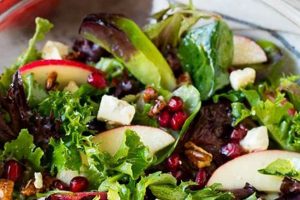
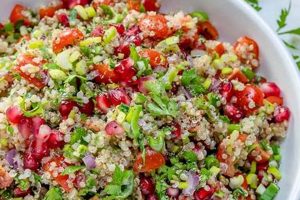
A culinary creation featuring sliced, cooked beef as the central ingredient, often chilled and combined with various complementary components such as vegetables, cheeses, nuts, and dressings, constitutes a common cold dish. A typical example might include chilled rare roast beef, mixed greens, crumbled blue cheese, toasted walnuts, and a vinaigrette dressing. Variations are extensive, ranging from simple combinations with lettuce, tomato, and onion to elaborate compositions with roasted vegetables, dried fruits, and creamy dressings.
This type of dish offers several advantages. Its versatility allows for customization to individual preferences and dietary needs. It can serve as a light lunch, a substantial dinner salad, or part of a buffet spread. From a nutritional perspective, it can provide a good source of protein, iron, and various vitamins depending on the chosen ingredients. Historically, cold meat salads have existed for centuries, evolving from simple preserved meat and vegetable combinations to the diverse and sophisticated options available today. This evolution reflects changing culinary trends and access to a wider range of ingredients.
Further exploration will delve into specific ingredient selections, preparation methods, dressing options, and potential variations. Nutritional information and suggestions for optimizing health benefits will also be addressed.
Tips for an Exceptional Cold Beef Salad
Achieving a flavorful and satisfying cold beef salad requires attention to several key aspects, from selecting the right cut of beef to balancing flavors and textures.
Tip 1: Beef Selection: Opt for leaner roasts like sirloin, top round, or eye of round. These cuts offer robust flavor and hold their shape well when sliced thinly. Avoid overly fatty cuts, which can become unappetizing when chilled.
Tip 2: Cooking Method: Roasting the beef low and slow ensures tenderness and even cooking. Allow the meat to rest completely before slicing to retain juices and achieve clean cuts.
Tip 3: Slicing Technique: Slice the beef thinly against the grain for optimal tenderness. Uniformly thin slices ensure even distribution throughout the salad and contribute to a pleasant mouthfeel.
Tip 4: Ingredient Pairing: Consider complementary flavors and textures when choosing accompanying ingredients. Crisp vegetables, creamy cheeses, crunchy nuts, and dried fruits offer contrasting elements that enhance the overall experience. Bold flavors like blue cheese or balsamic vinaigrette pair well with beef.
Tip 5: Dressing Selection: The dressing plays a crucial role in tying the flavors together. Vinaigrettes, creamy dressings, and even simple herb-infused oils can work well. Consider the other ingredients when selecting a dressing to ensure a harmonious balance.
Tip 6: Chilling Time: Allow the salad to chill for at least 30 minutes before serving to allow the flavors to meld and the beef to absorb the dressing. Avoid over-chilling, which can dull the flavors.
Tip 7: Presentation: A visually appealing presentation enhances the dining experience. Arrange the salad components thoughtfully on a platter or in individual bowls. Garnishes like fresh herbs or a sprinkle of toasted nuts can add a final touch of elegance.
By adhering to these guidelines, one can create a cold beef salad that is both delicious and visually appealing. The balance of flavors, textures, and temperatures elevates this dish from a simple combination of ingredients to a culinary delight.
The following section will offer specific recipe examples showcasing these principles in practice.
1. Ingredients

Ingredient selection significantly impacts the overall flavor profile, nutritional value, and textural complexity of a roast beef salad. Careful consideration of each component contributes to a balanced and satisfying culinary experience. The following facets illustrate the crucial role of ingredients in crafting a successful dish.
- The Beef
The foundation of any roast beef salad lies in the quality and preparation of the beef itself. Lean cuts such as sirloin, top round, or eye of round are preferred for their flavor and ability to hold their shape when sliced. Proper cooking, typically roasting, ensures tenderness. The beef’s role is to provide a substantial protein base and savory flavor.
- Vegetables
Vegetables contribute texture, color, and nutritional value. Common choices include leafy greens like lettuce, spinach, or arugula; crisp vegetables like cucumbers, bell peppers, or tomatoes; and alliums such as red onion or shallots. Roasted vegetables like carrots or sweet potatoes can add depth of flavor. The selection should complement the beef and dressing, offering contrasting textures and flavors.
- Cheese & Other Enhancements
Cheese often plays a supporting role, adding creamy or sharp notes depending on the variety. Crumbled blue cheese, feta, or goat cheese are popular options. Other enhancements like nuts (walnuts, pecans, almonds), seeds (sunflower, pumpkin), or dried fruits (cranberries, apricots) contribute textural complexity and additional flavor dimensions.
- Dressing
The dressing binds the ingredients together and provides a cohesive flavor profile. Vinaigrettes, creamy dressings, or even simple herb-infused oils can be employed. The dressing’s acidity, sweetness, and richness should balance the other ingredients, enhancing their individual flavors without overpowering them. Examples include a classic balsamic vinaigrette, a creamy horseradish dressing, or a simple lemon-herb vinaigrette.
The interplay of these ingredient categories determines the final character of the roast beef salad. A well-composed salad balances the richness of the beef with the freshness of vegetables, the sharpness or creaminess of cheese, and the unifying influence of the dressing. Thoughtful ingredient selection elevates the dish from a simple combination of components to a harmonious and flavorful culinary creation.
2. Preparation

Preparation constitutes a critical stage in executing a successful roast beef salad recipe. It directly influences the final outcome, affecting flavor, texture, and overall presentation. This stage encompasses several key steps, each contributing to the dish’s ultimate quality. The cause-and-effect relationship between meticulous preparation and a superior salad is undeniable.
Consider the impact of properly roasting the beef. Low and slow cooking ensures a tender and evenly cooked roast, maximizing flavor development. Resting the roast before slicing allows juices to redistribute, resulting in a more succulent and flavorful final product. Conversely, improper roasting, such as cooking at too high a temperature or neglecting the resting period, can yield a tough, dry, and less flavorful outcome. Similarly, vegetable preparation plays a crucial role. Washing and drying greens thoroughly prevents a wilted salad. Uniformly slicing vegetables ensures even distribution of flavors and textures. Neglecting these steps can lead to a less appealing and less enjoyable salad.
For instance, a recipe might call for roasted root vegetables. Careful preparation involves peeling, dicing, and tossing the vegetables with herbs, spices, and oil before roasting. This process enhances their natural sweetness and creates appealing caramelization. Omitting these steps would result in bland, unevenly cooked vegetables, diminishing the overall quality of the salad. Another example lies in the preparation of the dressing. Emulsifying a vinaigrette properly ensures a smooth, well-combined dressing that clings to the other ingredients. Failing to emulsify correctly can lead to a separated and less flavorful dressing.
In conclusion, the preparation stage in a roast beef salad recipe is not merely a set of perfunctory steps but rather a series of deliberate actions that significantly impact the final dish. Understanding the cause-and-effect relationship between proper preparation and a successful outcome allows one to approach this stage with the attention and care it deserves. This understanding translates directly to a more flavorful, visually appealing, and ultimately more satisfying culinary experience.
3. Method

Method, within the context of a roast beef salad recipe, encompasses the specific procedures and techniques employed to create the dish. It represents the roadmap from raw ingredients to a finished salad, dictating the sequence of actions and influencing the final outcome. A well-defined method ensures consistency and facilitates replication of desired results. Understanding the nuances of each step within the method is crucial for achieving a successful and satisfying culinary experience. This exploration delves into key facets of the method, highlighting their impact on the final product.
- Beef Cooking Technique
The method employed for cooking the beef significantly impacts its texture and flavor. Roasting, a common technique, involves cooking the beef in an oven at a moderate temperature. This method allows for even cooking and the development of rich flavors. Alternatively, methods like sous vide or grilling can be utilized, each offering distinct characteristics. Sous vide produces exceptionally tender beef, while grilling imparts a smoky char. The chosen cooking technique must align with the desired outcome, influencing the salad’s overall character.
- Vegetable Preparation & Incorporation
The method of vegetable preparation impacts both texture and flavor. Raw vegetables offer crispness and freshness, while roasted vegetables contribute depth and sweetness. Blanching or steaming vegetables can offer a balance between raw and cooked textures. The timing of vegetable incorporation is also crucial. Delicate greens are typically added just before serving to prevent wilting, while more robust vegetables can be combined earlier. These choices affect the salad’s overall composition and sensory experience.
- Dressing Emulsification & Application
The method of dressing preparation and application significantly affects flavor distribution and overall palatability. For vinaigrettes, proper emulsification creates a stable mixture that evenly coats the ingredients. The timing of dressing application also matters. Some salads benefit from marinating in the dressing, allowing flavors to meld, while others are best dressed just before serving to maintain texture. These decisions influence the balance of flavors and the overall enjoyment of the salad.
- Assembly & Chilling
The method of assembling and chilling the salad impacts temperature, texture, and flavor integration. Layering ingredients strategically can create visual appeal and prevent delicate components from being overwhelmed. Chilling allows flavors to meld and enhances the refreshing nature of the salad, but excessive chilling can dull flavors and textures. The assembly and chilling process requires careful consideration for optimal results.
The method employed in creating a roast beef salad acts as a unifying thread connecting each ingredient and technique. A well-executed method harmonizes flavors, balances textures, and elevates the dish from a simple assemblage of components to a carefully orchestrated culinary creation. The considered execution of each step within the method ensures a consistently satisfying and enjoyable dining experience.
4. Flavor Balance

Flavor balance represents a critical aspect of a successful roast beef salad recipe. It dictates the harmonious interplay of tastes, ensuring no single element overwhelms the others. A well-balanced salad exhibits a complexity of flavors that complement and enhance each other, creating a satisfying and nuanced culinary experience. This balance hinges on the careful selection and proportioning of ingredients, considering their inherent taste profiles and how they interact within the dish. The impact of flavor balance extends beyond mere palatability; it elevates the salad from a simple combination of ingredients to a carefully orchestrated symphony of tastes.
Consider the interplay of sweet, sour, salty, bitter, and umami elements. The richness of the beef, often carrying savory umami notes, can be balanced by the acidity of a vinaigrette, the sweetness of roasted vegetables, and the sharpness of a blue cheese. This interplay creates a dynamic flavor profile that engages the palate. For example, a salad featuring rare roast beef, roasted sweet potatoes, crumbled blue cheese, candied pecans, and a balsamic vinaigrette demonstrates this balance in action. The savory beef and sweet potatoes find counterpoints in the tangy blue cheese and vinaigrette, while the candied pecans offer a contrasting textural and flavor element. Without this careful consideration of flavor balance, the salad could become overly rich, excessively sweet, or dominated by a single flavor.
Practical application of this understanding involves actively tasting and adjusting throughout the preparation process. A chef might taste the vinaigrette and adjust the acidity or sweetness to complement the other ingredients. Similarly, the proportion of ingredients can be modified to achieve the desired balance. Challenges may arise when incorporating ingredients with strong flavors, such as assertive cheeses or pungent vegetables. In such cases, careful balancing through complementary ingredients and judicious portioning becomes even more critical. Ultimately, achieving flavor balance transforms a roast beef salad from a collection of individual components into a cohesive and harmonious culinary creation. This principle extends beyond specific recipes, highlighting the importance of flavor balance in any culinary endeavor.
5. Presentation
Presentation constitutes a crucial element within a roast beef salad recipe, significantly impacting the perceived value and enjoyment of the dish. While flavor and ingredient quality remain paramount, presentation elevates the dining experience, transforming a simple salad into a visually appealing culinary creation. This connection between presentation and recipe transcends mere aesthetics; it influences perception of flavor and overall satisfaction. The arrangement of components, color palette, and serving vessel all contribute to the final impression. A thoughtfully presented salad entices the diner, suggesting care and attention to detail. Conversely, a haphazardly arranged salad, even if composed of high-quality ingredients, can diminish the perceived value and enjoyment.
Consider the impact of contrasting colors and textures. A bed of vibrant green spinach, topped with thinly sliced rosy roast beef, interspersed with bright orange carrot ribbons, and sprinkled with crumbled white feta cheese creates visual interest. This visual appeal stimulates appetite and enhances the perceived freshness of the ingredients. Further, the arrangement of components influences the dining experience. A composed salad, with elements strategically placed, offers a more curated experience than a tossed salad, where ingredients are randomly distributed. The choice of serving vessel also contributes to the overall presentation. A rustic wooden bowl might suit a casual gathering, while a sleek white platter elevates the presentation for a more formal occasion. For instance, a restaurant serving a roast beef salad might artfully arrange the beef, vegetables, and cheese on a chilled plate, drizzling the dressing just before serving. This approach maximizes visual appeal and ensures optimal freshness.
Understanding the significance of presentation within a roast beef salad recipe allows for deliberate choices that enhance the dining experience. This understanding translates into practical applications, such as selecting appropriate servingware, considering color combinations, and strategically arranging components. Challenges may arise when balancing practicality with aesthetics, particularly in high-volume settings. However, even simple adjustments, such as garnishing with fresh herbs or arranging the salad on individual plates rather than a communal bowl, can significantly impact the overall presentation. Ultimately, attention to presentation demonstrates respect for both the ingredients and the diner, elevating the roast beef salad from a mere dish to a thoughtfully composed culinary experience.
Frequently Asked Questions
This section addresses common inquiries regarding roast beef salad recipes, offering concise and informative responses to facilitate a deeper understanding of this culinary creation.
Question 1: What is the best cut of beef for a roast beef salad?
Leaner cuts like sirloin, top round, or eye of round are generally preferred. These cuts offer good flavor and maintain their shape well when sliced thinly. Fattier cuts can become unappetizing when chilled.
Question 2: Can roast beef salad be made ahead of time?
Yes, it can be prepared in advance. However, it is generally recommended to add the dressing and delicate greens just before serving to prevent them from wilting or becoming soggy. The beef and other vegetables can be combined and stored separately.
Question 3: How long can roast beef salad be stored in the refrigerator?
Properly stored in an airtight container, it can typically be refrigerated for up to 3-4 days. However, the quality and freshness may degrade over time.
Question 4: What are some suitable dressing options besides vinaigrette?
Creamy dressings, such as horseradish sauce, blue cheese dressing, or a simple buttermilk-herb dressing, can complement roast beef salad. Herb-infused oils can also be used for a lighter option.
Question 5: How can one prevent the salad from becoming watery?
Thoroughly drying greens after washing and ensuring vegetables are dry before adding them to the salad helps prevent excess moisture. Adding the dressing just before serving also minimizes the risk of a watery salad.
Question 6: Can other types of meat be used in place of roast beef?
While the focus is on roast beef, other cooked meats like chicken, turkey, or ham can be substituted. However, the flavor profile of the salad will change accordingly. Adjustments to the other ingredients and dressing might be necessary to achieve a balanced flavor profile.
Careful consideration of these frequently asked questions facilitates successful preparation and enjoyment. Understanding these aspects helps avoid common pitfalls and ensures optimal flavor and presentation.
The following section will offer a curated selection of roast beef salad recipes showcasing various flavor combinations and techniques.
Roast Beef Salad Recipe
Exploration of the multifaceted nature of a roast beef salad recipe reveals the interplay of ingredients, techniques, and presentation in crafting a successful dish. From the careful selection of beef cuts and complementary vegetables to the nuanced balance of flavors and the artful arrangement of components, each step contributes to the final culinary experience. Understanding the significance of proper preparation, cooking methods, and dressing selection allows for consistent replication and personalized variations. The frequently addressed questions further illuminate common challenges and offer practical solutions for achieving optimal results.
Culinary endeavors, much like the roast beef salad recipe itself, offer opportunities for continuous refinement and creative expression. Emphasis on quality ingredients, thoughtful preparation, and attention to detail elevates the dish beyond mere sustenance, transforming it into a source of both nourishment and aesthetic appreciation. Further exploration and experimentation within this culinary framework promise continued discovery and enjoyment.