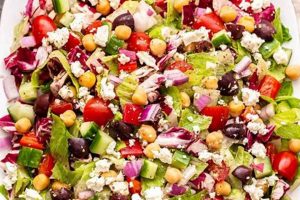
A chilled dish featuring a medley of cooked seafood such as shrimp, calamari, mussels, and clams, combined with fresh vegetables like celery, bell peppers, and onions, often marinated in a light, flavorful vinaigrette typically featuring lemon juice, olive oil, and herbs. Variations may include olives, capers, or artichoke hearts, offering diverse textures and tastes.
This type of dish offers a refreshing and healthy meal option, rich in omega-3 fatty acids and lean protein. Its versatility makes it suitable for various occasions, from casual lunches to elegant dinners. The Mediterranean origins contribute to its emphasis on fresh, seasonal ingredients, aligning with a balanced dietary approach. Historically, similar preparations have existed in coastal Italian communities for centuries, utilizing the readily available bounty of the sea.
The subsequent sections will explore specific ingredient selections, optimal preparation techniques, and creative presentation ideas for crafting a delectable and visually appealing seafood salad.
Tips for an Exceptional Italian Seafood Salad
Achieving a truly exceptional Italian seafood salad requires attention to detail and an understanding of key preparation techniques. The following tips offer guidance for creating a dish that balances flavor, texture, and visual appeal.
Tip 1: Seafood Selection: Opt for high-quality, fresh seafood. Frozen seafood can be used but should be thoroughly thawed and patted dry before cooking.
Tip 2: Gentle Cooking: Avoid overcooking the seafood, which can result in a rubbery texture. Briefly poaching or steaming is recommended to maintain tenderness.
Tip 3: Vegetable Crispness: Utilize crisp vegetables such as celery, fennel, and bell peppers. Blanching certain vegetables can enhance their color and maintain their crunch.
Tip 4: Marinade Timing: Marinate the seafood and vegetables separately to prevent the vegetables from becoming soggy. Combine just before serving.
Tip 5: Balanced Vinaigrette: A well-balanced vinaigrette is crucial. Employ high-quality olive oil, fresh lemon juice, and finely chopped herbs. A touch of Dijon mustard can add complexity.
Tip 6: Visual Presentation: Consider the arrangement of the salad on the serving platter. A bed of mixed greens can enhance the visual appeal, while garnishes like lemon wedges or fresh herbs add a finishing touch.
Tip 7: Chilling Time: Allow the salad to chill for at least 30 minutes before serving to allow the flavors to meld. Avoid excessive chilling, as it can dull the flavors.
By following these guidelines, one can create an Italian seafood salad that showcases the vibrant flavors of the Mediterranean and delivers a culinary experience that is both refreshing and satisfying.
The following section will offer variations and adaptations of this classic dish, showcasing its versatility and adaptability to diverse tastes and preferences.
1. Fresh, High-Quality Seafood

Fresh, high-quality seafood is paramount to a successful Italian seafood salad. The delicate flavors of the sea are central to this dish, and any compromise on quality directly impacts the final result. Fresh seafood offers a clean, briny taste and firm texture, essential for a pleasant culinary experience. Conversely, seafood of lesser quality can introduce off-flavors and unpleasant textures, detracting significantly from the overall enjoyment. For instance, using previously frozen shrimp that has not been properly thawed and handled can result in a mushy texture, while older fish might impart a strong, undesirable fishy odor.
The choice of specific seafood also influences the character of the salad. Opting for a variety of textures and flavors adds complexity. Tender calamari rings offer a subtle sweetness, while firm mussels provide a chewier texture and more pronounced oceanic flavor. Flaky cooked cod or other white fish can contribute a delicate, nuanced taste, contrasting with the more robust flavors of shellfish. Combining these elements creates a balanced and multi-dimensional sensory experience. Sourcing seafood from reputable fishmongers or markets ensures access to the freshest options available, contributing significantly to the dish’s success. Examining the seafood for clear eyes, firm flesh, and a fresh aroma are key indicators of quality.
Ultimately, the quality of the seafood dictates the overall quality of the Italian seafood salad. Prioritizing fresh, high-quality ingredients elevates this simple dish into a refined culinary creation. Investing in superior ingredients demonstrates respect for the culinary tradition and ensures a delightful experience for those who partake in it. Careful consideration of the type and quality of seafood selected is therefore fundamental to achieving an authentic and satisfying Italian seafood salad.
2. Crisp, Complementary Vegetables

Crisp, complementary vegetables play a crucial role in a successful Italian seafood salad. They provide essential textural contrast to the often tender seafood, creating a more dynamic and satisfying culinary experience. Beyond texture, these vegetables contribute brightness, freshness, and complexity to the overall flavor profile. Consider the interplay between the briny seafood and the vegetal notes of celery, fennel, or bell peppers. Each vegetable adds a unique dimension, enhancing the symphony of flavors.
The choice of vegetables should be guided by their compatibility with the seafood and the desired overall taste. Fennel, with its subtle anise flavor, pairs well with delicate white fish and shellfish. Celery offers a refreshing crunch and clean taste, complementing richer seafood like tuna or swordfish. Bell peppers, particularly red and yellow varieties, introduce sweetness and visual appeal. Blanching certain vegetables, such as green beans or asparagus, can enhance their color while maintaining their crisp texture. Furthermore, the vegetables’ size and shape should be considered. Uniformly diced vegetables ensure even distribution throughout the salad and contribute to a visually appealing presentation. Overly large pieces can disrupt the balance and make the salad difficult to eat gracefully.
Careful selection and preparation of vegetables contribute significantly to the overall success of an Italian seafood salad. They offer not only textural and flavor complexity but also nutritional value, aligning with the Mediterranean diet’s emphasis on fresh, wholesome ingredients. A thoughtfully composed vegetable component elevates this dish beyond a simple combination of ingredients, transforming it into a balanced and harmonious culinary creation. Ignoring the importance of crisp, complementary vegetables can lead to a one-dimensional, less satisfying experience. By prioritizing this element, one ensures a well-rounded and genuinely enjoyable Italian seafood salad.
3. Light, Vibrant Vinaigrette

The vinaigrette in an Italian seafood salad serves as a unifying element, binding the diverse flavors of the seafood and vegetables while contributing its own distinct character. A heavy, creamy dressing would mask the delicate flavors of the sea, whereas a light, vibrant vinaigrette enhances and complements them. The acidity of the vinaigrette also provides a refreshing counterpoint to the richness of the seafood, creating a balanced and harmonious flavor profile.
- Acidity as a Flavor Enhancer
The primary role of acidity in the vinaigrette is to brighten the other flavors and cut through the richness of the seafood. Lemon juice is a classic choice, providing a clean, citrusy tang. White wine vinegar offers a slightly softer acidity, while red wine vinegar contributes a more complex, fruity note. The right balance of acidity is crucial; too much can overpower the delicate seafood, while too little can result in a bland salad.
- The Role of Olive Oil
High-quality extra virgin olive oil contributes richness, body, and a subtle fruity flavor to the vinaigrette. It also helps to distribute the other flavors evenly throughout the salad and creates a pleasant mouthfeel. The type of olive oil can influence the overall taste; a robust, peppery olive oil can add a distinct character, while a milder oil allows the other ingredients to shine.
- Aromatic Herbs and Spices
Fresh herbs are essential for a vibrant vinaigrette. Parsley, oregano, basil, and chives are common choices, each contributing its unique aroma and flavor. A touch of garlic or red pepper flakes can add a subtle kick. Dried herbs can be used in a pinch but lack the fresh, vibrant flavor of their fresh counterparts. The key is to use herbs sparingly, allowing the seafood and vegetables to remain the stars of the dish.
- Emulsification and Texture
A properly emulsified vinaigrette clings to the seafood and vegetables, ensuring that every bite is infused with flavor. Whisking the vinaigrette vigorously creates a temporary emulsion, combining the oil and acid into a smooth, cohesive mixture. A touch of Dijon mustard can act as an emulsifier, helping to stabilize the vinaigrette and prevent separation. The texture of the vinaigrette should be light and slightly viscous, coating the ingredients without being heavy or gloppy.
The careful balance of these elementsacidity, oil, herbs, and emulsificationresults in a vinaigrette that elevates the Italian seafood salad. It’s not merely a dressing; it’s an integral component that enhances the overall culinary experience, transforming a simple combination of ingredients into a harmonious and flavorful dish.
4. Balanced Flavor Profile

A balanced flavor profile is crucial for a successful Italian seafood salad. This balance refers to the harmonious interplay of diverse tastesbriny seafood, bright acidity, fresh vegetables, and aromatic herbscreating a unified and enjoyable culinary experience. Without this balance, the salad can become one-dimensional, with certain flavors overpowering others.
- Seafood and Acidity
The inherent brininess of seafood requires a counterpoint. Acidity, typically from lemon juice or vinegar, provides this balance. The acid cuts through the richness of the seafood, preventing it from becoming overwhelming. Consider the classic pairing of oysters with lemon; the citrus brightens the oyster’s flavor without masking its delicate nuances. In the salad, this interplay prevents the seafood from dominating the overall taste.
- Textural Variety
A balanced flavor profile extends beyond taste to encompass texture. The tender texture of cooked seafood benefits from the inclusion of crisp vegetables like celery or fennel. This contrast prevents the salad from becoming monotonous and adds an enjoyable element of crunch. Think of a caprese salad, where the soft mozzarella contrasts with the firm tomato and fragrant basil. Similarly, varied textures in the seafood salad contribute to a more engaging experience.
- Aromatic Complexity
Fresh herbs contribute significantly to the flavor profile. Parsley, oregano, and basil are common choices, offering distinct aromatic notes. These herbs complement the seafood and vegetables, adding layers of complexity. However, an excessive amount of herbs can overpower the delicate flavors, disrupting the balance. The goal is to enhance, not overwhelm, the other components.
- Seasonality and Freshness
The emphasis on fresh, seasonal ingredients characteristic of Italian cuisine contributes to a balanced flavor profile. Using in-season produce guarantees optimal flavor and texture. Out-of-season vegetables often lack the vibrancy and sweetness of their peak-season counterparts, potentially impacting the overall balance. Consider a winter tomato versus a summer tomato; the difference in flavor is substantial. This same principle applies to the seafood and herbs used in the salad.
Achieving a balanced flavor profile requires careful consideration of each ingredient and its contribution to the overall composition. A successful Italian seafood salad hinges on this delicate interplay of flavors, textures, and aromas. It is through this balance that the individual components harmonize, creating a dish that is greater than the sum of its parts. Deviation from this principle, such as over-reliance on a single flavor or texture, compromises the overall quality and enjoyment of the salad.
5. Proper Chilling Technique

Proper chilling technique is essential for food safety and optimizing the flavor profile of an Italian seafood salad. Chilling allows the flavors of the seafood, vegetables, and vinaigrette to meld and harmonize without compromising the texture or safety of the ingredients. Insufficient chilling can lead to bacterial growth, posing health risks, while excessive chilling can dull the delicate flavors and make the seafood rubbery. The ideal temperature range for chilling the salad is between 34F and 40F (1C and 4C). This temperature range inhibits bacterial growth while preserving the integrity of the ingredients.
Chilling the seafood and vegetables separately before combining them is crucial. This prevents the vegetables from becoming soggy due to excess moisture from the seafood. Once the ingredients are chilled individually, they can be combined with the vinaigrette and chilled again briefly before serving. This final chilling period allows the flavors to marry and creates a cohesive dish. For instance, if marinated artichoke hearts are added to the salad without proper individual chilling beforehand, they may release excess marinade, diluting the vinaigrette and impacting the balance of flavors. Similarly, adding warm, just-cooked seafood to chilled vegetables can raise the overall temperature of the salad, potentially entering the danger zone for bacterial growth.
Effective chilling contributes significantly to both the safety and palatability of the Italian seafood salad. Adhering to proper chilling techniques ensures that the delicate flavors of the dish are enhanced while minimizing the risk of foodborne illness. Understanding the impact of temperature on both flavor development and food safety is fundamental to creating a successful and enjoyable culinary experience. Neglecting proper chilling protocols compromises not only the taste and texture of the salad but, more importantly, the well-being of those consuming it. It represents a critical step that should not be overlooked.
6. Attractive Presentation

Attractive presentation elevates an Italian seafood salad from a simple meal to a visually appealing culinary experience. Visual appeal significantly influences perception of flavor and enjoyment. A well-presented salad entices the appetite and creates a sense of anticipation. Consider the impact of a vibrant color palette: the deep reds of shrimp, the pearly white of calamari, the bright green of parsley, and the sunny yellow of bell peppers create a visually stimulating composition. This visual harmony enhances the perceived freshness and quality of the ingredients, contributing to a more satisfying dining experience. Conversely, a haphazardly arranged salad, even if made with high-quality ingredients, can appear less appetizing and diminish the overall enjoyment.
Practical application of presentation principles involves considering the serving vessel, the arrangement of ingredients, and the use of garnishes. A shallow platter or bowl allows for better visibility and easier access to the various components. Arranging the seafood and vegetables thoughtfully, rather than simply tossing them together, creates visual interest. For instance, arranging the seafood in a circular pattern on a bed of greens, with the vegetables interspersed, creates a more appealing presentation than a homogenous mixture. Garnishes, such as lemon wedges, sprigs of fresh herbs, or a drizzle of olive oil, add finishing touches that enhance visual appeal. These elements contribute to the perception of care and attention to detail, further elevating the dining experience. Imagine a restaurant serving the same salad in a disposable container versus a ceramic bowl; the presentation significantly impacts the perceived value and enjoyment.
Ultimately, attractive presentation is an integral component of a successful Italian seafood salad. It demonstrates respect for the ingredients and enhances the overall dining experience. While flavor remains paramount, visual appeal plays a significant role in perception and enjoyment. Careful consideration of color, arrangement, and garnishes elevates the dish from merely palatable to truly delightful. Overlooking this aspect diminishes the potential of the culinary creation, while thoughtful presentation enhances its appeal and contributes to a more memorable and satisfying meal. This understanding underscores the importance of visual appeal in culinary arts and its direct impact on the diner’s perception.
Frequently Asked Questions
This section addresses common inquiries regarding the preparation and enjoyment of Italian seafood salad.
Question 1: What types of seafood are most suitable for this salad?
While a variety of seafood can be used, traditional choices include shrimp, calamari, mussels, clams, and flaky white fish such as cod or halibut. The selection can be adapted to personal preferences and regional availability.
Question 2: Can frozen seafood be used?
Frozen seafood can be utilized, but proper thawing and handling are crucial. Thoroughly thaw the seafood in the refrigerator and pat it dry before cooking to ensure optimal texture.
Question 3: How can overcooking of the seafood be avoided?
Overcooking results in rubbery seafood. Gentle cooking methods, such as poaching or steaming, are recommended. Monitor the cooking process closely and remove the seafood from the heat as soon as it is opaque and cooked through.
Question 4: What vegetables complement seafood in this salad?
Crisp vegetables like celery, fennel, bell peppers, and red onion offer textural and flavor contrasts that enhance the seafood. Blanching certain vegetables, such as green beans, can preserve their color and crispness.
Question 5: How long can the prepared salad be stored?
For optimal quality and food safety, consume the salad within two days of preparation. Store the salad in an airtight container in the refrigerator at a temperature below 40F (4C).
Question 6: Can the vinaigrette be prepared in advance?
The vinaigrette can be prepared a day in advance and stored separately in the refrigerator. This allows the flavors to meld. Whisk the vinaigrette again before combining it with the seafood and vegetables.
Addressing these common inquiries provides a deeper understanding of the preparation process and encourages successful culinary outcomes. Proper handling, ingredient selection, and storage ensure a safe and enjoyable dining experience.
The following section offers variations and adaptations for those seeking to personalize this classic dish.
Conclusion
Exploration of the elements comprising a successful Italian seafood salad recipe reveals the importance of ingredient quality, preparation techniques, and balanced flavor profiles. Fresh, appropriately cooked seafood forms the foundation, complemented by crisp vegetables and a vibrant vinaigrette. Proper chilling techniques ensure food safety and enhance flavor development, while thoughtful presentation elevates the dining experience. Understanding these core components allows for informed ingredient selection, precise execution, and ultimately, a delightful culinary outcome.
Culinary traditions, such as the Italian seafood salad, offer opportunities to appreciate the interplay of fresh, seasonal ingredients and time-honored techniques. Continued exploration of these traditions allows for deeper understanding of culinary principles and fosters an appreciation for the art of food preparation. Embracing these principles empowers individuals to create dishes that nourish both body and soul, enriching culinary experiences and fostering connections to cultural heritage.