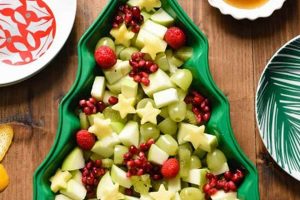
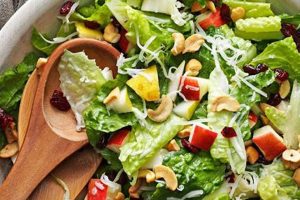
A guide for preparing a dish of mixed, fresh fruits typically involves selecting a variety of seasonal produce, cutting them into bite-sized pieces, and optionally combining them with a light dressing or sweetener. A basic example might include chopped strawberries, blueberries, bananas, and oranges. Variations can include additions such as grapes, kiwi, melon, or pineapple.
Fresh fruit combinations offer numerous nutritional benefits, providing vitamins, minerals, and fiber. They serve as a refreshing and healthy dessert, snack, or breakfast component. Historically, the concept of combining various fruits has existed for centuries, evolving from simple preparations to more elaborate presentations often seen in modern cuisine. The ease and adaptability of fruit mixtures make them a popular choice across diverse cultures.
This discussion will further explore optimal fruit selection, preparation techniques, creative serving suggestions, and potential health advantages associated with consuming fresh fruit medleys.
Tips for Creating a Delicious Fruit Salad
Optimal fruit selection and preparation techniques ensure a flavorful and visually appealing fruit mixture. The following tips offer guidance for creating a satisfying culinary experience.
Tip 1: Select ripe, but firm fruit. Overripe fruit can become mushy and contribute to a less desirable texture. Choosing fruit at peak ripeness ensures optimal flavor and texture.
Tip 2: Incorporate a variety of colors and textures. Consider including fruits with contrasting colors, such as red strawberries, green kiwi, and orange cantaloupe, for visual appeal. A mix of textures, from the smooth flesh of a banana to the crisp bite of an apple, also enhances the eating experience.
Tip 3: Cut fruit into uniform sizes. Consistent piece sizes ensure even distribution of flavor and contribute to a more aesthetically pleasing presentation.
Tip 4: Prepare fruit close to serving time. Certain fruits, like apples and bananas, can oxidize and brown when exposed to air. Preparing the salad shortly before serving helps maintain freshness and visual appeal.
Tip 5: Consider adding a light dressing or citrus juice. A squeeze of lemon or lime juice can brighten the flavors and help prevent browning. A light honey-lime dressing or a sprinkle of mint can add a touch of complexity.
Tip 6: Choose a suitable serving vessel. A clear glass bowl showcases the vibrant colors of the fruit. Individual serving cups or hollowed-out fruit shells can create a more elegant presentation.
Tip 7: Store leftover fruit salad properly. Refrigerate any remaining fruit salad in an airtight container to maintain freshness.
By following these guidelines, one can achieve a balanced combination of flavors, textures, and visual appeal in a simple yet satisfying dish.
Incorporating these tips facilitates the creation of a delightful and healthful culinary creation. The following section will offer concluding thoughts on the versatility and enduring appeal of fresh fruit combinations.
1. Fresh, Seasonal Ingredients

The foundation of a successful simple fruit salad rests upon the quality and selection of its ingredients. Fresh, seasonal produce offers superior flavor and nutritional value compared to out-of-season options. Fruits allowed to ripen naturally on the vine or tree develop a fuller, more complex flavor profile often lacking in produce harvested prematurely and transported long distances. This emphasis on seasonality contributes significantly to the overall taste and health benefits of the final dish. For instance, a summer fruit salad featuring locally sourced berries and melons will offer a burst of sweetness and juiciness unmatched by imported counterparts. Similarly, a fall fruit salad showcasing crisp apples and pears provides a different yet equally satisfying sensory experience.
Prioritizing fresh, seasonal ingredients offers several advantages. Produce at peak ripeness contains higher concentrations of vitamins and antioxidants, maximizing nutritional intake. Furthermore, utilizing locally sourced, in-season fruits reduces environmental impact by minimizing transportation needs and supporting local agriculture. This connection between seasonality and sustainability reinforces the importance of choosing ingredients thoughtfully. Using seasonal produce also often results in cost savings, as in-season fruits are typically more abundant and therefore less expensive. Incorporating seasonal ingredients allows for creative exploration of diverse flavor combinations, prompting culinary innovation and offering a wider range of options throughout the year.
In conclusion, the emphasis on fresh, seasonal ingredients in a simple fruit salad significantly impacts its quality, nutritional value, and environmental footprint. Choosing produce at its peak ripeness not only enhances flavor but also maximizes health benefits and supports sustainable practices. This understanding empowers informed choices that contribute to a more enjoyable and responsible culinary experience. By embracing the natural rhythms of the seasons, individuals can elevate a simple fruit salad from a basic dish to a celebration of flavor and mindful consumption.
2. Balanced Flavor Profiles
A harmonious blend of flavors forms the cornerstone of a successful simple fruit salad. Achieving a balanced flavor profile involves a thoughtful combination of sweet, tart, and potentially mildly acidic fruits, resulting in a more complex and enjoyable culinary experience. This balance prevents the salad from becoming overly sweet or excessively tart, ensuring a pleasant and refreshing taste.
- Sweetness as a Foundation
Sweet fruits like bananas, berries, and melons provide the foundational sweetness of the salad. These ingredients offer a readily accessible sweetness that appeals to a wide range of palates. For example, ripe strawberries provide a burst of sweetness, while bananas contribute a creamy sweetness and a smooth texture. Properly balancing the sweetness level ensures the salad remains palatable and refreshing.
- Tartness as a Counterpoint
Tart fruits such as kiwi, pineapple, and citrus segments introduce a necessary counterpoint to the sweetness. This tartness cuts through the richness of sweeter fruits, adding a layer of complexity. Green apples or cranberries offer a refreshing tartness that balances the sweetness of other fruits, preventing the salad from being cloying. This interplay of contrasting flavors creates a more dynamic and nuanced flavor profile.
- Acidity as an Enhancer
Incorporating mildly acidic elements like a squeeze of lemon or lime juice enhances the overall flavor profile. The acidity brightens the flavors of the individual fruits and can also help prevent browning. A light dressing made with citrus juice and a touch of honey provides a nuanced sweetness and a subtle tartness. This additional layer of complexity elevates the salad beyond a simple combination of fruits.
- The Role of Seasonality
Seasonality plays a crucial role in achieving balanced flavor profiles. Peak-season fruits possess the most intense and nuanced flavors. A summer fruit salad might feature juicy peaches and sweet berries, showcasing the best of summer’s bounty. In contrast, a winter fruit salad might incorporate crisp apples and pears, reflecting the flavors of the colder months. Selecting fruits at their peak ripeness ensures optimal flavor and contributes to a more harmonious balance.
A well-balanced simple fruit salad demonstrates the synergy achieved through the careful selection and combination of ingredients. By considering the interplay of sweetness, tartness, and acidity, along with the importance of seasonality, one can create a fruit salad that offers a complex and satisfying sensory experience, far exceeding the sum of its individual parts. The balance achieved elevates the simple fruit salad from a basic dish to a nuanced culinary creation.
3. Variety of Textures
Textural diversity significantly contributes to the overall enjoyment of a simple fruit salad. A combination of contrasting textures elevates the sensory experience beyond mere taste, creating a more engaging and satisfying culinary experience. This interplay of textures adds depth and complexity, transforming a simple mix of fruits into a multi-faceted dish.
- Soft and Yielding Textures
Fruits such as bananas, berries, and melon provide a soft, yielding texture that contrasts with firmer elements. Ripe bananas offer a creamy texture, while berries contribute a juicy burst. These softer textures create a pleasant mouthfeel and contribute to the overall balance of the salad.
- Crisp and Firm Textures
Apples, pears, and grapes introduce a crisp and firm texture, creating a satisfying contrast to softer fruits. The snap of a grape or the crunch of an apple adds a textural element that enhances the eating experience. This contrast prevents the salad from becoming overly soft or monotonous.
- Juicy and Succulent Textures
Watermelon, oranges, and pineapple offer a juicy and succulent texture, contributing a burst of refreshing moisture. The juice released from these fruits enhances the overall flavor profile and adds a pleasant textural element. This juiciness can balance the drier textures of other fruits, creating a harmonious blend.
- Smooth and Creamy Textures
Avocados and certain varieties of ripe mangoes contribute a smooth and creamy texture, adding richness and depth. The creaminess of avocado complements the brighter flavors of other fruits. This luxurious texture adds another dimension to the salad, elevating it beyond a simple combination of fruits.
The strategic incorporation of various textures transforms a simple fruit salad into a dynamic culinary creation. The interplay of soft, crisp, juicy, and creamy elements creates a multi-sensory experience that enhances enjoyment and satisfaction. This attention to textural variety elevates the dish from a basic mix of ingredients to a well-composed and engaging culinary experience. The contrasting textures not only add interest but also contribute to a more balanced and satisfying overall impression, showcasing the importance of textural diversity in creating a truly delightful fruit salad.
4. Simple Preparation Methods

The inherent appeal of a simple fruit salad rests significantly on its ease of preparation. Minimal processing preserves the natural flavors and nutritional integrity of the fresh ingredients, aligning with the concept of a straightforward, healthful dish. This emphasis on simplicity distinguishes the fruit salad from more complex culinary creations, highlighting its accessibility and convenience. For example, a basic fruit salad requires only washing, peeling (when necessary), and cutting the chosen fruits, minimizing preparation time and effort. This straightforward approach allows the natural flavors of the ingredients to shine through, unmasked by complex preparations or heavy sauces.
The connection between simple preparation methods and the success of a fruit salad lies in the preservation of freshness and flavor. Overly complex procedures can detract from the natural sweetness and vibrancy of fresh produce. Consider the contrast between a lightly dressed fruit salad with fresh berries and a fruit compote subjected to prolonged cooking; the former retains the bright, fresh flavors of the individual fruits, while the latter, though potentially delicious, transforms those flavors into something new. This distinction underscores the importance of simplicity in showcasing the inherent qualities of fresh fruit. Furthermore, simple preparation techniques encourage more frequent consumption, contributing to increased intake of vitamins, minerals, and dietary fiber. The ease of assembly makes a fruit salad a convenient and healthful choice for a quick snack, light meal, or refreshing dessert.
Minimally processed ingredients offer several key advantages. Nutrient retention is maximized, as heat and extensive processing can degrade certain vitamins. The natural flavors and textures of the fruits remain prominent, enhancing the sensory experience. This emphasis on simplicity also promotes culinary accessibility, encouraging individuals with varying skill levels to incorporate fresh fruit into their diets. Understanding the impact of preparation methods on the final product allows for informed choices that prioritize both nutritional value and culinary enjoyment. By embracing simple preparation techniques, individuals can fully appreciate the natural goodness of fresh fruit while minimizing time and effort in the kitchen. This approach underscores the essence of a simple fruit salad: a celebration of fresh, wholesome ingredients presented in their most natural and vibrant form.
5. Attractive Presentation

Visual appeal significantly enhances the perceived value and enjoyment of a simple fruit salad. Presentation elevates the dish from a basic combination of ingredients to a more enticing and appetizing culinary creation. Careful consideration of color, arrangement, and serving style transforms the salad into a visually engaging experience, encouraging consumption and appreciation. This attention to aesthetics underscores the importance of presentation in elevating even the simplest of dishes.
- Color Harmony and Contrast
Strategic use of color contributes significantly to the visual appeal. Incorporating a variety of vibrant, naturally occurring hues creates a visually stimulating presentation. Contrasting colors, such as red strawberries against green kiwi or orange segments against blueberries, amplify visual interest. A harmonious blend of colors enhances the perceived freshness and quality of the ingredients.
- Arrangement and Composition
Thoughtful arrangement elevates presentation. Consider arranging fruit pieces in a visually pleasing manner, rather than simply tossing them together. Creating patterns or gradients with different colors and textures adds an element of artistry. A well-composed salad appears more inviting and encourages closer inspection and appreciation.
- Serving Vessels and Garnishes
The choice of serving vessel contributes to the overall presentation. A clear glass bowl allows the vibrant colors of the fruit to shine through. Individual serving dishes create a more elegant and personalized experience. Simple garnishes, such as a sprig of mint or a dusting of powdered sugar, can add a touch of sophistication without overwhelming the natural beauty of the fruit.
- Cutting Techniques and Shapes
Varying the shapes and sizes of fruit pieces adds visual interest. Uniformly sized pieces create a sense of order and precision, while incorporating a mix of shapes, such as wedges, slices, and balls, adds a dynamic element. Using specialized cutting tools can create decorative shapes, further enhancing the visual appeal.
The interplay of these visual elements transforms a simple fruit salad into an aesthetically pleasing culinary creation. Attention to color, arrangement, serving style, and cutting techniques elevates the perceived value and enjoyment of the dish. This emphasis on presentation reinforces the notion that visual appeal plays a crucial role in the overall dining experience, enhancing even the simplest of preparations. By considering these aspects, one can create a fruit salad that is not only delicious but also visually captivating, encouraging appreciation for both its nutritional value and aesthetic qualities. This understanding allows for a more holistic approach to food preparation, recognizing the significant contribution of visual presentation to the overall enjoyment of a meal.
Frequently Asked Questions
This section addresses common inquiries regarding the preparation and enjoyment of simple fruit salads.
Question 1: How can browning of certain fruits, such as apples and bananas, be prevented?
Browning can be minimized by coating susceptible fruits with a light layer of citrus juice, such as lemon or lime. This helps prevent oxidation, preserving their fresh appearance.
Question 2: What are optimal storage practices for leftover fruit salad?
Leftover fruit salad should be stored in an airtight container in the refrigerator. This helps maintain freshness and prevents absorption of odors from other foods.
Question 3: Can frozen fruit be used in a simple fruit salad?
While fresh fruit is generally preferred, frozen fruit can be incorporated. Thaw frozen fruit completely before adding it to the salad to avoid excess moisture and a diluted flavor profile.
Question 4: Are there specific dressings recommended for fruit salads beyond citrus juice?
Light dressings, such as a mixture of honey and yogurt or a vinaigrette made with fruit juice and a touch of oil, can complement fruit salads. However, it’s important to choose dressings that don’t overpower the natural flavors of the fruit.
Question 5: How long can a fruit salad be safely stored?
Properly stored fruit salad typically remains fresh for up to three days in the refrigerator. However, it’s essential to assess the quality and appearance of the fruit before consumption.
Question 6: What are some strategies for incorporating a variety of textures in a fruit salad?
Combining fruits with different textures, such as crisp apples, juicy berries, and creamy bananas, adds complexity and interest. Consider adding nuts or seeds for additional textural variation.
Addressing these common queries provides practical guidance for achieving optimal results when preparing and enjoying simple fruit salads. Understanding these aspects ensures a more informed and successful culinary experience.
The subsequent section will offer a collection of simple fruit salad recipes for practical application of the concepts discussed.
Conclusion
Exploration of the elements contributing to a successful simple fruit salad reveals the importance of ingredient selection, flavor balance, textural diversity, straightforward preparation, and thoughtful presentation. Prioritizing fresh, seasonal produce ensures optimal flavor and nutritional value. Balancing sweetness and tartness creates a harmonious flavor profile, while incorporating a range of textures adds complexity to the sensory experience. Simple preparation methods preserve the natural integrity of the ingredients, and an attractive presentation enhances overall appeal. These factors, when combined, elevate the simple fruit salad from a basic dish to a vibrant and satisfying culinary creation.
The enduring appeal of the simple fruit salad lies in its adaptability and capacity to showcase the natural goodness of fresh produce. Continued exploration of flavor combinations and presentation techniques offers opportunities for culinary creativity and personalized enjoyment. An understanding of the underlying principles discussed empowers informed choices, enabling the creation of fruit salads that are both nutritionally valuable and aesthetically pleasing. This knowledge promotes appreciation for the versatility of this simple yet satisfying dish and encourages its continued presence as a healthful and refreshing culinary option.