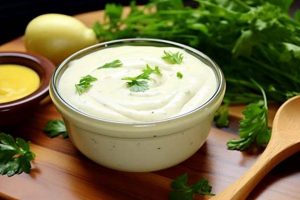
A guide to creating a flavorful emulsion of miso paste, typically combined with acidic components like rice vinegar or citrus juice, and often sweetened with mirin or sugar, alongside other ingredients such as sesame oil, ginger, and garlic, provides a foundation for a versatile culinary condiment. A basic example includes equal parts miso paste, rice vinegar, and neutral oil, whisked together until smooth.
This blend of umami, sweetness, and acidity offers a unique flavor profile that complements a variety of dishes, from salads and vegetables to grilled meats and tofu. Historically rooted in Japanese cuisine, the adaptable nature of these mixtures has led to widespread culinary adoption and numerous variations based on regional preferences and ingredient availability. Its popularity stems from both the depth of flavor it imparts and the potential health benefits associated with fermented soybean products like miso.
This exploration will delve into the nuances of ingredient selection, preparation techniques, and creative adaptations for crafting this versatile condiment. Discussions will cover factors affecting flavor profiles, suggested pairings for different cuisines, and tips for optimizing balance and texture.
Tips for Crafting Exceptional Miso Salad Dressings
Achieving a well-balanced and flavorful dressing requires attention to detail and an understanding of core ingredients. These tips offer guidance for optimizing flavor profiles and achieving desired textures.
Tip 1: Start with Quality Miso: Miso paste’s quality significantly impacts the final result. Experimenting with different types, such as white (shiro), yellow (awase), or red (aka), allows for nuanced flavor variations. White miso offers a milder, sweeter taste, while red miso provides a more intense, savory depth.
Tip 2: Balance Acidity Carefully: Rice vinegar is the traditional choice, but other options include mirin, citrus juices, or even a touch of sake. The goal is to balance the richness of the miso with a bright, acidic counterpoint.
Tip 3: Sweetness in Moderation: A touch of sweetness enhances the complexity of the dressing. Mirin, honey, maple syrup, or a simple sugar can be used, but moderation is crucial to avoid overpowering the other flavors.
Tip 4: Incorporate Aromatics: Freshly grated ginger, minced garlic, or finely chopped scallions add depth and complexity. Experiment with other additions like toasted sesame oil, chili flakes, or black pepper to further personalize the flavor profile.
Tip 5: Emulsify for Texture: Proper emulsification creates a smooth, creamy texture and prevents separation. Whisking the ingredients vigorously or using a blender creates a stable emulsion that coats ingredients evenly.
Tip 6: Taste and Adjust: Palate preferences vary. Taste the dressing throughout the process and adjust the ingredients to achieve the desired balance of sweet, salty, sour, and umami.
Tip 7: Consider Dietary Needs: Adaptations can be made for specific dietary needs. Maple syrup or agave nectar can replace honey for vegan options. Gluten-free tamari can be substituted for traditional soy sauce.
By following these guidelines, one can create a versatile condiment that elevates a wide array of dishes. Careful ingredient selection and attention to balance ensures a harmonious flavor profile that complements rather than overpowers.
This understanding of fundamental techniques and creative adaptations provides a foundation for culinary exploration and the development of signature dressings.
1. Miso Paste Variety

Miso paste constitutes the foundational flavor component of a miso salad dressing, impacting its overall character. Selecting the appropriate variety is crucial for achieving the desired balance and complexity. The diverse range of miso types available offers a spectrum of flavor profiles, influencing the final taste significantly.
- White (Shiro) Miso
Characterized by its mild, slightly sweet flavor and light color, white miso is fermented for a shorter period than other varieties. Its delicate taste makes it suitable for dressings intended for lighter salads and vegetables. White miso blends well with citrus fruits, ginger, and delicate herbs.
- Yellow (Awase) Miso
Representing a middle ground, yellow miso balances sweetness and saltiness. Fermented longer than white miso, it possesses a more pronounced umami flavor. Its versatility makes it suitable for a wider range of dressings, pairing well with both vegetables and heartier ingredients like grilled chicken or tofu.
- Red (Aka) Miso
Known for its deep, rich, and intensely savory flavor, red miso undergoes a longer fermentation process. Its robust character makes it an ideal choice for dressings intended for heartier dishes and assertive flavors. Red miso pairs well with ingredients like roasted vegetables, mushrooms, and bolder spices.
- Blended Misos (Awase)
Often a blend of white and red miso pastes, awase miso offers a more complex flavor profile than single-variety miso. The proportions of white and red miso within the blend can influence the final taste, offering a customizable balance of sweet, salty, and umami. This adaptability makes it suitable for a broad range of dressings and ingredients.
Careful consideration of miso paste variety allows for precise control over the final flavor profile of the dressing. Understanding the nuances of each type enables the creation of dressings tailored to specific ingredients and desired taste outcomes. Experimenting with different miso varieties is encouraged to explore the breadth of flavor possibilities and discover preferred combinations.
2. Acidity Level

Acidity plays a critical role in balancing the richness of miso paste and other components within a salad dressing. The correct level of acidity brightens the overall flavor profile, preventing the dressing from becoming overly heavy or cloying. Careful consideration of acidic ingredients and their proportions is essential for achieving a harmonious and palatable final product.
- Rice Vinegar
Rice vinegar, a staple in Japanese cuisine, provides a mild and slightly sweet acidity that complements the savory notes of miso. Different types of rice vinegar, such as seasoned or unseasoned, offer varying levels of sweetness and acidity, allowing for nuanced flavor adjustments. Its gentle acidity makes it a versatile choice for a wide range of miso dressings.
- Citrus Juices
Citrus juices, including lemon, lime, and orange, offer a brighter and more assertive acidity compared to rice vinegar. The specific choice of citrus fruit influences the overall flavor profile of the dressing, with lemon providing a clean, tart flavor, lime offering a zesty tang, and orange contributing a sweeter, more aromatic acidity. These options are particularly well-suited for dressings intended for lighter salads or dishes with seafood.
- Mirin
While primarily used as a sweetener, mirin also contributes a subtle acidity that enhances the complexity of the dressing. Its slightly alcoholic nature adds depth and a touch of sweetness, further balancing the richness of the miso. Mirin works well in combination with other acidic ingredients, providing a layered flavor profile.
- Other Vinegars
Beyond rice vinegar, other vinegars, such as apple cider vinegar or white wine vinegar, can be incorporated to create unique flavor combinations. These options introduce different levels of acidity and distinct flavor characteristics, offering opportunities for experimentation and customization. However, it’s important to use these vinegars judiciously to avoid overpowering the delicate balance of the dressing.
The interplay of acidity and other ingredients within a miso salad dressing is fundamental to achieving a well-balanced and flavorful outcome. Selecting the appropriate acidic component and adjusting its proportion allows for customization based on the specific miso paste used and other flavor elements incorporated. Careful attention to acidity ensures a dressing that complements the other ingredients in a dish rather than overpowering them.
3. Sweetener Choice

Sweetener selection significantly influences the final flavor profile of a miso salad dressing. The sweetener’s role extends beyond simply adding sweetness; it contributes to the overall balance and complexity, interacting with the umami of the miso and the acidity of other components. A judicious choice creates a harmonious blend of flavors, while an improper selection can lead to an unbalanced or cloying result. For instance, a delicate white miso dressing might benefit from the subtle sweetness of mirin, while a robust red miso dressing might pair well with the stronger notes of honey or maple syrup.
Several factors should be considered when choosing a sweetener. The intensity of the miso paste plays a key role; a milder miso allows for more flexibility in sweetener choice, while a stronger miso requires a sweetener that can hold its own without overpowering the other flavors. The desired level of sweetness also influences the decision. Some individuals prefer a more savory dressing with just a hint of sweetness, while others enjoy a more pronounced sweet-savory balance. Practical applications include adjusting the sweetness based on the ingredients being dressed; a sweeter dressing might complement bitter greens, while a less sweet option might be preferred for heartier vegetables. Honey, for example, provides a distinct floral sweetness that complements roasted vegetables, while agave nectar offers a neutral sweetness that allows the other flavors to shine.
Understanding the impact of sweetener choice is crucial for crafting well-balanced and flavorful miso salad dressings. Careful consideration of the miso paste, desired sweetness level, and other ingredients ensures a harmonious final product. Challenges may include finding the optimal balance for specific flavor combinations, but experimentation and careful tasting lead to refined and personalized dressings. This knowledge contributes to the broader goal of creating versatile and delicious culinary creations.
4. Oil Selection

Oil selection significantly impacts the flavor, texture, and overall quality of a miso salad dressing. The chosen oil contributes not only to the dressing’s mouthfeel but also interacts with other ingredients, influencing the final flavor profile. Different oils possess distinct characteristics, affecting how the dressing coats ingredients and how the flavors meld together. For instance, a neutral oil like grapeseed or canola allows the other ingredients to shine, while a flavorful oil like sesame or toasted sesame adds a nutty dimension. Olive oil, while a popular choice in many dressings, can sometimes clash with the delicate flavors of miso, so its use requires careful consideration and balancing with other components. The oil’s viscosity also plays a role, affecting the emulsification process and the dressing’s final consistency.
Practical applications demonstrate the importance of oil selection. A light and refreshing salad featuring delicate greens might benefit from a light, neutral oil that won’t overpower the other flavors. Conversely, a heartier salad with roasted vegetables or grilled tofu might be enhanced by a more robust oil like toasted sesame, which can complement the richer flavors. The ratio of oil to other ingredients also affects the final outcome. A higher oil content creates a richer, more emulsified dressing, while a lower oil content yields a lighter, more vinaigrette-like consistency. Understanding these nuances empowers culinary creativity, enabling the creation of dressings tailored to specific dishes and flavor profiles. Experimentation with different oils and ratios allows for personalized adjustments based on individual preferences.
Careful oil selection is thus integral to crafting a successful miso salad dressing. The chosen oil interacts with the miso paste, acidity, and sweetener, contributing to the overall balance and complexity of the flavor profile. Challenges can arise when balancing the oil’s inherent flavor with the other ingredients, requiring careful tasting and adjustment. This understanding of oil’s impact underscores its importance as a key component in achieving a well-balanced and flavorful dressing, contributing to the broader culinary goal of creating harmonious and delicious dishes.
5. Additional Flavorings
Additional flavorings represent a crucial element in miso salad dressing recipes, providing depth, complexity, and personalized nuances beyond the core components of miso, acid, sweetener, and oil. These additions, ranging from aromatics like ginger and garlic to spices like chili flakes and toasted sesame seeds, elevate the dressing from a simple base to a multifaceted condiment. The careful selection and incorporation of these supplementary ingredients significantly influence the final flavor profile, allowing for customization and creativity. For example, freshly grated ginger adds a bright, pungent warmth, while minced garlic contributes a savory depth. Toasted sesame oil introduces a nutty aroma and richness, whereas a pinch of chili flakes imparts a subtle heat. The synergistic interplay between these additional flavorings and the foundational components creates a more complex and nuanced sensory experience.
The practical application of this understanding lies in the ability to tailor a miso salad dressing to specific dishes and palates. A dressing intended for a light summer salad might benefit from the bright, herbaceous notes of fresh cilantro or chives. Conversely, a dressing designed for a heartier autumn salad might be enhanced by the warm, earthy flavors of toasted walnuts or crumbled dried shiitake mushrooms. The versatility offered by additional flavorings extends beyond simply enhancing the dressing itself; it allows for the creation of harmonious flavor pairings with the other components of a dish. Consider the interplay between a miso dressing infused with lemongrass and a salad featuring grilled shrimp and Southeast Asian herbs the complementary flavors create a cohesive and satisfying culinary experience. Similarly, a miso dressing accented with smoked paprika and black pepper might beautifully complement roasted root vegetables.
Mastering the art of incorporating additional flavorings into miso salad dressings requires an understanding of flavor profiles and their interactions. Challenges may arise in balancing these additions without overpowering the core flavors of the dressing. However, careful experimentation and tasting allow for the development of a nuanced palate and the creation of signature dressings. This knowledge contributes to a broader understanding of flavor dynamics and enhances culinary creativity, enabling the development of unique and delicious dishes that extend beyond the realm of simple salads. The strategic use of additional flavorings transforms a basic miso dressing into a versatile culinary tool capable of elevating a wide range of dishes.
Frequently Asked Questions
This section addresses common inquiries regarding the preparation and utilization of miso-based salad dressings.
Question 1: How long can miso salad dressing be stored?
Properly stored in an airtight container in the refrigerator, a miso-based dressing typically remains viable for up to one week. Separation may occur due to the emulsion’s nature, but whisking or shaking before use restores the desired consistency. Discarding the dressing upon any sign of spoilage, such as mold growth or off-odors, is recommended.
Question 2: Can miso salad dressing be used for marinades?
The robust flavor profile of miso lends itself well to marinades. The enzymatic activity in miso can tenderize meats and impart a deep umami flavor. Marinating times vary depending on the protein and desired intensity, ranging from 30 minutes for delicate seafood to several hours for denser meats. Over-marinating, however, can result in excessive saltiness, so careful monitoring is advised.
Question 3: What types of salads benefit most from miso dressings?
Miso dressings complement a wide array of salads, from those featuring robust greens like kale and spinach to lighter options with delicate lettuces. The dressing also pairs well with Asian-inspired salads incorporating ingredients such as shredded carrots, edamame, and seaweed. Its versatility extends to grain-based salads and those containing roasted vegetables or grilled tofu.
Question 4: Are there gluten-free options for miso salad dressings?
Traditional miso often contains gluten due to the inclusion of barley or other grains in the fermentation process. However, gluten-free miso varieties, typically made with rice or soybeans, are available. Ensuring all other ingredients, such as soy sauce (if used), are also gluten-free is crucial for maintaining a completely gluten-free dressing.
Question 5: How can one adjust the thickness of a miso salad dressing?
The consistency of a miso dressing can be adjusted by modifying the oil-to-other-ingredient ratio. Increasing the oil content results in a thicker, more emulsified dressing, while reducing the oil creates a thinner, more vinaigrette-like consistency. Adding a small amount of water can also thin the dressing without significantly altering the flavor profile. Conversely, a touch of cornstarch mixed with water can be whisked in to thicken the dressing, requiring gentle heating to activate the thickening agent.
Question 6: Can miso dressings be used beyond salads?
The versatility of miso dressings extends far beyond salads. They function as excellent dipping sauces for vegetables, spring rolls, and dumplings. These dressings can also serve as glazes for grilled meats or tofu, adding a savory depth of flavor. Incorporating the dressing into noodle dishes or using it as a spread for sandwiches offers additional culinary applications.
Understanding these frequently asked questions equips individuals with the knowledge to prepare, store, and utilize miso-based dressings effectively. The versatility and adaptability of these dressings allow for creative culinary exploration.
This concludes the frequently asked questions section. The next section will provide a selection of recipe variations.
Conclusion
Exploration of the elements comprising a guide for a miso-based salad dressing reveals a nuanced interplay of ingredients. Careful selection of miso paste, balanced acidity, appropriate sweetener, complementary oil, and enhancing additional flavorings contribute to the final product’s complexity and adaptability. Understanding the characteristics of each ingredient and its interaction with others allows for customization to suit diverse palates and culinary applications. Proper storage and creative utilization beyond salads further extend the value and versatility of this condiment.
Culinary exploration through experimentation with various miso types, acidic components, and additional flavorings unlocks a diverse range of flavor profiles. This knowledge empowers both novice and experienced cooks to create dressings tailored to individual preferences and specific culinary creations. Continued exploration and refinement of these fundamental principles promise further development and appreciation of this versatile culinary staple.