A molded dessert featuring lime-flavored gelatin, often combined with fruits, vegetables, or other ingredients, represents a classic dish, particularly popular in mid-20th century cuisine. Variations exist incorporating ingredients such as canned pineapple, shredded carrots, or miniature marshmallows, suspended within the jiggly, sweet-tart gelatin base. These molded salads, often served chilled, offer a visually appealing and texturally interesting element to meals, particularly buffets or potlucks.
Such dishes provided a relatively simple and affordable way to incorporate fruits and vegetables into diets, particularly during times when fresh produce may have been less readily available. The vibrant colors and unique textures made them attractive options for entertaining, contributing to their widespread adoption in celebratory meals and everyday dining. The inherent flexibility of gelatin allows for creativity and personalization, enabling cooks to adapt recipes based on available ingredients and preferences.
This exploration will delve further into the history of these molded desserts, examining their cultural significance, evolution of ingredients, and provide various preparation methods and variations. Nutritional information and modern adaptations catering to contemporary dietary needs will also be addressed.
Tips for Creating Exquisite Lime Gelatin Salads
Achieving optimal results with gelatin-based dishes requires attention to detail and a few key techniques. The following tips will aid in crafting a visually appealing and palatable molded salad.
Tip 1: Bloom the Gelatin: Dissolving the gelatin granules in cold water before adding hot liquid ensures even hydration and prevents clumping. This results in a smooth, uniform texture.
Tip 2: Temperature Control: Allow the gelatin mixture to cool slightly before adding other ingredients. Adding ingredients to overly hot gelatin can cause them to sink or become unevenly distributed. Conversely, adding ingredients to gelatin that is too cool can prevent them from suspending properly.
Tip 3: Mold Preparation: Lightly oiling the mold before adding the gelatin mixture ensures easy release upon unmolding. For a more decorative touch, consider garnishing the mold with fruit slices before adding the liquid gelatin.
Tip 4: Ingredient Selection: Consider the density and water content of added ingredients. Denser items may sink to the bottom, while those with high water content can dilute the gelatin. Experimentation and layering can create visually interesting effects.
Tip 5: Chilling Time: Adequate refrigeration time is crucial for proper setting. A minimum of four hours is recommended, but overnight chilling often yields the best results.
Tip 6: Unmolding Technique: Briefly dipping the mold in warm water loosens the gelatin, facilitating a clean release onto a serving plate.
Tip 7: Balancing Flavors: Lime’s tartness can be balanced with sweeter additions like pineapple or marshmallows. Experiment with complementary flavors to create a harmonious profile.
By following these guidelines, one can consistently create visually appealing and delicious lime gelatin salads suitable for a variety of occasions.
From its historical context to modern variations, the evolution of these dishes provides valuable insight into culinary trends and adaptations. The following section will offer concluding thoughts and suggest further avenues for exploration.
1. Lime Jello

Lime Jello, a powdered gelatin dessert mix, serves as the foundational ingredient in lime jello congealed salad. Understanding its properties and potential applications is essential for creating successful variations of this classic dish. The following facets explore key aspects of Lime Jello within this specific culinary context.
- Flavor Profile
Lime Jello’s characteristic tartness provides a refreshing base for the congealed salad. This tartness can be balanced with sweeter ingredients, such as fruit or whipped cream, creating a complex flavor profile. The intensity of the lime flavor can also be adjusted by varying the amount of water used in preparation.
- Textural Properties
The gelling agents in Lime Jello create the signature “jiggly” texture associated with congealed salads. This texture is influenced by factors such as chilling time and the incorporation of other ingredients. Understanding the interplay between these factors allows for manipulation of the final product’s consistency, ranging from a firm, sliceable salad to a softer, spoonable dessert.
- Versatility and Adaptability
Lime Jello’s neutral base readily accepts a wide variety of additions, from fruits and vegetables to nuts and marshmallows. This versatility allows for the creation of diverse flavor combinations and textural contrasts. The translucence of the set jello also offers opportunities for visually appealing layering and embedded ingredients.
- Cultural Significance
Lime Jello, and congealed salads in general, hold a place in culinary history, particularly in mid-20th century American cuisine. This historical context influences recipe development and provides a framework for understanding the evolution of these dishes. Contemporary adaptations often draw inspiration from these traditional preparations while incorporating modern ingredients and techniques.
These interconnected facets of Lime Jello contribute significantly to the final outcome of a lime jello congealed salad. By considering flavor, texture, versatility, and cultural context, one can approach recipe development with a deeper understanding, leading to more creative and successful results.
2. Congealed Texture

Congealed texture represents a defining characteristic of lime jello salad, distinguishing it from other dessert forms. This texture, derived from the gelling properties of gelatin, contributes significantly to the sensory experience of the dish. Gelatin’s ability to transform from a liquid to a semi-solid state creates a unique mouthfeel, often described as “jiggly” or “wobbly.” This textural element adds complexity to the overall sensory profile, complementing the tartness of the lime flavor and the potential sweetness of added ingredients. Achieving the desired congealed texture relies on several factors, including the proper blooming and dissolving of the gelatin granules, accurate measurement of liquids, and sufficient chilling time. Insufficient chilling results in a loose, unstable structure, while excessive chilling can create a rubbery texture. A properly congealed salad holds its shape when molded but yields easily to a spoon or fork, offering a pleasant textural contrast to other components within the dish.
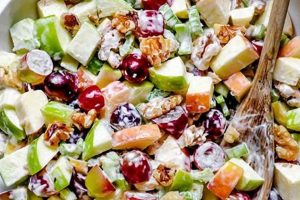
Consider a lime jello salad incorporating fruit pieces. The congealed texture of the gelatin encases the fruit, suspending it within the matrix. This suspension allows for even distribution of the fruit throughout the salad, preventing it from settling at the bottom. The textural contrast between the firm fruit and the yielding gelatin enhances the eating experience. Furthermore, the congealed texture facilitates the creation of visually appealing presentations. The ability to mold the salad into various shapes and the transparency of the set gelatin allow for creativity in presentation, incorporating layered colors and embedded garnishes. The structural integrity provided by the congealed texture ensures that the salad maintains its form during serving and consumption.
Mastery of the congealed texture is essential for successful execution of lime jello salad recipes. Understanding the factors influencing gelatin’s behavior allows for precise control over the final product. This knowledge enables adaptation of recipes to incorporate various ingredients and create tailored textures. The congealed texture, therefore, transcends mere structural integrity; it contributes significantly to the sensory appeal, presentation, and overall success of the dish. Further exploration into the science of gelatin and its culinary applications can deepen this understanding and empower culinary innovation within this classic dessert category.
3. Complementary Ingredients

Complementary ingredients play a crucial role in a lime jello congealed salad recipe, transforming a simple base into a complex and flavorful dish. These additions contribute not only to taste and texture but also to visual appeal and nutritional value. Strategic ingredient selection elevates the salad from a basic dessert to a culinary creation. The following facets explore categories of complementary ingredients and their impact on the final product.
- Fruits
Fruits offer a natural sweetness and textural contrast to the smooth gelatin. Popular choices include canned pineapple, mandarin oranges, and maraschino cherries. Fresh berries, such as strawberries or blueberries, introduce a vibrant color and a burst of flavor. The acidity of some fruits can complement the tartness of the lime, while the sweetness of others provides balance. Consideration of fruit size and shape is important for even distribution within the mold.
- Vegetables
While less common than fruit, vegetables offer unique flavors and textures. Shredded carrots provide a subtle sweetness and a pleasing crunch. Finely diced celery adds a refreshing crispness. The inclusion of vegetables can enhance the nutritional value of the salad and offer interesting flavor profiles. Blanching certain vegetables before adding them to the gelatin can help maintain their texture and color.
- Nuts and Seeds
Nuts and seeds introduce a satisfying crunch and a rich flavor dimension. Chopped walnuts or pecans offer a buttery complement to the lime. Toasted coconut flakes contribute a tropical sweetness and texture. The addition of nuts and seeds also boosts the protein and healthy fat content of the salad. Even distribution throughout the gelatin prevents settling and ensures a consistent texture in each bite.
- Dairy and Creams
Dairy elements introduce a creamy texture and richness. Whipped cream, sour cream, or cream cheese can be folded into the gelatin mixture before setting, creating a lighter, mousse-like consistency. A dollop of whipped cream or a sprinkle of grated cheese can serve as a garnish, adding visual appeal and enhancing the overall flavor profile.
The careful selection and incorporation of complementary ingredients elevates the lime jello congealed salad from a simple dessert to a multi-faceted culinary experience. The interplay of flavors, textures, and colors creates a dish that is both visually appealing and palate-pleasing. By understanding the contribution of each ingredient category, one can develop unique and flavorful variations on this classic recipe. Further exploration of ingredient combinations and preparation techniques can lead to endless culinary possibilities within this versatile dish.
4. Mold Preparation
Mold preparation represents a crucial step in crafting a successful lime jello congealed salad. The chosen mold dictates the final shape and presentation of the salad, influencing both visual appeal and serving practicality. Proper preparation ensures clean release of the set gelatin, preserving the intended form and minimizing damage during unmolding. The following facets explore key considerations in mold preparation for this specific application.
- Mold Selection
Mold selection depends on the desired presentation and occasion. Bundt pans create elegant, fluted shapes, while loaf pans offer a classic rectangular presentation. Individual molds, such as ramekins or small bowls, provide portion control and aesthetic variety. The mold material also influences the unmolding process. Metal molds conduct temperature efficiently, facilitating release with a brief warm water bath. Glass molds offer visual clarity, showcasing embedded ingredients. Silicone molds provide flexibility, allowing for gentle bending to release the gelatin.
- Mold Lubrication
Mold lubrication prevents the gelatin from adhering to the mold surface, ensuring seamless release. Lightly coating the interior of the mold with a neutral-flavored oil, such as vegetable or canola oil, creates a barrier between the gelatin and the mold. A thin layer of cooking spray also serves this purpose. Avoid using excessive oil, as it can pool on the surface of the set gelatin, affecting the final presentation. For certain molds, lining with plastic wrap may provide an alternative release method.
- Pre-Chilling Considerations
Pre-chilling the mold before adding the gelatin mixture can be beneficial, especially for metal molds. A cold mold encourages faster setting of the gelatin, particularly in warmer environments. This can be particularly helpful when incorporating layered ingredients, as it prevents diffusion of colors or settling of heavier components. However, pre-chilling is generally not necessary for glass or silicone molds.
- Unmolding Techniques
Effective unmolding preserves the salad’s shape and minimizes damage. Briefly dipping the mold in warm water loosens the gelatin from the mold’s surface. Running a thin knife or spatula around the edges further aids release. Inverting the mold onto a serving plate and gently shaking or tapping releases the salad. If the salad resists release, repeating the warm water bath or allowing the mold to sit at room temperature briefly can further facilitate the process.
Careful mold preparation ensures that the final presentation of the lime jello congealed salad reflects the intended design and enhances the dining experience. Selecting an appropriate mold, properly lubricating the surface, and employing effective unmolding techniques contribute to a visually appealing and structurally sound finished product. These considerations, combined with thoughtful ingredient selection and flavor pairings, elevate this classic dish from a simple dessert to a carefully crafted culinary creation.
5. Chilling Time
Chilling time represents a critical factor in the successful execution of a lime jello congealed salad recipe. Adequate refrigeration is essential for the gelatin to properly set, achieving the desired texture and structural integrity. Insufficient chilling results in a loose, unstable salad, while excessive chilling can lead to a rubbery consistency. Understanding the relationship between chilling time and the final product is crucial for achieving optimal results.
- Gelatinization Process
Gelatin, derived from collagen, requires specific temperature conditions to form a gel. Upon dissolving in hot liquid, the gelatin molecules disperse. Cooling reduces molecular kinetic energy, allowing the formation of a three-dimensional network through hydrogen bonding. This network traps the liquid, creating the characteristic congealed texture. Chilling time provides the necessary timeframe for this process to occur completely. Insufficient chilling hinders complete network formation, resulting in a weak gel. A fully set gelatin exhibits structural integrity, maintaining its shape when molded or served.
- Temperature Influence
Refrigerator temperature significantly impacts the rate of gelatinization. Lower temperatures promote faster setting, while higher temperatures slow the process. Fluctuations in refrigerator temperature can lead to uneven setting and an undesirable texture. Maintaining a consistent, cool temperature ensures uniform gelling throughout the salad. Ideally, the salad should be chilled at a temperature between 35F and 40F (2C and 4C) for optimal results. Monitoring refrigerator temperature and avoiding overcrowding the refrigerator aids in maintaining consistent cooling.
- Ingredient Impact
Incorporated ingredients can influence required chilling time. Ingredients with high water content, such as fresh fruit, can dilute the gelatin mixture, potentially requiring longer chilling times. Denser ingredients, like nuts or marshmallows, may not significantly impact setting time but can influence the overall texture. Acidity also plays a role; highly acidic ingredients can interfere with gel formation, necessitating adjustments in chilling time or the addition of buffering agents. Understanding the properties of incorporated ingredients allows for adjustments to chilling time to achieve the desired consistency.
- Recipe Variations
Different recipe variations may necessitate adjustments to chilling time. Layered salads, where each layer must set before the next is added, require careful timing and chilling between layers. More complex molds with intricate designs may require longer chilling times to ensure complete setting throughout. Consulting specific recipe instructions and considering the complexity of the salad design ensures adequate chilling for optimal results.
Chilling time, therefore, functions as a crucial control point in the creation of lime jello congealed salad. By understanding the science behind gelatinization, the influence of temperature and ingredients, and the specific requirements of different recipes, one can manipulate chilling time to achieve the desired texture, structural integrity, and overall presentation. Mastery of this element contributes significantly to the success and enjoyment of this classic dish.
6. Serving Suggestions
Serving suggestions represent the final consideration in the creation of a lime jello congealed salad, bridging the gap between preparation and consumption. Thoughtful presentation elevates the dining experience, transforming a simple dish into a visually appealing and palate-pleasing offering. Appropriate serving suggestions complement the flavor profile and textural nuances of the salad, enhancing its overall impact.
- Plating and Garnishing
Plating choices influence the visual presentation. A simple, elegant white plate provides a neutral backdrop that allows the vibrant colors of the salad to stand out. Alternatively, a patterned plate can add a touch of whimsy or complement a specific theme. Garnishes provide visual interest and enhance flavor. Fresh mint sprigs offer a refreshing contrast to the lime, while a dollop of whipped cream adds a touch of sweetness and richness. A sprinkle of toasted coconut flakes or chopped nuts complements the textural complexity of the salad.
- Accompaniments
Accompanying elements can further enhance the dining experience. A light, crisp salad dressed with a vinaigrette provides a refreshing counterpoint to the richness of the jello. A scoop of vanilla ice cream or frozen yogurt offers a cool, creamy contrast to the congealed texture. Consideration of flavor profiles is crucial; accompaniments should complement, not overpower, the lime jello salad.
- Occasion and Context
Serving suggestions should align with the occasion. For a casual gathering, a simple presentation with minimal garnishes may suffice. For a more formal event, intricate plating and elaborate garnishes elevate the dish. The context also influences serving size and style. Individual molds are suitable for portion control and personalized presentations, while a large, molded salad serves as a centerpiece for a buffet or potluck.
- Dietary Adaptations
Serving suggestions can accommodate dietary restrictions. For those avoiding added sugar, garnishes can focus on fresh fruit and herbs. Dairy-free options can utilize coconut whipped cream or a fruit puree. Gluten-free considerations are generally addressed in the recipe itself, ensuring the gelatin base and any added ingredients are free from gluten-containing products. Communicating dietary adaptations to guests ensures a comfortable and inclusive dining experience.
Serving suggestions, therefore, represent the final, crucial step in the creation of a lime jello congealed salad. Careful consideration of plating, garnishes, accompaniments, and dietary adaptations ensures a presentation that complements the flavors, textures, and overall aesthetic of the dish. Thoughtful serving suggestions elevate this classic dessert from a simple preparation to a memorable culinary experience, suitable for a variety of occasions and palates. By attending to these details, one transforms a basic recipe into a carefully curated and enjoyable offering.
Frequently Asked Questions
This section addresses common inquiries regarding the preparation and variations of lime jello congealed salads. Clear and concise responses aim to provide practical guidance and dispel common misconceptions.
Question 1: Can fresh pineapple be used in lime jello salad?
Fresh pineapple contains an enzyme, bromelain, which prevents gelatin from setting. Canned pineapple, however, is heat-treated during processing, deactivating bromelain and making it suitable for inclusion.
Question 2: How can one prevent the salad from becoming too tart?
Balancing the tartness of lime jello can be achieved by incorporating sweeter ingredients, such as canned fruit cocktail, marshmallows, or a whipped topping. Adjusting the amount of water used in preparation can also influence the intensity of the lime flavor.
Question 3: What can be done if the salad does not set properly?
Insufficient chilling time is often the culprit for a poorly set salad. Returning the salad to the refrigerator for additional chilling may resolve the issue. If the salad still does not set, the gelatin may be expired or the recipe may require adjustment.
Question 4: How can one achieve a smooth, uniform texture?
Proper blooming of the gelatin granules in cold water before adding hot liquid is crucial for a smooth texture. Ensuring complete dissolution of the gelatin and avoiding the incorporation of air bubbles while stirring contributes to a uniform consistency.
Question 5: How should the salad be stored?
Covering and refrigerating the salad maintains its quality and prevents it from drying out. Storage times exceeding three days are generally not recommended, as the texture and flavor may deteriorate.
Question 6: Can this recipe be adapted for specific dietary needs?
Sugar-free and low-calorie variations are available using alternative sweeteners and reduced-calorie gelatin mixes. Specific ingredient selections can also cater to other dietary restrictions, such as gluten-free or vegan diets.
Understanding these common points of concern allows for successful preparation and enjoyable consumption. Adaptability remains a hallmark of this classic dish, offering versatility within a simple framework.
The following section explores variations on the classic lime jello congealed salad recipe, demonstrating the versatility and adaptability of this dish to diverse tastes and preferences.
Lime Jello Congealed Salad
Exploration of lime jello congealed salad recipes reveals a dish steeped in culinary history yet adaptable to modern tastes. From its mid-20th century origins to contemporary variations, the fundamental principles of gelatin preparation, ingredient selection, and presentation remain central. The balance of lime’s tartness with complementary sweetness, the textural interplay of gelatin and incorporated elements, and the visual appeal of molded forms contribute to the enduring popularity of this dish. Understanding the scientific principles underlying gelatinization empowers culinary creativity, allowing for manipulation of texture and incorporation of diverse ingredients. Proper mold preparation and chilling techniques ensure successful execution, while thoughtful serving suggestions elevate the dining experience.
Lime jello congealed salad transcends its seemingly simple composition, offering a canvas for culinary expression. Continued experimentation with flavor profiles, textural contrasts, and presentation styles ensures its relevance in contemporary cuisine. This exploration serves as a foundation for further innovation, encouraging adaptation and personalization within the enduring framework of this classic dish. The potential for future iterations, incorporating novel ingredients and techniques, promises a continued evolution of this versatile and adaptable culinary creation.