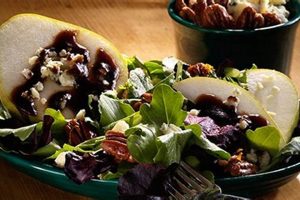
A culinary guide for combining beets and feta cheese typically involves preparing the beets (roasting, boiling, or pickling), then incorporating them with crumbled feta. Additional ingredients, such as oranges, walnuts, citrus vinaigrette, or leafy greens, frequently complement the earthy beet and salty feta flavors. Variations exist, offering diverse flavor profiles and presentations, from simple side dishes to more complex composed salads.
This combination offers nutritional benefits due to the vitamins, minerals, and antioxidants present in beets. Feta contributes protein and calcium. Furthermore, the contrasting flavors and textures create a compelling culinary experience. The vibrant colors also make it a visually appealing dish suitable for various occasions, from casual meals to more formal settings. This classic pairing has likely evolved over time, influenced by Mediterranean cuisine where both beets and feta are staples.
Exploration of specific beet and feta salad variations, preparation techniques, nutritional information, and serving suggestions will follow.
Tips for Beet and Feta Salad Preparation
Optimizing flavor and presentation requires attention to detail. The following tips ensure a successful culinary experience.
Tip 1: Beet Preparation: Roasting beets intensifies their sweetness. Wrap beets individually in foil and roast at 400F (200C) for 45-60 minutes, or until tender. Alternatively, boiling or pickling offers different flavor profiles.
Tip 2: Handling Beets: Wear gloves when handling beets to avoid staining hands. Trim the root and stem ends before cooking.
Tip 3: Feta Selection: High-quality feta cheese, preferably made from sheep’s or goat’s milk, enhances the overall flavor profile.
Tip 4: Balancing Flavors: The earthiness of beets and saltiness of feta benefit from a bright counterpoint. Consider incorporating citrus vinaigrette, orange segments, or a splash of balsamic glaze.
Tip 5: Adding Texture: Toasted walnuts, pecans, or pistachios provide a satisfying crunch. Other options include toasted bread crumbs or croutons.
Tip 6: Incorporating Greens: Fresh greens, such as baby spinach, arugula, or watercress, contribute a refreshing element and enhance nutritional value.
Tip 7: Presentation: Arrange the salad components thoughtfully for an appealing visual presentation. Consider layering ingredients or using a variety of colors and textures.
Attention to these details elevates a simple beet and feta salad to a memorable culinary creation. The combination of flavors, textures, and colors provides a satisfying and nutritious dish.
By applying these tips, one can create a delightful and visually appealing dish suitable for various occasions.
1. Beet Preparation

Beet preparation significantly influences the final flavor and texture profile of a beet and feta salad. Different methods, such as roasting, boiling, or pickling, impart distinct characteristics to the beets, impacting the overall dish. Roasting concentrates the sugars, resulting in a sweeter, more caramelized flavor. Boiling yields a milder, earthier taste and softer texture, suitable for salads emphasizing those qualities. Pickling introduces a tangy, acidic element, adding a contrasting dimension to the sweetness of the beets and saltiness of the feta. The chosen preparation method, therefore, must align with the desired outcome for the salad.
Consider a salad featuring roasted beets, candied walnuts, and goat cheese. The sweetness of the roasted beets harmonizes with the candied walnuts, creating a rich, decadent profile. Conversely, a salad with boiled beets, fresh dill, and a light vinaigrette benefits from the beets’ earthiness, allowing the delicate flavors of the dill and vinaigrette to shine. A pickled beet salad, perhaps with red onion and a horseradish-infused dressing, leverages the tanginess of the beets to create a vibrant, complex flavor combination.
Effective beet preparation is fundamental to a successful beet and feta salad. Selecting the appropriate method ensures the beets complement the other ingredients, contributing to a balanced and harmonious dish. Understanding the impact of various preparation techniques provides flexibility and control over the final product, allowing for customized flavor profiles to suit individual preferences or specific recipe requirements. This knowledge empowers culinary exploration and enhances the overall dining experience.
2. Feta Quality
Feta quality significantly impacts the overall success of a beet and feta salad. The cheese’s texture, saltiness, and tang contribute directly to the dish’s flavor profile. Lower-quality feta, often excessively salty or crumbly, can overpower the delicate sweetness of the beets and other ingredients. Conversely, high-quality feta, typically made with sheep’s or goat’s milk, offers a nuanced flavor profile, balancing creamy texture with a pleasant tang. This allows the other components of the salad, such as the beets, vinaigrette, and any additional ingredients, to shine through without being overshadowed. For instance, a salad using a bland, low-quality feta may lack depth, while one with a high-quality feta provides a complex interplay of flavors.
Practical implications of feta selection extend beyond taste. Texture plays a crucial role in the salad’s composition. A feta that crumbles excessively may result in an uneven distribution within the salad, affecting both presentation and mouthfeel. A firmer feta, however, holds its shape better, allowing for deliberate placement and contributing to a more visually appealing and satisfying culinary experience. Imagine a salad where the feta is evenly distributed, contributing a creamy counterpoint to each bite, compared to one where the feta has disintegrated into small, salty fragments. The difference in enjoyment is palpable.
Careful feta selection is therefore essential for achieving a well-balanced and enjoyable beet and feta salad. Prioritizing quality ensures the feta complements, rather than detracts from, the overall composition. This understanding allows for a more informed approach to ingredient selection, ultimately enhancing the culinary outcome. Selecting high-quality feta contributes not only to a superior flavor profile but also to a more pleasing textural experience and a visually appealing presentation. The impact of this seemingly minor detail underscores the importance of ingredient quality in achieving culinary excellence.
3. Flavor Balance

Flavor balance is paramount in a successful beet and feta salad. The inherent sweetness of beets and the salty, tangy nature of feta require careful consideration of complementary and contrasting flavors. Achieving harmony among these elements elevates the dish from simple to exceptional. A well-balanced salad engages the palate with a complex interplay of tastes, ensuring a satisfying culinary experience.
- Acidity
Acidity plays a crucial role in cutting through the richness of the beets and feta. Ingredients like lemon juice, red wine vinegar, or balsamic glaze provide the necessary brightness. For example, a lemon vinaigrette adds a refreshing citrus note that balances the earthy beets and salty feta. Without sufficient acidity, the salad can feel heavy and overly rich.
- Sweetness
While beets contribute inherent sweetness, additional sources can enhance complexity. Honey, maple syrup, or even a touch of orange juice can add subtle nuances. Consider a salad with roasted beets, feta, and candied walnuts. The candied walnuts amplify the sweetness, creating a delightful contrast with the salty feta. However, excessive sweetness can unbalance the dish, making it cloying.
- Earthiness
Beets themselves offer earthy notes, but other ingredients can deepen this dimension. Toasted walnuts or pecans introduce a nutty earthiness, while earthy herbs like dill or oregano contribute a savory complexity. Imagine a salad with boiled beets, feta, toasted walnuts, and fresh dill. The combined earthiness of the beets, walnuts, and dill creates a robust flavor profile that complements the feta. However, an excess of earthy flavors can make the salad taste too “grounded.”
- Spice
A hint of spice can add an intriguing dimension to the salad. Black pepper, red pepper flakes, or a pinch of cayenne pepper introduce warmth and complexity. A salad with roasted beets, feta, orange segments, and a sprinkle of red pepper flakes offers a balanced interplay of sweet, salty, acidic, and spicy notes. However, excessive spice can overpower the other flavors, masking the delicate balance of the salad.
Successfully balancing these flavor components creates a harmonious and dynamic beet and feta salad. Each element contributes to the overall taste experience, resulting in a dish that is both satisfying and complex. The interplay of acidity, sweetness, earthiness, and spice elevates the simple combination of beets and feta into a culinary creation that tantalizes the taste buds and leaves a lasting impression.
4. Textural Contrast

Textural contrast contributes significantly to the enjoyment of a beet and feta salad. The interplay of different textures creates a more dynamic and engaging sensory experience. A salad consisting solely of smooth or solely of crunchy elements can feel monotonous. Introducing contrasting textures elevates the dish, making it more stimulating and satisfying.
- Soft Elements
Boiled or roasted beets provide a foundational soft texture. Their tenderness contrasts with crisper elements, creating a balanced mouthfeel. Consider the difference between biting into a soft, roasted beet and a crunchy walnut. This interplay of textures adds complexity and interest.
- Crunchy Elements
Crunchy components provide a counterpoint to the softer textures of beets and feta. Toasted nuts, such as walnuts, pecans, or pistachios, offer a satisfying crunch. Other options include croutons, toasted bread crumbs, or even seeds like pumpkin or sunflower. Imagine the contrast between creamy feta and the sharp crunch of a toasted walnut. This textural variation enhances the overall dining experience.
- Creamy Elements
Feta cheese contributes a creamy texture, which contrasts with both soft and crunchy elements. The creaminess of the feta coats the palate, creating a luxurious mouthfeel. Consider the combination of creamy feta with the slight resistance of a roasted beet or the crispness of a crouton. This interplay of textures adds depth and richness to the salad.
- Leafy Elements
Incorporating leafy greens, such as spinach, arugula, or watercress, introduces another textural dimension. These greens offer a slightly delicate, sometimes peppery, crunch that contrasts with the other elements. The interplay of tender greens, soft beets, creamy feta, and crunchy nuts creates a multi-faceted textural experience. Each bite offers a different combination of sensations.
The strategic combination of these textural elements elevates the beet and feta salad. The interplay of soft, crunchy, creamy, and leafy components creates a dynamic and satisfying sensory experience. Attention to textural contrast transforms a simple salad into a more complex and enjoyable culinary creation. A well-executed beet and feta salad, therefore, considers not only flavor balance but also the crucial role of textural variety in enhancing the overall dining experience.
5. Fresh Ingredients

Ingredient freshness significantly impacts the overall quality and enjoyment of a beet and feta salad. Freshness not only affects flavor but also contributes to optimal texture, color, and nutritional value. Utilizing fresh, high-quality ingredients elevates this simple salad, transforming it into a vibrant and flavorful culinary experience.
- Beets
Fresh beets offer a vibrant color and earthy sweetness. Beets that are not fresh may appear dull, lack sweetness, or have an unpleasant woody texture. Using fresh beets ensures the salad’s foundation is flavorful and visually appealing. Locally sourced beets, when in season, often provide the best flavor and texture. The difference between fresh, vibrant beets and those past their prime is readily apparent in both taste and appearance.
- Feta
Fresh, high-quality feta, ideally stored in brine, possesses a creamy texture and a balanced salty, tangy flavor. Feta that has been sitting out too long can become dry, crumbly, and excessively salty. Its delicate flavor profile is easily compromised by improper storage or age. Fresh feta ensures the salad’s creamy, salty component complements the other ingredients without overpowering them.
- Herbs and Greens
Fresh herbs, such as dill, mint, or parsley, and leafy greens, like spinach, arugula, or watercress, add brightness and complexity to the salad. Wilted or aged greens detract from the salad’s vibrancy, both visually and in terms of flavor. Fresh herbs and greens contribute a refreshing element, enhancing the salad’s overall appeal. The difference between freshly picked herbs and those past their prime is evident in their aroma, appearance, and taste.
- Citrus and Vinaigrette Components
Freshly squeezed citrus juice for the vinaigrette offers a brighter, more vibrant flavor than pre-packaged juice. Other vinaigrette components, such as olive oil, garlic, and shallots, should also be fresh for optimal flavor. Freshly prepared vinaigrette provides a lively counterpoint to the beets and feta, elevating the salad’s overall flavor profile. A vinaigrette made with fresh, high-quality ingredients enhances the other components of the salad, creating a more harmonious and enjoyable dish.
Prioritizing fresh ingredients in a beet and feta salad ensures a superior culinary experience. The vibrant flavors, optimal textures, and enhanced nutritional value contribute to a more satisfying and enjoyable meal. The difference between a salad made with fresh ingredients and one made with less-than-fresh components is significant. Freshness elevates this seemingly simple salad, transforming it into a delightful culinary creation. Using fresh, high-quality ingredients demonstrates an appreciation for both flavor and the overall dining experience.
6. Vinaigrette Selection

Vinaigrette selection significantly influences the overall balance and flavor profile of a beet and feta salad. The vinaigrette acts as a unifying element, bringing together the disparate flavors of earthy beets, salty feta, and any additional components. A thoughtfully chosen vinaigrette complements and enhances these flavors, creating a harmonious and cohesive dish. Conversely, an improperly selected vinaigrette can clash with the other ingredients, resulting in a disjointed and unbalanced salad.
The primary function of the vinaigrette in a beet and feta salad is to provide acidity. This acidity cuts through the richness of the beets and feta, preventing the salad from feeling heavy or overly rich. A vinaigrette based on lemon juice or red wine vinegar, for example, introduces a bright, refreshing counterpoint to the other ingredients. Furthermore, the vinaigrette can introduce complementary flavors. A citrus vinaigrette, with its notes of orange or grapefruit, enhances the natural sweetness of the beets. Alternatively, a vinaigrette incorporating herbs like dill or mint adds a layer of complexity and freshness. Consider a beet and feta salad with a citrus vinaigrette. The citrus notes brighten the earthy beets and complement the salty feta. Now imagine the same salad with a heavy, creamy dressing. The dressing would likely mask the delicate flavors of the beets and feta, resulting in a less nuanced dish. These examples illustrate the practical significance of vinaigrette selection.
Successful vinaigrette selection hinges on a thorough understanding of flavor interactions and balance. The vinaigrette should complement, not compete with, the other salad components. It should enhance the existing flavors, creating a cohesive and enjoyable culinary experience. Challenges may arise when attempting to balance the sweetness of the beets, the saltiness of the feta, and the acidity of the vinaigrette. However, careful consideration of these factors allows for informed decision-making, resulting in a vinaigrette that elevates the beet and feta salad from simple to exceptional. This understanding underscores the crucial role vinaigrette selection plays in achieving a well-balanced and flavorful dish.
7. Presentation
Presentation significantly impacts the perceived value and enjoyment of a beet and feta salad. While flavor and texture remain paramount, visual appeal enhances the dining experience. A thoughtfully presented salad elevates the dish, transforming it from a simple meal into a more sophisticated culinary creation. This connection between presentation and recipe demonstrates an attention to detail that elevates the overall dining experience. Consider a salad haphazardly thrown together compared to one artfully arranged. The latter immediately suggests greater care and attention, enhancing anticipation and enjoyment. This principle applies not only to restaurant settings but also to home-cooked meals. A beautifully presented salad, even a simple one, enhances a meal, creating a more memorable occasion.
Several factors contribute to effective salad presentation. Color plays a crucial role; the vibrant hues of beets, contrasted with the white of feta and the green of fresh herbs or leafy greens, create an immediately appealing visual. Strategic placement of ingredients further enhances visual appeal. Consider layering the beets, feta, and other components to create height and dimension, rather than simply mixing everything together. The choice of serving vessel also contributes to the overall presentation. A shallow, wide bowl allows for better visibility of the ingredients, showcasing the colors and textures. Garnishes, such as a sprinkle of chopped herbs, a drizzle of olive oil, or a few toasted nuts, add finishing touches that elevate the presentation. Imagine a beet and feta salad served on a plain white plate compared to the same salad arranged on a bed of fresh greens in a colorful bowl, garnished with toasted walnuts and a sprig of dill. The difference in visual appeal is striking.
Understanding the impact of presentation allows for a more holistic approach to recipe development and execution. While flavor and texture remain fundamental, presentation adds another layer of sophistication and enjoyment. This awareness elevates the preparation of a beet and feta salad from a simple task to a more considered culinary endeavor. The practical application of these principles enhances the perceived value of the dish, transforming a simple salad into a more memorable and satisfying culinary experience. Acknowledging this connection between presentation and recipe underscores a commitment to culinary excellence, demonstrating that even simple dishes deserve thoughtful presentation. This attention to detail ultimately enriches the dining experience, creating a more engaging and satisfying meal.
Frequently Asked Questions
This section addresses common inquiries regarding beet and feta salad preparation and variations.
Question 1: How can one prevent beets from bleeding excessively during preparation and maintain vibrant colors in the salad?
Leaving the root and a portion of the stem intact during cooking minimizes bleeding. Adding a splash of vinegar or lemon juice to the cooking water also helps preserve color. Avoid overcooking, as this can dull the color and diminish flavor.
Question 2: What are suitable feta substitutes for individuals with dietary restrictions or preferences?
Goat cheese provides a similar tangy flavor and creamy texture. For vegan options, crumbled tofu marinated in a mixture of nutritional yeast, lemon juice, and garlic can offer a comparable savory element.
Question 3: Can this salad be prepared in advance, and what storage recommendations ensure optimal freshness?
The salad components can be prepared separately in advance. Store cooked beets, feta, and other ingredients separately and combine just before serving. Storing the salad dressed can lead to wilting and diminished flavor.
Question 4: How can nutritional value be maximized while maintaining flavor balance?
Incorporating a variety of nutrient-rich greens, such as spinach, kale, or arugula, boosts vitamin and mineral content. Adding nuts and seeds contributes healthy fats and protein. Balancing these with a flavorful vinaigrette ensures palatability.
Question 5: Beyond basic vinaigrette, what other dressings complement a beet and feta salad?
A lemon-tahini dressing or a balsamic glaze offer interesting alternatives. An orange-honey vinaigrette provides a sweeter counterpoint, while a yogurt-based dressing adds creaminess.
Question 6: How can beet and feta salad be adapted for different occasions or dietary needs?
This salad can be served as a light lunch, a side dish, or part of a larger buffet. For variations, consider adding roasted vegetables, grilled chicken or fish, or different grains like quinoa or farro. Adapting the dressing or feta substitutes accommodates dietary needs.
Addressing these common questions provides a more comprehensive understanding of beet and feta salad preparation and its versatility. Careful consideration of these points ensures a successful and enjoyable culinary outcome.
This concludes the frequently asked questions section. The next section will provide a complete recipe guide to create this vibrant and delicious salad.
Recipe for Beet and Feta Salad
Exploration of the recipe for beet and feta salad reveals a dish offering remarkable versatility and flavor complexity. Careful consideration of beet preparation methods, feta quality, flavor balance, textural contrast, ingredient freshness, vinaigrette selection, and presentation elevates this seemingly simple combination to a sophisticated culinary experience. From the earthy sweetness of roasted beets to the salty tang of feta, each element contributes to a dynamic interplay of tastes and textures. Understanding these nuances allows for informed choices, empowering culinary creativity and ensuring a satisfying outcome.
The enduring appeal of this salad lies in its adaptability. Whether served as a light lunch, a vibrant side dish, or a component of a larger meal, the beet and feta salad offers a canvas for culinary expression. Continued exploration of variations and flavor combinations promises to further enrich the culinary landscape. Ultimately, a well-executed beet and feta salad demonstrates the potential for culinary artistry, even within the realm of simple ingredients, highlighting the transformative power of thoughtful preparation and presentation.