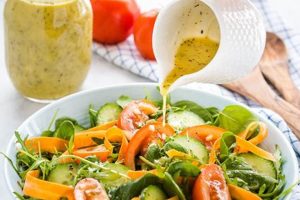
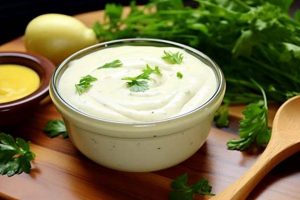
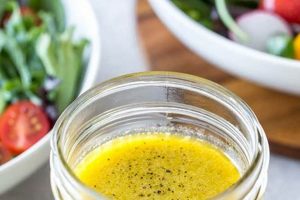
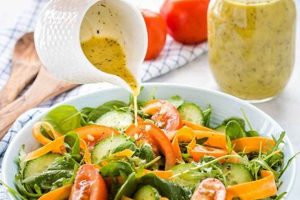
Uncooked dressings for salads utilize fresh, unprocessed ingredients like fruits, vegetables, nuts, seeds, herbs, oils, and vinegars. A simple example combines blended avocado, lime juice, and cilantro. These mixtures avoid heat processing, which can alter flavors and diminish nutritional value.
Preserving the natural state of ingredients maximizes enzyme activity and nutrient retention, potentially offering greater health benefits. This approach aligns with dietary preferences emphasizing whole foods and minimal processing. While the specific origins are difficult to pinpoint, the increasing popularity of raw foodism and plant-based diets in recent decades has brought these vibrant, unheated condiments to the forefront of culinary exploration.
The following sections will explore various categories of uncooked dressings, offering specific recipes and discussing the unique characteristics of each.
Tips for Creating Uncooked Dressings
Creating flavorful and nutritious unheated dressings requires attention to ingredient quality and preparation techniques. The following tips offer guidance for optimal results.
Tip 1: Embrace Fresh, High-Quality Ingredients: The foundation of any successful uncooked dressing lies in the quality of its components. Opt for ripe, seasonal produce and high-quality oils and vinegars for the best flavor and nutritional value.
Tip 2: Proper Storage Enhances Longevity: Store prepared dressings in airtight containers in the refrigerator to maintain freshness and prevent spoilage. Most uncooked dressings are best consumed within a few days.
Tip 3: Balance Flavors Thoughtfully: Achieving a harmonious balance of sweet, sour, salty, and savory elements is crucial. Taste and adjust seasonings as needed, considering the specific salad ingredients.
Tip 4: Explore Texture Variation: Experiment with different textures by incorporating ingredients like nuts, seeds, or avocado for creaminess, or finely chopped herbs and vegetables for added crunch.
Tip 5: Utilize Proper Emulsification Techniques: For creamy dressings, ensure proper emulsification by gradually whisking oil into the base mixture to create a stable and homogenous consistency.
Tip 6: Consider Flavor Pairings: Select ingredients that complement the flavors of the salad itself. For example, a light citrus vinaigrette pairs well with delicate greens, while a richer, nut-based dressing complements heartier salads.
Tip 7: Adjust Consistency as Needed: Achieve the desired consistency by adding more liquid (water, oil, or vinegar) for a thinner dressing, or reducing liquids or adding thicker ingredients like tahini or avocado for a thicker dressing.
By following these guidelines, one can consistently create vibrant and healthful dressings that enhance the flavor and nutritional value of any salad.
These practical tips provide a foundation for crafting exceptional uncooked dressings. The following section offers a collection of diverse recipes to further inspire culinary creativity.
1. Fresh Ingredients

The cornerstone of successful uncooked dressings lies in the utilization of fresh, high-quality ingredients. Ingredient selection directly impacts the flavor profile, nutritional value, and overall quality of the final product. Exploring the nuances of fresh ingredient selection provides a deeper understanding of their crucial role in crafting exceptional uncooked dressings.
- Produce Quality
Ripe, seasonal fruits and vegetables offer optimal flavor and nutritional density. Locally sourced produce minimizes transportation time, maximizing freshness. Examples include ripe tomatoes for a tangy base, vibrant avocados for creaminess, and fragrant herbs like basil and cilantro for aromatic complexity. Selecting produce at peak ripeness ensures the most flavorful and nutritious dressing.
- Oils and Vinegars
High-quality oils, such as extra virgin olive oil, avocado oil, or flaxseed oil, provide essential fatty acids and contribute distinct flavor profiles. Vinegars, like apple cider vinegar, balsamic vinegar, or lemon juice, add acidity and complexity. The balance of oil and vinegar influences the dressing’s texture and overall taste. Opting for cold-pressed oils and unpasteurized vinegars maximizes flavor and nutritional benefits.
- Nuts and Seeds
Freshly ground nuts and seeds, such as almonds, cashews, walnuts, or sunflower seeds, introduce richness, texture, and healthy fats. These ingredients contribute to a creamy consistency and offer a nutty depth of flavor. Soaking nuts and seeds prior to blending can enhance digestibility and nutrient absorption.
- Herbs and Spices
Fresh herbs and spices elevate the flavor profile of uncooked dressings. Examples include parsley, dill, mint, ginger, and garlic. These additions provide depth, complexity, and aromatic notes. Using freshly chopped herbs over dried versions intensifies flavor and adds vibrancy.
By prioritizing fresh, high-quality ingredients, one can elevate uncooked dressings from simple condiments to flavorful and nutritious culinary creations. This emphasis on freshness not only enhances taste but also maximizes the potential health benefits derived from these unheated mixtures, aligning with dietary preferences focused on whole foods and minimal processing.
2. Unprocessed
The unprocessed nature of ingredients defines these dressings. Avoiding heat and chemical processing preserves the inherent nutritional value of components like vitamins, minerals, and enzymes, often diminished or destroyed by traditional cooking methods. This focus on unprocessed ingredients aligns with dietary trends emphasizing whole foods and minimal processing for optimal health benefits. A dressing made with raw, cold-pressed olive oil, unpasteurized apple cider vinegar, and fresh herbs retains significantly more nutrients compared to a dressing made with heat-treated oil, refined vinegar, and dried herbs. This distinction highlights the nutritional advantages of prioritizing unprocessed components.
The emphasis on unprocessed ingredients also impacts flavor. Raw ingredients possess vibrant, distinct flavors often muted or altered by processing. A dressing crafted from freshly squeezed lemon juice delivers a brighter, more pronounced citrus note compared to one made with bottled, processed lemon juice. Similarly, using fresh garlic versus powdered garlic provides a more pungent and nuanced flavor. This focus on unprocessed components not only contributes to nutritional value but also elevates the overall sensory experience. Choosing unprocessed ingredients allows the natural flavors of individual components to shine, resulting in a more complex and flavorful dressing.
Utilizing unprocessed ingredients in dressings offers significant nutritional and culinary advantages. This approach supports overall well-being by maximizing nutrient intake and enhancing flavor profiles. While sourcing high-quality, unprocessed ingredients may require more effort, the resulting health benefits and taste enhancements offer compelling justification. The increasing consumer awareness regarding the impact of processed foods further underscores the importance of embracing unprocessed options in culinary practices, particularly within the realm of salad dressings where fresh, vibrant flavors are paramount.
3. Nutrient-Rich

Nutrient density represents a key advantage of uncooked dressings. Because these dressings utilize unprocessed ingredients, they retain vitamins, minerals, antioxidants, and enzymes often diminished or destroyed through conventional cooking methods. This nutritional richness contributes to overall health and well-being, aligning with dietary approaches emphasizing whole foods and maximizing nutrient intake.
- Vitamins and Minerals
Uncooked dressings retain a higher concentration of heat-sensitive vitamins, such as vitamin C and certain B vitamins. Minerals, including potassium and magnesium, also remain abundant. A dressing made with fresh, raw spinach provides significantly more vitamin C than one made with cooked spinach. These micronutrients play essential roles in various bodily functions, supporting immune health, energy production, and overall physiological function.
- Antioxidants
Raw ingredients in uncooked dressings retain higher levels of antioxidants, which protect cells from damage caused by free radicals. Examples include lycopene in tomatoes and vitamin E in certain oils. These compounds contribute to long-term health by reducing oxidative stress and supporting cellular integrity.
- Enzymes
Uncooked ingredients preserve naturally occurring enzymes, which aid digestion and nutrient absorption. These enzymes are often deactivated by heat. Including ingredients like fresh ginger or pineapple in dressings can provide beneficial enzymes. These active compounds contribute to efficient digestive processes and nutrient bioavailability.
- Healthy Fats
Uncooked dressings often incorporate sources of healthy fats, such as avocados, nuts, and seeds, as well as cold-pressed oils. These provide essential fatty acids crucial for brain health, hormone production, and reducing inflammation. Choosing dressings made with these healthy fats over those with refined or processed oils provides significant nutritional advantages.
The nutrient richness of uncooked dressings offers a compelling reason to incorporate them into a balanced diet. By maximizing nutrient intake through minimally processed ingredients, these dressings contribute to overall well-being and support long-term health goals. This focus on nutrient density aligns with current dietary trends emphasizing whole, unprocessed foods for optimal health and disease prevention. The nutritional advantages further strengthen the appeal of these versatile condiments.
4. Flavorful Combinations
The potential for flavorful combinations distinguishes uncooked dressings. The absence of heat allows delicate flavors to shine, offering a broader spectrum of flavor profiles compared to cooked counterparts. Strategic combinations of ingredients create unique and vibrant dressings, transforming salads from simple meals into culinary experiences. Exploring these combinations reveals the versatility and creative possibilities inherent in uncooked dressing preparation.
- Balancing Acidity and Sweetness
Balancing acidity and sweetness forms a foundational element in flavor development. The tang of citrus fruits or vinegars harmonizes with the sweetness of fruits, honey, or maple syrup. For example, a lemon-tahini dressing balances lemon juice’s tartness with tahini’s subtle sweetness and richness. This interplay creates a complex and nuanced flavor profile that complements various salad ingredients. Understanding this balance is essential for achieving well-rounded and palatable dressings.
- Incorporating Herbs and Spices
Fresh herbs and spices introduce depth and complexity to uncooked dressings. The peppery bite of fresh dill complements the coolness of cucumber, while the earthiness of cilantro enhances the creaminess of avocado. A simple vinaigrette gains depth with the addition of chopped chives or minced garlic. The aromatic notes of these ingredients further enhance the sensory experience, elevating the overall enjoyment of the salad.
- Utilizing Textural Contrasts
The interplay of textures enhances the sensory appeal of uncooked dressings. Creamy avocado combined with crunchy toasted sesame seeds or the smoothness of a cashew-based dressing contrasted with finely diced red onion offers a more engaging culinary experience. These textural variations create a dynamic interplay within the salad, adding another dimension beyond flavor alone.
- Exploring Regional Influences
Drawing inspiration from diverse culinary traditions expands the possibilities of flavor combinations. A Mediterranean-inspired dressing might incorporate Kalamata olives, oregano, and lemon, while a Southeast Asian influence could introduce flavors like ginger, lime, and chili. Exploring these regional influences offers a pathway to discovering unique and exciting flavor profiles, transforming ordinary salads into culinary adventures.
Mastering the art of flavor combination in uncooked dressings elevates salad preparation to an art form. By thoughtfully combining contrasting and complementary flavors, textures, and regional influences, one can create dressings that not only enhance the taste of salads but also offer a diverse and exciting culinary journey. This exploration of flavor combinations highlights the creative potential inherent in uncooked dressing preparation, demonstrating the transformative power of fresh, unprocessed ingredients.
5. Versatile Applications

The versatility of uncooked dressings extends beyond their traditional role as salad enhancements. Their adaptability to various culinary applications stems from the inherent flexibility of fresh, unprocessed ingredients. This characteristic allows for seamless integration into diverse dishes, expanding their utility beyond the salad bowl.
Uncooked dressings function as marinades for vegetables, tofu, or tempeh, imparting flavor and tenderizing the ingredients. Their vibrant flavors enhance grain bowls, roasted vegetables, and cooked proteins. A simple lemon-herb dressing can brighten grilled fish, while a creamy avocado dressing complements roasted sweet potatoes. Furthermore, these dressings can serve as dips for raw vegetables or crackers, offering a healthy and flavorful snack option. A vibrant beet-tahini dressing provides a colorful and nutritious dip for carrot sticks and bell pepper slices. This adaptability underscores their value within a diverse and health-conscious culinary repertoire.
The ability to adapt uncooked dressings across various culinary contexts contributes to both meal variety and simplified meal preparation. Their multifaceted nature allows for a single dressing to serve multiple purposes, streamlining cooking processes and reducing food waste. This adaptability reinforces the practical value of incorporating uncooked dressings into regular meal planning, promoting both culinary creativity and efficient resource utilization. The versatile applications of these dressings highlight their significance as a valuable component within a balanced and dynamic approach to healthy eating.
6. Easy Preparation
The ease of preparation associated with uncooked dressings contributes significantly to their appeal. Minimal processing requirements eliminate the need for cooking, significantly reducing preparation time and simplifying the overall process. This convenience encourages frequent consumption, promoting healthier eating habits by facilitating the incorporation of fresh, nutrient-rich ingredients into daily meals.
- Simple Techniques
Uncooked dressings often require only basic culinary techniques such as whisking, blending, or chopping. A simple vinaigrette requires whisking together oil, vinegar, and seasonings. Even more complex dressings, like a cashew-based cream sauce, require only blending soaked cashews with water and flavorings. This simplicity makes them accessible to individuals with varying culinary skill levels, encouraging broader adoption of healthy eating practices.
- Minimal Equipment
Preparation often requires minimal equipment, commonly found in most kitchens. A whisk, blender, or food processor suffices for most recipes. This accessibility eliminates the need for specialized tools, further simplifying the process and reducing potential barriers to adoption. The minimal equipment requirement makes creating uncooked dressings convenient and practical for a wide range of individuals.
- Quick Assembly
The speed of assembly is a key advantage. Many dressings can be prepared in minutes, making them ideal for busy lifestyles. A quick lemon-herb dressing can be assembled while the main course cooks, streamlining meal preparation without sacrificing flavor or nutrition. This rapid preparation time encourages spontaneous and healthful meal choices.
- Adaptability and Improvisation
Recipes offer flexibility for ingredient substitutions and flavor adjustments. A basic vinaigrette can be customized with different herbs, spices, or sweeteners to accommodate individual preferences or available ingredients. This adaptability encourages experimentation and personalization, further enhancing the appeal and promoting culinary creativity.
The ease of preparation associated with uncooked dressings significantly contributes to their practicality and appeal. This convenience encourages the integration of fresh, nutrient-rich foods into daily diets, promoting healthier eating habits without demanding extensive time or culinary expertise. The simplicity of techniques, minimal equipment requirements, quick assembly, and adaptability collectively position uncooked dressings as a convenient and healthful culinary choice for individuals seeking to enhance their dietary habits without sacrificing flavor or convenience. This ease of preparation makes them a valuable addition to any kitchen, empowering individuals to create nutritious and flavorful meals effortlessly.
Frequently Asked Questions
Addressing common inquiries regarding uncooked dressings provides clarity and encourages informed culinary choices. The following responses offer practical guidance and dispel potential misconceptions.
Question 1: How long do uncooked dressings typically last in refrigeration?
Properly stored in airtight containers, most uncooked dressings remain fresh for 3-5 days in refrigeration. Separation may occur; whisk or shake well before serving.
Question 2: Can uncooked dressings be frozen for longer-term storage?
Freezing is generally not recommended, as it can negatively impact texture and flavor. Freezing may cause separation and alter the consistency upon thawing. Prioritizing fresh consumption is advisable for optimal quality.
Question 3: What are suitable substitutes for common ingredients in uncooked dressings?
Recipe adaptability allows for ingredient substitutions based on dietary needs or preferences. Maple syrup can replace honey, apple cider vinegar can substitute for lemon juice, and sunflower seeds can replace cashews. Flavor profiles may vary slightly based on substitutions.
Question 4: Are there safety concerns associated with consuming raw eggs in uncooked dressings?
Recipes containing raw eggs present a potential risk of salmonella. Individuals with compromised immune systems, pregnant women, young children, and older adults should exercise caution. Pasteurized eggs or egg alternatives mitigate this risk.
Question 5: How can one achieve a creamy consistency in uncooked dressings without using dairy products?
Creamy textures are achievable using ingredients like avocados, soaked cashews, tahini, or sunflower seeds. Blending these ingredients creates a smooth, creamy consistency without dairy.
Question 6: How can one best adapt uncooked dressings to complement specific salad ingredients?
Flavor pairings enhance the overall culinary experience. Light, citrus-based dressings complement delicate greens, while richer, nut-based dressings pair well with heartier salads featuring roasted vegetables or grains. Consider flavor profiles and textures when selecting or creating dressings.
Understanding these key aspects of uncooked dressings empowers individuals to make informed culinary decisions, maximizing both flavor and nutritional benefits. These responses provide practical insights to enhance the culinary experience and promote informed dietary choices.
The next section offers a collection of curated recipes demonstrating the practical application of these principles.
Conclusion
Exploration of uncooked dressing preparation reveals the potential for culinary creativity and nutritional enhancement. Emphasis on fresh, unprocessed ingredients maximizes nutrient retention, offering potential health benefits. Versatile applications extend beyond salads, encompassing marinades, dips, and flavor enhancements for various dishes. Ease of preparation encourages adoption, promoting convenient integration of fresh, nutrient-rich foods into daily diets.
Prioritizing unprocessed ingredients in dressings signifies a shift towards health-conscious culinary practices. This approach aligns with broader dietary trends emphasizing whole foods and minimal processing. The potential for customization and flavor exploration positions uncooked dressings as a valuable tool for culinary innovation and personalized nutrition. Continued exploration of ingredient combinations and culinary applications promises further advancements in both flavor and functionality.