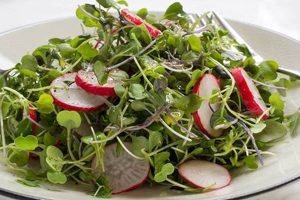
Uncooked beet salads offer a vibrant and nutritious way to enjoy this root vegetable. Typically, these preparations involve thinly sliced or grated beets combined with other fresh ingredients, such as carrots, apples, citrus fruits, herbs, and nuts, often complemented by a vinaigrette dressing. A simple example might include grated beets, orange segments, and a light lemon-herb dressing.
Consuming beets without cooking preserves their delicate flavor and maximizes their nutritional value. Beets are rich in antioxidants, nitrates, fiber, folate, and essential minerals. Their nitrates, in particular, have been linked to potential health benefits, including improved cardiovascular health and athletic performance. While cooked beets remain nutritious, some water-soluble nutrients may be lost during the cooking process. The raw preparation has seen increased popularity in recent years as culinary trends embrace fresh, unprocessed foods and vibrant, colorful dishes.
This article will explore various aspects of preparing and enjoying uncooked beet salads. Topics covered will include selecting and preparing fresh beets, complementary ingredient pairings, creating delicious dressings, and exploring potential variations and serving suggestions.
Tips for Preparing Uncooked Beet Salads
Achieving optimal flavor and texture in an uncooked beet salad requires attention to detail. These tips offer guidance for creating a successful dish.
Tip 1: Select fresh, firm beets. Look for beets with smooth, unblemished skins and firm texture. Smaller beets tend to be more tender.
Tip 2: Handle beets carefully to avoid staining. Wear gloves when peeling and slicing beets, as their pigment can stain hands and clothing. Use a cutting board designated for tasks that might cause staining.
Tip 3: Utilize a sharp knife or mandoline for even slicing or grating. Uniformly sized pieces ensure even marinating and contribute to a pleasant textural experience.
Tip 4: Balance earthy beet flavors with contrasting ingredients. Acidity from citrus fruits, tangy cheeses, or vinegars complements the sweetness of beets. Crunchy nuts or seeds add textural interest.
Tip 5: Don’t overdress the salad. A light coating of vinaigrette allows the flavors of the individual ingredients to shine. Overdressing can make the salad soggy.
Tip 6: Marinate the beets briefly to enhance flavor and soften the texture. A short marinating time, typically 15-30 minutes, allows the beets to absorb the flavors of the dressing without becoming overly saturated.
Tip 7: Add delicate greens just before serving. To prevent wilting, incorporate ingredients like spinach or arugula immediately before serving the salad.
By following these tips, one can ensure a vibrant, flavorful, and visually appealing uncooked beet salad. Proper selection, handling, and balancing of ingredients contribute to a delightful culinary experience.
These practical tips provide a foundation for creating delicious and nutritious beet salads. The following section will offer specific recipe variations to further inspire culinary exploration.
1. Ingredient Selection
Ingredient selection significantly impacts the final flavor profile, texture, and nutritional value of a raw beet salad. Beets, the foundational ingredient, contribute an earthy sweetness. Choosing firm, smooth-skinned beets ensures optimal flavor and texture. Smaller beets are generally preferred for their tenderness in raw preparations. Beyond the beets themselves, complementary ingredients serve crucial roles. Acidity, frequently derived from citrus fruits like oranges or lemons, balances the sweetness of the beets. Adding crisp, contrasting textures from ingredients like apples, jicama, or fennel provides textural complexity. Incorporating nuts and seeds, such as walnuts or toasted pumpkin seeds, introduces healthy fats and satisfying crunch. Soft cheeses like goat cheese or feta provide a creamy counterpoint and a tangy flavor dimension.
For example, a salad featuring golden beets, blood oranges, and pistachios offers a balanced interplay of sweet, tart, and crunchy elements, showcasing how thoughtful ingredient selection creates a more dynamic sensory experience. Similarly, a combination of red beets, grapefruit segments, and crumbled goat cheese delivers a contrasting interplay of colors, textures, and flavors. Understanding these relationships empowers one to tailor the salad to specific preferences or dietary needs, highlighting the practical significance of ingredient selection.
Careful consideration of each ingredients contribution to the overall composition of the salad ensures a harmonious balance of flavors, textures, and nutritional benefits. The interplay of sweet, acidic, crunchy, and creamy elements elevates the salad beyond a simple collection of ingredients. Ingredient selection acts as the foundation upon which a truly exceptional raw beet salad is built.
2. Preparation Techniques

Preparation techniques are integral to a successful raw beet salad recipe, directly influencing the final dish’s flavor, texture, and presentation. These techniques encompass the handling and processing of ingredients, starting with the beets themselves. Proper washing and peeling are essential, followed by careful slicing or grating. Uniformity in size contributes to both aesthetic appeal and even marinating. The choice between slicing, grating, or julienning affects the salad’s texture and how the beets interact with the dressing and other ingredients. For instance, thinly sliced beets offer a delicate texture suitable for salads with lighter dressings, while grated beets create a more robust texture and readily absorb stronger flavors. The order of operations also matters. Marinating the beets separately before combining them with other ingredients can prevent color bleeding and ensure that each component retains its distinct character. For example, marinating the beets in a citrus vinaigrette before adding feta cheese prevents the cheese from becoming discolored.
Beyond beets, preparation techniques extend to other components. Nuts might require toasting to enhance their flavor and crunch. Delicate greens benefit from being added just before serving to prevent wilting. Citrus fruits can be segmented or supremed for a more refined presentation and to avoid the bitter pith. These seemingly minor steps cumulatively impact the overall quality of the salad. Consider the difference between roughly chopped walnuts and delicately toasted, chopped walnuts added to a salad with goat cheese and orange segments. The toasted walnuts offer a pronounced crunch and deeper flavor that elevates the entire dish. Similarly, adding fresh, crisp greens just before serving, rather than incorporating them during the marinating process, preserves their texture and vibrancy.
Mastering these techniques enhances not only the sensory experience but also the nutritional value of the salad. Minimizing processing time helps preserve heat-sensitive vitamins. Proper handling prevents cross-contamination and maintains food safety. Therefore, preparation techniques in a raw beet salad recipe are not merely procedural steps, but rather critical factors that determine the final dish’s success. They represent the bridge between raw ingredients and a vibrant, flavorful, and nutritious culinary creation.
3. Flavor Balancing

Flavor balancing is paramount in a raw beet salad recipe, where the natural earthiness of beets requires careful consideration. A well-balanced salad transcends the sum of its parts, offering a harmonious interplay of flavors that delight the palate. This involves understanding the beet’s inherent taste profile and strategically incorporating ingredients that complement and enhance, rather than overpower, its unique characteristics.
- Acidity
Acidity plays a crucial role in cutting through the earthy sweetness of beets. Ingredients like citrus fruits (lemon, orange, grapefruit), vinegars (balsamic, apple cider, red wine), and even acidic vegetables like pickled onions or fermented sauerkraut introduce a bright, tangy counterpoint. For example, a squeeze of fresh lemon juice or a drizzle of balsamic glaze can transform a simple beet salad, adding a refreshing dimension that balances the beet’s sweetness. The level of acidity should be carefully calibrated to complement, not overwhelm, the other flavors.
- Sweetness
While beets possess inherent sweetness, additional sweet elements can further enhance the flavor profile. Fruits like apples, pears, or berries introduce nuanced sweetness and textural variation. A touch of honey or maple syrup in the dressing can also contribute to a balanced sweetness. However, moderation is key. Excessive sweetness can mask the other flavors and create a cloying taste. The goal is to achieve a harmonious interplay between the beet’s natural sweetness and any added sweet elements.
- Saltiness/Umami
Salt is essential for enhancing and grounding the flavors in any salad. Salty cheeses like feta, goat cheese, or Parmesan offer a savory counterpoint to the sweetness and earthiness of beets. Adding umami-rich ingredients like toasted nuts, crumbled bacon, or a splash of soy sauce can further deepen the flavor profile. For example, a sprinkle of crumbled feta cheese not only adds a salty element but also introduces a creamy texture, while toasted walnuts contribute both saltiness and a satisfying crunch. These elements add complexity and depth to the salad, preventing it from tasting one-dimensional.
- Texture and Aromatics
Flavor balancing extends beyond taste to encompass texture and aroma. Crunchy elements like toasted nuts, seeds, or croutons provide textural contrast to the beets. Fresh herbs like dill, mint, or parsley introduce aromatic complexity and a refreshing element. The interplay of textures and aromas further elevates the sensory experience. For example, the peppery bite of fresh arugula complements the earthiness of beets, while the crunch of toasted pecans adds a satisfying textural contrast.
By carefully considering these facets of flavor balancing, one can create a raw beet salad that is not only visually appealing but also a delightful culinary experience. The strategic combination of acidity, sweetness, saltiness/umami, and textural/aromatic elements transforms simple ingredients into a harmonious and complex dish. The raw beet salad becomes a testament to the power of balanced flavors, showcasing the versatility and potential of this often-underappreciated root vegetable.
4. Presentation
Presentation significantly influences the perceived appeal and enjoyment of a raw beet salad. While flavor and nutritional value remain paramount, visual appeal enhances the dining experience. Consideration of color, texture, and arrangement transforms a simple salad into a visually captivating dish. The vibrant hues of beets, ranging from deep magenta to golden yellow, provide a natural foundation for an aesthetically pleasing presentation. These colors can be further amplified by incorporating complementary or contrasting ingredients. For instance, the deep red of chioggia beets provides a striking visual against the creamy white of goat cheese and the bright green of pistachios. Alternatively, a salad composed of golden beets, orange segments, and candied pecans offers a warm, inviting color palette.
Beyond color, textural variation adds another dimension to the presentation. Thinly sliced beets create delicate ribbons, while grated beets offer a coarser texture. Incorporating ingredients with contrasting textures, such as crunchy nuts, creamy cheeses, or crisp greens, enhances visual interest and provides a more dynamic sensory experience. The arrangement of ingredients also plays a crucial role. Rather than simply tossing all components together, a more deliberate approach can elevate the presentation. Consider arranging sliced beets in a circular pattern on a plate, then strategically placing dollops of goat cheese and clusters of candied pecans around the beets. This creates a visually engaging composition that invites closer inspection and appreciation. The choice of serving vessel further contributes to the overall presentation. A shallow bowl allows for a more expansive arrangement, showcasing the individual ingredients, while a deeper bowl creates a sense of abundance.
Ultimately, presentation elevates the raw beet salad from a simple dish to a culinary creation. Careful consideration of color, texture, and arrangement enhances visual appeal, stimulating appetite and contributing to a more satisfying dining experience. This attention to detail transforms the act of consuming a salad into a multi-sensory engagement, highlighting the significant role presentation plays in the overall enjoyment of the dish. The understanding and application of these principles enable the creation of a raw beet salad that is not only nutritious and flavorful but also a feast for the eyes.
5. Nutritional Value
Nutritional value represents a key aspect of raw beet salad recipes, offering a potent combination of vitamins, minerals, and antioxidants. Consuming beets raw maximizes their nutritional benefits, as heat can degrade certain nutrients. Understanding the specific nutritional components and their potential health impacts provides a deeper appreciation for this vibrant dish.
- Nitrates
Beets are a significant source of dietary nitrates, compounds that convert to nitric oxide in the body. Nitric oxide plays a crucial role in vasodilation, improving blood flow and potentially lowering blood pressure. This has implications for cardiovascular health, and studies suggest potential benefits for athletic performance due to increased oxygen delivery to muscles. A raw beet salad can contribute meaningfully to dietary nitrate intake.
- Antioxidants
Beets contain potent antioxidants, including betalains, which combat oxidative stress and inflammation within the body. These antioxidants contribute to cellular health and may offer protection against chronic diseases. Raw preparations preserve these delicate compounds, maximizing their potential benefits. Including other antioxidant-rich ingredients in the salad, such as berries or citrus fruits, further amplifies this advantage.
- Fiber
Raw beets provide a good source of dietary fiber, both soluble and insoluble. Fiber promotes digestive health, regulates blood sugar levels, and contributes to satiety. This can be beneficial for weight management and overall digestive well-being. The fiber content remains intact in raw beets, supporting optimal digestive function.
- Vitamins and Minerals
Raw beet salads contribute essential vitamins and minerals, including folate, potassium, manganese, and vitamin C. Folate is crucial for cell division and growth, while potassium supports healthy blood pressure. Manganese plays a role in bone health and metabolism, and vitamin C acts as an antioxidant and supports immune function. Consuming beets raw helps preserve these vital nutrients.
The combined nutritional benefits of nitrates, antioxidants, fiber, vitamins, and minerals position raw beet salad as a nutrient-dense food choice. Incorporating a variety of other fresh ingredients into the salad further enhances its nutritional profile, contributing to overall health and well-being. Choosing a raw preparation maximizes these benefits, offering a flavorful and healthful addition to any diet. This nutritional density further underscores the importance of raw beet salad recipes in a health-conscious approach to eating.
6. Variations

Variations within raw beet salad recipes demonstrate the inherent versatility of this dish. Adaptability to diverse ingredients, flavor profiles, and dietary needs underscores the recipe’s capacity to satisfy a broad range of preferences. This adaptability stems from the beet’s relatively neutral flavor profile, which acts as a canvas for a wide array of complementary ingredients. A simple beet and citrus salad, for example, transforms with the addition of toasted walnuts and crumbled goat cheese, showcasing how simple additions create complexity.
Several factors drive the need for variations. Seasonality influences ingredient availability; a winter citrus and beet salad contrasts sharply with a summer version featuring fresh berries and herbs. Dietary restrictions necessitate ingredient substitutions; swapping goat cheese for a vegan alternative allows individuals with dairy sensitivities to enjoy the dish. Cultural influences also inspire variations. An Eastern European-inspired salad might incorporate dill and horseradish, while a Mediterranean version might include olives and feta. These variations extend beyond mere substitutions; they represent opportunities for culinary exploration and creative expression. A spiralized beet salad with a ginger-lime dressing exemplifies the innovative potential inherent in the basic recipe. This approach transforms both the texture and flavor profile, broadening the dish’s appeal.
Understanding the potential for variation within raw beet salad recipes unlocks significant practical advantages. Adaptability ensures year-round enjoyment, accommodating seasonal produce changes and individual dietary needs. This adaptability promotes culinary creativity, encouraging experimentation with flavors and textures. From a nutritional standpoint, variations allow for the incorporation of diverse nutrient-rich ingredients, further enhancing the health benefits. Ultimately, embracing variations positions the raw beet salad not as a static recipe but as a dynamic culinary concept adaptable to individual tastes and circumstances. This adaptability cements its position as a versatile and enduring culinary staple.
7. Storage
Proper storage significantly impacts the quality and safety of raw beet salads. Because these salads emphasize fresh, uncooked ingredients, they are more susceptible to spoilage and nutrient degradation than cooked dishes. Effective storage techniques maintain the salad’s vibrant color, crisp texture, and nutritional integrity, while also minimizing the risk of bacterial growth. Improper storage, conversely, can lead to wilting, discoloration, off-flavors, and potential foodborne illnesses. For instance, storing a raw beet salad with delicate greens in a warm environment will accelerate wilting and bacterial proliferation, rendering the salad unappetizing and potentially unsafe to consume. Conversely, storing the salad components separately and chilling them promptly after preparation helps preserve their freshness and quality.
Several factors influence optimal storage practices. Temperature plays a crucial role; refrigeration at temperatures below 40F (4C) significantly slows bacterial growth and enzymatic activity that can lead to spoilage. Airtight containers minimize exposure to oxygen, preventing oxidation and preserving the vibrant colors of the ingredients. Separation of components also contributes to extended shelf life. Storing dressings separately from the salad prevents the greens from becoming soggy and helps maintain the crisp texture of other components. For example, storing grated beets, citrus segments, and toasted nuts in separate airtight containers, then combining them with the dressing and delicate greens just before serving, maximizes the freshness and textural integrity of each element. Properly stored, a raw beet salad can typically maintain its quality for up to three days.
Implementing appropriate storage techniques safeguards the investment of time and resources dedicated to preparing a raw beet salad. These practices maximize the salad’s shelf life while preserving its nutritional value, flavor, and aesthetic appeal. Understanding the effects of temperature, air exposure, and ingredient interaction empowers individuals to make informed decisions regarding storage, ultimately contributing to a safer and more enjoyable culinary experience. Ignoring these principles compromises the salad’s quality and increases the risk of foodborne illness, underscoring the practical significance of proper storage within the broader context of raw beet salad preparation.
Frequently Asked Questions
This section addresses common inquiries regarding raw beet salad preparation, offering practical guidance for achieving optimal results and addressing potential concerns.
Question 1: How can staining from beet juice be prevented during preparation?
Wearing gloves while handling beets minimizes skin staining. A dedicated cutting board prevents staining other surfaces. Rinsing cut beets immediately under cold water also helps limit color transfer.
Question 2: Can all beet varieties be consumed raw?
While most beet varieties are suitable for raw consumption, smaller, younger beets generally offer a more tender and less earthy flavor. Larger, more mature beets might require roasting or boiling before consumption.
Question 3: How long can a raw beet salad be stored safely?
When stored in an airtight container in a refrigerator below 40F (4C), a raw beet salad typically remains safe to consume for up to three days. However, its quality, particularly the texture of delicate greens, might deteriorate over time.
Question 4: What can be substituted for goat cheese in individuals with dairy sensitivities?
Vegan alternatives such as cashew cream cheese or crumbled tofu offer comparable creamy textures and can be seasoned to mimic the tangy flavor of goat cheese. Nutritional yeast also provides a cheesy flavor profile.
Question 5: How can the earthy flavor of beets be mitigated in a raw salad?
Balancing the earthiness of beets requires incorporating acidic elements. Citrus fruits, vinegars, and acidic vegetables like pickled onions effectively counteract the earthy notes and enhance the overall flavor profile.
Question 6: Does peeling beets before grating or slicing affect their nutritional content?
Some nutrients reside just beneath the skin. Peeling beets minimally reduces their nutritional value. Leaving a thin layer of skin intact, if desired, preserves more nutrients while potentially impacting texture.
These responses aim to provide clarity and practical advice concerning raw beet salad preparation. Applying these insights optimizes both the culinary outcome and the nutritional benefits.
The next section offers a collection of raw beet salad recipes, illustrating the principles discussed and providing inspiration for culinary experimentation.
Conclusion
Exploration of the elements comprising a raw beet salad recipe reveals a dish offering both vibrant flavor and notable nutritional benefits. From ingredient selection and preparation techniques to flavor balancing, presentation, and storage, each facet contributes to the final product’s success. The inherent versatility of raw beet salads allows for adaptation to various dietary needs and culinary preferences, further enhancing their appeal. Understanding the nutritional density of raw beets, particularly their nitrate, antioxidant, and fiber content, underscores the potential health benefits associated with their consumption.
Raw beet salads represent more than a simple culinary creation; they embody a convergence of flavor, nutrition, and adaptability. Further exploration and experimentation with diverse ingredients and flavor profiles promise continued culinary discovery within this vibrant and healthful dish. The potential for innovation within the raw beet salad recipe remains vast, inviting continued exploration and enjoyment.