A chilled dish featuring cooked pasta, typically a short shape like rotini or farfalle, combined with a creamy dressing based on buttermilk, herbs, and spices is a popular picnic and potluck staple. Variations often incorporate fresh vegetables such as chopped tomatoes, cucumbers, bell peppers, and onions, as well as proteins like cooked chicken, bacon, or hard-boiled eggs. This adaptable dish offers a balance of flavors and textures.
This type of dish offers convenience, versatility, and nutritional value. Its make-ahead nature makes it ideal for gatherings, while the customizable ingredient list allows for adjustments based on dietary preferences or seasonal availability. Furthermore, the incorporation of vegetables and protein contributes to a well-rounded meal option. Its history is intertwined with the rise of convenience foods and ranch dressing’s popularity in mid-20th century America, evolving from simple combinations to more complex and flavorful iterations.
The following sections will explore variations on this classic dish, offer tips for ingredient selection and preparation, and provide guidance on achieving the perfect balance of flavors and textures. Techniques for proper storage and serving will also be addressed.
Tips for a Perfect Pasta Salad
Achieving a desirable outcome requires attention to detail throughout the preparation process. The following tips offer guidance for optimizing flavor, texture, and overall quality.
Tip 1: Pasta Selection: Opt for short, sturdy pasta shapes that hold their form well and capture the dressing effectively. Rotini, farfalle, and penne are excellent choices.
Tip 2: Perfect Pasta Texture: Cook pasta al dente to prevent a mushy texture in the final dish. Rinse cooked pasta under cold water to stop the cooking process and maintain firmness.
Tip 3: Dressing Consistency: Use high-quality mayonnaise and buttermilk as the base for a creamy, flavorful dressing. Adjust the consistency by adding more buttermilk for a thinner dressing or more mayonnaise for a thicker one.
Tip 4: Fresh Ingredients: Incorporate crisp, fresh vegetables for optimal flavor and texture. Consider using a combination of chopped tomatoes, cucumbers, bell peppers, red onion, and fresh herbs.
Tip 5: Protein Power: Enhance the nutritional value and heartiness by adding cooked chicken, bacon, ham, or hard-boiled eggs. Ensure proteins are properly cooked and cooled before adding to the salad.
Tip 6: Flavor Balance: Balance the richness of the dressing with the acidity of vinegar or lemon juice. Season with salt, pepper, and other herbs and spices to taste.
Tip 7: Chilling Time: Allow the salad to chill in the refrigerator for at least one hour before serving to allow the flavors to meld. This also enhances the overall texture of the dish.
By following these guidelines, one can create a balanced and satisfying dish suitable for a variety of occasions. Attention to these details ensures a flavorful and texturally pleasing experience.
By understanding the nuances of preparation, individuals can confidently create a dish that pleases both the palate and the eye. The following section will offer variations and adaptations to further enhance the versatility of this classic dish.
1. Pasta Choice

Pasta selection significantly impacts the overall success of a ranch pasta salad. The chosen shape influences both the aesthetic appeal and the practical functionality of the dish. Specific shapes hold the creamy ranch dressing more effectively, while others contribute to a more visually appealing presentation. The interplay between pasta shape and dressing adherence directly affects flavor distribution and the overall sensory experience. For instance, rotini, with its spirals and crevices, captures the dressing effectively, ensuring each bite is flavorful. In contrast, long, thin pasta like spaghetti is less suitable, as the dressing tends to slide off, resulting in an uneven flavor profile.
Beyond dressing adherence, pasta shape also contributes to the textural complexity of the salad. Shapes with ridges or folds offer a varied mouthfeel, complementing the creamy dressing and other ingredients. Consider fusilli, farfalle, or penne for textural diversity. These shapes provide distinct textural elements alongside the vegetables and protein components, enhancing the eating experience. Conversely, small, smooth pasta like ditalini, while acceptable, may become lost among the other ingredients, diminishing its contribution to the overall texture.
Therefore, thoughtful pasta selection is essential for optimizing both flavor and texture. Choosing a shape that effectively captures the dressing and offers textural complexity elevates the dish beyond a simple combination of ingredients. The practical significance of this understanding lies in the ability to create a well-balanced and enjoyable culinary experience. Addressing this aspect carefully contributes to a cohesive and satisfying final product.
2. Fresh Vegetables
Fresh vegetables play a crucial role in a ranch pasta salad, contributing significantly to its nutritional value, flavor profile, and textural appeal. Their inclusion elevates the dish from a simple carbohydrate-based meal to a more balanced and satisfying culinary experience. The crispness and vibrancy of fresh vegetables provide a refreshing counterpoint to the richness of the ranch dressing, enhancing the overall sensory experience. For instance, crunchy cucumbers and bell peppers offer a refreshing contrast to the creamy dressing, while juicy tomatoes introduce a burst of acidity that balances the richness. This interplay of textures and flavors is fundamental to a successful ranch pasta salad.
Beyond their sensory contributions, fresh vegetables introduce essential vitamins, minerals, and dietary fiber. This nutritional boost transforms the dish into a healthier option compared to versions relying solely on pasta and dressing. The variety of colors and textures offered by different vegetables also enhances the visual appeal, making the salad more enticing. For example, the bright red of tomatoes, the deep green of cucumbers, and the vibrant orange of carrots create a visually appealing medley that stimulates the appetite. This visual appeal is especially important for dishes served cold, where the absence of aromatic cues necessitates a greater reliance on visual presentation.
The selection and preparation of fresh vegetables directly impact the overall quality of the salad. Choosing vegetables that are in season ensures optimal flavor and texture. Proper washing and chopping techniques maintain the integrity of the vegetables and prevent contamination. Furthermore, understanding how different vegetables react to the dressing and the chilling process allows for better control over the final product. For example, softer vegetables like tomatoes might release excess moisture if chopped too early, while heartier vegetables like carrots retain their crunch even after prolonged chilling. Addressing these practical considerations ensures a fresh, flavorful, and visually appealing dish that satisfies both nutritional and sensory requirements.
3. Creamy Ranch Dressing
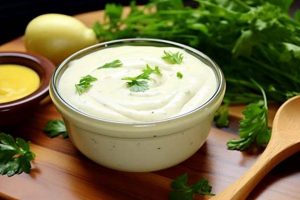
Creamy ranch dressing serves as the foundational element of a ranch pasta salad, defining its characteristic flavor profile and influencing its overall texture and consistency. The dressing’s quality and composition significantly impact the final dish, affecting how it coats the pasta, binds with other ingredients, and contributes to the overall sensory experience. Understanding the role of ranch dressing within this culinary context is crucial for achieving a balanced and flavorful salad.
- Flavor Profile:
The distinctive flavor of ranch dressing, derived from a blend of buttermilk, herbs, and spices, provides the dominant taste in the salad. The balance of tanginess, creaminess, and herbaceous notes creates a complex flavor profile that complements a wide range of ingredients. A high-quality ranch dressing, whether store-bought or homemade, elevates the overall taste experience. For example, the subtle tang of buttermilk balances the richness of mayonnaise, while the inclusion of herbs like dill, chives, and parsley adds a fresh, aromatic dimension. This balanced flavor profile allows the ranch dressing to harmonize with various vegetables and protein additions in the salad.
- Texture and Consistency:
The creamy texture of ranch dressing is essential for coating the pasta and binding the other ingredients together. A dressing that is too thin will not adhere properly, resulting in a watery salad, while a dressing that is too thick can overwhelm the other flavors and create a heavy, unappetizing texture. The ideal consistency allows the dressing to cling lightly to the pasta, ensuring even flavor distribution and a pleasant mouthfeel. Achieving the right balance is crucial for a successful ranch pasta salad. For instance, a dressing that is too thick might mask the flavors of the fresh vegetables, while a dressing that is too thin will fail to create a cohesive dish, leaving the ingredients disjointed and lacking in overall flavor.
- Ingredient Compatibility:
Ranch dressing’s versatility makes it compatible with a wide array of ingredients commonly found in pasta salads. Its creamy base complements both raw and cooked vegetables, as well as various protein additions like chicken, bacon, or hard-boiled eggs. This adaptability allows for extensive customization based on personal preferences and dietary needs. For example, the cool creaminess of the dressing balances the sharpness of raw onions and the acidity of tomatoes, while its richness complements the savory flavors of cooked chicken or bacon. This versatility is a key factor in the popularity of ranch pasta salad as a customizable and adaptable dish.
- Quality and Freshness:
The quality of the ranch dressing directly impacts the overall flavor and freshness of the salad. Using fresh, high-quality ingredients, whether in a homemade dressing or selecting a premium store-bought option, contributes significantly to the final outcome. Expired or low-quality dressing can negatively affect both the taste and the safety of the dish. For example, using fresh buttermilk and herbs in a homemade dressing enhances the brightness and vibrancy of the flavors, while opting for a reputable brand of store-bought dressing ensures a consistent and reliable flavor profile. Prioritizing quality in this key ingredient is essential for a successful and enjoyable ranch pasta salad.
The interplay of these facetsflavor profile, texture and consistency, ingredient compatibility, and qualitydetermines the success of ranch dressing as the defining element in a ranch pasta salad. Careful consideration of each aspect ensures a harmonious blend of flavors, textures, and aromas, resulting in a dish that is both satisfying and refreshing. The choice of ranch dressing ultimately shapes the overall culinary experience, highlighting its central role in this popular and versatile dish.
4. Flavorful additions
Flavorful additions elevate a basic ranch pasta salad recipe from simple to exceptional. These additions introduce complexity and depth, enhancing the overall sensory experience by building upon the foundational flavors of pasta and ranch dressing. Strategic incorporation of flavorful elements allows for customization, catering to individual preferences and dietary needs. The following facets explore how these additions contribute to a more nuanced and satisfying dish.
- Protein Enrichment
Incorporating protein transforms the salad into a more substantial and satisfying meal. Options like grilled chicken, diced ham, crispy bacon, or hard-boiled eggs not only enhance the nutritional profile but also introduce textural variety and savory depth. Grilled chicken provides a lean protein source, while bacon adds a smoky, salty element. Hard-boiled eggs contribute a creamy texture and subtle richness. The choice of protein influences the overall flavor profile and complements the ranch dressing in distinct ways.
- Textural Contrasts
Flavorful additions can introduce textural contrasts that create a more dynamic and engaging eating experience. Crispy elements like chopped nuts, croutons, or crumbled tortilla chips provide a satisfying crunch, while additions like black olives or sundried tomatoes offer a chewy texture. These contrasting textures juxtapose the smoothness of the pasta and the creaminess of the dressing, enhancing the overall sensory perception of the dish.
- Aromatic Herbs and Spices
Fresh herbs and spices elevate the flavor profile beyond the standard ranch flavor, adding depth and complexity. Freshly chopped dill, chives, or parsley introduce bright, herbaceous notes, while a dash of black pepper or garlic powder adds a subtle warmth and spice. These aromatic additions complement the existing flavors of the ranch dressing, creating a more nuanced and balanced taste experience.
- Cheese Enhancements
Cheese contributes both flavor and texture to the salad. Crumbled feta adds a salty, tangy element, while shredded cheddar provides a smooth, creamy richness. Sharp cheeses like provolone or parmesan introduce a more pungent and complex flavor profile. The choice of cheese significantly impacts the overall taste experience, complementing the ranch dressing and other ingredients in unique ways.
By strategically incorporating these flavorful additions, a ranch pasta salad transforms from a basic side dish to a more complex and satisfying culinary creation. These elements contribute not only to flavor enhancement but also to textural variety and nutritional value, demonstrating the significant role of flavorful additions in elevating the overall dining experience. Consideration of these facets allows for customization, creating a salad tailored to individual preferences and culinary goals.
5. Proper Chilling
Proper chilling is integral to the success of a ranch pasta salad recipe, impacting both food safety and sensory experience. Chilling allows the flavors of the various componentspasta, vegetables, dressing, and additionsto meld and mature, resulting in a more cohesive and balanced flavor profile. Furthermore, adequate chilling inhibits bacterial growth, ensuring the safety of the dish, particularly crucial for salads containing mayonnaise-based dressings, known to support bacterial proliferation at room temperature. A minimum chilling time of two hours is recommended, allowing sufficient time for flavor development and temperature reduction to safe levels. For example, a freshly made salad may taste disjointed, with the individual flavors of the ingredients pronounced rather than harmonized. After proper chilling, the flavors meld, creating a unified and more complex taste experience. Neglecting this step compromises both the flavor and the safety of the dish.
Beyond flavor development and food safety, chilling affects the texture and structural integrity of the salad components. Chilling firms the pasta, preventing it from becoming mushy, and maintains the crispness of fresh vegetables. This is particularly noticeable with vegetables prone to wilting at room temperature, such as lettuce or spinach. Proper chilling preserves their desirable texture, contributing to a more enjoyable culinary experience. For instance, adding chopped cucumbers immediately before serving, rather than incorporating them before chilling, can prevent them from becoming overly soft and watery, maintaining their crispness and refreshing quality. This attention to detail enhances the overall textural appeal of the salad.
In conclusion, proper chilling is not merely a final step but a critical component of a successful ranch pasta salad recipe. It enhances flavor development, ensures food safety by inhibiting bacterial growth, and preserves the desired texture of the ingredients. Understanding and implementing proper chilling techniques contributes significantly to a more satisfying and safe culinary experience, highlighting its essential role in preparing this popular dish. Failing to appreciate this aspect can compromise both the sensory appeal and the safety of the final product, underscoring the practical significance of proper chilling within the broader context of ranch pasta salad preparation.
Frequently Asked Questions
This section addresses common inquiries regarding the preparation and enjoyment of this dish, offering practical guidance and clarifying potential uncertainties.
Question 1: What is the ideal pasta shape for this dish?
Short, sturdy pasta shapes like rotini, farfalle, and penne are recommended. These shapes hold the dressing well and offer textural variety.
Question 2: Can this dish be prepared in advance?
Advance preparation is possible and often beneficial. Chilling for at least two hours allows flavors to meld. Add delicate ingredients like tomatoes shortly before serving to maintain texture.
Question 3: How can one prevent the pasta from becoming mushy?
Cooking the pasta al dente and rinsing it under cold water after cooking helps maintain firmness. Avoid overdressing the salad, as excess dressing can contribute to a mushy texture.
Question 4: What are suitable protein additions for this recipe?
Cooked chicken, bacon, ham, and hard-boiled eggs are popular choices. Ensure proteins are cooked thoroughly and cooled before adding to the salad.
Question 5: How can one adjust the dressing’s consistency?
Additional buttermilk thins the dressing, while extra mayonnaise thickens it. Adjust according to preference and ingredient compatibility.
Question 6: How should this dish be stored?
Store leftovers in an airtight container in the refrigerator for up to three days. Consume within this timeframe for optimal quality and food safety.
Understanding these key aspects contributes to successful preparation and enjoyment. Careful consideration of these points ensures a satisfying culinary experience.
The following section will offer variations and adaptations for customizing this versatile dish.
Ranch Pasta Salad Recipe
Exploration of the elements contributing to a successful ranch pasta salad recipe reveals the importance of ingredient selection, preparation techniques, and flavor balancing. From pasta shape and vegetable choices to dressing consistency and chilling time, each aspect plays a crucial role in the final outcome. Careful consideration of these factors ensures a dish that is not only visually appealing but also texturally and flavorfully satisfying. Understanding the interplay of these elements allows for customization and adaptation, creating a versatile dish suitable for various occasions and palates.
The enduring popularity of ranch pasta salad underscores its adaptability and inherent appeal. Further experimentation with ingredient combinations and flavor profiles offers continued potential for culinary innovation within this classic framework. Emphasis on fresh, high-quality ingredients and proper food safety practices ensures a consistently enjoyable and safe dining experience. Ultimately, achieving a well-balanced and flavorful ranch pasta salad hinges on a comprehensive understanding of these fundamental principles.