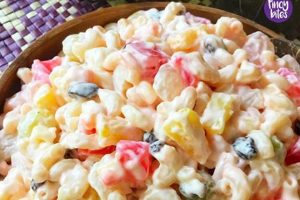
A dish featuring hulled barley as its central ingredient, combined with various complementary components, typically including vegetables, herbs, and a flavorful dressing. A classic example incorporates cooked, chilled barley, chopped cucumbers, tomatoes, red onion, parsley, and a lemon vinaigrette.
Such dishes offer a nutritious and versatile meal option. Barley provides a good source of fiber, contributing to digestive health and promoting satiety. The adaptability of this grain allows for diverse flavor profiles, incorporating fresh seasonal produce and a wide range of dressings, from light and tangy to creamy and rich. Historically, barley has been a staple grain in numerous cultures, valued for its resilience and nutritional value, leading to a diverse array of traditional preparations across the globe.
The following sections will delve into specific ingredient combinations, preparation methods, and nutritional information for creating delicious and wholesome barley-based salads.
Tips for Creating Delicious Barley Salads
Achieving optimal flavor and texture in a barley salad involves careful consideration of ingredient selection and preparation techniques.
Tip 1: Cook Barley Properly: Barley should be cooked until tender but still slightly chewy, avoiding overcooking which can result in a mushy texture. Rinsing the cooked barley under cold water after draining helps stop the cooking process and yields a firmer, more desirable texture for salads.
Tip 2: Embrace Seasonal Ingredients: Utilizing fresh, seasonal produce enhances both the flavor and nutritional value. Consider incorporating ingredients like spring asparagus, summer tomatoes, autumn squash, or winter citrus fruits.
Tip 3: Balance Flavors and Textures: A successful barley salad offers a balance of flavors and textures. Combine the chewy barley with crisp vegetables, creamy cheeses, crunchy nuts, or dried fruits for a more complex and satisfying dish.
Tip 4: Dress Strategically: The dressing should complement the other ingredients without overpowering them. A light vinaigrette often works well, but creamy dressings can also be used, depending on the other components of the salad. Adding the dressing shortly before serving prevents the salad from becoming soggy.
Tip 5: Enhance with Herbs and Spices: Fresh herbs and spices contribute significantly to the overall flavor profile. Parsley, mint, dill, chives, and cilantro are excellent choices. Spices such as cumin, coriander, and smoked paprika can add depth and complexity.
Tip 6: Consider Toasting the Barley: Toasting barley grains in a dry pan before cooking adds a nutty aroma and enhances their flavor. This step adds a subtle layer of complexity to the finished salad.
Tip 7: Don’t Overcrowd the Salad: Allow the barley to be a prominent component of the salad. Avoid adding too many ingredients, which can dilute the flavor and make the salad less enjoyable.
By following these tips, one can consistently create flavorful and satisfying barley salads that showcase the versatility and nutritional benefits of this ancient grain.
The following section will offer several variations and recipes to inspire culinary exploration of barley salads.
1. Barley Type (Hulled, Pearled)

Barley type significantly influences the final texture and nutritional profile of a barley salad. Hulled barley, retaining only the outermost hull, offers a chewier texture and higher fiber content. This characteristic makes it ideal for salads seeking a robust, grain-forward presence. Its longer cooking time, however, requires advanced planning. Pearled barley, with the bran and some of the germ removed, cooks more quickly and results in a softer, less chewy texture. While convenient, this processing reduces its fiber content. Choosing between hulled and pearled barley depends on the desired texture and nutritional goals of the specific recipe. For example, a Mediterranean-inspired salad featuring vibrant vegetables might benefit from the heartier texture of hulled barley, while a lighter, summer salad might employ pearled barley for its quicker cooking time and softer texture.
The choice between hulled and pearled barley extends beyond texture and nutritional value. Hulled barley absorbs more liquid during cooking, impacting the overall moisture content of the salad. This characteristic necessitates careful adjustment of dressing quantity. Pearled barley, absorbing less liquid, requires less adjustment and offers a more predictable final product. Recipes featuring strongly flavored dressings or delicate vegetables might benefit from pearled barley’s milder flavor, allowing other components to shine. Conversely, robust salads with hearty vegetables and assertive dressings can accommodate hulled barley’s stronger flavor and chewier texture. Understanding these nuances allows for informed decisions in crafting a well-balanced and flavorful salad.
Selecting the appropriate barley type is crucial for optimizing a barley salad recipe. Hulled barley’s higher fiber and chewier texture contrast with pearled barley’s softer texture and quicker cooking time. Considering the desired outcometexture, flavor profile, and nutritional contentguides the selection process, ensuring a successful and satisfying culinary experience. Further exploration of barley varieties and their culinary applications can enhance appreciation for this versatile grain.
2. Complementary Ingredients
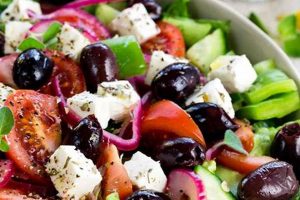
Complementary ingredients are essential to a successful barley salad recipe, transforming a simple grain base into a complex and flavorful dish. These additions provide textural contrast, introduce diverse flavor profiles, and enhance nutritional value. The selection of complementary ingredients directly influences the overall character of the salad, determining whether it leans towards light and refreshing or hearty and substantial. For instance, a Mediterranean-inspired barley salad might incorporate cucumbers, tomatoes, feta cheese, and olives, while a more autumnal version could include roasted butternut squash, dried cranberries, and toasted pecans. The interplay of these ingredients with the nutty barley creates a balanced and satisfying culinary experience.
The effectiveness of complementary ingredients hinges on careful consideration of flavor pairings and textural combinations. Ingredients should harmonize rather than clash, creating a synergistic blend of tastes and textures. The chewiness of barley provides a foundation for contrasting elements, such as the crispness of fresh vegetables, the creaminess of avocado or cheese, or the crunch of nuts and seeds. Consideration must also be given to the intensity of flavors. Stronger flavors, like pungent cheeses or pickled vegetables, should be used judiciously to avoid overpowering the subtle nuttiness of the barley. Conversely, milder ingredients can be enhanced with bolder dressings or herbs. Practical application of these principles allows for the creation of diverse and flavorful salads tailored to specific tastes and dietary preferences.
Successful integration of complementary ingredients elevates barley salad from a simple grain dish to a sophisticated and versatile culinary creation. Understanding the interplay of flavors, textures, and nutritional values allows for strategic ingredient selection, transforming a basic recipe into a personalized and satisfying meal. Challenges may arise in balancing flavor profiles and achieving desired textural contrasts, but careful planning and experimentation yield rewarding results. This principle of balanced composition extends beyond barley salads, informing culinary practices across a wide range of dishes and cuisines.
3. Flavorful Dressings

Flavorful dressings are integral to a successful barley salad recipe, acting as a unifying element that binds the diverse ingredients and enhances their individual characteristics. The dressing contributes not only flavor but also texture and moisture, transforming the salad from a simple assembly of components into a cohesive and satisfying dish. A well-chosen dressing elevates the inherent nuttiness of barley and complements the other ingredients, creating a balanced and harmonious flavor profile. The following facets explore the key considerations in selecting and creating a dressing that perfectly complements a barley salad.
- Acidity
Acidity plays a crucial role in balancing the flavors of a barley salad. A touch of tartness, whether from lemon juice, vinegar, or other acidic ingredients, brightens the dish and cuts through the richness of other components, such as creamy cheeses or nuts. For example, a lemon-herb vinaigrette provides a refreshing counterpoint to the earthiness of barley and the sweetness of roasted vegetables. The level of acidity should be carefully calibrated to complement, not overpower, the other flavors in the salad.
- Oil
Oil provides richness and mouthfeel to the dressing, contributing to the overall texture of the barley salad. Different oils offer distinct flavor profiles, from the subtle nuttiness of almond oil to the robust fruitiness of olive oil. The choice of oil should align with the other ingredients in the salad. For example, a light and delicate salad featuring fresh herbs might benefit from a subtle grapeseed oil, while a more robust salad with roasted vegetables could pair well with a more assertive extra virgin olive oil.
- Seasoning
Seasoning enhances the overall flavor profile of the dressing and the salad as a whole. Salt and pepper are fundamental, but other seasonings, such as herbs, spices, and garlic, can add depth and complexity. Freshly chopped herbs like parsley, mint, or dill provide brightness and freshness, while spices like cumin or coriander can add warmth and earthiness. The choice of seasoning should complement the other ingredients and create a balanced flavor profile. For instance, a Mediterranean-inspired barley salad might incorporate oregano and feta, while an Asian-inspired version could include ginger and soy sauce.
- Emulsification
Emulsification, the process of combining oil and an acidic liquid into a stable mixture, influences the texture and consistency of the dressing. A well-emulsified dressing coats the barley and other ingredients evenly, ensuring that every bite is infused with flavor. Achieving a stable emulsion often involves whisking the ingredients vigorously or using an emulsifying agent, such as mustard or honey. The desired level of emulsification depends on the overall style of the salad. A light and vinaigrette might have a looser emulsion, while a creamy dressing would require a more stable, thicker emulsion.
By carefully considering these facets of flavorful dressings, one can create a barley salad that is not only nutritious and satisfying but also a delightful culinary experience. The interplay of acidity, oil, seasoning, and emulsification determines the final character of the dressing and its impact on the overall composition of the salad. Experimentation with different flavor combinations and textures allows for the creation of unique and personalized barley salad recipes.
4. Preparation Techniques

Preparation techniques significantly influence the final outcome of a barley salad recipe. Proper execution of these techniques optimizes the texture and flavor of the barley, ensuring a balanced and enjoyable culinary experience. From the initial cooking of the barley to the final assembly of the salad, each step plays a crucial role in achieving the desired result. The following facets explore key preparation techniques that contribute to a successful barley salad.
- Cooking the Barley
Properly cooked barley provides the foundation for a successful salad. Whether using hulled or pearled barley, achieving the desired texturetender yet slightly chewyis essential. Overcooked barley results in a mushy texture, while undercooked barley remains unpleasantly firm. The cooking time varies depending on the type of barley, so following package instructions is crucial. Rinsing the cooked barley under cold water after draining stops the cooking process and helps maintain a firm texture, particularly important for salads.
- Toasting the Barley (Optional)
Toasting barley grains in a dry pan before cooking adds a deeper, nuttier flavor and enhances their aroma. This optional step adds complexity to the salad, particularly when paired with roasted vegetables or nuts. The barley should be toasted over medium heat, stirring frequently, until fragrant and lightly golden. This technique adds a subtle layer of flavor that elevates the overall culinary experience.
- Combining Ingredients
The timing of ingredient incorporation influences the final texture and flavor of the salad. Delicate ingredients, such as fresh herbs or leafy greens, should be added just before serving to prevent wilting or sogginess. Heartier vegetables, like roasted root vegetables, can be added earlier. Understanding the characteristics of each ingredient allows for strategic layering of flavors and textures, optimizing the overall composition of the salad.
- Dressing the Salad
The timing of dressing application is critical for maintaining the desired texture of the salad. Adding the dressing too early can lead to a soggy salad, particularly if using delicate greens or vegetables. Dressing the salad shortly before serving prevents this issue and ensures that the ingredients retain their crispness and freshness. For make-ahead salads, store the dressing separately and toss it with the salad just before serving.
Mastery of these preparation techniques ensures a barley salad that is not only flavorful and nutritious but also texturally appealing. Careful attention to each step, from cooking the barley to combining the ingredients and applying the dressing, optimizes the final outcome. These seemingly minor details contribute significantly to the overall culinary experience, transforming a simple barley salad into a sophisticated and satisfying dish.
5. Nutritional Value
Nutritional value represents a significant aspect of barley salad recipes, contributing to their appeal as a wholesome and satisfying meal option. Understanding the nutritional composition of barley and its interplay with other salad ingredients allows for informed choices that maximize health benefits without compromising flavor. The following facets explore key nutritional components within the context of barley salads.
- Fiber Content
Barley, particularly the hulled variety, provides a substantial source of dietary fiber. Fiber promotes digestive health, aids in regulating blood sugar levels, and contributes to satiety, reducing the likelihood of overeating. In a barley salad, the fiber content is further enhanced by the inclusion of vegetables, fruits, and other fiber-rich ingredients. This combination creates a nutrient-dense meal that supports overall well-being.
- Protein Source
While not a complete protein, barley contributes a moderate amount of protein to the diet. Protein is essential for building and repairing tissues, supporting immune function, and maintaining healthy hair and nails. Combining barley with other protein sources in a salad, such as legumes, nuts, seeds, or cheese, enhances the overall protein content and creates a more balanced meal. This combination is particularly beneficial for vegetarians and vegans seeking plant-based protein options.
- Micronutrients
Barley offers a range of essential micronutrients, including vitamins and minerals like selenium, manganese, and niacin. These micronutrients play vital roles in various bodily functions, supporting metabolism, energy production, and antioxidant defense. The diverse array of vegetables and other ingredients commonly included in barley salads further contributes to micronutrient intake, creating a meal rich in essential vitamins and minerals.
- Glycemic Index
Barley has a relatively low glycemic index (GI), meaning it releases sugar into the bloodstream more slowly than high-GI foods. This characteristic helps regulate blood sugar levels and prevent energy crashes. Incorporating barley into a salad, along with other low-GI foods like non-starchy vegetables, creates a meal that supports stable blood sugar control and sustained energy levels.
The nutritional value of a barley salad extends beyond the individual contributions of its components. The synergistic combination of barley, vegetables, healthy fats, and other ingredients creates a nutrient-dense and satisfying meal that supports overall health and well-being. By understanding the nutritional profile of barley and its interaction with other salad ingredients, individuals can make informed choices that maximize the health benefits of this versatile and delicious dish.
Frequently Asked Questions
This section addresses common inquiries regarding barley salad recipes, offering practical guidance for optimal preparation and enjoyment.
Question 1: What type of barley is best suited for salads?
Hulled barley offers a chewier texture and higher fiber content, while pearled barley cooks faster and has a softer texture. The choice depends on individual preferences and desired salad characteristics.
Question 2: Can barley be cooked in advance for salad preparation?
Yes, cooked barley can be refrigerated for several days, making it a convenient option for meal prepping. Ensure thorough cooling and proper storage in an airtight container.
Question 3: How can sogginess be prevented in a barley salad?
Add dressings shortly before serving to prevent the salad from becoming soggy. Storing the dressing separately and combining it just before consumption is recommended for make-ahead salads.
Question 4: What are suitable flavor pairings for barley salads?
Barley’s nutty flavor complements a wide range of ingredients, including fresh vegetables, herbs, dried fruits, nuts, and cheeses. Mediterranean, Asian, and Middle Eastern flavor profiles often pair well with barley.
Question 5: How can the nutritional value of a barley salad be maximized?
Incorporating a variety of colorful vegetables, lean protein sources, and healthy fats, such as avocado or nuts, enhances the nutritional profile of a barley salad.
Question 6: Can barley salads be adapted for specific dietary restrictions?
Barley salads are highly adaptable and can be modified to accommodate various dietary needs. Gluten-free variations can be achieved by substituting barley with quinoa or other gluten-free grains. Vegan options exclude animal products and utilize plant-based proteins and dressings.
Understanding these common inquiries enables informed decision-making in crafting personalized and satisfying barley salads tailored to individual preferences and dietary needs.
For further culinary inspiration, the subsequent section will showcase a collection of diverse barley salad recipes.
Conclusion
Exploration of the elements comprising a successful barley salad recipe reveals the interplay of several key factors. Careful selection of barley type, complementary ingredients, and flavorful dressings contributes significantly to the final product. Proper execution of preparation techniques, from cooking the barley to combining ingredients and applying the dressing, optimizes both texture and flavor. Nutritional considerations underscore the health benefits of incorporating barley salads into a balanced diet.
Culinary experimentation with diverse flavor combinations and ingredient pairings unlocks the full potential of barley as a versatile and nutritious grain. Further exploration promises a rewarding culinary journey, enriching appreciation for this adaptable ingredient and its capacity to elevate simple salads into flavorful and wholesome meals.