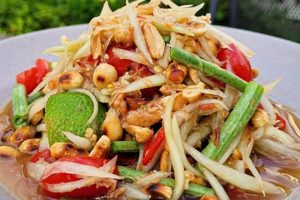
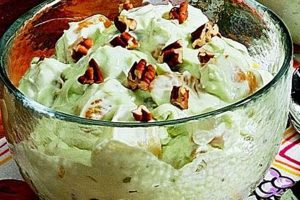
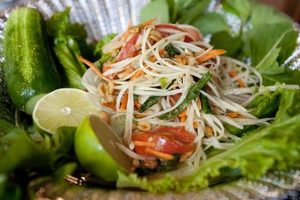
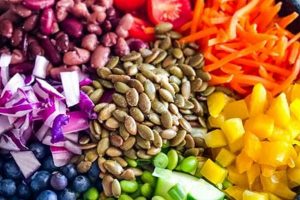
Salads from Poland represent a vibrant culinary tradition, incorporating seasonal ingredients and often featuring distinctive elements like pickled vegetables, root vegetables, cured meats, and creamy dressings. Examples include surwka z marchewki (carrot salad), saatka jarzynowa (vegetable salad), and ledzie (herring salad). These dishes showcase a balance of flavors and textures, ranging from sweet and sour to savory and earthy.
These salads offer not only a refreshing and flavorful complement to main courses but also a valuable source of nutrients. The use of seasonal produce ensures freshness and maximizes flavor, while pickled elements contribute beneficial probiotics. Rooted in Polish history and often associated with festive occasions, these dishes offer a taste of cultural heritage and contribute to a balanced and wholesome diet.
This exploration will delve into the diversity of Polish salads, examining specific recipes, regional variations, and the cultural context surrounding their preparation and enjoyment. From everyday meals to celebratory feasts, the role of these salads in Polish cuisine will be thoroughly examined.
Tips for Preparing Authentic Polish Salads
Achieving authentic flavors in Polish salads requires attention to detail and an understanding of traditional techniques. The following tips offer guidance for crafting delicious and culturally resonant dishes.
Tip 1: Embrace Seasonal Ingredients: Flavor is paramount. Utilizing produce at its peak ripeness ensures optimal taste and texture. Farmers’ markets offer excellent sources for seasonal vegetables and herbs.
Tip 2: Master the Art of Pickling: Pickled vegetables are a cornerstone of many Polish salads. Experimenting with different brines and pickling techniques allows for customized flavors and textures.
Tip 3: Explore the Nuances of Dressing: Creamy dressings based on mayonnaise, sour cream, or yogurt are common. Balance sweetness, acidity, and savoriness for a well-rounded flavor profile.
Tip 4: Don’t Shy Away from Root Vegetables: Beets, carrots, potatoes, and other root vegetables provide earthy flavors and satisfying textures. Roasting or boiling before incorporating into salads can enhance their sweetness.
Tip 5: Incorporate Cured Meats Thoughtfully:Kiebasa and other cured meats add a savory dimension. Dice or slice thinly for even distribution and balanced flavor.
Tip 6: Balance Textures: Consider a variety of textures within the salad. Crisp vegetables, creamy dressings, and perhaps crunchy nuts or seeds create a more engaging culinary experience.
Tip 7: Respect Tradition, Encourage Innovation: While adhering to traditional methods offers a genuine experience, don’t hesitate to experiment with variations and personal touches.
By following these tips, one can create Polish salads that are not only delicious but also reflect the rich culinary heritage of Poland. Attention to detail, quality ingredients, and a respect for tradition yield exceptional results.
From understanding the importance of seasonal produce to mastering the art of pickling, these insights provide a foundation for exploring the diverse world of Polish salads further.
1. Fresh, Seasonal Ingredients

The emphasis on fresh, seasonal ingredients is a defining characteristic of Polish salad recipes. This focus not only maximizes flavor and nutritional value but also reflects a deep connection to the agricultural rhythms of the country. Understanding this connection is key to appreciating the nuances of Polish cuisine.
- Availability and Flavor
Seasonal availability dictates ingredient selection. Summer salads burst with vibrant tomatoes, cucumbers, and dill, while autumn recipes showcase root vegetables like beets, carrots, and celeriac. This reliance on in-season produce results in salads that capture the peak flavors of each time of year.
- Regional Variations
Poland’s diverse agricultural regions contribute to variations in salad recipes. Coastal areas might feature fresh seafood, while mountainous regions utilize wild mushrooms and foraged herbs. This regional diversity further enriches the tapestry of Polish salad traditions.
- Preservation Techniques
While fresh ingredients are paramount, preservation techniques like pickling and fermenting extend the enjoyment of seasonal flavors throughout the year. Pickled cucumbers, sauerkraut, and preserved mushrooms add complexity and depth to salads, even during colder months.
- Cultural Significance
The use of fresh, seasonal ingredients reflects a cultural appreciation for nature’s bounty. Traditional Polish cuisine emphasizes resourcefulness and respects the natural cycles of growth and harvest. Salads, therefore, become a celebration of these values.
The emphasis on fresh, seasonal produce elevates Polish salads beyond mere side dishes. They embody a culinary philosophy deeply intertwined with the land, seasons, and cultural heritage. By utilizing ingredients at their peak, Polish salads offer a taste of both tradition and the ever-changing landscape of the Polish countryside.
2. Pickling and Preserving Traditions
Pickling and preserving traditions play a pivotal role in shaping the distinctive character of Polish salad recipes. These techniques, developed over centuries, not only extend the availability of seasonal produce but also impart unique flavors and textures that are integral to many classic Polish salads. The interplay of preservation methods and fresh ingredients creates a dynamic balance of flavors and textures.
Pickled cucumbers, a staple in Polish cuisine, exemplify this connection. Ogrki kiszone, fermented cucumbers with a distinctly sour and tangy flavor, contribute a refreshing counterpoint to richer ingredients in salads like saatka jarzynowa (vegetable salad). Similarly, sauerkraut, fermented cabbage, adds a complex, slightly acidic element to salads, enhancing their overall flavor profile. Beyond cucumbers and cabbage, other vegetables, including beets, carrots, and mushrooms, are also commonly pickled and incorporated into salads, contributing a diverse range of flavors and textures. The practice of pickling extends beyond vegetables to include fruits and even some meats, further expanding the potential for culinary creativity within Polish salad recipes.
This deep-rooted tradition of pickling and preserving allows for year-round enjoyment of seasonal flavors, ensuring that even during winter months, a vibrant and flavorful salad can grace the table. These techniques, passed down through generations, represent not only a practical solution for food preservation but also a vital component of Polish culinary heritage, deeply intertwined with the cultural identity of the nation. Understanding the significance of pickling and preserving provides essential context for appreciating the complexity and depth of flavor characteristic of Polish salads.
3. Creamy, Flavorful Dressings
Creamy, flavorful dressings constitute a cornerstone of many Polish salad recipes, contributing significantly to their distinctive character. These dressings, often based on mayonnaise, sour cream, or yogurt, serve not merely as a binding agent but as an integral component of the flavor profile. Their richness complements the often tart or acidic notes from pickled vegetables or the earthy flavors of root vegetables, creating a balanced and harmonious culinary experience. For example, in saatka jarzynowa (vegetable salad), a mayonnaise-based dressing binds the diverse ingredients, including potatoes, carrots, pickles, and peas, creating a cohesive and flavorful whole. Similarly, in ledzie (herring salad), a creamy dressing based on sour cream or mayonnaise tempers the saltiness of the herring and complements the other elements, such as onions and apples.
The specific composition of these dressings can vary considerably, reflecting regional preferences and individual tastes. Some dressings incorporate herbs like dill or parsley for added freshness, while others might include mustard or horseradish for a touch of piquancy. The consistency also ranges from thick and creamy to lighter and more vinaigrette-like. This adaptability allows for a wide range of flavor combinations and textures within Polish salads, contributing to their versatility. Understanding the role of these dressings is crucial for appreciating the nuances of Polish cuisine and for successfully recreating authentic flavors at home.
The interplay between creamy dressings and the other components of Polish salads underscores the importance of balance in Polish culinary traditions. The richness of the dressings provides a counterpoint to the other flavors present, preventing any single element from dominating. This careful balancing act results in salads that are both satisfying and refreshing, showcasing the complexity and depth of Polish culinary heritage. Furthermore, the adaptability of these dressings highlights the dynamic nature of Polish cuisine, demonstrating a willingness to embrace both tradition and innovation.
4. Hearty Root Vegetables

Hearty root vegetables constitute a fundamental element in numerous Polish salad recipes, contributing substantially to their texture, flavor, and nutritional value. These vegetables, including beets, carrots, potatoes, parsnips, and celeriac, offer a robust earthiness and a satisfying density, complementing the brighter, often acidic notes of pickled vegetables or the freshness of seasonal greens. Their presence provides a grounding element, anchoring the salad and offering a textural counterpoint to other ingredients. For instance, in saatka jarzynowa (vegetable salad), cooked potatoes and carrots provide a substantial base, while pickled cucumbers and peas offer contrasting tartness and sweetness. Similarly, grated beets contribute both color and a subtle sweetness to salads like buraczki (beetroot salad). The inclusion of these vegetables also reflects a practical aspect of Polish culinary tradition, utilizing readily available and affordable ingredients to create satisfying and nutritious meals. This resourcefulness is a key characteristic of Polish cuisine, demonstrating an ability to transform humble ingredients into flavorful and nourishing dishes.
The preparation of root vegetables for Polish salads varies depending on the specific recipe and the desired outcome. Some recipes call for boiling or roasting the vegetables to soften their texture and enhance their sweetness, while others utilize them raw and grated for a crisper texture and a more pronounced earthy flavor. This versatility allows for a wide range of textures and flavors within Polish salads, contributing to their complexity and appeal. The choice of preparation method also affects the nutritional profile of the salad, with raw vegetables retaining more vitamins and minerals, while cooked vegetables offer increased digestibility and bioavailability of certain nutrients. Understanding these nuances allows for greater control over the final product, both in terms of flavor and nutritional value. For example, roasted beets offer a caramelized sweetness that complements the tanginess of a vinaigrette dressing, while raw grated carrots provide a refreshing crunch alongside pickled cabbage.
The incorporation of hearty root vegetables into Polish salads offers not only culinary but also cultural significance. These vegetables represent a connection to the land and the agricultural traditions of Poland. Their prevalence in Polish cuisine reflects a resourcefulness and a respect for the natural world, highlighting the importance of utilizing locally available ingredients. Furthermore, the variety of root vegetables used and the diverse ways in which they are prepared showcase the adaptability and creativity of Polish culinary traditions. This understanding of the role of root vegetables deepens appreciation for the complexity and depth of flavor found in Polish salads and connects the culinary experience to the broader cultural context.
5. Regional Variations

Regional variations within Poland contribute significantly to the diversity of Polish salad recipes. Geographic location, local produce availability, and distinct culinary traditions shape the character of these salads, resulting in a rich tapestry of flavors and textures across the country. Coastal regions, for example, often feature seafood in their salads, reflecting the proximity to the Baltic Sea. ledzie (herring salad), a popular dish in these areas, incorporates pickled or marinated herring, onions, and sometimes apples or potatoes, showcasing the region’s reliance on seafood. In contrast, mountainous regions, with their access to forests and meadows, utilize ingredients like wild mushrooms and foraged herbs, creating salads with earthy and aromatic profiles. These regional adaptations reflect not only the availability of specific ingredients but also the ingenuity and resourcefulness of Polish cooks in utilizing local resources.
The influence of regional variations extends beyond ingredient selection to encompass preparation methods and flavor profiles. In southern Poland, for instance, salads often incorporate smoked meats and cheeses, reflecting the region’s strong charcuterie traditions. These additions impart smoky and savory notes, creating a distinctly different flavor profile compared to salads from other regions. Similarly, the use of specific herbs and spices can vary regionally. Dill, a staple in many Polish salads, might be more prevalent in northern Poland, while marjoram or caraway seeds might be favored in other regions. These subtle variations in seasoning contribute to the unique character of each regional salad, showcasing the depth and complexity of Polish culinary heritage.
Understanding these regional variations offers valuable insight into the evolution and adaptation of Polish culinary traditions. The diversity of Polish salads reflects the country’s varied landscape and the ingenuity of its people in utilizing locally available ingredients. Recognizing these regional nuances provides a deeper appreciation for the multifaceted nature of Polish cuisine and allows for a more nuanced understanding of the relationship between food, culture, and geography. Exploring regional variations also expands the culinary repertoire, offering a wider range of flavors and textures beyond the more commonly known Polish salad recipes. This exploration allows for a more comprehensive understanding of the rich culinary heritage of Poland and demonstrates the importance of regional influences in shaping culinary traditions.
Frequently Asked Questions about Polish Salads
This section addresses common inquiries regarding Polish salads, providing concise and informative responses to clarify potential uncertainties and enhance understanding of these culinary traditions.
Question 1: What distinguishes Polish salads from salads of other cuisines?
Polish salads often incorporate pickled vegetables, root vegetables, and creamy dressings, distinguishing them from salads emphasizing leafy greens or vinaigrette-based dressings common in other culinary traditions.
Question 2: Are Polish salads served as a main course or a side dish?
While typically served as accompaniments to main courses, more substantial Polish salads, such as ledzie (herring salad), can function as a light meal.
Question 3: Where can authentic Polish salad recipes be found?
Authentic recipes can be found in Polish cookbooks, reputable online culinary resources specializing in Polish cuisine, and often through family recipes passed down through generations.
Question 4: What are some key ingredients to have on hand for preparing Polish salads?
Essential ingredients include root vegetables (potatoes, carrots, beets), pickled vegetables (cucumbers, cabbage), mayonnaise, sour cream, and fresh herbs such as dill and parsley.
Question 5: How important is the use of seasonal ingredients in Polish salads?
Seasonality is paramount. Utilizing fresh, locally sourced produce when in season maximizes flavor and aligns with traditional Polish culinary practices. Preservation techniques, such as pickling, allow for enjoyment of certain vegetables year-round.
Question 6: Are there vegetarian or vegan adaptations of traditional Polish salads?
Many Polish salads are naturally vegetarian. Vegan adaptations can be created by substituting plant-based mayonnaise and omitting or replacing ingredients like sour cream with vegan alternatives.
This FAQ section offers foundational knowledge for further exploration of Polish salads. Understanding these fundamental aspects allows for greater appreciation of the diverse flavors, textures, and cultural significance embedded within these culinary traditions.
Further exploration might delve into specific regional variations, detailed recipe instructions, or the historical context surrounding these dishes within Polish culinary heritage.
Conclusion
This exploration of Polish salad recipes has revealed a culinary tradition deeply rooted in seasonal ingredients, preserving techniques, and a balance of flavors and textures. From the ubiquitous surwka to the celebratory ledzie, these salads showcase the resourcefulness and adaptability of Polish cuisine. The emphasis on fresh, seasonal produce, coupled with the artful use of pickled vegetables, creamy dressings, and hearty root vegetables, creates a unique culinary experience that reflects both regional diversity and a profound connection to the land.
Polish salads offer not merely a side dish but a glimpse into a rich cultural heritage. Further investigation into specific regional variations and the evolution of these recipes promises to deepen understanding of Polish culinary traditions and their enduring significance. By embracing these traditions and exploring the diverse array of flavors and textures, culinary enthusiasts can gain a deeper appreciation for the artistry and cultural significance embedded within Polish cuisine.