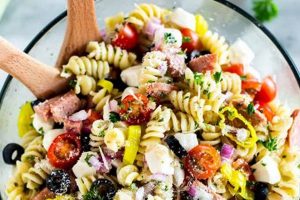
A dish centered around tender, young cactus pads (nopales), often diced into small strips, forms the foundation of this culinary creation. Typical preparations involve blanching or grilling the nopales to remove their inherent slime and enhance their flavor. Combined with other fresh ingredients like tomatoes, onions, cilantro, and queso fresco, the salad is usually dressed with a light vinaigrette featuring lime juice and olive oil, offering a refreshing and nutritious meal.
This salad provides a unique blend of textures and flavors, offering a refreshing contrast to heavier dishes. Nopales are rich in dietary fiber, antioxidants, and vitamins, making this a healthy and flavorful dietary option. Emerging from Mexican culinary traditions, it represents a connection to both cultural heritage and sustainable agricultural practices, as cactus is a resilient crop requiring minimal water. The versatility of this dish allows for a range of variations based on regional preferences and seasonal ingredients.
Further exploration will delve into specific recipes, highlighting the diversity of ingredients and preparation methods, offering a step-by-step guide to creating this unique dish and examining the nutritional value and culinary possibilities it offers.
Tips for Preparing a Nopalitos Salad
Optimizing the preparation process ensures a flavorful and enjoyable culinary experience. Attention to detail in ingredient selection and handling contributes significantly to the final result.
Tip 1: Source Young, Tender Nopales: Smaller, younger nopales offer a more tender texture and milder flavor, ideal for salads. Look for vibrant green pads with minimal browning or blemishes.
Tip 2: Proper Cleaning and Preparation is Crucial: Thoroughly remove the spines and glochids (tiny, hair-like prickles) from the nopales using a vegetable peeler or knife. Rinsing multiple times under cold water helps eliminate any remaining residue.
Tip 3: Blanching or Grilling Enhances Flavor: Briefly blanching the nopales in boiling water removes the inherent viscous texture. Grilling imparts a smoky char, adding depth of flavor.
Tip 4: Dice into Manageable Pieces: Cutting the nopales into small, uniform strips or dice ensures even cooking and creates a pleasant texture within the salad.
Tip 5: Balance Flavors with Fresh Ingredients: Incorporating complementary ingredients like diced tomatoes, onions, cilantro, and crumbled queso fresco enhances the flavor profile and creates a balanced, refreshing salad.
Tip 6: A Simple Vinaigrette Complements the Nopales: A light vinaigrette based on fresh lime juice and olive oil highlights the unique flavor of the nopales without overpowering the other ingredients.
Tip 7: Consider Adding Optional Ingredients: For added flavor and texture, consider incorporating other ingredients like diced avocado, roasted corn kernels, or chopped serrano peppers.
Tip 8: Serve Immediately for Optimal Freshness: Serve the salad immediately after preparation to preserve the crispness of the vegetables and prevent the nopales from becoming overly slimy.
By adhering to these guidelines, one can achieve a well-balanced and flavorful salad that showcases the unique qualities of nopales. This careful preparation results in a dish that is both nutritious and enjoyable.
The following section will provide a comprehensive conclusion, summarizing the key aspects of preparing and enjoying this distinctive culinary creation.
1. Ingredient Selection

Ingredient selection significantly impacts the final flavor profile and overall quality of a nopalitos salad. Careful consideration of each component contributes to a balanced and palatable dish. Freshness and quality are paramount; choosing vibrant, firm nopales ensures optimal texture and taste. The size and age of the nopales also influence the outcome. Smaller, younger pads tend to be more tender and less mucilaginous. Sourcing locally grown, seasonal produce whenever possible enhances both flavor and nutritional value. For instance, ripe tomatoes bursting with flavor during their peak season contribute more vibrancy than those harvested out of season.
Beyond the core ingredient, complementary components contribute to the overall sensory experience. Tomatoes provide acidity and sweetness, balancing the earthy notes of the nopales. Onions offer sharpness and pungency, adding depth of flavor. Cilantro introduces a fresh, herbaceous element. Queso fresco contributes a creamy, salty counterpoint. Each ingredient’s quality directly affects the final result; wilted cilantro or bland tomatoes can detract from the overall experience. Authenticity can also be a factor; certain variations might incorporate specific regional ingredients like radishes or oregano. Adapting the recipe to utilize seasonal produce provides opportunities for creative exploration. Substituting ingredients due to dietary restrictions, such as using a vegan cheese alternative, requires consideration of flavor and texture compatibility.
Optimal ingredient selection elevates the nopalitos salad from a simple dish to a culinary expression. Understanding the role each element plays enables informed choices that maximize flavor, texture, and nutritional value. This mindful approach results in a balanced and satisfying culinary experience reflective of both tradition and innovation.
2. Nopalitos Preparation

Nopalitos preparation forms the crucial foundation of any nopalitos salad recipe. The methods employed directly influence the final texture, flavor, and overall palatability of the dish. Careful preparation mitigates the inherent sliminess of nopales, a critical factor in achieving a desirable culinary outcome. Neglecting proper preparation can result in a slimy, unappetizing salad, highlighting the cause-and-effect relationship between preparation techniques and the final dish. For instance, failing to remove the spines and glochids (tiny, hair-like prickles) can lead to an unpleasant eating experience. Similarly, inadequate cooking can leave the nopales tough and fibrous.
Several techniques contribute to successful nopalitos preparation. Thorough cleaning involves meticulous removal of spines and glochids using a vegetable peeler or paring knife, followed by multiple rinses. Cooking methods, such as blanching or grilling, further reduce sliminess and enhance flavor. Blanching involves briefly submerging the nopales in boiling water, while grilling imparts a smoky char. Dicing the nopales into uniform pieces ensures even cooking and a pleasant texture within the salad. The chosen preparation method influences the final flavor profile; grilled nopales offer a smoky nuance, while blanched nopales retain a milder, vegetal flavor. These preparatory steps are not merely procedural; they represent essential components of a successful nopalitos salad recipe. Practical application of these techniques dictates the difference between a satisfying culinary experience and a disappointing one.
Proper nopalitos preparation is inextricably linked to the success of a nopalitos salad recipe. It serves as the cornerstone, influencing texture, flavor, and overall enjoyment. Understanding the impact of different preparation methods allows for informed choices that optimize the culinary outcome. This knowledge empowers one to create a nopalitos salad that showcases the unique characteristics of this versatile ingredient, resulting in a dish that is both delicious and texturally pleasing. Mastery of nopalitos preparation unlocks the full culinary potential of this ingredient and elevates the nopalitos salad from a simple dish to a truly satisfying culinary creation. This understanding provides a pathway toward consistent, high-quality results and a deeper appreciation for the nuances of this unique ingredient. Challenges like achieving the desired texture can be overcome through diligent attention to these fundamental preparation steps.
3. Complementary Ingredients

Complementary ingredients play a vital role in a nopalitos salad recipe, elevating it from a simple preparation to a balanced and flavorful dish. These additions interact with the unique characteristics of nopales, enhancing their inherent qualities while contributing textural and flavor complexity. Understanding the function and selection of these ingredients is crucial for crafting a successful nopalitos salad.
- Flavor Balancing Agents:
Ingredients such as tomatoes, onions, and cilantro serve as flavor balancing agents. Tomatoes introduce acidity and sweetness, counteracting the earthy notes of nopales. Onions contribute sharpness and a subtle pungency, adding depth. Cilantro provides a fresh, herbaceous element that brightens the overall flavor profile. The careful balance of these elements prevents any single flavor from dominating, resulting in a harmonious and nuanced taste experience. For instance, the acidity of tomatoes cuts through the slight bitterness sometimes present in nopales, while the cilantro adds a refreshing contrast to the earthiness.
- Textural Enhancers:
Textural contrast is essential for a satisfying salad. Crumbled queso fresco, toasted pepitas (pumpkin seeds), or crispy tortilla strips introduce contrasting textures that complement the tender yet slightly firm consistency of cooked nopales. These additions create a multi-sensory eating experience. The creamy crumble of queso fresco, the satisfying crunch of pepitas, or the crisp snap of tortilla strips provide textural variety against the backdrop of the nopales.
- Aromatic Additions:
Aromatic additions such as serrano peppers, jalapeos, or a pinch of oregano further enhance the complexity of the salad. Serrano peppers introduce a fiery heat, while jalapeos offer a milder, vegetal heat. Oregano contributes an earthy, slightly bitter note that complements the nopales. These ingredients engage the olfactory senses, adding another dimension to the overall culinary experience. The judicious use of these aromatics elevates the flavor profile without overwhelming the palate.
- Dressing Considerations:
The dressing serves as a unifying element, binding the ingredients together and enhancing their individual flavors. A light vinaigrette, often based on lime juice and olive oil, is a classic choice. The citrus notes of the lime complement the nopales, while the olive oil provides a smooth, rich texture. Other options include a creamy avocado dressing or a vibrant cilantro-lime dressing. The choice of dressing can significantly impact the overall flavor profile and should be selected to complement the other ingredients.
The strategic incorporation of complementary ingredients is fundamental to a well-crafted nopalitos salad. These elements contribute not only to flavor and texture but also to the overall sensory experience. By understanding the role and interplay of these ingredients, one can create a balanced, flavorful, and texturally dynamic salad that truly showcases the versatility of nopales. The careful selection and balance of these elements distinguish a simple nopalitos salad from a truly exceptional culinary creation.
4. Dressing Selection
Dressing selection represents a crucial element within a nopalitos salad recipe, significantly influencing the final flavor profile and overall culinary experience. The dressing acts as a unifying agent, harmonizing the diverse ingredients while enhancing their individual characteristics. A well-chosen dressing complements the unique flavor of nopales, creating a balanced and cohesive dish. Conversely, an unsuitable dressing can overwhelm the delicate flavors of the salad, underscoring the importance of careful selection.
- Acidity as a Balancing Agent
Acidity plays a pivotal role in balancing the earthy, slightly vegetal flavor of nopales. Dressings featuring citrus juices, such as lime or orange, provide brightness and cut through any potential bitterness. Vinegars, like apple cider or white wine vinegar, offer a sharper, more pronounced acidity. The level of acidity should complement, not overpower, the other flavors in the salad. For example, a lime-based vinaigrette provides a refreshing counterpoint to the earthiness of nopales, while an overly acidic dressing might mask the other delicate flavors. The choice of acidic component contributes significantly to the overall balance and palatability.
- Oil as a Textural and Flavor Component
The oil component of the dressing contributes both texture and flavor. Extra virgin olive oil offers a rich, fruity flavor and a smooth mouthfeel. Other oils, such as avocado or grapeseed oil, provide different flavor profiles and textures. The oil acts as a carrier for other flavors in the dressing and helps distribute them evenly throughout the salad. The oil also contributes to the overall richness and satiety of the dish. A lighter oil, like grapeseed, might be preferred for a more delicate flavor profile, while a robust olive oil can add depth and complexity.
- Aromatic and Flavor Enhancers
Aromatic and flavor enhancers add depth and complexity to the dressing. Fresh herbs, such as cilantro, parsley, or oregano, introduce herbaceous notes. Spices, like cumin or chili powder, provide warmth and earthiness. Garlic and ginger contribute pungent, savory undertones. These elements should be used judiciously to complement the other flavors in the salad, not to mask them. For instance, a touch of cumin can enhance the earthiness of the nopales, while an excessive amount might overpower the more delicate flavors of the other ingredients. The selection of aromatics and flavor enhancers should be guided by the desired overall flavor profile of the salad.
- Emulsification and Texture
Emulsification, the process of combining oil and an acidic liquid, creates a stable and homogenous dressing. A well-emulsified dressing clings evenly to the salad ingredients, ensuring consistent flavor distribution. The emulsification process also influences the texture of the dressing, ranging from a light vinaigrette to a creamy, emulsified dressing. The desired texture depends on personal preference and the overall composition of the salad. A creamy avocado dressing might complement a salad with richer ingredients, while a light vinaigrette might be preferred for a simpler, more refreshing salad. The stability of the emulsion is crucial for preventing the dressing from separating, ensuring a pleasant and consistent culinary experience.
Dressing selection is integral to a successful nopalitos salad recipe, impacting flavor, texture, and overall enjoyment. Careful consideration of acidity, oil, aromatic components, and emulsification allows for the creation of a dressing that complements the unique characteristics of nopales and other ingredients. A thoughtfully chosen dressing elevates the nopalitos salad, transforming it from a simple dish into a cohesive and flavorful culinary experience. By understanding the nuances of dressing selection, one can create a nopalitos salad that truly showcases the versatility and potential of this unique ingredient.
5. Flavor Balance
Flavor balance represents a critical aspect of a successful nopalitos salad recipe, influencing the overall palatability and enjoyment of the dish. Achieving a harmonious interplay of flavors requires careful consideration of the inherent taste profiles of the various ingredients and their interactions. A balanced nopalitos salad avoids dominance by any single flavor, allowing the unique characteristics of each component to shine through.
- Acidity and Brightness
The inherent vegetal, slightly earthy flavor of nopales benefits from the addition of acidic elements. Lime juice, a common ingredient in nopalitos salad dressings, provides brightness and cuts through any potential bitterness or sliminess. Other acidic components, such as vinegar or tomatoes, can achieve similar results. The level of acidity should be carefully calibrated to complement, not overpower, the other flavors. For instance, an overly acidic dressing can mask the delicate flavors of other ingredients, while insufficient acidity may result in a bland or one-dimensional salad.
- Salt and Savory Notes
Salt enhances the flavors of all ingredients and provides a foundational savory element. Queso fresco, a traditional accompaniment to nopalitos, contributes saltiness along with a creamy texture. Other sources of salt, such as sea salt or a salty dressing, can also be employed. The level of salt should be balanced to enhance, not overwhelm, the other flavors. Excessive salt can mask the subtle nuances of the ingredients, while insufficient salt can result in a flat and unappealing dish.
- Heat and Spice (Optional)
The addition of heat, often in the form of fresh or dried chiles, adds another dimension to the flavor profile. Serrano peppers, jalapeos, or a pinch of chili powder introduce varying levels of heat, creating a more complex and stimulating sensory experience. The level of heat should be carefully considered based on personal preference and the overall balance of the dish. Overly spicy additions can overwhelm the other flavors, while a judicious use of spice can add a pleasant warmth and complexity.
- Aromatics and Herbs
Aromatics, such as onions, garlic, and cilantro, contribute significantly to the overall flavor profile. Onions provide a pungent sharpness, garlic adds a savory depth, and cilantro introduces a fresh, herbaceous element. These aromatics enhance the complexity of the salad, creating a more nuanced and engaging culinary experience. The choice and quantity of aromatics should be carefully considered to ensure they complement the other flavors without dominating the dish. An overabundance of aromatics can overwhelm the subtle flavors of the nopales and other ingredients.
The successful execution of a nopalitos salad recipe hinges on the careful orchestration of these flavor components. The interplay of acidity, salt, heat, and aromatics creates a balanced and harmonious flavor profile that highlights the unique qualities of nopales and other ingredients. A well-balanced nopalitos salad offers a complex and satisfying culinary experience, demonstrating the potential of this versatile ingredient when combined with complementary flavors. Achieving this balance elevates the dish from a simple salad to a true culinary expression.
6. Culinary Traditions
Culinary traditions provide a crucial context for understanding the significance and evolution of the nopalitos salad recipe. This dish represents more than a simple combination of ingredients; it embodies a rich history intertwined with cultural practices, agricultural adaptations, and evolving culinary techniques. Examining these traditions offers insight into the enduring appeal and cultural significance of this dish.
- Ancient Roots and Indigenous Knowledge
The use of nopales as a food source dates back centuries to pre-Hispanic Mesoamerica. Indigenous communities recognized the nutritional value and culinary versatility of this desert plant, integrating it into their diets and developing diverse preparation methods. This historical context underscores the deep-rooted connection between nopales and Mexican culinary heritage. Ancient culinary practices, passed down through generations, laid the foundation for the nopalitos salad recipe as it exists today. Evidence of nopal consumption can be found in archaeological records and historical texts, demonstrating its long-standing importance as a food source.
- Regional Variations and Adaptations
The nopalitos salad recipe exhibits regional variations across Mexico, reflecting diverse culinary traditions and local ingredient availability. In some regions, the salad incorporates ingredients like tomatoes, onions, and cilantro, while others might include radishes, oregano, or other regional specialties. These adaptations showcase the dynamic nature of culinary traditions and the influence of local environments. For example, coastal regions might incorporate seafood, while inland regions might favor ingredients like corn or beans. These regional variations highlight the adaptability of the nopalitos salad recipe and its capacity to reflect local culinary preferences.
- Culinary Techniques and Preparation Methods
Traditional preparation methods for nopales, such as removing the spines and glochids, blanching to reduce sliminess, and grilling to impart a smoky flavor, have been refined over generations. These techniques reflect a deep understanding of the plant’s properties and a commitment to optimizing its culinary potential. These methods not only enhance the flavor and texture of the nopales but also represent a connection to ancestral culinary practices. The careful execution of these techniques is often passed down within families, preserving culinary knowledge and ensuring the continuation of these traditions.
- Contemporary Interpretations and Innovations
While rooted in tradition, the nopalitos salad recipe continues to evolve as chefs and home cooks explore new flavor combinations and presentation styles. Contemporary interpretations might incorporate ingredients like avocado, roasted corn, or different types of cheese, reflecting the dynamic nature of culinary traditions and the ongoing exploration of flavor. These innovations demonstrate the adaptability of the nopalitos salad recipe and its capacity to embrace contemporary culinary trends while retaining its core identity. This evolution ensures the continued relevance of the dish within a modern culinary landscape.
The nopalitos salad recipe serves as a tangible link to a rich culinary heritage. Understanding the historical context, regional variations, traditional techniques, and ongoing evolution of this dish provides a deeper appreciation for its cultural significance and enduring appeal. By exploring these culinary traditions, one gains insight into the dynamic interplay between food, culture, and history. The nopalitos salad, in its various forms, represents a culinary testament to the ingenuity and adaptability of Mexican cuisine, preserving the past while embracing the future. It stands as an example of how culinary traditions can evolve while remaining deeply connected to their cultural roots.
7. Health Benefits

The nopalitos salad recipe offers significant health benefits, primarily derived from the nutritional profile of nopales (cactus pads). These benefits contribute to its appeal as a healthy and flavorful dietary option. Nopales are a rich source of dietary fiber, which aids digestion and promotes satiety, potentially contributing to weight management. They also contain various vitamins and minerals, including vitamin C, vitamin A, potassium, magnesium, and calcium, which are essential for numerous bodily functions. The presence of antioxidants, such as betalains and flavonoids, contributes to cellular health by combating oxidative stress. For example, the high fiber content can help regulate blood sugar levels, making it a suitable choice for individuals with diabetes. Similarly, the antioxidant properties offer potential protection against chronic diseases.
Furthermore, nopales are low in calories and fat, making them a suitable addition to a balanced diet. Their unique mucilaginous texture contributes to a feeling of fullness, which can aid in portion control. Emerging research suggests nopales may also have a positive impact on cholesterol levels and inflammation. Incorporating nopalitos salad into a regular diet can be a practical step toward improving overall health and well-being. For instance, substituting a heavier, calorie-rich salad with a nopalitos salad can contribute to a lower calorie intake without sacrificing flavor or nutritional value. The inclusion of other fresh vegetables in the salad further amplifies its nutritional benefits.
Integrating nopalitos salad into a balanced diet provides a flavorful and accessible pathway toward improved health. The nutritional profile of nopales, coupled with the versatility of the salad recipe, makes it a practical and enjoyable choice for individuals seeking health-conscious meal options. While the health benefits are substantial, it is important to note that individual results may vary, and incorporating nopales into one’s diet should be part of a broader approach to healthy living. Addressing potential challenges, such as sourcing fresh nopales or adapting recipes to individual dietary needs, can further enhance the accessibility and enjoyment of this nutritious dish. The established link between the nutritional richness of nopales and the health benefits of the salad reinforces its value as a healthful dietary option.
Frequently Asked Questions
This section addresses common inquiries regarding nopalitos salad preparation, offering practical guidance and clarifying potential uncertainties. Understanding these aspects contributes to a more successful and enjoyable culinary experience.
Question 1: How can the sometimes slimy texture of nopales be minimized in a salad?
Blanching the nopales briefly in boiling water effectively reduces their inherent sliminess. Alternatively, grilling imparts a smoky char while also mitigating the viscous texture.
Question 2: Where can fresh nopales be purchased?
Fresh nopales can often be found in Latin American grocery stores or the produce sections of larger supermarkets. Some farmers’ markets also offer fresh, locally sourced nopales, particularly during their peak season.
Question 3: Are there any specific safety precautions to consider when preparing nopales?
Thorough removal of the spines and glochids (tiny, hair-like prickles) is essential to avoid potential skin irritation. Using tongs or a vegetable peeler can assist in this process. Multiple rinses under cold water help ensure complete removal.
Question 4: What are some suitable alternatives to queso fresco if dairy is a concern?
Vegan cheese alternatives, such as a crumbled plant-based feta or a cashew-based queso fresco, can provide a similar creamy texture and salty flavor. Nutritional yeast can also offer a cheesy, savory element.
Question 5: Can nopalitos salad be prepared in advance?
While best served fresh, nopalitos salad can be prepared a few hours in advance. Store the dressed salad and the dressing separately and combine them just before serving to maintain optimal texture and prevent excessive moisture.
Question 6: How can the flavor profile of a nopalitos salad be adjusted to suit individual preferences?
The flavor profile can be customized through ingredient additions. Diced avocado adds creaminess, while roasted corn kernels provide sweetness and texture. Chopped serrano peppers introduce heat, and a squeeze of extra lime juice enhances the brightness. The dressing can also be adjusted with herbs, spices, or different types of vinegar.
Addressing these common queries provides a solid foundation for preparing and enjoying nopalitos salad. Understanding the nuances of preparation, ingredient selection, and flavor adjustments empowers culinary exploration and ensures a satisfying outcome.
The following section will offer a concluding summary of key takeaways and highlight the culinary versatility of nopalitos salad.
Nopalitos Salad Recipe
Exploration of the nopalitos salad recipe reveals a dish rich in culinary tradition, nutritional value, and flavor possibilities. From the careful selection and preparation of nopales to the nuanced interplay of complementary ingredients and dressings, each step contributes to the final culinary outcome. Proper handling of nopales minimizes sliminess and maximizes their unique texture and flavor. The strategic incorporation of acidic elements, such as lime juice or tomatoes, balances the earthy notes of the nopales, while aromatic additions, like onions, cilantro, and chiles, contribute depth and complexity. Consideration of regional variations and culinary traditions further enriches the understanding and appreciation of this versatile dish. The inherent health benefits of nopales, including their high fiber content and antioxidant properties, underscore the nutritional value of this culinary creation.
The nopalitos salad recipe offers a compelling example of how culinary traditions can be both preserved and reimagined. This dish represents a connection to a rich cultural heritage while simultaneously offering a canvas for culinary innovation. Further exploration of flavor profiles, ingredient combinations, and presentation styles promises continued evolution and enjoyment of this unique culinary creation. The adaptability of the nopalitos salad recipe ensures its enduring relevance within a dynamic culinary landscape.