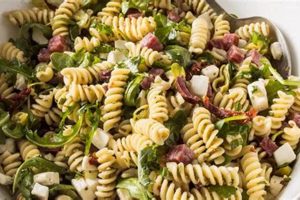
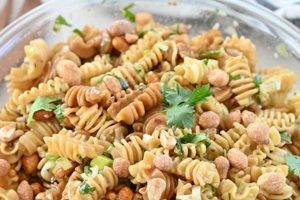
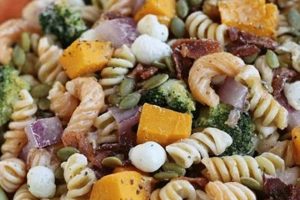
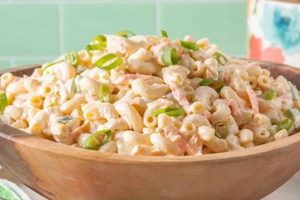
This dish reimagines the classic club sandwich as a pasta salad. Typically, it incorporates key elements of the sandwich, such as cooked chicken or turkey, bacon, lettuce, tomato, and mayonnaise, often with the addition of hard-boiled eggs. These ingredients are combined with cooked pasta, frequently rotini, farfalle, or other short shapes that hold the dressing well. Variations can include different cheeses, such as cheddar or Swiss, and other vegetables like avocado or cucumber.
The appeal of this dish lies in its convenience and adaptability. It offers a make-ahead option for potlucks, picnics, and quick meals, as it can be prepared in advance and served cold. By deconstructing the traditional sandwich format, it provides a lighter, more shareable alternative. The familiar flavors create broad appeal, while the versatility allows for customization based on dietary preferences and available ingredients. Its popularity has grown alongside the trend of transforming classic dishes into more convenient and contemporary formats.
The following sections will explore various aspects of creating this dish, including ingredient selection, preparation techniques, variations, and serving suggestions.
Tips for Creating a Delicious Club Sandwich Pasta Salad
This section provides practical guidance for optimizing the flavor and texture of this dish. Careful attention to these suggestions will ensure a satisfying culinary experience.
Tip 1: High-Quality Ingredients: Selecting fresh, high-quality ingredients significantly impacts the final result. Opt for ripe tomatoes, crisp lettuce, and flavorful cheeses. Using leftover roasted chicken or turkey enhances the depth of flavor.
Tip 2: Pasta Selection: Choose short pasta shapes that hold the dressing well, such as rotini, farfalle, or penne. Cook the pasta al dente for optimal texture. Rinse the cooked pasta under cold water to stop the cooking process and prevent sticking.
Tip 3: Bacon Preparation: Crisp bacon adds a satisfying crunch. Cook bacon until thoroughly crisp, then crumble or chop it into small pieces. Drain excess grease to prevent a greasy salad.
Tip 4: Dressing Consistency: The dressing should be thick enough to coat the pasta without being overly runny. Adjust the mayonnaise-to-other ingredient ratio as needed. A touch of Dijon mustard adds complexity to the flavor profile.
Tip 5: Ingredient Incorporation: Gently combine the ingredients to avoid breaking the pasta or bruising more delicate components like tomatoes and lettuce. Adding the more delicate ingredients just before serving helps maintain their texture and appearance.
Tip 6: Chilling Time: Allowing the salad to chill for at least 30 minutes in the refrigerator allows the flavors to meld and enhances the overall experience. This also helps the dressing to adhere to the pasta and other ingredients.
Tip 7: Customization: Adapt the recipe based on personal preferences. Consider adding avocado, cucumber, red onion, or different types of cheese. Experiment with different herbs and spices to create unique flavor combinations.
By following these tips, one can create a club sandwich pasta salad that is both flavorful and visually appealing. Attention to detail elevates this simple dish into a truly satisfying meal.
The following section will conclude with a summary of key takeaways and potential variations for future exploration.
1. Pasta Choice

Pasta selection significantly influences the overall success of a club sandwich pasta salad. The chosen shape affects not only the aesthetic presentation but also the dish’s ability to hold the dressing and other ingredients effectively. Short, sturdy pasta shapes with ridges or textured surfaces are generally preferred. These characteristics allow the dressing to cling, ensuring even distribution of flavor throughout the salad. Conversely, long, thin pasta types, such as spaghetti or linguine, are less suitable as they tend to clump together and do not hold the dressing as well. This can result in an unevenly coated salad with pockets of undressed pasta.
Examples of suitable pasta shapes include rotini, farfalle (bowties), penne, and fusilli. Their twists, folds, and ridges create ample surface area for the dressing to adhere. Rotini’s spiral shape, for example, traps the creamy dressing and small pieces of bacon or vegetables within its coils. Farfalle, with its wide surface and ruffled edges, offers a similar advantage. Selecting an appropriate pasta shape ensures that each bite contains a balanced combination of pasta, dressing, and other ingredients, contributing to a more harmonious flavor profile and a more satisfying textural experience.
Understanding the impact of pasta choice empowers one to create a club sandwich pasta salad that is both visually appealing and flavorful. Choosing the right pasta shape enhances the structural integrity of the salad, preventing it from becoming overly soggy or dry. This attention to detail elevates the dish beyond a simple combination of ingredients into a carefully considered culinary creation.
2. Protein Selection
Protein selection significantly impacts the flavor profile and overall satisfaction derived from a club sandwich pasta salad. Traditional club sandwiches typically feature sliced turkey or chicken, and these remain popular choices for the pasta salad adaptation. These options offer a lean protein source that complements the other ingredients without overpowering the palate. However, the versatility of the pasta salad format allows for exploration beyond these traditional choices. Roasted or grilled chicken, for example, contributes a deeper, smokier flavor, while shredded rotisserie chicken offers convenience. Cubed ham or crispy bacon can be incorporated for a saltier, richer element. For those seeking alternatives to meat, chickpeas, diced tofu, or crumbled tempeh provide plant-based protein options, adding different textural and flavor dimensions.
The chosen protein’s preparation method also influences the final result. Grilled or roasted proteins offer char and caramelization, enhancing their inherent flavors. Pre-cooked options like rotisserie chicken or deli-sliced meats streamline preparation. When incorporating plant-based proteins, consider marinating or seasoning them to enhance their flavor and ensure they integrate well with the other salad components. The protein should complement the other ingredients without dominating the overall flavor profile. For instance, strongly flavored proteins like smoked salmon might overwhelm the more delicate flavors of the vegetables and dressing. Striking a balance ensures a harmonious blend of flavors and textures.
Careful protein selection ensures a well-rounded and satisfying club sandwich pasta salad. Considering factors such as flavor profile, texture, and preparation method allows for customization and optimization of the dish. Whether adhering to traditional choices or exploring innovative alternatives, the protein component plays a crucial role in the overall culinary experience.
3. Fresh Vegetables
Fresh vegetables are essential for a successful club sandwich pasta salad, contributing crucial textural and flavor dimensions. They provide brightness, crispness, and a counterpoint to the richness of the other components. Classic inclusions, mirroring the traditional club sandwich, are lettuce and tomato. Iceberg lettuce offers a crisp, neutral base, while romaine adds a slightly more robust flavor. Ripe tomatoes provide juicy sweetness and a vibrant color contrast. However, the adaptable nature of this dish allows for a broader range of vegetable additions.
Cucumbers, for example, introduce a refreshing coolness, while bell peppers contribute sweetness and crunch. Red onion adds a pungent bite, and avocado provides creamy richness. Incorporating a variety of colors and textures elevates both the visual appeal and the nutritional value of the salad. The freshness of the vegetables is paramount. Wilted lettuce or mealy tomatoes detract significantly from the overall experience. Proper storage and handling, such as washing and drying vegetables thoroughly before incorporating them into the salad, are essential for maintaining quality and preventing premature spoilage. Adding more delicate vegetables like lettuce and tomato closer to serving time helps preserve their texture and prevents them from becoming soggy.
The selection and preparation of fresh vegetables directly influence the final quality of the club sandwich pasta salad. Thoughtful consideration of color, texture, and flavor profiles allows for the creation of a balanced and appealing dish. Prioritizing freshness and proper handling techniques ensures that the vegetables contribute their optimal qualities to the overall culinary experience.
4. Creamy Dressing

Creamy dressing forms an integral part of a successful club sandwich pasta salad recipe, binding the diverse ingredients and contributing significantly to the overall flavor profile and textural experience. It provides a cohesive element, coating the pasta and other components, ensuring a harmonious blend of tastes and textures in each bite. The dressing’s creaminess complements the crisp vegetables, savory proteins, and salty bacon, creating a balanced and satisfying culinary composition. A well-executed creamy dressing elevates the dish beyond a simple assembly of ingredients, transforming it into a cohesive and flavorful salad. Without a suitable dressing, the individual components remain disparate, lacking the unifying element crucial for a successful pasta salad.
Classic choices for the creamy dressing base often include mayonnaise, either alone or in combination with other ingredients. Mayonnaise provides a rich, tangy foundation that complements the other flavors. Sour cream or Greek yogurt can be incorporated to lighten the texture and add a tangy note. Further complexity is achieved through the addition of Dijon mustard, which introduces a subtle sharpness, or other seasonings like garlic powder, onion powder, or herbs. The ratio of these ingredients determines the dressing’s final consistency and flavor profile. Achieving the correct balance is essential; a dressing that is too thin fails to adhere properly to the pasta, while one that is too thick can overwhelm the other ingredients. Real-life examples include a classic mayonnaise-based dressing enhanced with Dijon mustard and a touch of honey for sweetness, or a lighter version using Greek yogurt with fresh herbs and lemon juice.
Understanding the role and execution of a creamy dressing is crucial for achieving a successful club sandwich pasta salad. The dressing’s consistency, flavor profile, and ability to bind the ingredients contribute significantly to the overall enjoyment of the dish. Careful consideration of ingredient ratios and flavor combinations allows for customization and optimization, resulting in a balanced and satisfying culinary creation. Challenges may arise in achieving the desired consistency and preventing the dressing from becoming too thin or too thick. Addressing this requires careful measurement and adjustment of ingredients, considering factors such as ambient temperature and the water content of other components. This understanding enables the creation of a creamy dressing that complements and enhances the other elements of the pasta salad, ultimately resulting in a more cohesive and flavorful dish.
5. Bacon Crispness

Bacon crispness plays a crucial role in the overall textural and flavor experience of a club sandwich pasta salad. The contrast between the creamy dressing, soft pasta, and fresh vegetables is enhanced by the inclusion of a crispy element. Bacon, when properly prepared, provides this crucial textural counterpoint, contributing a satisfying crunch that elevates the dish beyond a simple combination of ingredients. Its savory, salty flavor further complements the other components, creating a more complex and enjoyable flavor profile.
- Texture Enhancement
The primary contribution of crispy bacon is textural contrast. The crispness offers a satisfying counterpoint to the softer elements of the pasta salad, preventing a monotonous textural experience. Consider the difference between biting into a salad with soft pasta, creamy dressing, and then encountering a piece of perfectly crisp bacon. This textural variation enhances the enjoyment of each bite. Conversely, limp, undercooked bacon detracts from the salad, adding an unpleasant greasiness.
- Flavor Contribution
Beyond texture, crisp bacon contributes a distinct savory and salty flavor that complements the other ingredients. The rendered fat during cooking intensifies the bacon’s inherent flavor, adding depth to the overall profile of the pasta salad. This savory element balances the freshness of the vegetables and the richness of the dressing. Overly salty bacon, however, can overwhelm the other flavors, highlighting the importance of achieving the right balance.
- Preparation Methods
Achieving optimal bacon crispness depends on the chosen cooking method. Pan-frying allows for close monitoring and control over the cooking process, resulting in evenly cooked, crispy bacon. Baking in the oven offers a hands-off approach, producing large batches of uniformly cooked bacon. Microwaving, while convenient, often results in unevenly cooked bacon, with some areas remaining limp and others becoming overly crisp. The chosen method influences the final texture and flavor of the bacon, impacting its contribution to the pasta salad.
- Integration and Balance
Successfully integrating crispy bacon into the pasta salad involves considering both quantity and timing. Too much bacon can overpower the other flavors and create an overly greasy salad, while too little diminishes its textural and flavor contributions. Adding the bacon just before serving prevents it from becoming soggy, maintaining its desirable crispness. Furthermore, proper draining of excess grease after cooking is essential for preventing an oily salad.
The crispness of bacon significantly elevates the club sandwich pasta salad from a simple combination of ingredients to a more complex and satisfying dish. Its textural contrast and savory flavor enhance the overall sensory experience, while careful consideration of preparation methods, quantity, and integration ensures its optimal contribution to the final product. Understanding the nuances of bacon crispness empowers one to create a pasta salad that is both flavorful and texturally dynamic, demonstrating a mastery of culinary technique and attention to detail.
6. Proper Chilling

Proper chilling is essential for optimizing the flavor and texture of a club sandwich pasta salad. This process allows the flavors of the various componentspasta, protein, vegetables, and dressingto meld, creating a more cohesive and harmonious flavor profile. Additionally, chilling enhances the texture of the salad, firming the pasta and preventing the dressing from becoming overly runny. The following facets explore the importance of proper chilling in detail.
- Flavor Development
Chilling allows the individual flavors of the ingredients to blend and mature. The initially distinct tastes of the dressing, protein, and vegetables merge, creating a more complex and nuanced flavor profile. This melding of flavors is analogous to allowing a stew or soup to simmer, where the individual ingredients contribute to a richer, more integrated overall taste. In the context of a club sandwich pasta salad, this means the tanginess of the dressing, the savoriness of the bacon, and the sweetness of the tomatoes combine to create a more balanced and harmonious flavor.
- Texture Enhancement
Chilling firms the pasta, preventing it from becoming mushy. Cold temperatures also solidify the fats in the dressing, enhancing its creaminess and preventing it from separating or becoming overly runny. This improved texture contributes to a more pleasurable eating experience. A warm pasta salad often has a less appealing texture, with the pasta becoming soft and the dressing watery. The chilling process mitigates these issues, ensuring a more satisfying textural contrast between the pasta, vegetables, and dressing.
- Food Safety
Proper chilling is crucial for food safety, particularly with ingredients like mayonnaise, chicken, or turkey. Maintaining a temperature below 40F (4C) inhibits the growth of harmful bacteria, reducing the risk of foodborne illness. This is especially important for pasta salads served at picnics, potlucks, or other outdoor events where temperature control can be challenging. Neglecting proper chilling can create a breeding ground for bacteria, potentially leading to health risks.
- Optimal Serving Temperature
A chilled pasta salad is more refreshing and palatable, particularly in warmer weather. The cool temperature enhances the flavors and textures, making the salad more enjoyable to consume. A room-temperature pasta salad can feel heavy and less appealing, particularly during hot summer months. Serving the salad chilled elevates the dining experience, providing a refreshing contrast to the ambient temperature.
Proper chilling is therefore not merely a matter of preference but a crucial step in creating a successful club sandwich pasta salad. It elevates the dish by enhancing flavor development, improving texture, ensuring food safety, and optimizing serving temperature. Understanding and implementing proper chilling techniques ensures a more enjoyable and safer culinary experience.
7. Balanced Flavors

Balanced flavors are essential for a successful club sandwich pasta salad. The dish comprises various components, each contributing distinct flavor profiles. Achieving harmony among these elements prevents any single flavor from dominating, resulting in a more nuanced and enjoyable culinary experience. Understanding the interplay of these flavors is crucial for creating a well-balanced and satisfying salad.
- Salty Component
Saltiness, primarily derived from the bacon and often enhanced by the dressing, provides a foundational flavor element. It enhances the other flavors and creates a savory backdrop. For instance, the saltiness of the bacon complements the sweetness of the tomatoes and the tanginess of the dressing. Overly salty bacon can overwhelm the other flavors, making balance crucial. Conversely, insufficient saltiness can lead to a bland salad.
- Tangy/Acidic Notes
Tanginess or acidity, often provided by the dressing ingredients like mayonnaise, Dijon mustard, or lemon juice, balances the richness and saltiness. This element brightens the flavor profile and prevents the salad from feeling heavy. For example, a dressing with a touch of lemon juice or vinegar cuts through the richness of the mayonnaise and bacon fat. Too much acidity can make the salad taste sour, while too little can result in a flat, uninspiring flavor profile.
- Sweetness and Umami
Sweetness, often subtle, comes from ingredients like ripe tomatoes or a touch of honey or sugar in the dressing. This element balances the savory and tangy notes, adding depth and complexity. Umami, a savory, meaty flavor, arises from ingredients like the bacon, chicken, or turkey. It adds richness and depth, contributing to a more satisfying culinary experience. The interplay between sweetness and umami creates a layered flavor profile, preventing the salad from tasting one-dimensional.
- Freshness from Vegetables
Fresh vegetables, such as lettuce, tomatoes, and cucumbers, contribute not only texture but also crucial fresh, bright notes that counterbalance the richness of the other ingredients. Their inclusion prevents the salad from feeling overly heavy or rich. The crisp, clean flavors of the vegetables provide a refreshing contrast to the creamy dressing and savory proteins. Without this element, the salad could feel dense and overly rich.
Balancing these flavor components is essential for a successful club sandwich pasta salad. The interplay of salty, tangy, sweet, umami, and fresh elements creates a harmonious flavor profile that is both complex and satisfying. Careful consideration of ingredient selection, preparation methods, and dressing composition ensures a well-balanced and enjoyable culinary experience. Achieving this balance elevates the dish from a simple combination of ingredients to a thoughtfully constructed and flavorful salad.
Frequently Asked Questions
This section addresses common inquiries regarding club sandwich pasta salad preparation, offering practical solutions and clarifying potential points of confusion.
Question 1: Can this dish be prepared in advance?
Yes, it is well-suited for advance preparation. Flavor melding often improves upon chilling. However, adding crisp elements like lettuce just before serving is recommended to prevent sogginess.
Question 2: What pasta shapes are most suitable?
Short, sturdy pasta shapes like rotini, farfalle, or penne are ideal. These shapes hold the dressing effectively and provide textural variety. Long, thin pasta like spaghetti is less suitable.
Question 3: How can one prevent the salad from becoming watery?
Ensuring proper pasta drainage and using a sufficiently thick dressing are crucial. Adding watery vegetables like tomatoes close to serving time also helps maintain the desired consistency.
Question 4: What are suitable protein alternatives to chicken or turkey?
Ham, bacon, chickpeas, tofu, or tempeh offer viable protein alternatives, each contributing distinct flavor and textural profiles. Selection depends on dietary preferences and desired flavor outcomes.
Question 5: How can one adjust the dressing’s flavor profile?
Incorporating ingredients like Dijon mustard, honey, garlic powder, or herbs allows for customization. Adjusting the ratio of mayonnaise to other ingredients influences the dressing’s tanginess and richness.
Question 6: How long can the salad be stored in the refrigerator?
Properly stored in an airtight container, it typically remains safe for consumption for up to three to five days. However, quality and freshness gradually decline over time.
Addressing these common questions provides a foundation for successfully preparing and enjoying this versatile dish. Understanding these practical considerations ensures optimal flavor, texture, and food safety.
The following sections will offer specific recipe variations and serving suggestions.
Club Sandwich Pasta Salad Recipe
Exploration of this dish reveals its adaptability and potential for culinary creativity. Careful ingredient selection, from pasta shape to vegetable freshness, significantly impacts the final product. Proper chilling enhances flavor melding and textural integrity. Balancing flavor profilessalty, tangy, sweet, umami, and freshcreates a harmonious and satisfying dish. Addressing common preparation challenges, such as preventing wateriness and optimizing bacon crispness, ensures culinary success.
This dish offers a canvas for culinary expression, adaptable to individual preferences and dietary needs. Further exploration might involve incorporating seasonal ingredients, experimenting with diverse protein sources, or developing innovative dressing variations. This adaptable recipe promises continued culinary enjoyment and exploration.