A classic dish originating in Nice, France, this salad traditionally features tomatoes, hard-boiled eggs, Nioise olives, anchovies, and a vinaigrette dressing. Variations often include green beans, potatoes, tuna, and other fresh vegetables. A simple preparation showcases high-quality ingredients, resulting in a light yet satisfying meal.
The appeal lies in its fresh, vibrant flavors and the nutritional value offered by the combination of vegetables, protein, and healthy fats. Its historical significance as a regional specialty contributes to its enduring popularity, making it a staple in bistros and homes alike. The adaptability of the recipe allows for customization based on seasonal ingredients and personal preferences, furthering its versatility.
Further exploration will delve into specific variations, including traditional and modern interpretations, ingredient selection, preparation techniques, and suggested pairings.
Tips for a Perfect Nioise Salad
Elevating this classic dish requires attention to detail and an understanding of balancing flavors and textures. The following tips offer guidance for optimal preparation.
Tip 1: Ingredient Quality is Paramount: Opt for the freshest, highest-quality ingredients available. Ripe, in-season tomatoes, firm potatoes, and fresh, vibrant green beans contribute significantly to the overall flavor profile.
Tip 2: Proper Cooking Techniques: Potatoes and green beans should be cooked until tender-crisp, retaining their texture and vibrant color. Overcooking can result in a mushy, unappetizing salad.
Tip 3: Anchovy Selection: High-quality oil-packed anchovies provide a rich, salty flavor. Salt-packed anchovies require rinsing and filleting but offer a more intense taste.
Tip 4: Dressing Preparation: A classic vinaigrette is essential. A balanced emulsion of olive oil, lemon juice, Dijon mustard, and seasonings enhances the flavors of the other components.
Tip 5: Tuna Selection and Preparation: If using tuna, opt for high-quality canned tuna packed in olive oil, or sear fresh tuna steaks to medium-rare. Overcooked tuna can become dry and lose its flavor.
Tip 6: Presentation Matters: Arrange the ingredients attractively on a platter or individual plates. Consider the color and texture combinations for a visually appealing presentation.
Tip 7: Serve Immediately: For optimal flavor and texture, serve the salad immediately after preparation. This prevents the ingredients from becoming soggy or wilted.
By following these tips, one can create a Nioise salad that showcases the fresh, vibrant flavors of this timeless dish, ensuring a satisfying and memorable culinary experience.
This attention to detail provides a foundation for understanding the nuances of creating a truly exceptional culinary experience.
1. Fresh, High-Quality Ingredients

The essence of a successful Nicoise salad rests upon the foundation of fresh, high-quality ingredients. This emphasis stems from the salad’s inherent nature as a showcase for simple, seasonal produce. The dish does not rely on complex sauces or elaborate cooking techniques to mask flavors; rather, it celebrates the inherent taste of each component. Using subpar ingredients directly translates to a diminished overall experience. For example, bland, out-of-season tomatoes will lack the sweetness and acidity necessary to balance the richness of the olives and anchovies. Similarly, canned green beans often possess a mushy texture and metallic taste, detracting from the desired crispness and fresh flavor.
The impact of ingredient quality extends beyond mere taste. Freshly harvested produce offers superior nutritional value, contributing to the health benefits associated with the dish. Vibrant, ripe vegetables contain higher concentrations of vitamins and antioxidants. Selecting high-quality olive oil provides heart-healthy fats. Investing in superior ingredients elevates the Nicoise salad from a simple meal to a nourishing and flavorful culinary experience. Consider the difference between using freshly caught and grilled tuna versus canned tuna; the former contributes a delicate, nuanced flavor and flaky texture, while the latter may present a stronger, fishier taste and denser texture.
Ultimately, prioritizing fresh, high-quality ingredients is an investment in the overall success of the Nicoise salad. This principle underscores the dish’s core philosophy: simplicity and quality over complexity and quantity. The practical application of this understanding translates to a more vibrant, flavorful, and nutritious meal. Challenges may arise in sourcing seasonal ingredients, particularly in regions with limited access to fresh produce. However, the pursuit of quality remains paramount to achieving the intended balance and experiencing the authentic essence of this classic dish.
2. Traditional French Preparation

Authenticity in a Nicoise salad hinges on adherence to traditional French culinary principles. These time-honored techniques, developed and refined over generations, contribute significantly to the dish’s characteristic flavor profile and cultural significance. Understanding these core practices provides a framework for appreciating the nuances that distinguish an authentic Nicoise salad from mere variations.
- Emphasis on Fresh, Seasonal Ingredients:
Traditional French cuisine prioritizes the use of fresh, locally sourced, seasonal ingredients. This emphasis reflects a deep respect for the natural flavors of produce at its peak ripeness. In the context of a Nicoise salad, this translates to selecting ripe tomatoes, tender green beans, and other vegetables in season. The impact is evident in the vibrancy of the salad’s flavors, showcasing the inherent taste of each component rather than masking them with heavy sauces or seasonings. A winter Nicoise salad prepared with hothouse tomatoes will inevitably lack the sweetness and depth of flavor achieved with sun-ripened summer tomatoes.
- Simple, Unfussy Preparation:
Traditional French cooking often emphasizes simplicity, allowing the quality of the ingredients to shine. This principle applies directly to the Nicoise salad. While variations exist, the core components are typically prepared simply potatoes and green beans boiled until tender-crisp, eggs hard-boiled, and other vegetables minimally processed. This approach preserves the natural textures and flavors of the ingredients. Overcomplicating the preparation with elaborate techniques detracts from the salad’s inherent elegance and freshness. A classic example is the dressing; a simple vinaigrette, expertly emulsified, enhances the flavors of the salad without overpowering them, unlike a heavier, cream-based dressing which would mask the delicate flavors.
- Balance and Harmony of Flavors:
French culinary tradition places a high value on balance and harmony within a dish. The Nicoise salad exemplifies this principle through the careful interplay of contrasting yet complementary flavors. The saltiness of the anchovies and olives balances the sweetness of the tomatoes and the acidity of the vinaigrette. The richness of the tuna or eggs complements the earthiness of the potatoes and green beans. This delicate balance ensures that no single flavor dominates, creating a harmonious and satisfying overall taste experience. Disrupting this balance, for example, by using excessively salty anchovies or an overly acidic dressing, can compromise the integrity of the dish.
- Presentation and Visual Appeal:
While not solely confined to French cuisine, the attention to presentation and visual appeal plays a significant role in enhancing the dining experience. A traditional Nicoise salad is not simply tossed together; it is artfully arranged, showcasing the vibrant colors and textures of the ingredients. This attention to detail reflects a respect for the food and elevates the salad from a simple meal to a visually appealing culinary creation. Arranging the ingredients thoughtfully on a platter or individual plates, considering color and texture combinations, contributes to the overall enjoyment of the dish, distinguishing it from a haphazardly assembled salad.
These core tenets of traditional French preparation underscore the essence of an authentic Nicoise salad. They offer a framework for understanding the dish’s enduring appeal and cultural significance. By adhering to these principles, one can appreciate and recreate the intended balance of flavors, textures, and visual appeal that defines this classic culinary creation.
3. Balanced Flavor Profiles

Balance forms the cornerstone of a successful Nicoise salad. The dish exemplifies a carefully orchestrated interplay of contrasting yet complementary flavors, a hallmark of classic French cuisine. This balance is not accidental; it results from a deliberate combination of ingredients, each contributing a distinct element to the overall sensory experience. Saltiness, acidity, richness, and earthiness intertwine, creating a harmonious whole that is greater than the sum of its parts.
Consider the role of anchovies. Their intense saltiness provides a crucial counterpoint to the sweetness of ripe tomatoes and the slight bitterness of certain greens. This interplay prevents any single flavor from dominating, ensuring a complex and nuanced taste. Similarly, the acidity of the vinaigrette, typically derived from lemon juice or vinegar, cuts through the richness of the olive oil and tuna or eggs, creating a refreshing contrast. The earthiness of potatoes and green beans grounds the brighter flavors, adding a layer of depth and complexity. A Nicoise salad lacking this careful balance might taste overly salty, excessively acidic, or bland, depending on which elements overpower others. For instance, omitting the acidic element would result in a heavy, oily salad, while excluding the salty anchovies could lead to a less dynamic and less satisfying flavor profile. Substituting canned tuna packed in water for tuna packed in olive oil alters the richness and mouthfeel, potentially affecting the overall balance.
Achieving this balance requires careful consideration of ingredient selection and preparation. Using high-quality ingredients is paramount; fresh, ripe produce offers the most vibrant and nuanced flavors. Proper cooking techniques also contribute to the balance. Overcooked green beans, for example, lose their crisp texture and fresh flavor, potentially disrupting the intended harmony. Understanding the interplay of these flavors allows for informed substitutions and adaptations while maintaining the integrity of the dish. While variations exist, the principle of balance remains constant. A vegetarian version, for example, might substitute chickpeas or artichoke hearts for the tuna, maintaining the interplay of textures and flavors without compromising the overall balance. Mastering this principle is essential for crafting a truly exceptional and authentic Nicoise salad, showcasing the power of balanced flavor profiles in culinary artistry.
4. Versatile Ingredient Combinations
The enduring appeal of the Nicoise salad lies partly in its adaptability. While a core set of ingredients defines the dish, numerous variations exist, reflecting regional preferences, seasonal availability, and personal tastes. This versatility allows for a wide range of ingredient combinations, ensuring the salad remains a relevant and adaptable culinary creation.
- Regional Variations:
Different regions offer unique interpretations of the Nicoise salad. In some areas of Provence, artichoke hearts or fava beans might replace green beans. Coastal towns may incorporate fresh seafood like shrimp or mussels. These regional adaptations reflect the availability of local ingredients and culinary traditions, demonstrating the salad’s capacity to incorporate diverse elements while retaining its core identity. A Nicoise salad prepared in Nice might differ significantly from one made in a neighboring village, showcasing the regional influence on ingredient selection.
- Seasonal Adaptations:
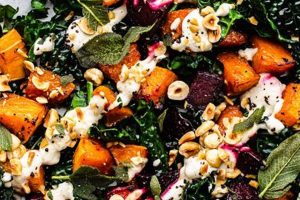
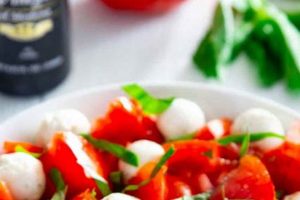
The Nicoise salad lends itself well to seasonal variations. Spring versions might feature asparagus or early potatoes, while summer iterations showcase ripe tomatoes and fresh basil. Autumn variations could incorporate roasted root vegetables like beets or sweet potatoes. This adaptability allows the salad to remain relevant throughout the year, maximizing the use of fresh, seasonal produce. A winter Nicoise salad might utilize hearty winter greens and preserved lemons, reflecting the limitations of seasonal availability while maintaining the spirit of the dish.
- Vegetarian and Vegan Adaptations:
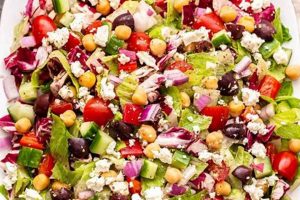
The Nicoise salad can easily accommodate dietary restrictions. Omitting the anchovies and tuna creates a vegetarian version. Substituting chickpeas, lentils, or marinated tofu for the protein element provides a hearty and flavorful vegan option. These adaptations demonstrate the salad’s versatility and inclusivity, ensuring its accessibility to a wider audience. A vegan Nicoise salad might incorporate avocado for richness and texture, compensating for the absence of traditional animal-based proteins.
- Creative Interpretations:
Beyond traditional and regional variations, chefs and home cooks alike continuously experiment with innovative ingredient combinations. Grilled halloumi, roasted peppers, or different types of olives can add unique flavor dimensions. These creative interpretations showcase the Nicoise salad as a dynamic and evolving culinary canvas, open to personalization and innovation. A modern interpretation might incorporate quinoa or farro for added texture and nutritional value, demonstrating the salad’s adaptability to contemporary culinary trends.
This inherent versatility contributes significantly to the enduring popularity of the Nicoise salad. It allows the dish to transcend its regional origins and adapt to diverse culinary landscapes, ensuring its continued relevance in kitchens worldwide. Whether adhering to traditional preparations or embracing innovative adaptations, the Nicoise salad remains a testament to the power of versatile ingredient combinations in creating a flavorful and adaptable culinary experience.
5. Nutritional Value and Health Benefits
Nutritional value and health benefits represent a significant aspect of Nicoise salad’s appeal, extending beyond its culinary merits. The dish offers a compelling combination of essential nutrients, derived from its diverse array of fresh ingredients. Understanding these nutritional components provides a deeper appreciation for the salad’s contribution to a healthy diet.
- Macronutrient Profile:
Nicoise salad provides a balanced macronutrient profile, encompassing protein, healthy fats, and complex carbohydrates. Protein, primarily from tuna, eggs, or beans, contributes to satiety and muscle maintenance. Healthy fats, derived from olive oil and olives, support cardiovascular health and provide essential fatty acids. Complex carbohydrates from potatoes and green beans offer sustained energy and fiber. This balance distinguishes the Nicoise salad from less nutritionally complete meals, making it a suitable choice for those seeking a balanced dietary intake. For example, a serving of Nicoise salad can provide a substantial portion of the recommended daily intake of protein and healthy fats.
- Micronutrient Content:
The salad’s diverse ingredients contribute a range of essential vitamins and minerals. Tomatoes offer vitamin C and antioxidants, while leafy greens provide vitamin K and folate. Olives contribute vitamin E and iron. This variety ensures a broad spectrum of micronutrients, supporting various bodily functions, including immune function, bone health, and energy production. Compared to less varied meals, the Nicoise salad offers a more comprehensive micronutrient profile, contributing to overall health and well-being. Substituting specific ingredients, such as swapping spinach for romaine lettuce, can further enhance the micronutrient density.
- Antioxidant Properties:
Many ingredients in a Nicoise salad possess antioxidant properties, which combat oxidative stress and protect against cellular damage. Tomatoes, olives, and leafy greens are particularly rich in antioxidants. These compounds contribute to long-term health benefits, reducing the risk of chronic diseases. The combined antioxidant power of these ingredients distinguishes the Nicoise salad from meals lacking such protective compounds, offering additional health advantages beyond basic nutritional requirements. Choosing specific varieties of ingredients, such as heirloom tomatoes known for their high antioxidant content, can further amplify these benefits.
- Dietary Fiber:
Nicoise salad provides a good source of dietary fiber, primarily from vegetables like green beans and potatoes. Fiber promotes digestive health, regulates blood sugar levels, and contributes to satiety. This fiber content differentiates the Nicoise salad from meals low in fiber, offering additional benefits for digestive health and overall well-being. Including the skins of potatoes increases the fiber content further, maximizing this nutritional advantage. The fiber also contributes to the feeling of fullness, potentially aiding in weight management.
These nutritional and health benefits underscore the value of Nicoise salad as more than just a flavorful dish. Its balanced composition, rich micronutrient profile, and abundance of antioxidants contribute to a healthy and balanced diet. While variations exist, the underlying nutritional value remains a consistent and significant aspect of this classic culinary creation. Understanding these benefits allows for informed ingredient choices and recipe adaptations to further enhance the salad’s nutritional impact, aligning with individual dietary needs and preferences.
6. Regional and Historical Context

The Nicoise salad’s identity is inextricably linked to its regional and historical context. Originating in the coastal city of Nice, France, the salad reflects the region’s culinary traditions, shaped by its Mediterranean climate, access to fresh seafood, and agricultural abundance. Understanding this context provides crucial insights into the dish’s evolution, its authentic characteristics, and its enduring cultural significance. Initially, the salad likely consisted of a simple combination of tomatoes, anchovies, and olive oil, reflecting the readily available ingredients of the region. The inclusion of other components, such as tuna, green beans, and potatoes, occurred later, likely influenced by evolving culinary trends and ingredient availability. For example, the widespread adoption of canned tuna in the early 20th century significantly impacted the salad’s composition, making tuna a more accessible and common ingredient.
The regional context also influences variations in preparation and ingredient selection. Some Nioise preparations exclude potatoes, adhering to the belief that a true Nicoise salad should remain a light and refreshing dish, not a hearty meal. Other variations incorporate regional ingredients like artichoke hearts or fava beans, reflecting the local agricultural landscape. These regional nuances demonstrate the dynamic nature of culinary traditions, shaped by local customs and ingredient availability. For instance, the use of specific types of olives, such as small, black Nioise olives, further connects the salad to its regional origins. The historical evolution of the salad, from a simple dish of tomatoes and anchovies to the more complex variations seen today, reveals the interplay of tradition and innovation in shaping culinary practices.
Appreciating the regional and historical context of the Nicoise salad enhances one’s understanding and enjoyment of the dish. It allows for a deeper connection to the culinary heritage of Nice and provides a framework for evaluating authenticity. While variations and adaptations exist, recognizing the salad’s historical and regional roots provides a benchmark for appreciating its true essence. Challenges arise in defining a definitive “authentic” recipe due to the dish’s evolving nature and regional variations. However, recognizing the foundational principles rooted in the region’s culinary history allows for informed interpretation and appreciation of this iconic salad. This understanding enriches the culinary experience, transforming a simple salad into a tangible connection to a specific place and time.
Frequently Asked Questions
This section addresses common inquiries regarding Nicoise salad preparation and variations.
Question 1: Must potatoes be included?
While some consider potatoes a non-traditional addition, their inclusion remains a matter of personal preference and regional variation. Authenticity does not necessarily mandate their presence or absence.
Question 2: What type of tuna is most appropriate?
High-quality canned tuna packed in olive oil is preferable. Freshly seared tuna steaks offer a more refined option. Canned tuna packed in water is generally less desirable due to its drier texture and less robust flavor.
Question 3: Can anchovies be omitted?
Anchovies contribute a crucial salty element that balances the other flavors. While omission is possible, it alters the traditional flavor profile and may require adjustments to seasonings.
Question 4: What are suitable substitutes for green beans?
Asparagus, fava beans, or haricots verts offer viable alternatives to green beans, particularly when considering seasonal availability or personal preferences.
Question 5: How can the salad be adapted for vegetarians?
Omitting anchovies and tuna and substituting chickpeas, lentils, or hard-boiled eggs creates a satisfying vegetarian adaptation. Marinated tofu offers a vegan alternative.
Question 6: Is a specific type of dressing required?
A classic vinaigrette, typically composed of olive oil, lemon juice, Dijon mustard, and seasonings, is considered traditional. Variations may incorporate herbs or other flavorings, but a simple vinaigrette remains the standard.
Addressing these common inquiries clarifies potential ambiguities regarding ingredient selection and preparation, furthering understanding of this adaptable and iconic dish.
Further sections will explore specific recipes and variations in greater detail.
Nicoise Salad Recipes
Exploration of Nicoise salad recipes reveals a dish grounded in tradition yet adaptable to modern interpretations. Emphasis on fresh, high-quality ingredients, balanced flavor profiles, and adherence to classic French culinary principles ensures an authentic and satisfying culinary experience. Regional variations and ingredient substitutions demonstrate the dish’s versatility, while its nutritional value contributes to its appeal as a healthy and flavorful meal.
The enduring popularity of Nicoise salad recipes testifies to the dish’s timeless appeal. Understanding its historical context, regional variations, and culinary nuances allows for a deeper appreciation of this classic creation. Continued exploration and experimentation promise further evolution and enjoyment of this versatile and iconic salad.