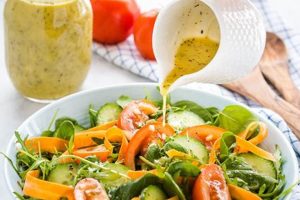
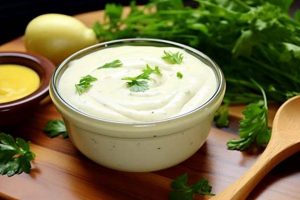
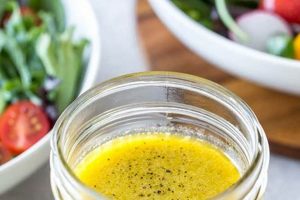
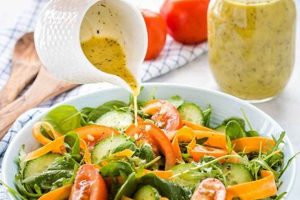
Emulsified mixtures of oil, an acid (typically vinegar or lemon juice), and seasonings form the foundation of creamy dressings for salads and other culinary applications. A classic example combines these core ingredients with egg yolks for richness and texture. Variations incorporate additional flavors through herbs, spices, or other additions like mustard, cheeses, or chili sauces.
Such dressings offer versatility, enhancing the flavor and palatability of salads and sandwiches. They contribute a luxurious mouthfeel and can act as a binding agent for ingredients. Historically, these emulsions have evolved from simple oil and vinegar mixtures to complex combinations reflecting regional tastes and culinary innovation. Their enduring appeal stems from their ability to transform simple dishes into more enjoyable culinary experiences.
The following sections will delve deeper into specific formulation techniques, explore diverse ingredient combinations, and offer practical guidance for crafting exceptional dressings suited to a variety of culinary needs.
Tips for Crafting Exceptional Dressings
Achieving a harmonious balance of flavors and textures is crucial when preparing emulsified dressings. The following tips provide guidance for consistently successful results.
Tip 1: Emulsification Technique: Gradual incorporation of the oil into the acid-yolk mixture is essential for a stable emulsion, preventing separation. Whisking constantly while drizzling the oil in a slow, steady stream creates the desired creamy consistency.
Tip 2: Ingredient Temperature: Room temperature ingredients emulsify more readily. Cold ingredients can hinder proper emulsification, leading to a thinner, less stable dressing.
Tip 3: Freshness of Ingredients: The quality of the ingredients directly impacts the final flavor. Freshly squeezed lemon juice or high-quality vinegar contribute brighter, more vibrant notes.
Tip 4: Balancing Flavors: Achieving a balanced flavor profile requires careful consideration of the ingredients’ acidity, sweetness, and saltiness. Taste and adjust seasonings throughout the process.
Tip 5: Flavor Enhancements: Incorporating fresh herbs, spices, or other flavoring agents can elevate the dressing. Minced garlic, Dijon mustard, or finely chopped chives can add depth and complexity.
Tip 6: Storage: Properly stored dressings remain stable for several days. Refrigeration in an airtight container prevents oxidation and preserves freshness.
Tip 7: Customization: Adapting base recipes to suit specific needs offers flexibility. Modifying ingredient ratios and incorporating preferred seasonings allows for personalized flavor profiles.
By following these guidelines, one can consistently create flavorful, stable dressings that enhance a variety of dishes.
The techniques and principles outlined above provide a solid foundation for crafting exceptional emulsions. Experimentation with flavors and ingredients is encouraged to discover unique and personalized variations.
1. Emulsification

Emulsification is fundamental to the creation of stable and palatable mayonnaise-based salad dressings. It represents the process of combining two immiscible liquids, typically oil and an aqueous phase (like vinegar or lemon juice), into a homogenous mixture. This process prevents separation and delivers the characteristic creamy texture expected of these dressings.
- Temporary vs. Permanent Emulsions
Temporary emulsions, like a simple vinaigrette, separate quickly without constant agitation. Permanent emulsions, like mayonnaise, achieve stability through the addition of an emulsifying agent. In mayonnaise, egg yolks containing lecithin serve this role, creating a durable blend resistant to separation. This distinction directly impacts the shelf life and textural properties of the dressing.
- Role of the Emulsifier
Emulsifiers, like lecithin in egg yolks, possess both hydrophobic (oil-loving) and hydrophilic (water-loving) parts. These molecules position themselves at the interface between the oil droplets and the aqueous phase, reducing surface tension and preventing coalescence. This action stabilizes the emulsion, preventing the oil and aqueous components from separating, crucial for the desirable consistency and appearance of the dressing.
- Factors Influencing Emulsion Stability
Several factors influence the stability of an emulsion, including the rate of oil addition, temperature, and the presence of other ingredients. Slow, gradual incorporation of oil during whisking allows the emulsifier to effectively coat each droplet. Room temperature ingredients facilitate a smoother emulsification process. Understanding these factors allows for greater control over the final product.
- Impact on Texture and Mouthfeel
The success of the emulsification process directly correlates with the texture and mouthfeel of the final dressing. A stable emulsion delivers the desired creamy consistency and prevents an oily mouthfeel. This contributes significantly to the overall sensory experience of the salad or dish to which the dressing is added.
The principles of emulsification dictate the stability, texture, and overall quality of mayonnaise-based salad dressings. A thorough understanding of the factors influencing this process, including the role of emulsifiers and environmental conditions, allows for the creation of superior dressings with desirable characteristics. Mastery of emulsification techniques is essential for producing consistent and high-quality results in the kitchen.
2. Ingredients
Ingredient selection significantly impacts the flavor profile, texture, and overall quality of mayonnaise-based salad dressings. Understanding the role of each component allows for informed choices that contribute to a successful final product. The following facets explore key ingredient categories and their contribution to the overall recipe.
- Oils
The choice of oil influences the flavor, texture, and nutritional value. Neutral oils, such as canola or grapeseed, allow other ingredients to shine, while olive oil contributes a distinct fruity and peppery flavor. Avocado oil offers a creamy texture and a mild flavor. The oil constitutes a significant portion of the dressing, making its selection crucial for the final outcome. For instance, using extra virgin olive oil will create a more robust flavor profile compared to a refined olive oil.
- Acidic Components
Acidity balances the richness of the oil and adds brightness to the dressing. Vinegars, such as white wine vinegar, apple cider vinegar, or champagne vinegar, contribute distinct flavor notes. Lemon or lime juice offer a citrusy tang. The acidity level influences the overall taste and how the dressing interacts with other ingredients in a salad, such as vegetables or proteins. A higher acidity level will provide a sharper, more tart flavor.
- Emulsifying Agents
Emulsifying agents, like egg yolks, are essential for binding the oil and aqueous phases, creating a stable emulsion. Egg yolks contribute richness and a smooth texture. Alternatives like mustard or honey can also act as emulsifiers, though they may influence the overall flavor. The chosen emulsifier dictates the stability and texture of the dressing and influences how it coats and clings to salad ingredients.
- Seasonings and Flavor Enhancers
Seasonings elevate the flavor profile beyond the basic components. Salt and pepper are fundamental, while herbs (dill, parsley, chives), spices (paprika, garlic powder, onion powder), and other flavor enhancers (mustard, Worcestershire sauce, anchovy paste) add complexity and depth. The selection of seasonings determines the final character of the dressing, allowing for endless customization based on preference and desired outcome. For example, a Southwestern-inspired dressing might incorporate chili powder and cumin, while a classic ranch utilizes dill, parsley, and garlic.
The careful selection and combination of these ingredient categories contribute significantly to the success of a mayonnaise-based salad dressing recipe. The interplay of oils, acids, emulsifiers, and seasonings ultimately determines the final flavor profile, texture, and overall quality. Understanding the role and impact of each ingredient allows for informed choices and the creation of dressings tailored to specific tastes and culinary applications.
3. Balance
Balance within a mayonnaise salad dressing recipe refers to the harmonious interplay of fundamental taste elements: acidity, sweetness, saltiness, and richness. Achieving this equilibrium is crucial for a palatable and enjoyable dressing that complements, rather than overwhelms, the other ingredients in a dish. A well-balanced dressing enhances the overall dining experience.
- Acidity
Acidity, primarily derived from vinegar or citrus juice, provides brightness and cuts through the richness of the mayonnaise and oil. It offers a sharpness that stimulates the palate and prevents the dressing from feeling heavy. For example, a lemon vinaigrette provides a refreshing contrast to a rich, creamy dressing. In mayonnaise-based dressings, the acidity balances the fattiness of the mayonnaise and oil, creating a more complex and enjoyable flavor profile.
- Sweetness
Sweetness, often introduced through sugar, honey, or other sweeteners, tempers the acidity and adds a rounded dimension to the flavor. A touch of sweetness can create a more nuanced and less one-dimensional taste. Incorporating a small amount of honey into a vinaigrette, for instance, mellows the vinegar’s sharpness. Similarly, in mayonnaise-based dressings, a touch of sweetness can enhance the overall flavor complexity and balance the other taste components.
- Saltiness
Salt enhances the other flavors present and acts as a crucial binding element in the overall taste profile. It provides a savory depth and rounds out the other components. Proper salting brings out the inherent flavors of the ingredients and ensures a more complete and satisfying taste experience. In dressings, salt amplifies the flavors of the herbs, spices, and other ingredients while also balancing the acidity and sweetness.
- Richness (Fat Content)
Richness, contributed by the mayonnaise and oil, provides a luxurious mouthfeel and carries the flavors of the other ingredients. This element is crucial for the texture and overall sensory experience of the dressing. However, excessive richness can be overwhelming. The balance lies in achieving a creamy texture without making the dressing overly heavy. Using a lighter mayonnaise or incorporating a small amount of buttermilk can adjust the richness while maintaining a desirable texture. Balancing the richness with acidity and other flavor components is key to a well-rounded dressing.
A successful mayonnaise salad dressing recipe relies on the careful calibration of these four elements. The interplay of acidity, sweetness, saltiness, and richness creates a complex and harmonious flavor profile that elevates the overall culinary experience. A balanced dressing complements the other ingredients in a dish, enhancing their flavors rather than masking them. This balance is crucial for producing a dressing that is both palatable and enjoyable.
4. Flavor Profiles
Flavor profiles significantly influence the versatility and suitability of mayonnaise-based salad dressings for various culinary applications. The intentional combination of ingredients creates distinct flavor profiles, allowing these dressings to complement a wide range of dishes and individual preferences. Understanding the construction and impact of different flavor profiles is essential for crafting dressings that enhance the overall dining experience.
Flavor profiles emerge from the careful selection and balance of ingredients. A classic ranch dressing, for example, relies on the herbaceous notes of dill, parsley, and chives, combined with the tang of buttermilk and the richness of mayonnaise. This creates a cool, creamy profile that pairs well with salads, vegetables, and fried foods. Conversely, a spicy chipotle mayonnaise dressing incorporates smoky chipotle peppers, lime juice, and cilantro, resulting in a bold, fiery profile suitable for grilled meats or Southwestern-inspired cuisine. These examples illustrate how specific ingredient combinations contribute to distinct flavor experiences.
The practical significance of understanding flavor profiles lies in the ability to tailor dressings to specific dishes and palates. A light and tangy vinaigrette complements delicate greens, while a robust, creamy dressing enhances heartier salads or sandwiches. Consideration of the flavor profile allows for pairings that elevate both the dressing and the accompanying dish, rather than creating conflicting tastes. Challenges arise when flavor profiles clash, such as pairing a sweet fruit salad with a savory, herbaceous dressing. Careful consideration of these interactions ensures a harmonious and enjoyable culinary outcome. Mastery of flavor profile construction enables the creation of dressings that not only complement existing dishes but also inspire new culinary creations.
5. Customization

Customization represents a significant advantage of mayonnaise-based salad dressings, allowing adaptation to individual preferences and specific culinary needs. This adaptability stems from the inherent flexibility of the base recipe, enabling modifications that create a wide array of flavor profiles and textures. Exploring the various facets of customization reveals the potential of these dressings to transcend basic culinary applications and become truly personalized culinary creations.
- Ingredient Swaps
Ingredient swaps offer a direct path to flavor profile modification. Substituting different oils, vinegars, or flavor enhancers can dramatically alter the final taste. For example, swapping the traditional lemon juice for lime juice in a cilantro-lime dressing introduces a distinct citrus nuance. Similarly, using a flavored olive oil, such as a garlic-infused oil, can add depth and complexity. These substitutions allow for endless variations tailored to specific preferences and dietary needs.
- Texture Adjustments
Texture adjustments provide another avenue for customization. Adding pureed roasted vegetables, such as red peppers or avocados, can create a thicker, creamier consistency. Conversely, thinning the dressing with additional buttermilk or water creates a lighter, more pourable texture. These modifications can cater to different salad types and personal preferences, ensuring the dressing complements the other ingredients effectively.
- Dietary Adaptations
Customization allows for adaptation to dietary restrictions and preferences. Using vegan mayonnaise or substituting egg yolks with other emulsifying agents, like aquafaba, creates plant-based alternatives. Reducing the oil content or incorporating Greek yogurt instead of mayonnaise creates lighter options. These adaptations ensure that individuals with dietary limitations can still enjoy flavorful and personalized dressings.
- Flavor Combinations
The ability to experiment with different flavor combinations allows for the creation of unique and signature dressings. Incorporating spices like curry powder or smoked paprika creates ethnic-inspired flavors. Adding chopped fresh herbs, such as mint or basil, introduces fresh, vibrant notes. These combinations allow for personalized flavor profiles that reflect individual tastes and complement specific dishes or cuisines.
The customization inherent in mayonnaise-based salad dressing recipes fosters culinary creativity and expands their utility beyond standard applications. The ability to adapt ingredients, adjust textures, accommodate dietary needs, and explore flavor combinations transforms these dressings into versatile tools for personalized culinary expression. This adaptability ensures that individuals can tailor dressings to their exact preferences and seamlessly integrate them into a wide range of dishes and cuisines.
6. Techniques

Proper techniques are essential for achieving the desired texture, stability, and flavor in mayonnaise-based salad dressings. These methods influence the emulsification process, ingredient incorporation, and overall quality of the final product. Understanding and applying these techniques ensures consistent and successful results.
- Gradual Incorporation
Gradual incorporation of oil into the aqueous phase is crucial for stable emulsification. Slowly drizzling the oil while whisking vigorously allows the emulsifying agent (typically egg yolks) to effectively coat each oil droplet, preventing separation. Rushing this process can lead to a broken emulsion, resulting in a thin and oily dressing rather than a smooth, creamy one. This technique is fundamental to achieving the desired texture and consistency.
- Whisking vs. Blending
The choice between whisking and blending impacts the final texture of the dressing. Whisking creates a lighter, airier texture, while blending produces a denser, more homogenous emulsion. Whisking is often preferred for classic mayonnaise-based dressings, while blending is suitable for dressings incorporating thicker ingredients like roasted vegetables or herbs. The selected method should align with the desired final texture and the specific ingredients used.
- Temperature Control
Temperature control influences the emulsification process and the stability of the final product. Room temperature ingredients emulsify more readily and create a more stable emulsion. Using cold ingredients can hinder the emulsification process and lead to a separated dressing. Bringing ingredients to room temperature before combining ensures optimal emulsification and a smoother, more consistent final product.
- Seasoning and Adjustment
Seasoning and adjustment throughout the preparation process are essential for a well-balanced flavor profile. Tasting and adjusting seasonings incrementally allows for precise control over the final taste. Adding seasonings in stages, rather than all at once, allows flavors to meld and develop, preventing over-seasoning and ensuring a harmonious balance. This iterative process is crucial for achieving a dressing that complements, rather than overwhelms, the other components of a dish.
Mastery of these techniques ensures the creation of high-quality mayonnaise-based salad dressings with the desired texture, stability, and flavor. Careful attention to gradual incorporation, appropriate mixing methods, temperature control, and incremental seasoning contributes significantly to the success of the recipe. These techniques represent the foundational skills necessary for crafting exceptional dressings that enhance a wide range of culinary applications.
Frequently Asked Questions
This section addresses common inquiries regarding the preparation and utilization of mayonnaise-based salad dressings.
Question 1: What causes mayonnaise-based dressings to separate?
Separation typically results from improper emulsification, often due to rapid addition of oil or the use of cold ingredients. Thorough whisking and room temperature ingredients promote stability.
Question 2: How can one achieve a thicker consistency?
Increased viscosity can be achieved by incorporating pureed ingredients such as roasted vegetables (e.g., red peppers) or avocado, or by reducing the quantity of added liquid.
Question 3: What alternatives exist for egg yolks as emulsifiers?
Mustard, honey, or silken tofu can function as alternative emulsifying agents, although the final flavor and texture may be affected.
Question 4: How should these dressings be stored?
Refrigeration in airtight containers is recommended. Properly stored dressings typically remain stable for several days, minimizing oxidation and preserving freshness.
Question 5: Can these recipes be adapted for vegan diets?
Vegan mayonnaise or alternative emulsifiers like aquafaba can replace traditional egg yolks, enabling adaptation for plant-based diets.
Question 6: How can excessive richness be mitigated?
Incorporating less oil or substituting a portion of the mayonnaise with plain yogurt or buttermilk can reduce the overall richness while maintaining a creamy texture.
Careful consideration of these points contributes to successful preparation and enjoyable consumption.
The subsequent section offers a collection of diverse recipe variations showcasing the versatility of mayonnaise-based salad dressings.
Mayonnaise Salad Dressing Recipe
This exploration of mayonnaise-based salad dressing recipes has highlighted the crucial elements contributing to their success. From the foundational principles of emulsification to the nuanced interplay of ingredients, balance, and flavor profiles, the versatility and adaptability of these dressings have been thoroughly examined. Techniques influencing texture and stability, along with the potential for customization, underscore the capacity of these recipes to cater to diverse culinary needs and preferences.
Mastery of these culinary principles empowers informed decision-making regarding ingredient selection, flavor combinations, and textural adjustments. This knowledge translates to the creation of dressings that not only enhance existing dishes but also inspire culinary innovation. The enduring appeal of mayonnaise-based dressings stems from their adaptability and potential for personalized expression, solidifying their role as a cornerstone of culinary practice.