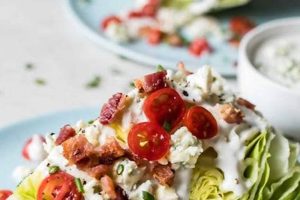
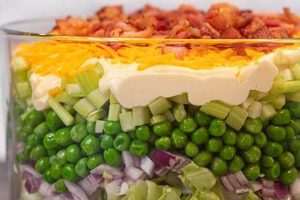
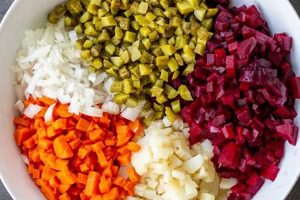
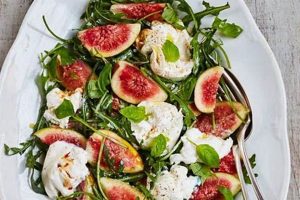
Low-carbohydrate, high-fat salads designed for individuals following a ketogenic diet typically emphasize non-starchy vegetables, healthy fats, and protein sources. For example, a spinach salad with grilled chicken or fish, avocado, nuts, and a vinaigrette dressing made with olive oil and vinegar exemplifies this approach. These meals prioritize nutrient density while minimizing net carbohydrate intake, a key aspect of maintaining ketosis.
Such meal options offer a variety of potential advantages. By restricting carbohydrates, these salads can assist in weight management, blood sugar regulation, and improved satiety. Historically, variations of low-carbohydrate diets have existed for centuries, primarily used for therapeutic purposes such as epilepsy management. The modern ketogenic diet, while still utilized therapeutically, has gained popularity as a dietary strategy for weight loss and metabolic health improvement.
The following sections delve into specific ingredient choices, preparation techniques, and recipe examples for crafting flavorful, nutrient-rich, and keto-compliant salads.
Tips for Crafting Ketogenic Salads
Creating satisfying and nutrient-dense salads while adhering to ketogenic principles requires careful consideration of ingredients and preparation methods. The following tips offer guidance for constructing flavorful, keto-compliant salads.
Tip 1: Prioritize Non-Starchy Vegetables: Leafy greens like spinach, kale, and romaine lettuce form an excellent base. Cruciferous vegetables such as broccoli, cauliflower, and Brussels sprouts add bulk and nutrients. Avoid starchy vegetables like potatoes, corn, and carrots due to their higher carbohydrate content.
Tip 2: Incorporate Healthy Fats: Avocados, olives, nuts, and seeds contribute healthy fats and enhance flavor. Dressings based on olive oil, avocado oil, or MCT oil provide essential fatty acids and support ketosis.
Tip 3: Choose Quality Protein Sources: Grilled chicken, fish, seafood, or hard-boiled eggs offer complete protein, promoting satiety and muscle maintenance. Consider incorporating cheese, such as feta or cheddar, for additional flavor and fat.
Tip 4: Be Mindful of Hidden Carbohydrates: Certain salad ingredients, like dried cranberries or bottled dressings, can contain hidden sugars. Opt for fresh berries in moderation and prepare homemade dressings to control carbohydrate intake.
Tip 5: Enhance Flavor with Herbs and Spices: Fresh herbs like basil, oregano, and thyme, along with spices like cumin and chili powder, elevate the flavor profile without adding carbohydrates.
Tip 6: Vary Textures and Colors: Combining different textures, such as crunchy nuts and creamy avocado, creates a more enjoyable sensory experience. Incorporating a variety of colorful vegetables adds visual appeal and broadens nutrient intake.
Tip 7: Prepare Ingredients in Advance: Pre-washing and chopping vegetables, grilling proteins, and making dressings ahead of time streamlines meal preparation and encourages consistent adherence to dietary goals.
By following these guidelines, individuals can construct diverse and flavorful salads that support their ketogenic lifestyle while maximizing nutrient intake and promoting overall well-being.
These tips lay a foundation for successful ketogenic salad creation. The concluding section offers practical recipe examples and further resources for continued exploration.
1. Low-Carb Vegetables

Low-carbohydrate vegetables form the foundation of successful ketogenic salad recipes. Their crucial role stems from the ketogenic diet’s emphasis on minimizing carbohydrate intake to induce and maintain ketosis, a metabolic state where the body utilizes fat for fuel. Selecting appropriate vegetables ensures the salad aligns with these dietary restrictions while providing essential nutrients and contributing to satiety.
- Leafy Greens:
Leafy greens, such as spinach, kale, romaine lettuce, and arugula, represent ideal choices due to their minimal carbohydrate content and rich micronutrient profile. These versatile greens provide volume and texture, serving as an excellent base for ketogenic salads. For example, a spinach salad with grilled chicken and avocado offers a nutrient-dense, keto-friendly meal.
- Cruciferous Vegetables:
Cruciferous vegetables, including broccoli, cauliflower, Brussels sprouts, and cabbage, offer slightly higher carbohydrate content compared to leafy greens but still remain suitable for ketogenic diets in moderation. These vegetables contribute fiber, vitamins, and minerals, supporting digestive health and overall well-being. Cauliflower rice can replace traditional rice in a salad, providing a lower-carbohydrate alternative.
- Other Non-Starchy Vegetables:
Other non-starchy vegetables like asparagus, celery, cucumbers, zucchini, and bell peppers provide further variety and nutritional benefits within a ketogenic framework. These vegetables offer diverse flavors and textures, enhancing the overall salad experience. Adding sliced cucumbers and bell peppers to a salad introduces refreshing crispness.
- Considerations and Cautions:
While focusing on low-carbohydrate vegetables, portion control remains important, particularly with certain vegetables like tomatoes and onions, which possess moderately higher carbohydrate content. Understanding the carbohydrate content of different vegetables allows for informed choices that align with individual dietary needs and macronutrient targets. Overconsumption of even low-carb vegetables can hinder ketosis if daily carbohydrate limits are exceeded.
Strategic selection of low-carbohydrate vegetables ensures ketogenic salads provide nutritional value while adhering to dietary restrictions. This foundation of nutrient-dense, low-carbohydrate vegetables allows for the incorporation of other keto-compatible ingredients, such as healthy fats and protein sources, to create complete and satisfying meals. By understanding the carbohydrate content and nutritional profiles of various vegetables, individuals can construct diverse and flavorful salads that support their ketogenic lifestyle.
2. Healthy Fats

Healthy fats constitute a cornerstone of ketogenic salad recipes, playing a vital role in achieving and maintaining ketosis. The ketogenic diet’s emphasis on high-fat intake necessitates the inclusion of these fats as a primary energy source. Furthermore, they contribute to satiety, enhance flavor, and facilitate the absorption of fat-soluble vitamins. Understanding the types and benefits of healthy fats enables informed choices for constructing nutrient-rich, keto-compliant salads.
- Avocados:
Avocados offer monounsaturated fats, fiber, and various micronutrients. Their creamy texture complements salads, adding richness and enhancing satiety. Adding sliced avocado to a chicken salad provides healthy fats and a satisfying texture.
- Nuts and Seeds:
Nuts and seeds, including almonds, walnuts, chia seeds, and flax seeds, provide a variety of healthy fats, fiber, and protein. They offer crunchy texture and flavor complexity to salads. Sprinkling a salad with slivered almonds adds healthy fats and a satisfying crunch.
- Oils:
Olive oil, avocado oil, and MCT oil provide essential fatty acids and serve as a base for salad dressings. These oils support ketosis and contribute to overall health. A vinaigrette dressing made with olive oil and vinegar enhances flavor and provides healthy fats.
- Olives:
Olives offer monounsaturated fats and antioxidants. Their distinct flavor adds a savory element to salads. Adding sliced olives to a Greek salad provides healthy fats and a briny flavor.
The strategic incorporation of healthy fats into ketogenic salads ensures adequate energy intake, promotes satiety, and enhances flavor. These fats play a crucial role in supporting the metabolic goals of the ketogenic diet while contributing to overall nutrient density. By selecting a variety of healthy fat sources, individuals can create diverse and satisfying salads that align with ketogenic principles.
3. Sufficient Protein

Sufficient protein intake represents a critical component of successful ketogenic salad recipes. Protein plays a crucial role in satiety, preserving lean muscle mass during periods of caloric restriction, and supporting various metabolic functions. Within the context of ketogenic salads, adequate protein ensures the meal provides balanced nutrition and contributes to the overall effectiveness of the diet. The following facets explore the significance of protein in ketogenic salads.
- Satiety and Appetite Control:
Protein exerts a potent influence on satiety, promoting feelings of fullness and reducing appetite. This effect proves particularly beneficial in ketogenic diets, which often involve reduced calorie intake. By incorporating sufficient protein into salads, individuals can better manage hunger and adhere to dietary goals. For example, a salad featuring grilled chicken breast provides substantial protein, contributing to greater satiety compared to a salad lacking a significant protein source.
- Muscle Mass Preservation:
Maintaining lean muscle mass represents a key objective in any weight management strategy, including the ketogenic diet. Adequate protein intake supports muscle protein synthesis, mitigating muscle loss that can occur during periods of caloric restriction. Including protein-rich foods like fish or tofu in ketogenic salads helps preserve muscle mass while adhering to dietary guidelines. This preservation of muscle mass contributes to a healthier body composition and metabolic rate.
- Metabolic Function and Gluconeogenesis:
Protein plays a vital role in various metabolic processes, including gluconeogenesis, the production of glucose from non-carbohydrate sources. In ketogenic diets, where carbohydrate intake is restricted, gluconeogenesis becomes essential for maintaining blood glucose levels within a healthy range. Adequate protein intake ensures the body has sufficient substrate for gluconeogenesis, supporting overall metabolic function. Incorporating protein sources like eggs or cheese into ketogenic salads contributes to this process.
- Nutrient Density and Variety:
Protein-rich foods often contribute essential micronutrients, further enhancing the nutritional value of ketogenic salads. Including a variety of protein sources, such as seafood, poultry, and plant-based options, broadens the spectrum of nutrients consumed. A salad containing salmon, for instance, provides omega-3 fatty acids in addition to protein, supporting overall health and well-being.
Sufficient protein intake serves as a crucial factor in the success of ketogenic salad recipes. By promoting satiety, preserving muscle mass, supporting metabolic function, and enhancing nutrient density, adequate protein contributes significantly to the overall effectiveness and health benefits of a ketogenic diet. Strategic selection and incorporation of protein sources elevate ketogenic salads from simple side dishes to complete, satisfying meals that support dietary adherence and overall well-being.
4. Flavorful Enhancements

Flavorful enhancements play a crucial role in the long-term success of ketogenic salad recipes. The restrictive nature of the ketogenic diet, with its emphasis on minimizing carbohydrate intake, can sometimes lead to meal monotony. Flavorful enhancements address this challenge by introducing variety and complexity, thereby promoting adherence to the diet. Herbs, spices, vinegars, and low-carbohydrate flavoring agents transform simple salads into satisfying and enjoyable meals, reducing the likelihood of cravings for non-compliant foods. For example, a simple salad of mixed greens and grilled chicken can be significantly enhanced with the addition of fresh herbs like basil and oregano, a squeeze of lemon juice, and a sprinkle of grated Parmesan cheese. This not only elevates the flavor profile but also provides additional micronutrients.
The practical significance of incorporating flavorful enhancements extends beyond simply making ketogenic salads more palatable. By stimulating the senses and providing gustatory satisfaction, these additions contribute to a more positive relationship with food. This positive reinforcement can be instrumental in maintaining motivation and commitment to the ketogenic lifestyle. Furthermore, the use of fresh herbs and spices introduces a wide array of phytonutrients and antioxidants, further contributing to overall health and well-being. Experimentation with different flavor combinations allows individuals to discover preferred profiles, increasing dietary variety and reducing reliance on processed or high-carbohydrate flavor enhancers. A salad featuring grilled shrimp, avocado, and a lime-cilantro dressing exemplifies the potential for diverse and exciting flavor combinations within the ketogenic framework.
In conclusion, flavorful enhancements are not merely superficial additions to ketogenic salad recipes; they represent a critical component of dietary adherence and overall well-being. By addressing potential meal monotony and promoting a positive relationship with food, these enhancements contribute to the long-term sustainability of the ketogenic diet. The strategic use of herbs, spices, and other low-carbohydrate flavoring agents allows individuals to enjoy flavorful, nutrient-rich meals while adhering to the principles of ketogenic eating. This focus on flavor, combined with the nutritional benefits of ketogenic salads, establishes a foundation for sustained dietary success.
5. Portion Control

Portion control represents a critical aspect of ketogenic salad recipes and overall dietary adherence, irrespective of macronutrient ratios. While the ketogenic diet emphasizes fat consumption, unchecked caloric intake can hinder weight management goals. Even nutrient-dense, keto-compliant foods contribute to overall caloric intake. Consuming excessive quantities of healthy fats, such as avocados or nuts, can lead to a caloric surplus, potentially impeding weight loss or even leading to weight gain. A large salad composed primarily of high-fat ingredients, while keto-friendly, may still exceed individual caloric needs. Therefore, portion control remains essential for managing overall energy balance within a ketogenic framework. For example, a salad featuring four ounces of grilled chicken, one-half avocado, and two tablespoons of olive oil offers a balanced ketogenic meal, whereas doubling these quantities could significantly increase caloric intake beyond intended targets.
Practical application of portion control within ketogenic salad preparation involves mindful ingredient measurement and awareness of serving sizes. Utilizing measuring cups, food scales, and pre-portioned containers aids in accurately assessing portion sizes. This practice fosters a deeper understanding of caloric density and promotes mindful eating habits. Visual cues, such as comparing portion sizes to everyday objects, can also assist in estimating appropriate serving sizes. For instance, a serving of nuts should be approximately the size of a thumb, while a serving of cheese resembles a pair of dice. Furthermore, pre-logging meals in a food diary or tracking app facilitates proactive calorie management and allows for adjustments throughout the day. These strategies empower individuals to maintain control over their caloric intake while enjoying the flavor and nutritional benefits of ketogenic salads. They also promote long-term dietary adherence by reducing the likelihood of exceeding daily caloric goals.
In conclusion, portion control constitutes an integral component of successful ketogenic salad consumption and overall dietary adherence. Mindful portion management prevents overconsumption of even healthy fats and ensures alignment with individual caloric goals. Practical strategies, such as using measuring tools and tracking food intake, empower individuals to maintain control over their energy balance while enjoying the benefits of ketogenic eating. This integration of portion awareness into meal planning and preparation fosters a sustainable approach to the ketogenic diet and promotes long-term weight management success.
Frequently Asked Questions about Ketogenic Salads
This section addresses common inquiries regarding the preparation and consumption of ketogenic salads, providing concise and informative responses to facilitate informed dietary choices.
Question 1: How can one ensure a ketogenic salad remains low in carbohydrates?
Prioritizing non-starchy vegetables, such as leafy greens and cruciferous vegetables, forms the foundation of a low-carbohydrate salad. Careful selection of toppings and dressings is also essential. Starchy vegetables, high-sugar fruits, and croutons should be avoided.
Question 2: What are suitable protein sources for ketogenic salads?
Grilled chicken, fish, seafood, hard-boiled eggs, and cheese represent excellent protein choices for ketogenic salads. These options align with the macronutrient profile of the diet while providing essential amino acids.
Question 3: Which fats are recommended for ketogenic salad dressings?
Olive oil, avocado oil, and MCT oil are suitable choices for ketogenic salad dressings. These oils provide healthy fats and support ketosis. Commercial dressings often contain hidden sugars and should be scrutinized carefully.
Question 4: Can fruits be included in ketogenic salads?
Most fruits are relatively high in carbohydrates and should be limited or avoided in ketogenic salads. Small portions of berries, such as strawberries or blueberries, can be incorporated occasionally, but their carbohydrate content should be factored into daily macronutrient targets.
Question 5: How can one enhance the flavor of ketogenic salads without adding carbohydrates?
Fresh herbs, spices, vinegar, lemon or lime juice, and low-carbohydrate flavoring agents offer effective means of enhancing flavor without compromising the ketogenic nature of the salad. These additions provide variety and prevent meal monotony.
Question 6: What are common pitfalls to avoid when preparing ketogenic salads?
Common pitfalls include overconsumption of high-fat ingredients, such as nuts and cheese, exceeding portion sizes, and inadvertently incorporating hidden carbohydrates from certain vegetables, fruits, or dressings. Mindful ingredient selection and portion control are essential.
Careful attention to ingredient selection, portion sizes, and flavor combinations facilitates the creation of satisfying, nutrient-dense ketogenic salads that support dietary adherence.
This concludes the frequently asked questions section. The next segment will offer concluding thoughts and potential next steps.
Conclusion
Ketogenic salad recipes offer a versatile and nutritious approach to adhering to a low-carbohydrate, high-fat dietary framework. Careful selection of non-starchy vegetables, healthy fats, and adequate protein sources forms the foundation for successful ketogenic salad construction. Attention to portion control, coupled with the strategic use of flavor enhancers, ensures both dietary adherence and culinary satisfaction. Understanding the nutritional composition of various ingredients empowers informed decision-making and promotes optimal outcomes within a ketogenic lifestyle.
Exploration of diverse flavor profiles and ingredient combinations allows for continuous culinary discovery within the ketogenic paradigm. Adherence to established principles of macronutrient balance and portion awareness ensures that ketogenic salads contribute effectively to overall health and wellness objectives. Continued experimentation and adaptation of recipes facilitate long-term dietary adherence and promote a sustainable approach to ketogenic eating.