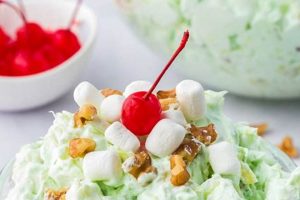
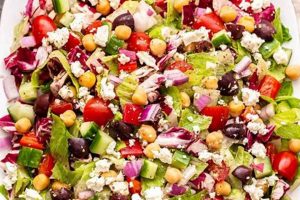
A molded salad featuring gelatin and cottage cheese as primary ingredients often includes added fruits, vegetables, or nuts for flavor and texture. Variations can range from sweet, fruit-studded versions to savory iterations incorporating ingredients like celery, onion, or peppers. A simple example might involve lime-flavored gelatin, cottage cheese, crushed pineapple, and chopped walnuts.
This type of dish gained popularity in mid-20th century America, offering a cool, refreshing, and relatively inexpensive option for luncheons, potlucks, or side dishes. Its adaptability allows for customization to individual preferences and seasonal ingredient availability. The dish represents a unique blend of sweet and savory elements, providing a textural contrast that can be appealing to some palates. The gelatin component contributes a jiggly consistency, while the cottage cheese adds a creamy, slightly tangy counterpoint.
Further exploration will cover variations on this dish, including specific recipes, nutritional information, tips for preparation, and its place within culinary history. Additionally, modern adaptations and alternatives will be discussed, addressing contemporary dietary preferences and health concerns.
Tips for Creating a Successful Molded Cottage Cheese Salad
Achieving a desirable texture and flavor balance in a gelatin-based cottage cheese salad requires attention to several key factors. The following tips offer guidance for optimal results.
Tip 1: Drain the cottage cheese thoroughly. Excess liquid will dilute the gelatin and prevent the salad from setting properly. Pressing the cottage cheese through a fine-mesh sieve or lining a colander with cheesecloth can aid in removing excess whey.
Tip 2: Dissolve the gelatin completely. Follow package instructions carefully, ensuring the gelatin granules are fully dissolved before incorporating other ingredients. Undissolved gelatin will create an unpleasant, grainy texture.
Tip 3: Chill the gelatin mixture slightly before adding the cottage cheese. This helps prevent the cottage cheese from clumping when mixed with the warm gelatin.
Tip 4: Fold in ingredients gently. Overmixing can break down the cottage cheese and create a less appealing texture. Use a light hand to combine the ingredients.
Tip 5: Choose complementary flavors. Consider the balance of sweet and savory elements. Fruit-flavored gelatin pairs well with sweeter additions like pineapple or mandarin oranges, while plain or savory gelatin complements vegetables and herbs.
Tip 6: Use high-quality ingredients. The flavor of the salad is directly influenced by the quality of the ingredients used. Opt for fresh, ripe fruits and vegetables and a good-quality cottage cheese.
Tip 7: Allow adequate chilling time. The salad should be chilled for several hours, or preferably overnight, to allow the gelatin to set completely and the flavors to meld.
By following these tips, one can create a visually appealing and flavorful molded cottage cheese salad that offers a pleasant balance of textures and tastes. Attention to detail ensures a successful and enjoyable culinary experience.
These guidelines provide a foundation for creating a variety of molded cottage cheese salad combinations. Experimentation with different flavors and textures is encouraged to discover personalized preferences.
1. Gelatin selection (flavor, type)

Gelatin selection significantly influences the overall character of a jello cottage cheese salad. Flavor and type considerations contribute not only to taste but also to the final appearance and texture of the dish. Careful selection ensures compatibility with other ingredients and alignment with the desired outcome, whether a sweet dessert salad or a savory side dish.
- Flavor Profile
Gelatin flavors range from traditional fruit options like lime, lemon, orange, and cherry to less common choices like berry blue or even unflavored varieties. Sweet flavors often complement fruit and nut additions, while unflavored gelatin provides a neutral base for savory ingredients like vegetables and herbs. The chosen flavor should harmonize with other components to create a balanced and cohesive taste experience. For example, a lime-flavored gelatin pairs well with tropical fruits, while orange gelatin complements mandarin oranges and cranberries.
- Gelatin Type
Various gelatin types exist, including powdered gelatin, gelatin sheets, and vegetarian alternatives like agar-agar. Powdered gelatin is the most common and readily available option for molded salads. Gelatin sheets offer a slightly different texture and require a specific blooming process. Vegetarian alternatives, while functional, may yield slightly different textural results and require adjusted preparation methods. The type selected should align with the desired texture and dietary needs.
- Color and Appearance
Gelatin contributes to the visual presentation of the salad. Vibrant colors can enhance the aesthetic appeal, while a clear or neutral gelatin allows the colors of other ingredients to shine through. Consider the overall color palette when selecting a gelatin flavor. A bright red cherry gelatin might clash with green vegetables, whereas a clear or lightly tinted gelatin would showcase their vibrant hues.
- Sugar Content
Gelatin products vary in sugar content. Some options are sugar-free, allowing for greater control over the overall sweetness of the dish. This factor is particularly relevant for dietary considerations or when aiming for a specific flavor balance. Sugar-free gelatin allows for the incorporation of artificial sweeteners or natural sweeteners like honey or maple syrup, catering to specific preferences or dietary needs.
The interplay between these facets of gelatin selection determines the foundational characteristics of the jello cottage cheese salad. Choosing the right gelatin flavor and type is paramount to achieving the desired flavor profile, texture, and visual appeal. A thoughtful approach to gelatin selection ensures a harmonious blend of ingredients and a successful final product.
2. Cottage Cheese (Texture, Fat Content)

Cottage cheese plays a crucial role in a jello cottage cheese salad, contributing significantly to the final texture and overall flavor profile. Understanding the nuances of cottage cheese selection, specifically concerning texture and fat content, is essential for achieving the desired outcome in this dish.
- Curd Size
Cottage cheese is available in various curd sizes, ranging from small to large. Small curd cottage cheese creates a smoother, more uniform texture within the salad, blending seamlessly with the gelatin. Larger curds provide a more distinct textural contrast. The choice depends on personal preference and the desired final presentation. A small curd might be preferred for a delicate, homogenous salad, while larger curds offer a chunkier, more rustic feel.
- Fat Content
Fat content in cottage cheese influences both flavor and texture. Lower fat options contribute a lighter texture and a milder flavor, while full-fat cottage cheese offers a richer, creamier mouthfeel and a more pronounced dairy flavor. The fat content also affects the salad’s overall richness and caloric density. A low-fat version aligns with lighter, healthier preparations, while full-fat cottage cheese contributes to a more decadent result.
- Moisture Content/Draining
Excess moisture in cottage cheese can dilute the gelatin and compromise the salad’s structural integrity. Thorough draining is essential to ensure proper setting and prevent a watery consistency. Different brands and varieties may exhibit varying moisture content. Draining through a fine-mesh sieve or pressing the cottage cheese in cheesecloth removes excess whey, contributing to a firmer, more stable salad.
- Additives and Flavorings
Some cottage cheese products contain added ingredients like stabilizers, gums, or flavorings. These additives can sometimes interact with the gelatin or affect the overall flavor profile of the salad. Opting for plain, unflavored cottage cheese provides a neutral base and allows for greater control over the final flavor composition. This ensures the intended flavors of the gelatin and other ingredients are prominent.
The selection of cottage cheese, with careful attention to curd size, fat content, moisture level, and potential additives, directly impacts the success of a jello cottage cheese salad. These factors influence not only the texture and taste but also the overall structural integrity and presentation of the finished dish. A thoughtful approach to cottage cheese selection ensures a harmonious balance of flavors and textures, contributing to a satisfying culinary experience. Understanding these nuances allows for customization and optimization based on individual preferences and desired outcomes.
3. Complementary Ingredients

Complementary ingredients represent a crucial element in jello cottage cheese salad recipes, contributing significantly to flavor complexity, textural contrast, and visual appeal. These additions transform a simple base of gelatin and cottage cheese into a more dynamic and engaging dish. Careful selection of complementary ingredients elevates the sensory experience and offers opportunities for creative customization.
The interplay between complementary ingredients and the base components creates a synergistic effect. Sweet additions, such as fruits like crushed pineapple, mandarin oranges, or chopped maraschino cherries, harmonize with fruit-flavored gelatins. Savory elements, such as chopped celery, grated carrots, or diced bell peppers, provide a contrasting flavor profile when paired with unflavored or savory gelatin. Nuts, like chopped walnuts or pecans, introduce textural variation and complementary flavors. The choice of complementary ingredients should consider the desired flavor profile and overall balance within the dish. For example, a lime-flavored gelatin with pineapple and cottage cheese benefits from the addition of coconut flakes for enhanced tropical notes, while a savory dill-flavored gelatin might be complemented by chopped cucumbers and fresh chives.
Understanding the role of complementary ingredients allows for tailored recipe development. Seasonal fruits offer fresh and vibrant flavors, while frozen fruits provide convenience and year-round accessibility. The addition of chopped fresh herbs can elevate savory variations, introducing aromatic complexity. Consideration should be given to the potential interactions between ingredients, such as the tendency of certain fruits to release excess liquid, which can impact the structural integrity of the salad. Addressing these potential challenges through appropriate preparation techniques, such as pre-draining or macerating fruits, ensures a successful final product. Ultimately, the thoughtful incorporation of complementary ingredients distinguishes a standard jello cottage cheese salad from a truly exceptional culinary creation.
4. Chilling and Setting Time
Chilling and setting time are critical factors in the successful preparation of a jello cottage cheese salad. Gelatin requires sufficient time at low temperatures to solidify and form the desired structure. The chilling process allows the gelatin molecules to cross-link, creating a stable matrix that suspends the other ingredients. Insufficient chilling results in a weak, runny consistency, while excessive chilling can lead to a rubbery texture. A delicate balance must be struck to achieve the ideal consistencyfirm yet yielding. For example, a salad chilled for two hours might remain semi-liquid, while a salad chilled for eight hours will typically achieve optimal firmness. The setting time depends on factors such as the gelatin concentration, ambient temperature, and the presence of ingredients that might inhibit gelation.
Several factors can influence the required chilling time. Higher concentrations of gelatin require less time to set, while lower concentrations necessitate longer chilling periods. Ambient temperature also plays a role; warmer environments slow down the setting process, while cooler environments accelerate it. Certain ingredients, such as acidic fruits like pineapple and kiwi, contain enzymes that can break down gelatin and prevent proper setting. These ingredients require pre-treatment, such as blanching or cooking, to deactivate these enzymes before incorporation into the salad. Understanding these factors allows for adjustments to the chilling time to accommodate specific recipe variations and environmental conditions.
Achieving the proper chilling and setting time is essential for both the structural integrity and the sensory experience of the jello cottage cheese salad. A well-set salad holds its shape when unmolded and offers a pleasant, jiggly texture when consumed. Conversely, a poorly set salad lacks structural definition and presents a less appealing, watery consistency. Therefore, careful attention to chilling and setting time ensures the desired outcome, both visually and texturally. This understanding empowers culinary practitioners to control the final product and consistently achieve a successful and enjoyable dish.
5. Presentation and Serving

Presentation and serving contribute significantly to the overall perception and enjoyment of a jello cottage cheese salad. While flavor and texture are paramount, visual appeal enhances the dining experience. Consideration of serving vessels, garnishes, and accompanying elements elevates this often-overlooked dish from a simple side to a more considered culinary creation. A thoughtfully presented salad generates anticipation and enhances perceived value. For instance, a salad served in an elegant glass bowl or molded into individual portions conveys greater care and attention to detail than a salad simply scooped from a larger container.
Several factors influence the presentation of this dish. The choice of serving vessel plays a key role. Individual molds create visually appealing portions, while a larger, decorative bowl offers a more communal serving style. Garnishes, such as fresh fruit slices, chopped nuts, or sprigs of fresh herbs, enhance visual appeal and complement the flavor profile. The surrounding table setting, including linens, cutlery, and accompanying dishes, further contributes to the overall dining experience. A simple salad served on attractive plates with complementary side dishes elevates the perceived quality of the meal. Furthermore, the temperature at which the salad is served impacts enjoyment. A chilled salad offers a refreshing contrast, particularly in warmer weather, while a slightly warmer temperature might enhance the perception of certain flavors.
Effective presentation enhances the perceived quality and enjoyment of a jello cottage cheese salad. Careful attention to detail, from the selection of serving vessels to the choice of garnishes and accompanying elements, transforms a simple dish into a more memorable culinary experience. Understanding the impact of visual appeal allows for a more thoughtful and impactful presentation, enhancing the overall dining experience. This attention to detail elevates the dish beyond its humble ingredients, demonstrating care and consideration for those partaking in the meal.
Frequently Asked Questions
This section addresses common inquiries regarding the preparation and characteristics of gelatin-based cottage cheese salads.
Question 1: How can weeping or excess liquid be prevented in a jello cottage cheese salad?
Thorough draining of the cottage cheese is crucial. Utilizing a fine-mesh sieve or pressing the cottage cheese through cheesecloth effectively removes excess whey, minimizing liquid accumulation and ensuring proper gelatin setting.
Question 2: What causes a jello cottage cheese salad to fail to set properly?
Several factors can contribute to setting failure. Incomplete dissolution of the gelatin granules, insufficient chilling time, or the presence of enzymes in certain fruits (e.g., pineapple, kiwi) that break down gelatin can all impede proper setting. Addressing these issues through proper preparation techniques ensures successful gelation.
Question 3: Can alternative sweeteners be used in jello cottage cheese salad recipes?
Sugar substitutes or natural sweeteners like honey or maple syrup can be incorporated, particularly when using sugar-free gelatin. Adjustments to the amount of sweetener may be necessary depending on the chosen alternative and desired level of sweetness. Compatibility with the chosen gelatin type should also be considered.
Question 4: How can the texture of a jello cottage cheese salad be modified?
Texture can be adjusted by selecting different curd sizes of cottage cheese. Small curd cottage cheese yields a smoother, more homogenous texture, while large curd cottage cheese provides a chunkier consistency. The addition of ingredients like chopped nuts or shredded coconut also introduces textural variation.
Question 5: Are there vegetarian alternatives to traditional gelatin in these salads?
Agar-agar, a plant-based gelling agent, serves as a suitable vegetarian substitute for traditional gelatin. However, its setting properties differ, potentially requiring adjustments to the recipe and chilling process. Specific instructions for agar-agar usage should be followed.
Question 6: How should a jello cottage cheese salad be stored?
Storing the salad in an airtight container in the refrigerator maintains its quality and prevents it from absorbing odors from other foods. Proper storage preserves its texture and flavor for several days. Avoid freezing, as this can negatively impact the texture and structural integrity of the salad upon thawing.
Addressing these common queries provides clarity on key aspects of jello cottage cheese salad preparation. Attention to these details ensures successful outcomes and enjoyable culinary experiences.
Further sections will explore recipe variations and offer additional tips for customization and successful preparation.
Conclusion
Exploration of this classic dish reveals a surprising complexity within its seemingly simple composition. Careful selection of ingredients, attention to textural nuances, and thoughtful presentation elevate the final product. From the selection of gelatin and cottage cheese to the incorporation of complementary ingredients and the final chilling process, each step contributes significantly to the overall outcome. This examination provides a foundation for both understanding traditional preparations and exploring innovative variations.
The enduring appeal of molded cottage cheese salads lies in their adaptability and potential for customization. Though rooted in mid-20th-century culinary traditions, this dish continues to offer opportunities for creative expression in the modern kitchen. Further exploration of flavor combinations, textural contrasts, and presentation styles promises a continued evolution of this versatile and surprisingly nuanced dish.