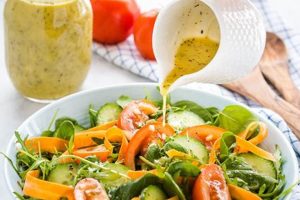
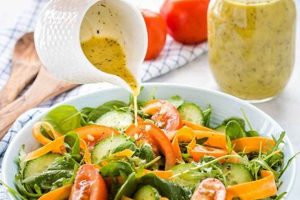
Creating personalized condiments for salads offers a range of flavor profiles and control over ingredients, unlike commercially produced options. For example, a simple vinaigrette can be crafted with olive oil, vinegar, and herbs, while more complex emulsions might involve egg yolks, mustard, or specialized oils. This allows for customization based on dietary needs, taste preferences, and seasonal ingredient availability.
Freshly prepared dressings often contain fewer preservatives and additives compared to store-bought alternatives, promoting healthier eating habits. Historically, salad dressings served primarily as a means of preserving vegetables or enhancing their palatability. Over time, they evolved into complex culinary creations reflecting regional flavors and cultural influences. The ability to control ingredients contributes to a more sustainable lifestyle by reducing packaging waste and supporting local producers.
Exploration of specific formulations, techniques, and ingredient combinations empowers individuals to elevate simple salads into culinary experiences. Further discussion will cover the fundamental elements of emulsion-based dressings, vinaigrette variations, and the creative use of herbs, spices, and other flavor enhancers.
Tips for Crafting Exceptional Salad Dressings
Elevating salads from simple to extraordinary often hinges on the quality of the dressing. These guidelines offer insights into techniques and considerations for creating flavorful, balanced dressings at home.
Tip 1: Emulsify Effectively. Proper emulsification creates a stable, creamy texture in dressings containing oil and vinegar or citrus juice. Whisking vigorously while slowly drizzling in the oil, or using a blender, creates a cohesive mixture that won’t separate.
Tip 2: Balance Flavors. Acidity, sweetness, and saltiness must complement each other. Taste and adjust accordingly, using a touch of honey or maple syrup to counter tartness, or a pinch of salt to enhance sweetness.
Tip 3: Utilize Fresh Herbs and Spices. Freshly chopped herbs and spices offer superior flavor compared to dried counterparts. Experiment with combinations like basil and oregano, or dill and chives, to create unique flavor profiles.
Tip 4: Consider Seasonal Ingredients. Incorporate seasonal produce into dressings for optimal flavor. Summer tomatoes can be blended into a vinaigrette, while roasted winter squash can add depth to a creamy dressing.
Tip 5: Taste and Adjust. Palates vary; tasting and adjusting seasoning throughout the preparation process is crucial for achieving the desired balance. Start with less and add more as needed.
Tip 6: Proper Storage. Store homemade dressings in airtight containers in the refrigerator to maintain freshness and prevent spoilage. Most dressings will keep for up to a week.
Tip 7: Experiment with Textures. Incorporating ingredients like roasted nuts, crumbled cheese, or toasted seeds can add textural complexity and visual appeal.
By implementing these tips, one can create dressings that not only enhance the flavor of salads but also contribute to a healthier and more enjoyable dining experience.
Creating delicious homemade dressings is a rewarding culinary endeavor that opens a world of flavor possibilities.
1. Fresh, High-Quality Ingredients

The foundation of exceptional homemade salad dressings rests upon the selection of fresh, high-quality ingredients. Superior components contribute significantly to the overall flavor, aroma, and nutritional value of the final product, distinguishing homemade dressings from mass-produced alternatives.
- Oils
Selecting appropriate oils is paramount. Extra virgin olive oil offers robust flavor and health benefits, while avocado oil provides a neutral base for delicate flavors. Nut oils, such as walnut or hazelnut, contribute distinctive nuances. Using fresh, high-quality oils ensures optimal flavor and avoids rancidity, a common issue with older or improperly stored oils. The quality of the oil directly impacts the dressing’s sensory experience.
- Vinegars
Vinegar provides the essential acidic element, balancing richness and adding brightness. Options range from classic white wine vinegar and apple cider vinegar to more nuanced balsamic and sherry vinegars. Freshly squeezed citrus juices, like lemon or lime, offer a vibrant alternative. The choice of acid significantly influences the dressing’s character and its interaction with other ingredients.
- Herbs and Spices
Fresh herbs and spices contribute depth and complexity to dressings. Freshly chopped herbs like basil, mint, or dill offer vibrant flavors, while spices like ground cumin or coriander seed provide earthy notes. The quality and freshness of these aromatic elements significantly impact the overall taste and aroma. Using dried herbs can be a viable substitute when fresh options are unavailable, but their flavor profile is often less pronounced. Therefore, the choice between fresh and dried herbs directly influences the final result.
- Produce
Incorporating fresh produce expands flavor profiles and adds nutritional value. Ripe tomatoes can be blended into vinaigrettes, while roasted garlic or shallots offer savory depth. Seasonal fruits, such as berries or stone fruit, contribute sweetness and complexity. Utilizing fresh, high-quality produce not only enhances the flavor but also adds visual appeal and textural variation. The ripeness and quality of the chosen produce will directly influence the final flavor profile of the dressing.
Prioritizing fresh, high-quality ingredients elevates homemade salad dressings from simple condiments to culinary enhancements. The careful selection of each component ensures a superior sensory experience and contributes to a healthier, more flavorful final product. This emphasis on quality distinguishes homemade dressings, allowing for personalized flavor profiles unattainable with pre-made options.
2. Balanced Flavor Profiles

Achieving a harmonious blend of tastes is paramount in crafting exceptional homemade salad dressings. A balanced flavor profile elevates a simple salad into a culinary experience, ensuring that no single taste overpowers the others. This involves a careful interplay of primary tastes sweetness, sourness, saltiness, bitterness, and umami creating a symphony of flavors that complement the other salad components. A well-balanced dressing not only enhances the flavors of the vegetables but also adds depth and complexity to the overall dish.
- Acidity
Acidity, often provided by vinegar or citrus juice, provides a bright, sharp counterpoint to richer ingredients. The level of acidity should be sufficient to cut through fattiness without being overly sour. For example, a vinaigrette with a high proportion of lemon juice might be too tart for delicate greens, while a creamy dressing might benefit from a touch of vinegar to balance the richness. The correct balance of acidity is crucial for a refreshing and palatable dressing.
- Sweetness
Sweetness, often incorporated through honey, maple syrup, or fruit, tempers acidity and adds depth. A touch of sweetness can round out the sharper notes of vinegar or citrus, creating a more complex flavor profile. For instance, a balsamic vinaigrette can be balanced with a drizzle of honey, while a raspberry vinaigrette might benefit from a touch of maple syrup. The judicious use of sweetness prevents the dressing from becoming cloying and complements the other flavors.
- Saltiness
Salt enhances other flavors and provides a savory backbone to the dressing. The correct amount of salt is essential for bringing out the nuances of the other ingredients. Too little salt can result in a bland dressing, while too much can overpower the other flavors. Sea salt or kosher salt are generally preferred for their clean taste. Proper seasoning with salt is critical for a well-rounded flavor profile.
- Umami
Umami, a savory, brothy flavor, adds depth and complexity. Ingredients like grated Parmesan cheese, Worcestershire sauce, or soy sauce can contribute umami notes to a dressing. Incorporating umami-rich elements can elevate the overall flavor profile, creating a more satisfying and nuanced experience. For example, a Caesar dressing benefits from the umami notes of Parmesan cheese and anchovies. Strategic inclusion of umami can significantly enhance the complexity and richness of the dressing.
Mastering the interplay of these elements allows for the creation of dressings that not only complement the salad ingredients but also stand alone as flavorful components. A well-balanced dressing transforms a simple salad into a cohesive and satisfying dish, where each element contributes to a harmonious whole. The careful consideration of flavor profiles ensures a delightful culinary experience, highlighting the importance of balance in homemade salad dressing recipes.
3. Proper Emulsification Techniques

Emulsification, the process of combining two immiscible liquids like oil and water into a stable mixture, is crucial for creating specific homemade salad dressings. A properly emulsified dressing exhibits a smooth, creamy texture and resists separation, enhancing both the sensory experience and visual appeal. Understanding the principles and techniques of emulsification allows for greater control over the final product, resulting in dressings that cling evenly to salad ingredients and deliver consistent flavor.
- Temporary Emulsions (Vinaigrettes)
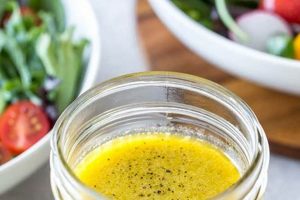
Vinaigrettes are temporary emulsions, meaning the oil and vinegar eventually separate. Achieving a temporary emulsion involves vigorous whisking or shaking to disperse the oil into tiny droplets within the vinegar. While the emulsion is not permanent, proper technique ensures the dressing remains cohesive long enough to coat the salad ingredients effectively. A classic example is a simple vinaigrette made with olive oil, red wine vinegar, and Dijon mustard, where the mustard acts as a mild emulsifier, helping the oil and vinegar combine, albeit temporarily.
- Permanent Emulsions (Mayonnaise-based)
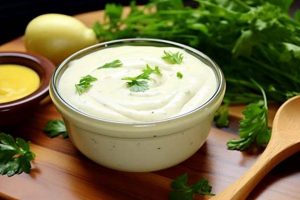
Permanent emulsions, like mayonnaise, remain stable due to the presence of an emulsifying agent. Egg yolks, often used in creamy dressings, contain lecithin, a natural emulsifier that binds oil and water molecules together. The gradual addition of oil to the egg yolk, while whisking constantly, allows the lecithin to encapsulate the oil droplets, creating a stable and homogenous mixture that does not separate. Classic examples include Caesar dressing and Ranch dressing, which rely on egg yolks or other emulsifying agents for their creamy texture and stability.
- Factors Affecting Emulsification
Several factors can influence the success of emulsification. Temperature plays a crucial role; ingredients at similar temperatures emulsify more readily. The rate of addition of the oil is equally important; slow, gradual addition allows the emulsifier to effectively encapsulate the oil droplets. Finally, the presence of impurities, such as excess water or particulate matter, can destabilize an emulsion. Understanding these factors allows for greater control and consistency in creating emulsified dressings.
- Tools for Emulsification
Various tools can facilitate emulsification. A whisk is essential for creating temporary emulsions and can also be used for some permanent emulsions, like mayonnaise. A blender or food processor provides more efficient and rapid emulsification, particularly for larger volumes or more complex recipes. Immersion blenders offer convenience for smaller batches and quick emulsification directly in the serving container. Choosing the appropriate tool depends on the desired outcome and the specific recipe.
Mastering emulsification techniques elevates homemade salad dressings, creating textures ranging from light and tangy vinaigrettes to rich and creamy emulsions. Understanding the principles behind emulsification allows for controlled experimentation and customization, resulting in dressings that perfectly complement any salad creation.
4. Creative Flavor Combinations
Creative flavor combinations constitute a defining characteristic of exceptional home salad dressing recipes. Distinctive blends of ingredients elevate dressings beyond basic condiments, transforming them into integral components of a culinary experience. This creativity offers avenues for personalization, allowing adaptation to individual preferences and seasonal ingredient availability. The ability to explore diverse flavor profiles distinguishes homemade dressings from commercially produced options, often limited in their range.
Flavor pairings, based on complementary or contrasting tastes, drive the creation of innovative dressings. Combining sweet and savory elements, such as honey with Dijon mustard, exemplifies this principle. Similarly, contrasting textures, like the crunch of toasted nuts against the smoothness of a vinaigrette, introduce complexity. Regional influences often inspire creativity, as seen in dressings incorporating Mediterranean herbs or Asian-inspired spices. Examples include a sumac-infused vinaigrette or a sesame-ginger dressing. Such combinations not only enhance the salad itself but also demonstrate the cook’s culinary ingenuity.
Strategic flavor combinations offer significant practical advantages. Seasonality influences available produce, impacting dressing choices; a summer tomato salad benefits from a lighter, herbier vinaigrette, while a winter salad with roasted vegetables might require a richer, more robust dressing. Dietary restrictions can also be accommodated through creative combinations. Substituting honey for sugar or incorporating dairy-free alternatives allows for customization without sacrificing flavor. Ultimately, creative flavor combinations empower individuals to craft dressings perfectly suited to specific needs and preferences, enriching the culinary landscape of home salad preparation.
5. Seasonal Ingredient Integration

Integrating seasonal ingredients into home salad dressing recipes offers a dynamic approach to culinary creation. This practice not only maximizes flavor and nutritional value but also promotes sustainability and culinary innovation. Aligning dressings with seasonal produce ensures optimal freshness and taste, reflecting the natural rhythms of the agricultural calendar. This approach reduces reliance on out-of-season ingredients, often transported long distances, thus minimizing environmental impact. Furthermore, embracing seasonal ingredients encourages culinary exploration and creativity, fostering a deeper connection with the local food system.
- Enhanced Flavor Profiles
Produce at peak ripeness exhibits the most intense and nuanced flavors. Incorporating such ingredients into dressings amplifies their taste profiles, creating vibrant and complex flavor combinations. For example, a summer dressing featuring ripe tomatoes and basil offers a burst of fresh, herbaceous flavor, while a winter dressing with roasted butternut squash and maple syrup provides warm, comforting notes. Utilizing seasonal produce ensures that dressings capture the essence of each season, enhancing the overall culinary experience.
- Nutritional Advantages
Fruits and vegetables at their peak ripeness offer higher concentrations of vitamins and antioxidants compared to their out-of-season counterparts. Incorporating these nutrient-rich ingredients into dressings enhances the nutritional value of salads. For instance, a dressing made with fresh berries during their peak season provides a boost of antioxidants, while a spring dressing incorporating fresh herbs delivers vitamins and minerals. Thus, seasonal integration contributes to healthier eating habits by maximizing nutrient intake.
- Promoting Sustainability
Utilizing locally sourced, seasonal ingredients reduces transportation distances and associated environmental impacts. This practice supports local farmers and reduces the carbon footprint associated with food transportation. For example, a dressing made with locally grown apples during the fall harvest reduces reliance on imported produce. Choosing seasonal ingredients reflects a commitment to sustainability and fosters a connection with the local agricultural community.
- Culinary Exploration and Adaptability
Seasonal ingredient integration encourages experimentation and creativity in the kitchen. The changing availability of produce prompts culinary innovation, leading to unique and exciting flavor combinations. Adapting dressing recipes to reflect seasonal offerings keeps meals interesting and prevents culinary monotony. For instance, a spring dressing might feature asparagus and lemon, while a fall dressing incorporates cranberries and pecans. This adaptability ensures a dynamic and engaging culinary experience throughout the year.
By embracing seasonal ingredient integration, home salad dressing recipes transcend mere condiments and become expressions of culinary artistry and mindful consumption. This approach not only elevates flavor and nutrition but also fosters a deeper appreciation for the interconnectedness of food, seasonality, and sustainable practices. The conscious utilization of seasonal ingredients transforms salad preparation into a celebration of nature’s bounty and a commitment to responsible culinary practices.
Frequently Asked Questions About Homemade Salad Dressings
This section addresses common inquiries regarding the preparation and utilization of homemade salad dressings, offering practical guidance for achieving optimal results.
Question 1: What is the shelf life of homemade salad dressings?
Shelf life varies depending on the ingredients. Generally, vinaigrette-style dressings last up to one week refrigerated, while creamy dressings, especially those containing dairy or eggs, should be consumed within three to five days. Proper storage in airtight containers is crucial for preserving freshness.
Question 2: How can separation in vinaigrettes be prevented or rectified?
Vinaigrettes, being temporary emulsions, naturally separate. Vigorous shaking or whisking immediately before serving recombines the ingredients. Adding a small amount of mustard or honey can help improve emulsion stability, though complete prevention of separation is not always possible.
Question 3: What are suitable substitutes for common allergens in dressings?
Allergens like dairy, eggs, and nuts can often be substituted effectively. Maple syrup or agave nectar can replace honey. Dairy-based ingredients can be substituted with plant-based alternatives like cashew cream or silken tofu. Egg yolks in creamy dressings can sometimes be replaced with a combination of mustard and avocado. Careful recipe adaptation is necessary to maintain desired flavor and texture.
Question 4: How can one adjust the consistency of a homemade dressing?
Consistency can be adjusted through the addition or reduction of certain ingredients. To thicken a vinaigrette, add a small amount of pureed fruit or a touch of cornstarch slurry. To thin a creamy dressing, incorporate additional water, oil, or vinegar, depending on the recipe. Gradual adjustments and thorough mixing are recommended.
Question 5: What are the best practices for storing homemade dressings?
Airtight containers, such as glass jars or bottles with tight-fitting lids, are ideal for storing homemade dressings. Refrigeration is essential for preserving freshness and preventing spoilage. Labeling containers with the date of preparation helps track freshness and ensures timely consumption.
Question 6: How can homemade dressings be adapted to complement specific salads?
Consider the flavor profile of the salad ingredients when choosing or creating a dressing. Delicate greens pair well with lighter vinaigrettes, while heartier salads can withstand bolder, creamier dressings. Seasonal ingredients in the dressing can enhance the overall harmony of flavors. For example, a summer salad with tomatoes and cucumbers might benefit from a light vinaigrette with basil and mint, while a winter salad with roasted root vegetables could be paired with a creamy dressing containing maple syrup and Dijon mustard.
Creating homemade salad dressings provides control over ingredients and allows for personalized flavors. Understanding basic principles of emulsification, flavor balancing, and ingredient substitution empowers culinary exploration.
The following section will provide specific recipes for a variety of homemade salad dressings, ranging from classic vinaigrettes to more complex emulsions.
Home Salad Dressing Recipes
Exploration of home salad dressing recipes reveals the potential for culinary creativity and personalized flavor experiences. Emphasis on fresh, high-quality ingredients, balanced flavor profiles, and proper emulsification techniques yields superior results compared to commercially produced alternatives. Seasonal ingredient integration further enhances flavor and nutritional value while promoting sustainable practices. Understanding these fundamental principles empowers individuals to craft dressings tailored to specific preferences and dietary needs.
The ability to create home salad dressing recipes offers a pathway to a more engaged and rewarding culinary experience. This knowledge not only elevates the simplest of salads but also fosters a deeper appreciation for the transformative power of fresh ingredients and mindful preparation. Continued exploration and experimentation promise a future rich in flavor and culinary discovery.