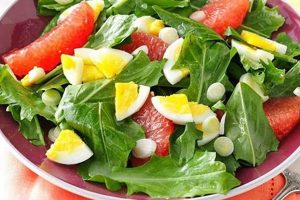
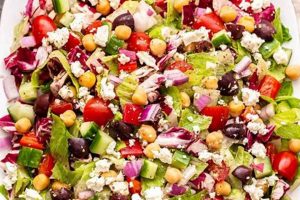
Salads featuring the tender, ivory-colored heart of palm offer a unique culinary experience. These dishes typically incorporate this versatile ingredient, derived from various palm tree species, alongside complementary vegetables, fruits, herbs, and dressings. A simple example might include sliced hearts of palm combined with cherry tomatoes, red onion, avocado, and a lime vinaigrette.
The appeal of such culinary creations lies in the heart of palm’s delicate, slightly nutty flavor and pleasantly crisp texture. Nutritionally, it provides a good source of fiber and several essential vitamins and minerals. Its use dates back centuries, particularly in South and Central American cuisines, where the heart of palm is considered a delicacy. Its growing popularity worldwide has led to innovative preparations and its inclusion in diverse culinary traditions.
This exploration will delve into various preparation methods, flavor combinations, and serving suggestions for incorporating this unique ingredient into a range of delicious and healthful salads.
Tips for Crafting Exceptional Heart of Palm Salads
Elevating salads featuring heart of palm requires attention to detail and an understanding of complementary flavors and textures. The following tips offer guidance for creating flavorful and visually appealing dishes.
Tip 1: Selecting High-Quality Ingredients: Opt for firm, canned hearts of palm packed in water or brine, avoiding any with a mushy texture or off-odor. Fresh hearts of palm, if available, should be firm and creamy white.
Tip 2: Proper Preparation: Rinse canned hearts of palm thoroughly to remove any excess brine or metallic taste. Slice or dice them according to the desired presentation and texture.
Tip 3: Balancing Flavors and Textures: Consider the heart of palm’s subtle flavor and crisp texture when selecting accompanying ingredients. Acidic elements like citrus fruits or vinegar-based dressings enhance the flavor profile. Contrasting textures, such as crunchy vegetables or creamy avocados, create a more dynamic culinary experience.
Tip 4: Enhancing Visual Appeal: Arrange the salad components thoughtfully to create an attractive presentation. Consider using a variety of colors and textures to stimulate visual interest.
Tip 5: Dressing Selection: Light vinaigrettes, citrus-based dressings, or creamy dressings with herbs complement the delicate flavor of heart of palm. Avoid heavy dressings that might overpower the salad.
Tip 6: Serving Suggestions: Serve the salad chilled or at room temperature. It can be enjoyed as a light lunch, appetizer, or side dish. Consider garnishing with fresh herbs, toasted nuts, or crumbled cheese for added flavor and visual appeal.
Tip 7: Exploring Flavor Combinations: Experiment with different combinations of ingredients to discover unique flavor profiles. Consider incorporating tropical fruits, roasted vegetables, or grilled seafood for a more complex and satisfying salad.
By following these guidelines, one can consistently create delicious and satisfying salads that showcase the versatility and unique qualities of heart of palm.
These insights provide a foundation for crafting exceptional dishes and highlight the potential of heart of palm as a key ingredient in a variety of culinary creations.
1. Ingredient Selection

Ingredient selection is paramount in crafting a successful heart of palm salad. The delicate flavor of heart of palm provides a neutral canvas, allowing for a wide range of complementary ingredients. Careful consideration of flavor profiles, textures, and colors ensures a balanced and appealing final product.
- Complementary Flavors:
Balancing the subtle flavor of heart of palm requires ingredients that neither overwhelm nor clash. Acidic elements, such as citrus fruits (grapefruit, orange, lime) or vinegars (red wine, apple cider), enhance the heart of palm’s inherent sweetness. Ingredients with a mild savory note, like avocado, artichoke hearts, or bell peppers, offer a harmonious counterpoint. Spicy additions, such as jalapeos or a pinch of red pepper flakes, can provide an intriguing contrast.
- Textural Variety:
A dynamic salad incorporates a variety of textures. The inherent crispness of hearts of palm benefits from the inclusion of contrasting textures. Crunchy elements, such as chopped celery, toasted nuts, or croutons, add a pleasant bite. Soft ingredients, like ripe tomatoes or crumbled cheese, provide a textural counterpoint. Creamy additions, such as avocado or a dollop of Greek yogurt in the dressing, contribute richness and depth.
- Visual Appeal:
A visually appealing salad is more enticing. Consider incorporating a variety of colors to create a vibrant and appetizing presentation. Brightly colored vegetables, such as red onion, bell peppers, or cherry tomatoes, offer visual contrast against the pale heart of palm. Fresh herbs, like parsley, cilantro, or chives, provide a pop of green. Garnishes, such as toasted nuts or edible flowers, add a finishing touch.
- Dietary Adaptations:
Ingredient selection allows for adaptation to various dietary needs. Vegan options can utilize plant-based proteins, such as chickpeas or tofu, and avoid dairy-based dressings. Gluten-free versions ensure all ingredients, including dressings and croutons, are free of gluten. Lower-calorie options prioritize fresh vegetables and lighter dressings.
The interplay of these factors determines the overall success of a heart of palm salad. Strategic ingredient selection elevates the dish from a simple combination of components to a carefully crafted culinary experience.
2. Flavor Profiles

Flavor profiles play a crucial role in crafting successful heart of palm salad recipes. The inherent mildness of hearts of palm offers a versatile base, allowing for a wide range of flavor combinations. A well-constructed flavor profile elevates the salad beyond a simple collection of ingredients, transforming it into a cohesive and satisfying culinary experience. Understanding the interplay of different taste elements sweet, sour, salty, bitter, and umami allows for the creation of balanced and complex salads.
Several factors influence the flavor profile of a heart of palm salad. Acidity, derived from citrus fruits, vinegars, or acidic vegetables like tomatoes, brightens the flavor of the heart of palm and cuts through richness. Herbs and spices contribute layers of complexity. Fresh herbs like mint, cilantro, and dill add brightness, while dried spices like cumin or smoked paprika offer warmth and depth. The inclusion of savory elements, such as olives, capers, or cheeses, introduces salty and umami notes that complement the heart of palm’s delicate sweetness. A classic example is a Mediterranean-inspired salad with hearts of palm, Kalamata olives, feta cheese, and a lemon-herb vinaigrette. The briny olives, salty feta, and tangy dressing create a harmonious balance with the mild heart of palm.
Successfully integrating flavor profiles requires careful consideration of ingredient combinations and balance. Overly strong flavors can mask the subtle taste of the heart of palm, while bland combinations result in an uninteresting salad. Achieving a desirable outcome often involves experimentation and an understanding of how different flavors interact. The desired flavor profile will also depend on the overall context of the meal. A light and refreshing salad might prioritize bright, citrusy notes, while a heartier salad could incorporate richer, more savory elements. Ultimately, a well-defined flavor profile enhances the enjoyment and satisfaction derived from a heart of palm salad.
3. Textural Contrasts
Textural contrast is a critical element in heart of palm salad recipes, elevating them from simple to sophisticated. The inherent, slightly crisp texture of hearts of palm serves as a foundation upon which a variety of contrasting textures can build, creating a more dynamic and enjoyable culinary experience. A well-executed interplay of textures adds depth and interest, stimulating the palate and enhancing the overall enjoyment of the salad.
- Crunchy Elements:
Crunchy elements provide a stark contrast to the smooth texture of hearts of palm. These can include toasted nuts (such as almonds, walnuts, or pecans), seeds (like sunflower or pumpkin seeds), croutons, or raw vegetables like chopped celery, jicama, or bell peppers. The contrasting crunch adds a satisfying bite and prevents the salad from becoming monotonous. For instance, a salad with hearts of palm, avocado, and toasted pepitas offers a pleasant interplay of smooth, creamy, and crunchy textures.
- Soft and Creamy Components:
Soft and creamy components offer a textural counterpoint to the firmer heart of palm. Avocados, ripe tomatoes, crumbled cheeses (like feta or goat cheese), or even a dollop of Greek yogurt or a creamy dressing can contribute a rich, smooth element. This contrast balances the crispness of the heart of palm and adds a luxurious mouthfeel. A salad with hearts of palm, cherry tomatoes, and a creamy avocado dressing exemplifies this principle.
- Chewy Textures:
Adding chewy textures can further diversify the salad’s textural profile. Dried fruits, such as cranberries or apricots, or cooked grains like quinoa or farro, provide a pleasant chewiness that contrasts with both the crisp and creamy elements. These additions also contribute flavor and nutritional value. A heart of palm salad with dried cranberries, toasted walnuts, and a citrus vinaigrette demonstrates this textural interplay.
- Varied Cuts of Heart of Palm:
The texture of hearts of palm can be modified by varying the cut. Thinly slicing creates a delicate texture, while dicing into larger pieces provides a more substantial bite. This allows for textural variation within the heart of palm itself. A salad featuring both sliced and diced hearts of palm, along with other textural elements, offers a more complex experience.
The strategic combination of these textural elements significantly impacts the overall enjoyment of heart of palm salads. By incorporating a variety of textures, one creates a more engaging and satisfying culinary experience that highlights the versatility of this unique ingredient.
4. Presentation Techniques
Presentation techniques significantly influence the perceived quality and enjoyment of hearts of palm salad recipes. Visual appeal enhances the dining experience, stimulating appetite and creating a sense of anticipation. Strategic plating elevates the dish beyond mere sustenance, transforming it into a culinary creation that engages multiple senses.
- Color and Contrast:
Employing a variety of colors creates visual interest. The pale hue of hearts of palm benefits from the inclusion of vibrant vegetables like bell peppers, tomatoes, or radishes. Darker greens, such as spinach or arugula, provide contrast. Garnishes, like fresh herbs or edible flowers, contribute additional color and texture. A monochromatic salad, while elegant, might appear less appealing than one with a vibrant color palette.
- Plating Styles:
Plating styles range from simple to elaborate. A composed salad, with ingredients arranged intentionally, offers a more refined presentation than a tossed salad. Height can be created by mounding the salad or using taller ingredients. Negative space on the plate allows the eye to focus on the dish. A simple arrangement of sliced hearts of palm fanned out on a plate with strategically placed cherry tomatoes and avocado exemplifies a composed salad.
- Texture and Height:
Varying textures contributes visual appeal. The smooth surface of sliced hearts of palm contrasts with the rough texture of chopped nuts or croutons. Creating height within the salad adds dimension and visual interest. A flat salad can appear less appealing than one with varied heights and textures. Layering ingredients, such as placing crunchy elements on top of softer ones, adds visual and textural complexity.
- Garnishes and Finishing Touches:
Garnishes provide the final flourish. A sprinkle of fresh herbs, a drizzle of dressing, or a scattering of toasted nuts elevates the visual presentation and adds a burst of flavor. Consider the color, texture, and flavor of the garnish in relation to the salad. A simple garnish of chopped chives or a drizzle of balsamic glaze can significantly enhance the visual appeal.
Effective presentation enhances the sensory experience of consuming hearts of palm salads. By considering color, plating styles, texture, and garnishes, one transforms a simple salad into a visually appealing and more enjoyable culinary creation, demonstrating an attention to detail and a respect for the ingredients.
5. Dressing Choices

Dressing choices profoundly influence the overall flavor profile and enjoyment of hearts of palm salads. The delicate, slightly nutty flavor of hearts of palm provides a neutral backdrop, allowing the dressing to play a pivotal role in shaping the final taste. Selecting a dressing that complements rather than overwhelms the heart of palm, while also harmonizing with other salad components, is crucial for a successful dish. The interplay between dressing and ingredients determines whether the salad is refreshing, rich, tangy, or savory.
Vinaigrettes, with their bright acidity, often serve as an excellent foundation for hearts of palm salads. A simple lemon or lime vinaigrette enhances the natural sweetness of the heart of palm without masking its subtle flavor. For a more complex profile, red wine vinaigrettes, perhaps infused with herbs like oregano or thyme, offer a robust counterpoint. Creamy dressings, while potentially heavier, can also complement hearts of palm, particularly when incorporating ingredients like avocado or crumbled cheese. A light buttermilk dressing or a cilantro-lime crema provides richness and depth. The choice of dressing should also consider the other salad components. A citrus vinaigrette might pair well with a salad featuring tropical fruits and avocado, while a creamy dressing might complement a salad with roasted vegetables and grilled chicken. A real-world example would be a heart of palm salad with grapefruit segments and toasted almonds, dressed with a honey-lime vinaigrette. The citrus notes in the dressing harmonize with the grapefruit, while the honey balances the tartness and complements the nuttiness of the almonds. Conversely, a creamy dill dressing would clash with these flavors.
Understanding the impact of dressing choices empowers culinary creativity and allows for tailored flavor profiles. Careful consideration of acidity, sweetness, richness, and herbaceous notes ensures the dressing enhances rather than detracts from the heart of palm and its accompanying ingredients. Strategic dressing selection elevates the salad from a simple combination of components to a well-balanced and flavorful dish, demonstrating a nuanced understanding of flavor pairings and the importance of balance in culinary creations. Matching the intensity of the dressing to the other ingredients prevents any single element from dominating the overall flavor profile, resulting in a harmonious and satisfying culinary experience.
6. Dietary Considerations

Dietary considerations play a significant role in adapting hearts of palm salad recipes to individual needs and preferences. Understanding these considerations allows for ingredient substitutions and modifications that maintain nutritional value and flavor while accommodating specific dietary restrictions or goals. Adaptability expands the accessibility of these salads, ensuring a wider range of individuals can enjoy them.
- Vegan and Vegetarian Diets:
Hearts of palm salads inherently align with vegan and vegetarian diets, as the core ingredient is plant-based. Ensuring all additional components, such as dressings and toppings, also adhere to these principles maintains the dietary suitability. Substituting honey with agave nectar or maple syrup in dressings accommodates vegan requirements. Incorporating plant-based protein sources, like chickpeas or lentils, enhances nutritional value and creates a more substantial meal. A vegan heart of palm salad might feature black beans, corn, avocado, and a lime-cilantro dressing.
- Gluten-Free Diets:
Hearts of palm are naturally gluten-free. Maintaining a gluten-free salad requires careful selection of accompanying ingredients and dressings. Avoiding croutons containing gluten and ensuring dressings are free of gluten-containing thickeners or additives are crucial steps. Substituting traditional croutons with rice cakes or gluten-free bread offers a crunchy alternative. A gluten-free heart of palm salad could incorporate quinoa, roasted vegetables, and a lemon-herb vinaigrette.
- Low-Sodium Diets:
Canned hearts of palm can be high in sodium. Opting for low-sodium or no-salt-added varieties, or thoroughly rinsing canned hearts of palm before use, reduces sodium content. Minimizing added salt in dressings and avoiding high-sodium ingredients, like olives or certain cheeses, further controls sodium intake. A low-sodium heart of palm salad might utilize fresh herbs, lemon juice, and a small amount of olive oil for flavor.
- Low-Fat and Low-Calorie Diets:
Hearts of palm are relatively low in calories and fat, making them suitable for these diets. Focusing on fresh vegetables, lean protein sources, and light dressings maintains a lower calorie and fat content. Avoiding creamy dressings or using them sparingly, and opting for lighter oils like olive oil instead of heavier ones, contributes to calorie and fat reduction. A low-fat heart of palm salad might incorporate grilled chicken or fish, a variety of colorful vegetables, and a light vinaigrette.
By addressing these dietary considerations, hearts of palm salad recipes become adaptable to a wider range of individuals and dietary needs. Careful ingredient selection and recipe modifications ensure these salads remain both flavorful and nutritionally appropriate, demonstrating the versatility of this ingredient and its adaptability within diverse culinary contexts. The ability to customize these salads makes them a valuable addition to various meal plans and dietary lifestyles.
Frequently Asked Questions
This section addresses common inquiries regarding the preparation and enjoyment of salads featuring hearts of palm.
Question 1: Where can hearts of palm be purchased?
Hearts of palm are typically available in canned form in most supermarkets, often located in the canned vegetable aisle or international food section. Some specialty stores may offer fresh hearts of palm.
Question 2: How should canned hearts of palm be prepared for salads?
Canned hearts of palm should be drained and rinsed thoroughly to remove excess brine or any metallic taste. They can then be sliced, diced, or left whole, depending on the specific recipe.
Question 3: What flavors pair well with hearts of palm in salads?
Citrus fruits, avocados, tomatoes, bell peppers, red onion, olives, and various herbs (such as cilantro, parsley, and mint) complement the subtle flavor of hearts of palm. Experimentation with different flavor combinations is encouraged.
Question 4: What types of dressings are suitable for hearts of palm salads?
Light vinaigrettes, citrus-based dressings, and creamy dressings with herbs tend to pair well. Heavy dressings may overpower the delicate flavor of the heart of palm.
Question 5: Are hearts of palm a healthy addition to one’s diet?
Hearts of palm are a good source of fiber, several vitamins, and minerals. They are relatively low in calories and fat, making them a healthy addition to a balanced diet.
Question 6: How should hearts of palm salads be stored?
Prepared hearts of palm salads should be stored in an airtight container in the refrigerator for up to three days. It is recommended to store the dressing separately and add it just before serving to maintain optimal texture and prevent sogginess.
Understanding these key aspects facilitates confident preparation and enjoyment of versatile and flavorful salads incorporating this unique ingredient.
Further exploration of specific recipes and culinary techniques will enhance appreciation for the versatility of hearts of palm.
Culinary Applications of Hearts of Palm in Salad Preparations
Exploration of hearts of palm salad recipes reveals a versatile ingredient adaptable to diverse culinary applications. Careful consideration of ingredient pairings, flavor profiles, textural contrasts, presentation techniques, and appropriate dressings allows for the creation of sophisticated and satisfying dishes. Adaptability to various dietary needs further expands the potential of hearts of palm as a key component in healthful and flavorful salads.
The potential of this unique ingredient remains largely untapped. Further culinary exploration promises to uncover innovative preparations and flavor combinations, solidifying the position of hearts of palm salads within the evolving landscape of contemporary cuisine.