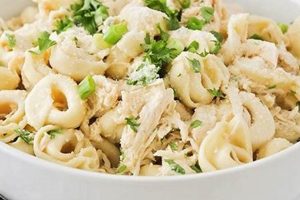
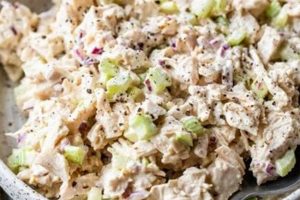
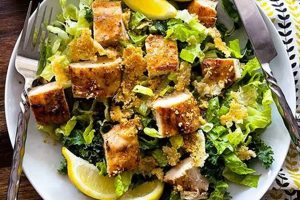
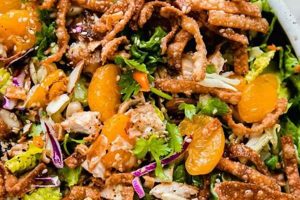
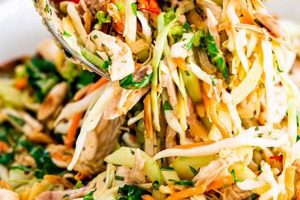
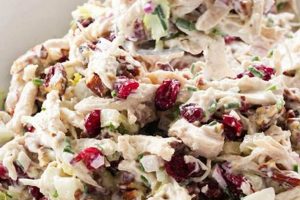
Dishes combining grilled chicken with chilled pasta and various other ingredients represent a versatile and popular meal option. These preparations typically involve cooked pasta, often short shapes like rotini or penne, tossed with grilled chicken breast, vegetables (such as bell peppers, cherry tomatoes, or cucumbers), and a flavorful dressing. Variations can include cheeses, herbs, and other additions like olives or artichoke hearts. A simple vinaigrette, a creamy ranch dressing, or a pesto-based sauce are common choices for binding the ingredients together.
Such meals offer a balance of protein, carbohydrates, and vitamins, making them a nutritious choice for lunch or dinner. Their customizable nature allows for adjustments to dietary needs and preferences. The ease of preparation, especially when using pre-grilled chicken or pre-made dressings, contributes to their popularity. Furthermore, these salads can be served chilled, making them ideal for warm weather or picnics. They also hold well, making them a convenient option for meal prepping.
The following sections will explore various approaches to creating these dishes, including different grilling techniques for the chicken, a range of pasta and vegetable combinations, and a selection of dressing recipes to complement the other components. Guidance on ingredient selection, preparation techniques, and presentation suggestions will also be provided.
Tips for Grilled Chicken and Pasta Salad
Optimizing ingredient selection and preparation techniques enhances the overall quality and enjoyment of these versatile dishes. Attention to detail ensures a flavorful and satisfying meal.
Tip 1: Marinate the Chicken: Marinating the chicken for at least 30 minutes, or even overnight, significantly improves its flavor and tenderness. Consider using a marinade with citrus juices, herbs, and spices.
Tip 2: Grill Chicken to Proper Temperature: Ensure chicken reaches an internal temperature of 165F (74C) to guarantee food safety. Overcooking can result in dry, less flavorful meat.
Tip 3: Cook Pasta al Dente: Slightly undercooking the pasta provides a firmer texture, preventing a mushy salad. Rinse cooked pasta under cold water to stop the cooking process and cool it down quickly.
Tip 4: Choose Fresh, Seasonal Vegetables: Utilizing fresh, in-season vegetables maximizes flavor and nutritional value. Consider incorporating a variety of colors and textures for visual appeal.
Tip 5: Balance Flavors in the Dressing: The dressing should complement the other ingredients, not overpower them. Balance acidity, sweetness, and savory elements for a well-rounded flavor profile.
Tip 6: Add Cheese and Herbs for Complexity: Incorporating cheeses such as feta, parmesan, or mozzarella adds depth of flavor and a creamy element. Fresh herbs like basil, parsley, or oregano enhance the overall aroma and taste.
Tip 7: Don’t Overdress the Salad: Add dressing gradually, tossing gently to coat the ingredients evenly. Too much dressing can make the salad soggy.
Tip 8: Chill Before Serving: Allowing the salad to chill for at least 30 minutes before serving allows the flavors to meld and enhances the refreshing quality of the dish.
By following these tips, one can create a delicious and satisfying grilled chicken and pasta salad that showcases the best of these combined ingredients. Careful attention to each step ensures a balanced and flavorful meal.
The following section provides several recipe variations incorporating these principles, offering a range of flavor profiles and ingredient combinations.
1. Grilling Techniques

Grilling techniques significantly influence the final flavor and texture of chicken in pasta salads. Properly grilled chicken contributes a desirable smoky char and succulent texture, elevating the overall dish from simple to exceptional. Understanding various grilling methods allows for customization based on desired outcomes and available equipment.
- Direct Heat Grilling
Direct heat grilling involves placing the chicken directly over the heat source. This method is ideal for achieving quick cooking times and pronounced grill marks. High heat sears the chicken, creating a flavorful crust while maintaining a moist interior. For chicken breasts in a pasta salad, direct heat grilling is effective for achieving a slightly charred exterior that adds depth to the overall dish. This method requires careful attention to prevent overcooking.
- Indirect Heat Grilling
Indirect heat grilling places the chicken adjacent to the heat source, creating a more oven-like environment. This method is best suited for larger cuts or bone-in chicken, promoting even cooking and preventing burning. While less pronounced grill marks are achieved, indirect heat grilling ensures thorough cooking, particularly beneficial for thicker chicken pieces intended for salads. This method is well-suited for achieving a consistently cooked, juicy result, suitable for shredding or dicing in a pasta salad.
- Marination
Marinades play a crucial role in flavor development and moisture retention during grilling. Acidic components in marinades, such as citrus juices or vinegar, tenderize the chicken, while herbs, spices, and oils infuse flavor. Marinating chicken for at least 30 minutes, and preferably longer, allows for deeper flavor penetration. A well-chosen marinade can complement the other salad ingredients, creating a cohesive flavor profile. For instance, a lemon-herb marinade pairs well with Mediterranean-style pasta salads.
- Temperature Control
Precise temperature control is essential for achieving optimal results when grilling chicken. Using a meat thermometer ensures the chicken reaches a safe internal temperature of 165F (74C), preventing foodborne illness. Overcooking leads to dry, tough chicken, while undercooking poses health risks. Maintaining consistent heat and monitoring internal temperature prevents these undesirable outcomes. This attention to detail contributes significantly to a palatable and safe final product for incorporation into the pasta salad.
By understanding and utilizing these grilling techniques, one can create perfectly grilled chicken, contributing significantly to a delicious and satisfying pasta salad. The choice of grilling method, marinade, and careful temperature control ultimately influence the overall flavor and texture, enhancing the dining experience.
2. Pasta Selection
Pasta selection significantly impacts the overall success of grilled chicken and pasta salad recipes. The chosen pasta shape influences not only the aesthetic appeal but also the texture and flavor absorption of the dish. Different pasta shapes hold dressings and interact with other ingredients in unique ways, contributing to a balanced and enjoyable culinary experience. Careful consideration of pasta type is essential for optimizing the final product.
Shorter pasta shapes, such as rotini, penne, and farfalle, are generally preferred for pasta salads. Their compact size allows for easy handling and even distribution throughout the salad. These shapes also effectively capture small pieces of grilled chicken and vegetables, ensuring a balanced bite each time. Conversely, longer pasta shapes, like spaghetti or linguine, can become unwieldy in a salad setting, making them less practical. Furthermore, the surface area of different pasta types affects sauce adherence. Ridged pasta shapes, like rotini, provide a greater surface area, allowing them to cling to dressings more effectively than smooth pasta like penne. This characteristic ensures that the flavor of the dressing is evenly distributed throughout the salad.
The pasta’s ability to absorb flavors is another crucial factor. Overly absorbent pasta can become soggy and lose its structural integrity, leading to a less appealing texture. Therefore, selecting pasta that maintains its shape and firmness even when coated in dressing is crucial. Choosing the correct pasta involves considering factors such as the dressing’s consistency, the other ingredients in the salad, and the desired final presentation. A light vinaigrette pairs well with a more robust pasta shape, while a creamy dressing might be better suited to a lighter, less absorbent variety. Understanding these nuances allows for informed pasta choices that enhance the overall quality of the grilled chicken and pasta salad.
3. Ingredient Combinations

Ingredient combinations significantly influence the flavor profile, nutritional value, and overall appeal of grilled chicken and pasta salad recipes. Strategic selection and balancing of ingredients are crucial for creating a harmonious and satisfying dish. Understanding the interplay of flavors, textures, and colors allows for the development of recipes that cater to diverse palates and dietary preferences. The following facets explore key considerations for successful ingredient combinations.
- Complementary Flavors
Pairing ingredients with complementary flavors is essential for a well-balanced pasta salad. The savory, slightly smoky flavor of grilled chicken provides a foundation upon which other flavors can build. Bright, acidic ingredients, such as cherry tomatoes, sun-dried tomatoes, or lemon zest, cut through the richness of the chicken. Incorporating sweet elements like roasted red peppers or dried cranberries can add depth and complexity. Balancing these contrasting flavors enhances the overall sensory experience.
- Textural Variety
Textural contrast creates a more engaging and enjoyable dining experience. The tender texture of grilled chicken contrasts with the firmness of the pasta and the crispness of fresh vegetables like cucumbers, bell peppers, or celery. Adding crunchy elements like toasted nuts or croutons provides an additional layer of textural complexity. Balancing soft and crunchy textures prevents the salad from becoming monotonous and enhances its overall appeal.
- Nutritional Balance
Ingredient combinations offer an opportunity to create a nutritionally balanced meal. Grilled chicken provides a lean protein source, while pasta offers carbohydrates for energy. Incorporating a variety of vegetables increases the vitamin and mineral content. Adding healthy fats through ingredients like avocado or a light vinaigrette contributes to satiety and nutrient absorption. Thoughtful ingredient selection ensures the salad provides a balanced and nutritious meal.
- Visual Appeal
Visual presentation plays a significant role in the enjoyment of food. Combining ingredients with varying colors creates a visually appealing and appetizing salad. The golden-brown color of grilled chicken contrasts with the vibrant hues of vegetables like red bell peppers, green spinach, or orange carrots. Consider incorporating ingredients with different shapes and sizes to further enhance the visual appeal. A visually attractive salad is more enticing and contributes to a positive dining experience.
Successful grilled chicken and pasta salads leverage these facets of ingredient combinations to create a cohesive and enjoyable culinary experience. The interplay of flavors, textures, colors, and nutritional value contributes to a dish that is not only delicious but also satisfying and visually appealing. By understanding these principles, one can create customized salads that cater to individual preferences and dietary needs.
4. Flavorful Dressings
Flavorful dressings play a crucial role in grilled chicken and pasta salad recipes, acting as a unifying element that binds the individual components together. The dressing not only adds flavor but also contributes to the overall texture and moisture of the salad. A well-chosen dressing complements the flavors of the grilled chicken, pasta, and vegetables, creating a harmonious and balanced dish. Conversely, an unsuitable dressing can overpower the other ingredients or create an unpleasant textural experience. The interplay between the dressing and the other components is essential for a successful outcome.
Several factors influence dressing selection. The intensity of the grilled chicken’s flavor, the type of pasta used, and the chosen vegetables all contribute to the decision-making process. For example, a robust, smoky grilled chicken might pair well with a lighter, brighter vinaigrette, while a more subtly flavored grilled chicken might benefit from a creamier, more assertive dressing. The pasta shape also plays a role; a heavier pasta might require a more substantial dressing to coat it effectively. The vegetables’ flavors should also be considered; delicate vegetables might be overwhelmed by a strong dressing, while more robust vegetables can withstand bolder flavors. Real-life examples include a lemon-herb vinaigrette paired with grilled chicken, orzo pasta, and Mediterranean vegetables, or a creamy pesto dressing combined with grilled chicken, rotini pasta, and roasted vegetables.
Understanding the impact of dressings on grilled chicken and pasta salads allows for informed choices that enhance the overall dining experience. Careful consideration of flavor profiles, textures, and ingredient compatibility leads to a well-balanced and satisfying meal. Challenges might include balancing acidity, sweetness, and savory elements within the dressing to complement the other ingredients without overpowering them. However, mastering this balance is key to creating a truly exceptional dish. The dressing acts as the final touch, elevating the salad from a simple combination of ingredients to a cohesive and flavorful culinary creation.
5. Proper Food Safety
Proper food safety practices are paramount when preparing grilled chicken and pasta salad recipes. Negligence in this area can lead to foodborne illnesses, compromising the enjoyment and health of consumers. Implementing appropriate safety measures throughout the preparation process, from handling raw ingredients to storing leftovers, mitigates risks and ensures a safe and satisfying culinary experience.
- Safe Handling of Raw Chicken
Raw chicken can harbor harmful bacteria, such as Salmonella and Campylobacter. Thorough handwashing after handling raw chicken is crucial to prevent cross-contamination. Avoiding contact between raw chicken and other ingredients, using separate cutting boards and utensils, minimizes the risk of bacterial spread. Marinating chicken in the refrigerator, not at room temperature, prevents bacterial growth. These practices are essential for maintaining a hygienic environment and preventing foodborne illnesses.
- Achieving Safe Internal Temperature
Cooking chicken to a safe internal temperature of 165F (74C) eliminates harmful bacteria. Using a food thermometer is the most reliable method for verifying doneness. Relying on visual cues alone can be misleading and increase the risk of undercooked chicken. Ensuring the chicken reaches this critical temperature throughout its thickest part guarantees the destruction of harmful pathogens.
- Proper Cooling and Storage
Rapidly cooling cooked chicken and other salad components prevents bacterial growth in the temperature danger zone (40F – 140F / 4C – 60C). Refrigerating the salad promptly after preparation and maintaining a refrigerator temperature of 40F (4C) or below inhibits bacterial proliferation. Storing leftovers in airtight containers further minimizes exposure to potential contaminants and extends the salad’s shelf life. Adhering to these guidelines minimizes the risk of foodborne illness associated with consuming leftover pasta salad.
- Ingredient Selection and Handling
Selecting fresh, high-quality ingredients contributes to overall food safety. Inspecting produce for signs of spoilage or damage before incorporation into the salad minimizes risks. Washing produce thoroughly under running water removes surface contaminants. Properly storing perishable ingredients at appropriate temperatures, particularly mayonnaise-based dressings, further reduces the potential for bacterial growth and extends shelf life.
Adherence to these food safety practices is integral to the successful preparation and enjoyment of grilled chicken and pasta salad recipes. Implementing these precautions minimizes health risks associated with foodborne illnesses and ensures a positive culinary experience. Diligence in food safety protects consumers and enhances the overall quality and enjoyment of the dish.
Frequently Asked Questions
This section addresses common inquiries regarding grilled chicken and pasta salad recipes, providing concise and informative responses to enhance understanding and facilitate successful preparation.
Question 1: What is the best way to prevent grilled chicken from drying out in a pasta salad?
Marinating the chicken before grilling helps retain moisture. Avoid overcooking; an internal temperature of 165F (74C) ensures safety without sacrificing juiciness. Allowing the chicken to rest briefly before slicing or shredding also helps retain moisture.
Question 2: How long can grilled chicken and pasta salad be stored safely?
Refrigerated storage in an airtight container is recommended for up to 3-4 days. Discard any salad left at room temperature for more than two hours to minimize food safety risks.
Question 3: Can other proteins be substituted for grilled chicken?
Alternatives such as shrimp, steak, or chickpeas offer varied flavor profiles and nutritional benefits. Adapt cooking methods and seasonings accordingly to complement the chosen protein and other ingredients.
Question 4: What are some gluten-free pasta options for this salad?
Gluten-free pasta varieties, such as those made from rice, quinoa, or corn, offer suitable substitutes. Consider the pasta’s texture and cooking time, as these may differ from traditional wheat-based pasta.
Question 5: How can the nutritional value of the salad be maximized?
Incorporating a variety of colorful vegetables increases vitamin and mineral content. Adding legumes or beans provides additional protein and fiber. Choosing whole wheat pasta enhances fiber intake. Utilizing a light, nutrient-rich dressing avoids excessive calories and unhealthy fats.
Question 6: What are some variations on the classic grilled chicken and pasta salad recipe?
Incorporating regional flavors, such as Mediterranean or Asian-inspired ingredients, expands culinary possibilities. Experimenting with different cheeses, herbs, and spices allows for personalized flavor profiles. Adding fruits like grapes or berries introduces a touch of sweetness and complements the savory elements.
Addressing these frequently asked questions provides a comprehensive understanding of key aspects related to grilled chicken and pasta salad preparation. Attention to detail and thoughtful ingredient selection ensure a safe, nutritious, and flavorful dining experience.
Further exploration of recipe variations and specific ingredient combinations will be presented in the following sections.
Conclusion
Grilled chicken and pasta salad recipes offer a versatile and customizable culinary canvas. Successful preparation hinges on a confluence of factors, including appropriate grilling techniques, thoughtful pasta selection, balanced ingredient combinations, complementary dressings, and stringent adherence to food safety protocols. Understanding these elements empowers culinary exploration and ensures both a flavorful and safe dining experience. From the selection of fresh, seasonal vegetables to the careful balancing of acidity and sweetness in dressings, each component contributes to the final product’s overall quality.
Culinary creativity within this framework allows for endless variations, catering to individual preferences and dietary needs. Whether embracing classic combinations or venturing into innovative flavor profiles, attention to detail and a focus on quality ingredients remain paramount. The ongoing exploration of flavors, textures, and presentations within the realm of grilled chicken and pasta salads promises a continually evolving and enriching culinary landscape.