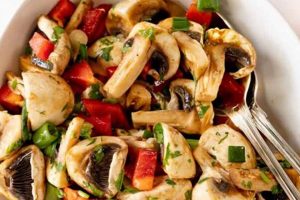
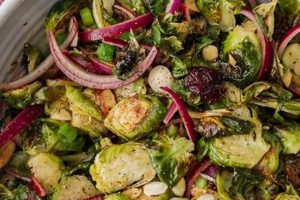
Summertime meals often benefit from light, flavorful dishes, and salads featuring this fragrant herb deliver precisely that. Imagine vibrant green leaves tossed with ripe tomatoes, creamy mozzarella, and a simple vinaigrette. Or perhaps a more complex combination incorporating seasonal fruits like peaches or watermelon, paired with feta cheese and a balsamic glaze. These are just glimpses into the diverse world of dishes built around this aromatic herb.
The culinary use of basil dates back centuries, with origins in Asia and Africa. Its refreshing flavor profile and versatility have made it a staple in cuisines worldwide, particularly in Italian and Mediterranean cooking. Beyond its culinary appeal, this herb offers potential health benefits, being a source of antioxidants and vitamins. Its bright, peppery taste adds a distinct layer of flavor, elevating simple ingredients into memorable culinary experiences.
The following sections will explore various approaches to creating dishes showcasing this versatile herb, ranging from classic combinations to innovative interpretations, offering guidance on ingredient selection, preparation techniques, and complementary dressings.
Tips for Basil Salad Success
Creating a successful salad with fresh basil hinges on understanding a few key elements, from selecting the freshest ingredients to properly handling the delicate leaves. The following tips offer guidance for achieving optimal flavor and presentation.
Tip 1: Source High-Quality Basil: Look for vibrant green leaves free from blemishes or bruising. Locally sourced basil, especially during peak season, offers the best flavor and aroma.
Tip 2: Gentle Handling: Basil leaves bruise easily. Avoid rough handling and tearing. Instead, tear larger leaves into smaller pieces by hand or gently slice them with a sharp knife.
Tip 3: Proper Storage: Store fresh basil at room temperature, stems down in a glass of water, loosely covered with a plastic bag. Refrigeration can cause the leaves to wilt and lose flavor.
Tip 4: Timing is Key: Add basil towards the end of preparation to preserve its delicate flavor and prevent wilting. This allows the herb’s bright notes to shine through.
Tip 5: Balancing Flavors: Pair basil with complementary ingredients like ripe tomatoes, mozzarella, or peaches. A well-balanced salad considers acidity, sweetness, and savory notes.
Tip 6: Dressing Wisely: Opt for light vinaigrettes that enhance the basil’s flavor without overpowering it. A simple lemon vinaigrette or balsamic glaze often works well.
Tip 7: Consider Texture: Incorporate ingredients that provide textural contrast, such as toasted nuts, crumbled cheese, or crusty bread.
By following these guidelines, one can elevate simple ingredients into a flavorful and visually appealing dish. The result is a culinary experience that celebrates the fresh, vibrant essence of basil.
These tips provide a foundation for creating flavorful basil salads, opening up a world of culinary possibilities. The next section will explore specific recipe variations, showcasing the herb’s versatility.
1. Fresh, High-Quality Basil
The foundation of any exceptional basil salad lies in the quality of the basil itself. Fresh, high-quality basil provides the vibrant flavor and aroma essential for a successful dish. Subpar basil, whether wilted, bruised, or lacking fragrance, can significantly detract from the overall culinary experience. Understanding the characteristics of superior basil is crucial for achieving optimal results.
- Appearance:
High-quality basil exhibits vibrant, deep green leaves free from blemishes, yellowing, or bruising. The leaves should appear perky and full, not wilted or limp. A uniform color and healthy sheen indicate freshness.
- Aroma:
The aroma of fresh basil is distinctly sweet, peppery, and slightly anise-like. A strong, pleasant fragrance indicates optimal flavor and freshness. Basil lacking a robust aroma will likely translate to a bland salad.
- Texture:
Fresh basil leaves should feel smooth and slightly tender, yet resilient enough to hold their shape. Avoid leaves that feel slimy, dry, or brittle, as these indicate suboptimal quality.
- Sourcing:
Whenever possible, source basil from local farmers’ markets or grow it at home. Locally sourced basil, harvested at its peak, offers the best flavor and ensures minimal time between harvest and consumption. This translates to a more vibrant and flavorful salad.
By prioritizing these qualities when selecting basil, one ensures a vibrant and flavorful foundation for any basil salad recipe. The difference between fresh, high-quality basil and subpar leaves is readily apparent in the final dish. Investing in superior ingredients elevates the simple basil salad from ordinary to extraordinary.
2. Complementary Ingredients
The success of fresh basil salad recipes hinges significantly on the thoughtful selection of complementary ingredients. Basil, with its distinct peppery, anise-like flavor profile, provides a versatile base. However, its delicate nature necessitates ingredients that enhance, rather than overpower, its unique characteristics. The interplay of flavors and textures creates a balanced and harmonious salad. For instance, the sweetness of ripe tomatoes and the creamy richness of mozzarella provide a classic counterpoint to basil’s peppery notes, resulting in a well-rounded flavor profile. Similarly, the acidity of balsamic vinegar or a squeeze of lemon juice brightens the overall taste, preventing the salad from becoming bland.
Understanding the role of complementary ingredients extends beyond mere flavor pairings. Textural considerations are equally vital. Crunchy elements, such as toasted pine nuts or slivered almonds, offer a pleasing contrast to the soft basil leaves. Adding ingredients like juicy watermelon or grilled peaches introduces another layer of complexity, balancing the peppery basil with refreshing sweetness. Furthermore, the inclusion of salty components, like feta cheese or prosciutto, provides a savory depth that further enhances the overall flavor profile. The interplay of these contrasting textures elevates the sensory experience, transforming a simple basil salad into a multi-dimensional culinary creation.
Careful consideration of complementary ingredients is fundamental to creating a successful basil salad. Balancing flavors and textures not only enhances the taste but also creates a more satisfying and enjoyable culinary experience. The strategic selection of ingredients transforms basil from a simple herb into the star of a complex and delicious dish. Failure to consider these complementary elements can result in a bland or unbalanced salad, diminishing the potential of the fresh basil. This understanding underscores the critical role of ingredient selection in maximizing the flavor potential of fresh basil salad recipes.
3. Balanced Dressings

Balanced dressings are essential for successful fresh basil salad recipes. The delicate flavor of fresh basil requires a dressing that complements, not overpowers, its unique characteristics. A well-balanced dressing enhances the overall flavor profile of the salad without masking the basil’s subtle nuances. The interplay of acidity, sweetness, saltiness, and texture in a dressing significantly impacts the final dish, elevating the simple combination of ingredients into a harmonious culinary experience.
- Acidity
Acidity plays a vital role in balancing the flavors of a fresh basil salad. Ingredients like lemon juice, vinegar (red wine, balsamic, or white wine), or even a touch of citrus zest provide brightness and lift the other flavors. The acidity cuts through the richness of any oils or cheeses, preventing the salad from feeling heavy. For instance, a classic lemon vinaigrette provides a refreshing counterpoint to the peppery notes of basil and the sweetness of ripe tomatoes. The right level of acidity enhances the overall flavor profile without making the salad taste overly sour.
- Sweetness
A touch of sweetness can balance the acidity and other savory elements in a basil salad dressing. A small amount of honey, maple syrup, or even a pinch of sugar can round out the flavor profile. This sweetness complements the natural sweetness of ingredients like ripe tomatoes or fruits often included in basil salads. However, moderation is key; excessive sweetness can mask the delicate flavor of the basil and other components. A balanced approach ensures that the sweetness enhances, rather than dominates, the overall taste.
- Saltiness and Savory Notes
Salt is crucial for enhancing the flavors in any salad dressing. Sea salt or kosher salt is preferred for its clean flavor. Additionally, incorporating savory elements like grated Parmesan cheese, a splash of Worcestershire sauce, or a pinch of Dijon mustard can add depth and complexity. These savory notes complement the peppery character of basil and provide a counterpoint to the sweetness and acidity of the dressing. Finding the right balance of saltiness and savory elements prevents the salad from tasting bland while ensuring that these flavors do not overpower the fresh basil.
- Oil and Texture
The choice of oil significantly impacts the flavor and texture of the dressing. Extra virgin olive oil is a classic choice, offering a fruity, peppery flavor that pairs well with basil. Other options, like avocado oil or grapeseed oil, provide a more neutral flavor profile, allowing the other ingredients to shine. The oil also contributes to the texture of the dressing, creating a smooth, emulsified consistency that coats the salad ingredients evenly. A balanced dressing incorporates the right amount of oil to achieve the desired texture without making the salad feel greasy or heavy. Emulsification, achieved by whisking the oil into the acidic component, creates a stable and visually appealing dressing.
The interplay of these elements acidity, sweetness, saltiness, and oil is crucial in creating a balanced dressing that elevates fresh basil salad recipes. A well-crafted dressing enhances the natural flavors of the basil and other ingredients, resulting in a harmonious and flavorful dish. The careful consideration of these components ensures that the delicate essence of fresh basil remains the star of the salad. Overlooking the importance of a balanced dressing can result in a bland or overpowering final product, diminishing the potential of the fresh, vibrant ingredients. Understanding these principles allows for the creation of dressings tailored to specific flavor profiles and preferences, further enhancing the versatility and enjoyment of fresh basil salads.
4. Proper Basil Handling

Proper basil handling is crucial for maximizing the flavor and visual appeal of fresh basil salad recipes. Basil, with its delicate leaves and vibrant aroma, requires specific care to maintain its optimal quality. Mishandling can result in bruised, wilted, and flavorless leaves, significantly diminishing the overall culinary experience. Understanding and implementing correct handling techniques, from storage to preparation, ensures that the basil contributes its full potential to the salad.
- Storage
Proper storage is the first step in maintaining basil’s freshness. Refrigeration is not recommended, as cold temperatures can cause basil leaves to blacken and lose their flavor. Instead, basil should be stored at room temperature, preferably with the stems submerged in a glass of water, similar to a bouquet of flowers. Loosely covering the leaves with a plastic bag helps retain moisture without trapping excess humidity. This method preserves the basil’s vibrant color, aroma, and delicate flavor for several days.
- Washing
Washing basil requires a gentle approach to avoid bruising the delicate leaves. Instead of placing basil under a running faucet, submerge the leaves in a bowl of cool water and gently swish them around to remove any dirt or debris. After washing, carefully pat the leaves dry with a clean kitchen towel or paper towel. Excess moisture can dilute the flavor and contribute to wilting, especially when the basil is incorporated into a salad. Thorough yet gentle washing ensures the basil is clean while preserving its delicate structure and flavor.
- Preparation
Basil leaves bruise easily, affecting both their appearance and taste. Tearing or roughly chopping the leaves can release enzymes that cause browning and oxidation, diminishing the vibrant green color. The preferred method for preparing basil for salads is to gently tear the leaves into smaller pieces by hand or, for a more refined presentation, to use a sharp knife to chiffonade the leaves into thin ribbons. This careful preparation preserves the basil’s visual appeal and maximizes its flavor contribution to the salad.
- Timing of Addition
The timing of basil’s addition to a salad is critical for preserving its delicate flavor and preventing wilting. Basil should be added to the salad just before serving. Adding it too early exposes the leaves to the acidity of the dressing and the moisture of other ingredients, causing them to wilt and lose their vibrant color and flavor. Incorporating the basil at the last minute ensures that its fresh, peppery notes remain prominent, enhancing the overall sensory experience of the salad.
These proper handling techniques are integral to maximizing the quality and contribution of basil in fresh basil salad recipes. From storage to preparation and final addition, each step plays a vital role in preserving the basil’s delicate nature and enhancing its vibrant flavor. By adhering to these guidelines, one ensures that the fresh basil remains a star ingredient, elevating the salad from a simple dish to a culinary delight. Neglecting these considerations can compromise the overall quality of the salad, diminishing the impact of the fresh basil. Proper handling, therefore, underpins the success of any fresh basil salad recipe.
5. Creative Flavor Combinations

Fresh basil, with its vibrant, peppery flavor, offers a versatile canvas for creative culinary exploration within the realm of salad recipes. While classic combinations like tomato, mozzarella, and basil provide a reliable foundation, venturing beyond these traditional pairings unlocks a world of exciting flavor profiles. Strategic incorporation of diverse ingredients, textures, and complementary flavor notes elevates the basic basil salad to new heights, transforming a simple dish into a culinary adventure. Exploring these creative flavor combinations enhances the versatility of basil and demonstrates its potential beyond traditional applications.
- Fruits and Basil: A Refreshing Harmony
Incorporating fruits into basil salads introduces an element of sweetness and contrasting textures that beautifully complement basil’s peppery notes. Stone fruits like peaches, nectarines, and plums, when grilled or sliced fresh, provide a juicy sweetness and a textural counterpoint to the delicate basil leaves. Similarly, berries, such as strawberries, raspberries, or blueberries, add a burst of freshness and a slightly tart flavor that balances the basil’s richness. Watermelon and cantaloupe offer a refreshing, hydrating element, particularly suitable for summer salads. These fruit additions create a dynamic interplay of sweet, savory, and herbaceous notes, expanding the flavor profile of the salad beyond the traditional.
- Cheese and Basil: Savory Depth and Texture
Cheese introduces a savory depth and creamy texture that enhances the overall complexity of basil salads. Fresh mozzarella, with its mild, milky flavor, is a classic pairing, offering a soft, pillowy texture that contrasts with the basil’s delicate leaves. Feta cheese, with its salty, tangy notes, provides a bolder counterpoint, especially when combined with fruits like watermelon or figs. Hard cheeses, such as Parmesan or Pecorino Romano, when shaved or grated, add a sharp, nutty flavor and a pleasant textural contrast. Goat cheese, with its creamy tang, pairs well with roasted vegetables and basil, adding another layer of savory complexity. The strategic selection of cheese expands the flavor profile and textural diversity of the salad.
- Nuts and Seeds: Adding Crunch and Nutty Notes
Toasted nuts and seeds contribute a satisfying crunch and nutty depth to basil salads, enhancing both texture and flavor. Pine nuts, a classic pairing with basil, offer a delicate, buttery flavor and a satisfying bite. Toasted almonds or walnuts provide a more robust, earthy flavor and a coarser crunch. Sunflower seeds or pumpkin seeds offer a milder, nuttier flavor and a unique textural element. These additions create a more dynamic sensory experience, moving beyond the softness of the basil and other ingredients. The incorporation of nuts and seeds also enhances the nutritional value of the salad.
- Vegetables Beyond Tomatoes: Expanding the Savory Spectrum
While tomatoes are a natural companion to basil, incorporating other vegetables expands the savory spectrum and adds textural variety to the salad. Roasted or grilled zucchini, bell peppers, or eggplant offer a smoky char and a tender texture. Cucumber adds a refreshing coolness and a crisp bite. Avocado provides a creamy richness and healthy fats. Arugula or spinach can be incorporated to add a slightly bitter, peppery note that complements the basil. These diverse vegetable additions create a more complex and satisfying salad, highlighting basil’s versatility in complementing a wide range of savory flavors.
These creative flavor combinations demonstrate the versatility of fresh basil as a key ingredient in salads. Moving beyond traditional pairings allows for a wider exploration of flavor profiles, textures, and culinary experiences. By incorporating fruits, cheeses, nuts, seeds, and a variety of vegetables, basil salads evolve from simple dishes into complex and satisfying culinary creations. This creative approach to ingredient selection elevates the humble basil salad to a dish that can impress and delight even the most discerning palates.
Frequently Asked Questions
This section addresses common inquiries regarding the preparation and enjoyment of salads featuring fresh basil.
Question 1: How should fresh basil be stored to maintain optimal quality?
Basil is best stored at room temperature with stems submerged in water, similar to a flower bouquet. Avoid refrigeration, as cold temperatures can cause discoloration and flavor loss. Loosely covering the leaves with a plastic bag helps retain moisture.
Question 2: Can wilted basil be revived?
Wilted basil can sometimes be revived by submerging the stems in ice water for a short period. However, significant wilting often indicates irreversible damage, affecting both flavor and texture.
Question 3: What dressings complement basil’s flavor profile without overpowering it?
Light vinaigrettes, such as a simple lemon vinaigrette or a balsamic glaze, generally complement basil best. Avoid heavy, creamy dressings, which can mask the herb’s delicate flavor.
Question 4: How can one prevent basil from turning brown in a salad?
Adding basil to the salad just before serving minimizes browning. Exposure to air and acidic dressings accelerates oxidation, so late addition preserves color and flavor.
Question 5: Beyond tomatoes and mozzarella, what other ingredients pair well with basil in salads?
Numerous ingredients complement basil. Consider fruits like peaches or watermelon, cheeses like feta or goat cheese, and toasted nuts like pine nuts or almonds for enhanced flavor and texture.
Question 6: Does basil offer any health benefits?
Basil is a source of antioxidants and vitamins. While not a primary source of these nutrients, its inclusion in a balanced diet contributes to overall well-being.
Understanding these key aspects of basil storage, preparation, and flavor pairings allows for the creation of truly exceptional salads.
Further exploration of specific basil salad recipes will follow in the next section.
Conclusion
Exploration of recipes featuring fresh basil reveals the importance of ingredient quality, thoughtful pairings, and proper handling techniques. Flavorful outcomes rely on vibrant, unblemished leaves, complementary ingredients like ripe tomatoes, mozzarella, or seasonal fruits, and balanced dressings that enhance, rather than mask, basil’s delicate aroma. Proper storage, gentle handling, and timely incorporation preserve the herb’s fresh, peppery notes, ensuring optimal culinary results.
Culinary applications extend beyond traditional pairings, encouraging experimentation with diverse flavors and textures. From incorporating grilled peaches and feta to exploring the nutty crunch of toasted pine nuts, the potential for innovative basil-based salads is vast. This exploration emphasizes the versatility of this aromatic herb, solidifying its position as a key ingredient in fresh, flavorful cuisine.