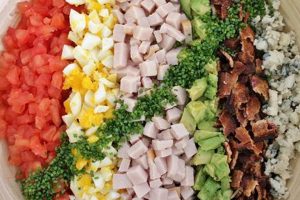
Recipes for substantial salads emphasize ingredients that promote satiety. These often include protein sources like beans, lentils, eggs, cheese, or lean meats, combined with complex carbohydrates such as whole grains (quinoa, farro), starchy vegetables (sweet potatoes, corn), and healthy fats (avocado, nuts, seeds). An example might feature grilled chicken breast over a bed of mixed greens with roasted chickpeas, quinoa, and a lemon-tahini dressing.
Salads built on these principles offer numerous advantages. They provide sustained energy, manage hunger effectively, and contribute a wide range of essential nutrients. Historically, salads have evolved from simple combinations of raw greens to more complex and complete meals. The contemporary focus on nutrient-dense, satisfying salads reflects increasing awareness of the importance of balanced nutrition and the desire for convenient, wholesome meal options.
This discussion will delve into specific strategies for creating such salads, exploring ingredient choices, flavor combinations, and practical preparation tips.
Tips for Creating Satisfying Salads
Constructing a salad that truly satisfies hunger requires careful consideration of ingredients and their nutritional contributions. The following tips offer guidance on building robust, flavorful, and satiating salads.
Tip 1: Prioritize Protein: Adequate protein is crucial for satiety. Incorporate lean meats, poultry, fish, eggs, beans, lentils, tofu, or tempeh.
Tip 2: Embrace Complex Carbohydrates: Opt for whole grains like quinoa, farro, or brown rice. Starchy vegetables such as sweet potatoes and corn also contribute filling fiber and nutrients.
Tip 3: Don’t Neglect Healthy Fats: Avocado, nuts, seeds, and olive oil provide essential fatty acids and enhance flavor, promoting fullness.
Tip 4: Boost Fiber with Non-Starchy Vegetables: Leafy greens, broccoli, cauliflower, and bell peppers add volume, nutrients, and fiber, further contributing to satiety.
Tip 5: Experiment with Textures: Combining crunchy, creamy, and chewy elements creates a more interesting and enjoyable eating experience.
Tip 6: Consider Flavor Combinations: Balance flavors by incorporating sweet, savory, tangy, and spicy elements.
Tip 7: Prepare Ingredients Strategically: Roasting or grilling vegetables can enhance their flavor and add appealing texture.
By following these guidelines, one can create salads that offer sustained energy, manage hunger effectively, and contribute a wide range of essential nutrients. These strategies promote not only physical well-being but also enjoyment of a versatile and adaptable meal.
These practical tips provide a strong foundation for crafting satisfying and nutritious salads. The following section will explore specific recipe ideas to further illustrate these principles.
1. Protein Power

Adequate protein is fundamental to creating salads that satisfy hunger and provide sustained energy. Protein plays a crucial role in satiety, promoting fullness and reducing the likelihood of overeating. Incorporating a variety of protein sources enhances both the nutritional value and the culinary appeal of salads.
- Lean Protein Sources
Lean meats, such as grilled chicken breast or sliced steak, contribute high-quality protein without excessive fat. Fish, like salmon or tuna, offers additional benefits with omega-3 fatty acids. Plant-based options like tofu and tempeh provide complete proteins and diverse textures.
- Legumes and Beans
Beans and lentils offer a cost-effective and nutrient-rich source of protein and fiber. Chickpeas, black beans, and kidney beans can be added whole, roasted, or pureed into dressings. Lentils, such as green or red varieties, cook quickly and integrate seamlessly into various salad combinations.
- Eggs
Eggs provide a readily available, complete protein source. Hard-boiled eggs add a classic element, while poached or fried eggs offer a richer dimension. Eggs contribute not only protein but also essential vitamins and minerals.
- Dairy and Cheese
Cheese, such as feta, goat cheese, or shredded cheddar, adds flavor and protein. Cottage cheese or Greek yogurt can also be incorporated to boost protein content and create creamy dressings. Dairy options should be chosen mindfully, considering fat content and overall dietary needs.
Strategic inclusion of these protein sources elevates salads from side dishes to complete, satisfying meals. The variety of options available allows for customization based on individual preferences, dietary restrictions, and desired flavor profiles. A protein-rich salad provides sustained energy, supports muscle maintenance, and contributes to overall nutritional well-being.
2. Complex Carbohydrates

Complex carbohydrates play a vital role in crafting truly satisfying salads. Unlike simple carbohydrates, which are quickly digested and can lead to energy spikes and crashes, complex carbohydrates provide sustained energy release, contributing to prolonged feelings of fullness. Their structural complexity requires more extensive digestion, preventing rapid blood sugar fluctuations and promoting stable energy levels. This sustained energy release is crucial for avoiding the mid-afternoon slump often associated with less-nutritious meals. Furthermore, complex carbohydrates are typically rich in dietary fiber, which adds bulk to the diet, further enhancing satiety and supporting digestive health.
Incorporating whole grains, such as quinoa, farro, or brown rice, into salads provides a substantial dose of complex carbohydrates. These grains offer not only sustained energy but also a range of essential nutrients, including B vitamins, iron, and magnesium. Starchy vegetables, such as sweet potatoes, butternut squash, and corn, also contribute complex carbohydrates along with vitamins, minerals, and antioxidants. Roasted sweet potatoes, for example, offer a naturally sweet and satisfying addition to a salad, while corn provides a burst of freshness and texture. Combining these complex carbohydrates with other nutrient-rich ingredients creates a well-rounded and fulfilling meal.
Understanding the role of complex carbohydrates is fundamental to building salads that contribute to both immediate satisfaction and long-term well-being. The sustained energy release, enhanced satiety, and rich nutrient profile offered by complex carbohydrates establish them as an essential component of any truly filling and nourishing salad. Choosing whole grains and starchy vegetables over refined carbohydrates ensures a stable supply of energy, promotes digestive health, and contributes to a more balanced and satisfying dietary pattern.
3. Healthy Fats

Healthy fats are essential for creating salads that promote satiety and provide optimal nutritional value. These fats play a crucial role in regulating hunger hormones, slowing digestion, and enhancing the absorption of fat-soluble vitamins. Incorporating healthy fats contributes to a feeling of fullness and satisfaction, preventing overeating and promoting stable energy levels. Furthermore, these fats provide essential fatty acids necessary for various bodily functions, including cell growth, brain function, and hormone production. For example, a salad featuring avocado, rich in monounsaturated fats, provides a creamy texture and contributes to a feeling of satiety. Similarly, a sprinkle of nuts or seeds, containing polyunsaturated fats, adds a satisfying crunch and delivers essential fatty acids. The inclusion of healthy fats not only enhances the flavor and texture of salads but also contributes significantly to their overall nutritional value and ability to satisfy hunger.
The type of fat incorporated into a salad significantly impacts its health benefits and satiating qualities. Monounsaturated fats, found in avocados, olive oil, and nuts, are known for their heart-healthy properties and ability to promote satiety. Polyunsaturated fats, including omega-3 fatty acids found in flaxseeds and walnuts, offer additional benefits for brain health and reducing inflammation. These healthy fats, in contrast to saturated and trans fats, contribute to overall well-being while enhancing the flavor and texture of salads. For instance, a salad dressed with a vinaigrette made from olive oil and lemon juice provides healthy fats and a vibrant flavor, while a sprinkle of chopped walnuts adds a satisfying crunch and a dose of omega-3s. Choosing the right types of fats is crucial for maximizing the nutritional benefits and satiating power of salads.
Understanding the role of healthy fats in creating satisfying salads is essential for making informed dietary choices. Incorporating these fats not only enhances the palatability of salads but also contributes to their nutritional value and ability to promote satiety. Choosing a variety of healthy fat sources, such as avocados, nuts, seeds, and olive oil, ensures a diverse intake of essential fatty acids and enhances the overall flavor and texture of salads. Recognizing the importance of healthy fats in the context of balanced nutrition empowers individuals to create meals that support both immediate satisfaction and long-term well-being. Avoiding unhealthy fats, such as trans fats and excessive saturated fats, further contributes to a health-conscious approach to salad preparation and consumption.
4. Fiber-Rich Vegetables

Fiber-rich vegetables are essential components of filling salad recipes. Their contribution to satiety stems from several key mechanisms, including increased chewing time, slowed gastric emptying, and enhanced bulk in the digestive tract. These factors promote feelings of fullness and contribute to appetite regulation. Furthermore, fiber-rich vegetables offer a wealth of essential vitamins, minerals, and antioxidants, enhancing the nutritional value of salads.
- Increased Chewing Time
Vegetables with high fiber content, such as broccoli, cauliflower, and leafy greens, require more thorough chewing. This extended chewing time contributes to earlier satiety signals, reducing the likelihood of overconsumption. The physical act of chewing stimulates the release of hormones related to fullness, further enhancing the satiating effect.
- Slowed Gastric Emptying
Fiber absorbs water and expands in the stomach, slowing the rate at which food empties into the small intestine. This delayed gastric emptying prolongs feelings of fullness, preventing hunger pangs and reducing the desire for snacks between meals. This sustained satiety contributes to better appetite management and can support weight management goals.
- Enhanced Bulk and Digestive Health
Fiber adds bulk to the stool, promoting regular bowel movements and overall digestive health. This increased bulk also contributes to feelings of fullness and can help prevent constipation. A healthy digestive system is crucial for nutrient absorption and overall well-being.
- Nutrient Density
Fiber-rich vegetables are packed with essential vitamins, minerals, and antioxidants that contribute to overall health and well-being. Leafy greens, such as spinach and kale, are excellent sources of vitamins A and K, while cruciferous vegetables, like broccoli and Brussels sprouts, provide vitamin C and other beneficial compounds. Incorporating a variety of colorful vegetables ensures a diverse intake of nutrients.
The inclusion of fiber-rich vegetables in salad recipes is crucial for creating meals that are both satisfying and nutritionally complete. Their ability to promote satiety through various mechanisms, combined with their rich nutrient profile, makes them indispensable components of a balanced and fulfilling diet. Prioritizing a variety of fiber-rich vegetables in salads not only enhances satiety but also contributes to long-term digestive health and overall well-being.
5. Varied Textures

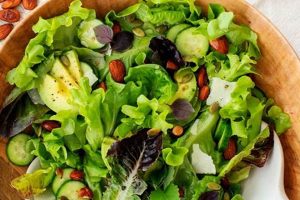
Textural diversity plays a significant role in the perceived satisfaction derived from salads. A combination of crisp, creamy, and chewy elements creates a more engaging and enjoyable eating experience. This variety stimulates different sensory receptors in the mouth, enhancing the overall perception of flavor and contributing to a feeling of fullness. A monotonous texture, regardless of flavor, can lead to sensory-specific satiety, where the desire to continue eating diminishes despite adequate caloric intake. In contrast, varied textures maintain interest and encourage consumption of a sufficient quantity to achieve satiation. For example, a salad combining crisp romaine lettuce, creamy avocado, crunchy roasted nuts, and chewy dried cranberries offers a more satisfying experience than one consisting solely of leafy greens.
The strategic incorporation of textural variety can elevate a simple salad to a more complex and satisfying meal. Crispy elements, such as raw vegetables, croutons, or toasted nuts, provide a contrasting counterpoint to softer components like cooked grains or beans. Creamy elements, such as avocado, cheese, or a tahini-based dressing, add richness and depth. Chewy ingredients, including dried fruits or cooked grains, contribute a satisfying heartiness. This interplay of textures not only enhances enjoyment but also promotes thorough chewing, which aids digestion and contributes to satiety. A salad featuring grilled chicken, crunchy cucumber, creamy goat cheese, and chewy quinoa exemplifies this principle.
Understanding the impact of texture on satiety allows for the creation of salads that are both nutritionally balanced and genuinely satisfying. By incorporating a diverse range of textures, individuals can enhance the palatability of salads while promoting fullness and preventing sensory-specific satiety. This knowledge has practical implications for meal planning and preparation, facilitating the creation of salads that are not only healthy but also enjoyable and conducive to long-term dietary adherence. The conscious inclusion of varied textures transforms a simple salad into a multi-sensory experience that supports both nutritional goals and culinary satisfaction.
6. Balanced Flavors

Balanced flavors are crucial for creating satisfying salads that encourage complete consumption and prevent palate fatigue. A harmonious blend of tastessweet, sour, salty, bitter, and umamienhances the overall eating experience and contributes to a feeling of satisfaction. A salad dominated by a single flavor profile can become monotonous, leading to diminished enjoyment and potentially hindering the consumption of a nutritionally adequate portion. Strategic flavor balancing ensures that each bite offers a complex and engaging experience, promoting enjoyment and supporting the consumption of a complete and nutritious meal.
- Sweetness
Incorporating sweet elements, such as fruits like berries, grapes, or apples, adds a dimension of complexity and balances other flavors. Roasted vegetables, like sweet potatoes or beets, can also contribute natural sweetness. Balancing sweetness with contrasting flavors prevents the salad from becoming cloying and enhances the overall taste experience.
- Acidity
Acidic components, such as vinegar, citrus juice, or pickled vegetables, provide brightness and cut through richness. A squeeze of lemon or a splash of balsamic vinegar can elevate a salad, balancing the flavors and adding a refreshing element. The right balance of acidity prevents the salad from tasting bland and enhances the other flavor components.
- Saltiness
Salt enhances the flavors of other ingredients and adds a savory dimension. Cheese, olives, or a sprinkle of sea salt can contribute the necessary saltiness. However, moderation is key, as excessive salt can overpower the other flavors and have negative health implications. Careful salt management ensures a balanced and flavorful salad.
- Bitterness and Umami
Bitter greens, such as kale or arugula, add a depth of flavor and can balance sweetness. Umami-rich ingredients, such as mushrooms, roasted nuts, or a sprinkle of nutritional yeast, provide a savory depth and complexity. These elements contribute to a more nuanced and satisfying flavor profile, preventing the salad from tasting one-dimensional. The interplay of bitterness and umami creates a more sophisticated and enjoyable culinary experience.
The careful consideration of flavor balance is essential for crafting salads that are both nutritious and enjoyable. A harmonious blend of tastes ensures continued engagement with the meal, promoting complete consumption and supporting the intake of a variety of essential nutrients. By strategically incorporating sweet, sour, salty, bitter, and umami elements, individuals can elevate their salads from simple side dishes to complex and satisfying main courses. This attention to flavor balance not only enhances the immediate culinary experience but also contributes to long-term dietary adherence and overall nutritional well-being.
7. Strategic Preparation
Strategic preparation significantly impacts the creation of filling and flavorful salads. Thoughtful ingredient selection is paramount, focusing on nutrient density and diverse textures. However, the method of preparation influences the ultimate satiety and palatability. For example, roasting vegetables intensifies their sweetness and creates desirable textural contrast, while properly cooking grains ensures optimal digestibility and nutrient absorption. Pre-washing and chopping ingredients streamlines assembly, promoting convenience and consistency. Furthermore, preparing components like dressings or marinades in advance allows flavors to meld, resulting in a more cohesive and satisfying final product. Failing to prepare strategically can lead to salads that are less flavorful, less satisfying, and ultimately less enjoyable, potentially hindering consistent consumption of these nutritious meals.
Consider the difference between a salad composed of raw, chopped vegetables and one featuring roasted counterparts. Roasting vegetables caramelizes their natural sugars, adding depth of flavor and creating appealing textures. This enhances palatability and encourages greater consumption of nutrient-rich produce. Similarly, the choice of dressing plays a pivotal role. A pre-made vinaigrette, allowed to rest and develop its flavors, offers a more nuanced and satisfying experience compared to a hastily assembled dressing. These seemingly small steps have a significant cumulative impact on the overall enjoyment and nutritional value of the salad.
Strategic preparation is not merely a matter of convenience; it is an essential element in maximizing the benefits of filling salad recipes. It influences flavor development, nutrient bioavailability, and overall satisfaction, contributing significantly to consistent consumption of these healthful meals. Understanding and implementing these principles empowers individuals to create salads that are not only nutritious but also genuinely enjoyable, promoting long-term dietary adherence and contributing to overall well-being.
Frequently Asked Questions
This section addresses common inquiries regarding the creation of satisfying and nutritious salads.
Question 1: How can salads be made more filling without excessive calories?
Prioritizing nutrient-dense ingredients like lean proteins, complex carbohydrates, and fiber-rich vegetables contributes to satiety without relying on high-calorie additions. Emphasizing whole foods over processed ingredients maximizes nutritional value while managing caloric intake.
Question 2: What are some effective strategies for meal prepping salads?
Preparing components like dressings, roasted vegetables, and cooked grains in advance streamlines assembly. Storing ingredients separately prevents premature wilting or sogginess, ensuring optimal freshness when combined.
Question 3: Can vegetarian or vegan diets accommodate filling salads?
Plant-based proteins like beans, lentils, tofu, tempeh, and nuts offer excellent alternatives to animal products. Combining these with whole grains and diverse vegetables creates complete and satisfying plant-based meals.
Question 4: How can one prevent salads from becoming bland or repetitive?
Exploring diverse flavor profiles through herbs, spices, and globally inspired dressings prevents monotony. Varying textures and incorporating seasonal ingredients maintains interest and excitement.
Question 5: What are some portable salad options suitable for work or travel?
Mason jars or compartmentalized containers facilitate layering ingredients, preventing sogginess. Packing dressings separately ensures optimal freshness and prevents leakage.
Question 6: How can one incorporate salads into a balanced diet for weight management?
Salads, rich in fiber and nutrients, promote satiety and support healthy eating patterns. Portion control and mindful ingredient selection contribute to weight management goals without sacrificing flavor or satisfaction.
Understanding these fundamental principles empowers individuals to create salads that contribute to both immediate satisfaction and long-term well-being.
The following section provides specific recipe examples illustrating these principles in practice.
Conclusion
Recipes for filling salads offer a versatile approach to achieving nutritional balance and culinary satisfaction. Strategic incorporation of protein, complex carbohydrates, healthy fats, and fiber-rich vegetables creates meals that promote satiety, provide sustained energy, and contribute a wide array of essential nutrients. Attention to textural variety and balanced flavors further enhances enjoyment and encourages consistent consumption. Practical preparation techniques maximize convenience without compromising flavor or nutritional value.
The principles explored offer a foundation for crafting salads tailored to individual preferences and dietary needs. This approach empowers individuals to embrace salads not merely as side dishes, but as substantial, flavorful, and health-promoting meals integral to a balanced and fulfilling dietary pattern.