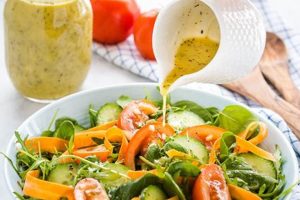
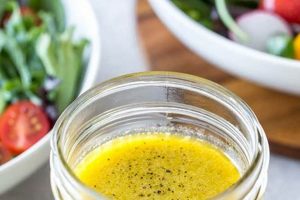
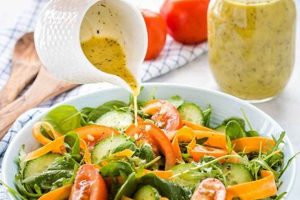
Recipes for salad dressings that contain no fat offer a way to enjoy flavorful salads without the added calories and saturated fat found in traditional dressings. These recipes often utilize ingredients like vinegar, herbs, spices, and fruit juices to create diverse flavor profiles, from tangy and zesty to sweet and savory. For example, a simple vinaigrette can be made with lemon juice, Dijon mustard, and garlic.
Health-conscious individuals and those following specific dietary plans, such as low-fat or low-cholesterol diets, can benefit from incorporating such dressings into their meals. Reducing dietary fat intake can contribute to weight management and improve cardiovascular health. While the concept of specifically “fat-free” foods gained prominence in the latter half of the 20th century alongside growing awareness of dietary fat’s role in health, the fundamental principles of creating flavorful dressings without relying on oil have existed for much longer, often out of necessity or regional culinary traditions.
This article will explore various techniques for crafting delicious, no-fat dressings, covering a range of flavor profiles and ingredient combinations suitable for diverse palates and dietary needs. From classic vinaigrettes to creamy, dairy-free options, the possibilities are vast and exciting.
Tips for Creating Delicious Fat-Free Salad Dressings
Crafting flavorful, no-fat salad dressings requires an understanding of how to balance acidity, sweetness, and savory elements. These tips offer guidance for achieving delicious results.
Tip 1: Embrace the Power of Acid. Vinegars, citrus juices, and even certain fruit purees like unsweetened applesauce provide the foundational tartness necessary to cut through the richness of salad ingredients. Experiment with different types of vinegar, such as apple cider, balsamic, or red wine vinegar, to discover preferred flavor profiles.
Tip 2: Enhance with Fresh Herbs and Spices. Freshly chopped herbs like parsley, dill, mint, or chives add brightness and complexity. Dried herbs and spices, including oregano, garlic powder, and paprika, offer concentrated flavor.
Tip 3: Explore the Versatility of Mustard. Mustard acts as an emulsifier, helping to bind ingredients and create a creamy texture. Different varieties, like Dijon, yellow, or whole grain mustard, contribute unique flavor notes.
Tip 4: Sweeten Judiciously. A touch of sweetness can balance the acidity and enhance the overall flavor profile. Consider using a small amount of honey, maple syrup, or a sugar substitute, if desired.
Tip 5: Utilize Flavorful Liquids. Broths, vegetable juices, and even the brine from pickled vegetables can add depth and complexity. For example, pickle brine can lend a tangy, salty kick to a dressing.
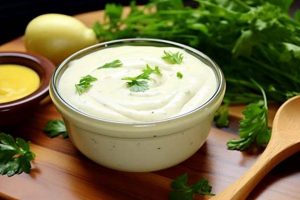
Tip 6: Blend for Creaminess. Immersing ingredients in a blender creates a smooth, emulsified dressing, mimicking the texture of traditional creamy dressings without the need for added fat.
Tip 7: Season Carefully. Salt and pepper are essential for enhancing the flavors of other ingredients. Taste and adjust seasonings throughout the preparation process.
By following these tips, one can create a wide array of flavorful and healthy no-fat dressings to elevate any salad.
By understanding the principles of flavor balance and utilizing readily available ingredients, healthy and enjoyable meals become readily achievable.
1. Flavorful Ingredients

Flavorful ingredients are essential for creating palatable fat-free salad dressings. The absence of fat, which often carries flavor and contributes to a creamy texture, necessitates a considered approach to ingredient selection. Emphasis shifts to components that can compensate for the lack of richness and build complex flavor profiles. Acidity, derived from vinegar or citrus juice, provides a foundational element. The specific type of vinegarbalsamic, apple cider, red wineintroduces nuanced flavor notes. Citrus fruits offer variations in tartness and sweetness, with lemon providing a brighter profile compared to the milder orange.
Aromatic herbs and spices play a crucial role in elevating the flavor profile. Fresh herbs, such as dill, mint, parsley, and chives, introduce vibrant, herbaceous notes. Dried herbs, including oregano, thyme, and rosemary, contribute more concentrated flavors. Spices, ranging from garlic powder and onion powder to paprika and chili flakes, add depth and complexity. Balancing these flavors requires careful consideration of their individual characteristics and how they interact with one another. For instance, the sharpness of Dijon mustard complements the sweetness of honey, while the earthiness of cumin might pair well with the brightness of lime juice. Experimentation with various combinations allows for the development of unique and satisfying flavor profiles tailored to individual preferences.
Successfully crafting fat-free dressings relies heavily on strategically incorporating flavorful ingredients. This approach not only compensates for the absence of fat but also presents an opportunity to explore a wider range of flavor profiles. The mindful combination of acids, herbs, spices, and other flavor-enhancing components produces dressings that are both healthy and delicious. This understanding facilitates the creation of diverse, flavorful options suitable for a variety of salads and dietary preferences.
2. Versatile Techniques

Versatile techniques are crucial for creating successful fat-free salad dressings. The absence of oil necessitates methods that build texture and emulsify the dressing, ensuring a palatable and appealing final product. A variety of techniques contributes to both the flavor profile and the overall sensory experience of the dressing.
- Emulsification Methods
Emulsification, typically achieved with oil in traditional dressings, requires alternative approaches in fat-free versions. Vigorous whisking can temporarily bind ingredients like vinegar and herbs, creating a homogenous mixture, albeit one that may separate over time. Blending offers a more stable emulsion, especially when incorporating ingredients like mustard or a small amount of fruit puree, which act as natural emulsifiers, creating a smoother, creamier texture.
- Flavor Infusion
Maximizing flavor extraction is essential in the absence of fat, which typically carries and distributes flavor compounds. Maceration, the process of soaking ingredients like herbs and spices in vinegar or citrus juice, allows for deeper flavor infusion. Gentle heating can also enhance flavor extraction, particularly for spices, before incorporating them into the dressing.
- Texture Enhancement
Texture plays a significant role in the enjoyment of a salad dressing. Pureeing components like roasted vegetables or fruits can add body and create a more substantial mouthfeel. Finely minced ingredients, such as shallots or garlic, contribute subtle textural variation. Incorporating ingredients like finely grated ginger or horseradish offers both textural and flavor dimensions.
- Layering Flavors
Developing complex flavor profiles requires a strategic approach to ingredient incorporation. A foundational layer of acidity from vinegar is often enhanced by the addition of complementary flavors like herbs, spices, and sweeteners. Introducing ingredients in stages allows for greater control over the final flavor profile. For instance, adding a touch of sweetness at the end can balance the overall tartness and round out the flavor.
The strategic application of these versatile techniques allows for the creation of fat-free salad dressings that are not only healthy but also offer a satisfying culinary experience. By understanding the role of emulsification, flavor infusion, texture enhancement, and flavor layering, one can develop dressings that are both flavorful and visually appealing. These techniques offer a pathway to creating dressings that rival traditional oil-based versions in both taste and texture.
3. Health Benefits
Fat-free salad dressing recipes offer several health advantages, particularly for individuals seeking to reduce dietary fat and calorie intake. These recipes provide a flavorful alternative to traditional dressings, which often rely heavily on oil, contributing significantly to overall fat and calorie content. By eliminating or drastically reducing fat, these dressings contribute to a healthier dietary profile and can play a role in various health-related goals.
- Reduced Calorie Intake
Fat, a macronutrient, contains more calories per gram than carbohydrates or protein. Fat-free dressings significantly reduce caloric intake compared to traditional counterparts, supporting weight management or weight loss efforts. For example, switching from a full-fat ranch dressing to a fat-free vinaigrette can save a considerable number of calories per serving. This reduction contributes to an overall decrease in daily caloric intake, a key factor in weight management.
- Lowered Fat Consumption
Limiting dietary fat, especially saturated and trans fats, is crucial for cardiovascular health. Fat-free dressings eliminate these unhealthy fats, promoting heart health and reducing the risk of heart disease. Replacing a creamy, high-fat dressing with a vinegar-based, fat-free option can significantly decrease saturated fat intake, contributing to improved blood lipid profiles and reduced cardiovascular risk.
- Improved Nutrient Absorption
While some nutrients require dietary fat for absorption (fat-soluble vitamins), many essential vitamins and minerals are readily absorbed without it. Fat-free dressings, often rich in vinegar and other acidic components, can actually enhance the absorption of certain nutrients, such as iron and calcium, from the accompanying salad ingredients. The increased acidity of the dressing creates a more favorable environment for mineral absorption in the digestive tract.
- Enhanced Blood Sugar Control
High-fat diets can contribute to insulin resistance, a precursor to type 2 diabetes. Fat-free dressings, by eliminating dietary fat, can play a role in improving blood sugar control and reducing the risk of developing insulin resistance. This is especially relevant for individuals at risk for or managing type 2 diabetes, as dietary modifications are a cornerstone of managing this condition.
Adopting fat-free salad dressing recipes provides numerous health benefits, contributing to improved dietary habits and supporting overall well-being. From weight management to cardiovascular health and blood sugar regulation, the reduced fat and calorie content plays a crucial role in achieving various health-related objectives. By incorporating these recipes into a balanced diet, individuals can enjoy flavorful meals while supporting their health goals. The advantages extend beyond individual health to broader public health concerns, aligning with dietary guidelines that emphasize reduced fat intake for a healthier population.
4. Creative Combinations
Creative combinations of ingredients are essential for developing flavorful fat-free salad dressings. The absence of fat, a key flavor carrier, necessitates innovative approaches to building complexity and depth of flavor. Strategic combinations compensate for the lack of richness typically provided by oils and fats, allowing for a wide range of flavor profiles beyond traditional dressings. This exploration focuses on the critical role of creative ingredient combinations in achieving palatability and satisfaction in fat-free salad dressings.
The inherent challenge in formulating fat-free dressings lies in balancing various flavor elements without the unifying presence of fat. Acidity, often the dominant flavor in these dressings, requires careful balancing with other components. Sweetness, derived from sources like fruit juices or a touch of honey, can temper excessive tartness. Umami, a savory taste, can be introduced through ingredients like miso paste, soy sauce (used sparingly due to sodium content), or nutritional yeast, adding depth and complexity. The interplay of these primary tastes, alongside aromatic contributions from herbs and spices, forms the foundation of successful fat-free dressings. For example, a dressing combining lime juice, ginger, and cilantro offers a vibrant, Southeast Asian-inspired flavor profile, while a blend of apple cider vinegar, Dijon mustard, and maple syrup creates a tangy, slightly sweet vinaigrette. The success of these combinations relies on understanding the synergistic relationships between different ingredients and their combined impact on the final flavor profile.
Practical application of this understanding involves experimentation and a willingness to explore unconventional ingredient pairings. Moving beyond standard vinegar and herb combinations unlocks a wider spectrum of flavor possibilities. Incorporating ingredients like roasted red peppers, pureed fruits, or even a small amount of tahini (while mindful of fat content) can contribute unique textures and flavors. Recognizing the interplay between acidity, sweetness, umami, and aromatic notes allows for the development of dressings tailored to specific cuisines or personal preferences. Ultimately, the success of fat-free salad dressings hinges on creative combinations that deliver both flavor and satisfaction, demonstrating that healthy eating need not compromise on taste.
5. Dietary Needs
Dietary needs play a crucial role in the formulation and selection of fat-free salad dressing recipes. Specific dietary restrictions, health conditions, and personal preferences influence ingredient choices and preparation methods. Understanding these needs is essential for creating dressings that are both palatable and compliant with individual dietary requirements. The connection between dietary needs and fat-free salad dressings lies in the ability of these recipes to address specific restrictions while maintaining flavor and enjoyment.
Various dietary needs necessitate modifications to standard recipes. Individuals following low-fat or low-cholesterol diets benefit from the elimination of oil and other high-fat ingredients. Those managing diabetes or seeking to control blood sugar levels appreciate the absence of added sugars often found in commercial dressings. Vegan diets require the exclusion of animal products, such as honey or dairy-based ingredients, prompting the use of plant-based alternatives like maple syrup or agave nectar. Food allergies and intolerances further restrict ingredient options; for example, individuals with gluten sensitivity must avoid dressings containing wheat-based soy sauce or malt vinegar. Addressing these diverse needs requires careful consideration of ingredient composition and potential cross-contamination issues. For instance, a vegan, fat-free dressing might utilize a combination of blended silken tofu, lemon juice, and nutritional yeast to achieve a creamy texture and savory flavor profile. A diabetic-friendly version would substitute a non-nutritive sweetener for sugar or honey. Practical applications of this understanding extend to recipe development and adaptation, empowering individuals to create customized dressings that meet their specific dietary requirements.
Successfully navigating the intersection of dietary needs and fat-free salad dressings requires a comprehensive understanding of ingredient properties and potential substitutions. Awareness of common allergens and dietary restrictions enables the development of inclusive recipes suitable for a wider range of individuals. This knowledge empowers individuals to make informed choices about their dietary intake while still enjoying flavorful and satisfying meals. The ability to adapt fat-free salad dressing recipes to meet various dietary needs underscores the versatility and adaptability of these recipes, demonstrating their potential to contribute to a healthier and more inclusive approach to eating. Addressing these needs promotes dietary adherence and enhances overall well-being, reinforcing the importance of considering dietary needs in recipe development and food choices.
6. Simple Preparation
Simple preparation is a significant advantage of fat-free salad dressing recipes, making them a practical choice for everyday meals. Time constraints often influence food choices, and the ease of creating these dressings contributes to their appeal. Quick preparation methods encourage healthier eating habits by reducing reliance on processed or pre-made alternatives, which may contain high levels of fat, sugar, and sodium. This exploration focuses on the components and implications of simple preparation within the context of fat-free salad dressings.
- Minimal Ingredients
Fat-free dressings typically require fewer ingredients than their traditional counterparts. A basic vinaigrette, for example, might consist solely of vinegar, a sweetener, and seasonings. This streamlined ingredient list simplifies shopping and reduces preparation time. The accessibility of common pantry staples further enhances the convenience of these recipes.
- Quick Procedures
Preparation methods often involve simple techniques such as whisking, blending, or shaking. These straightforward procedures require minimal culinary expertise and equipment, making them suitable for individuals of all skill levels. The speed of preparation makes these dressings a convenient option for busy weeknight meals or impromptu gatherings. For instance, a lemon-herb vinaigrette can be prepared in minutes by simply whisking together lemon juice, herbs, and seasonings.
- Adaptability
Fat-free dressings are adaptable to individual preferences and available ingredients. Substitutions can be made easily based on dietary needs or available pantry staples. This flexibility allows for customization without compromising simplicity. For example, different types of vinegar or sweeteners can be readily interchanged based on personal preferences or dietary restrictions. This adaptability further enhances the practicality of these dressings for everyday use.
- Storage and Shelf Life
Many fat-free dressings can be prepared in advance and stored in the refrigerator for several days, further streamlining meal preparation. The absence of perishable ingredients like dairy or mayonnaise extends their shelf life compared to traditional dressings, minimizing food waste and providing readily available healthy options throughout the week. This make-ahead capability contributes to overall meal planning efficiency and encourages consistent healthy eating habits.
The simplicity of preparing fat-free salad dressings enhances their accessibility and encourages healthier eating habits. The combination of minimal ingredients, quick procedures, adaptability, and convenient storage options positions these dressings as a practical and healthful choice for individuals seeking convenient and nutritious meal solutions. This ease of preparation contributes to the broader appeal of fat-free dressings, promoting their integration into a variety of dietary patterns and lifestyles.
Frequently Asked Questions about Fat-Free Salad Dressings
This section addresses common inquiries regarding fat-free salad dressings, providing clarity on their preparation, benefits, and usage.
Question 1: Are fat-free salad dressings truly devoid of all fat?
While labeled “fat-free,” regulations permit a minimal amount of fat per serving, typically less than 0.5 grams. This negligible amount poses no significant dietary concern for most individuals.
Question 2: Do fat-free dressings compromise flavor?
Not necessarily. Flavorful ingredients like herbs, spices, vinegars, and citrus juices compensate for the absence of oil, creating diverse and satisfying flavor profiles.
Question 3: How can one achieve a creamy texture without fat?
Techniques like blending, incorporating pureed fruits or vegetables, or adding a small amount of mustard can create a creamy consistency without added fat.
Question 4: Are fat-free dressings suitable for all dietary needs?
Generally, yes. However, individuals with specific dietary restrictions should carefully examine ingredient lists for potential allergens or incompatible components. Adapting recipes to suit individual needs is often straightforward.
Question 5: How long can one store homemade fat-free dressings?
Most homemade fat-free dressings, especially those without perishable ingredients like dairy or fresh fruit, can be stored in an airtight container in the refrigerator for up to a week.
Question 6: Are fat-free dressings always lower in calories than traditional dressings?
While fat-free dressings typically contain fewer calories due to the absence of fat, certain ingredients, like added sugars, can contribute to caloric content. Careful examination of nutritional information is advised.
Understanding the nuances of fat-free salad dressings empowers individuals to make informed dietary choices and integrate these dressings into a healthy and enjoyable eating pattern.
The following section explores specific recipes for creating delicious and versatile fat-free salad dressings.
Conclusion
Exploration of fat-free salad dressing recipes reveals a viable path towards healthier eating without sacrificing flavor. Strategic utilization of flavorful ingredients like herbs, spices, vinegars, and citrus fruits, combined with versatile techniques such as blending and maceration, allows for the creation of dressings that are both nutritious and palatable. Addressing dietary needs through ingredient substitutions and mindful recipe adaptation expands accessibility and inclusivity. The simplicity of preparation further reinforces the practicality of integrating these dressings into daily meals.
Culinary innovation within the realm of fat-free salad dressings offers a significant contribution to promoting healthier dietary choices. Continued exploration of flavor profiles and ingredient combinations holds potential for further advancements in this domain. Embracing such culinary adaptations empowers individuals to prioritize well-being without compromising on taste or convenience, fostering a sustainable approach to healthy eating.