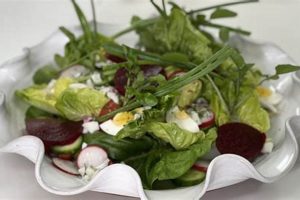
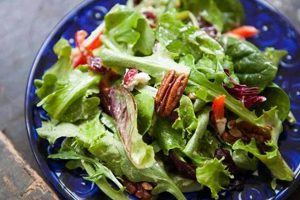
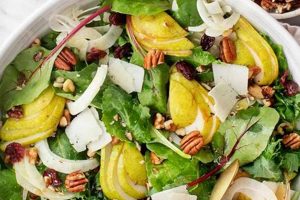
Autumnal salads featuring peppery arugula offer a vibrant and flavorful way to enjoy seasonal produce. Imagine crisp, tender leaves tossed with roasted butternut squash, toasted pecans, and a tangy maple-balsamic vinaigrette. This exemplifies the concept of incorporating the season’s bounty into a refreshing and nutritious dish.
These salads provide a welcome contrast to heavier autumnal fare, offering a lighter, brighter option that still captures the essence of the season. The nutritional value of arugula, combined with other seasonal ingredients rich in vitamins and antioxidants, contributes to a healthy and balanced diet. Historically, the use of readily available ingredients has been integral to culinary traditions worldwide, and incorporating seasonal greens like arugula into salads reflects this enduring practice.
The following explores specific ingredient combinations, preparation techniques, and variations that showcase the versatility of arugula as a base for autumn-inspired salads.
Tips for Creating Autumnal Arugula Salads
Elevating simple greens into a memorable culinary experience requires careful consideration of ingredients and techniques. These tips offer guidance for composing balanced and flavorful autumnal arugula salads.
Tip 1: Balance Bitter and Sweet: Arugula’s peppery bite benefits from the addition of sweet elements. Roasted root vegetables like sweet potatoes or beets, dried cranberries, or a drizzle of honey can achieve this balance.
Tip 2: Incorporate Textural Variety: Toasted nuts or seeds (such as pecans, walnuts, or pumpkin seeds) provide a satisfying crunch, while crumbled cheese adds creaminess.
Tip 3: Consider Seasonal Fruits: Apples, pears, and figs complement arugula’s flavor profile and contribute seasonal flair. Thinly sliced or diced fruit adds visual appeal.
Tip 4: Enhance with Warm Elements: Roasted vegetables or grilled proteins, like chicken or halloumi, offer a comforting warmth that contrasts beautifully with the fresh arugula.
Tip 5: Choose the Right Vinaigrette: A slightly sweet and tangy vinaigrette complements autumnal flavors. Maple-balsamic, apple cider, or citrus-based dressings work well.
Tip 6: Don’t Overdress: Lightly coat the leaves to avoid a soggy salad. Add dressing just before serving.
Tip 7: Proper Storage: Store arugula unwashed in a sealed container lined with a paper towel in the refrigerator to maintain freshness.
By following these guidelines, one can create flavorful and visually appealing salads that showcase the versatility of arugula and celebrate the bounty of autumn.
These tips provide a foundation for crafting exceptional arugula salads tailored to individual preferences. Experimentation with various ingredients and techniques will undoubtedly lead to delicious discoveries.
1. Seasonal Ingredients

The essence of a fall arugula salad lies in its utilization of seasonal ingredients. Autumn’s harvest offers a bounty of produce that complements arugula’s peppery flavor. Root vegetables like sweet potatoes and beets, winter squash varieties such as butternut and kabocha, and fruits like apples, pears, and pomegranates reach peak flavor during this time. Incorporating these ingredients not only elevates the salad’s taste but also ensures optimal nutritional value, as produce consumed in season typically boasts higher nutrient density. For example, roasted butternut squash adds sweetness and creamy texture, while crisp apples provide a tart counterpoint. The interplay of these seasonal flavors creates a dynamic and satisfying culinary experience.
Selecting ingredients at their peak ripeness is crucial for maximizing flavor and minimizing waste. Farmers’ markets offer access to locally sourced produce, often harvested at the optimal time. This approach supports local agriculture while ensuring access to the freshest ingredients. Beyond fruits and vegetables, other seasonal components, such as toasted pecans, walnuts, or pumpkin seeds, contribute textural complexity and enhance the autumnal theme. Consider incorporating cheeses like goat cheese or gorgonzola, which pair well with the season’s flavors. These additions create a more complex and nuanced salad that truly captures the essence of autumn.
Understanding the importance of seasonality allows for the creation of salads that reflect the distinct flavors of autumn. The inherent connection between seasonal ingredients and fall arugula salads fosters culinary creativity and promotes a deeper appreciation for the natural rhythm of food production. While access to certain ingredients may vary based on geographic location and climate, the underlying principle remains: embracing seasonal produce elevates the flavor, nutritional value, and overall experience of a fall arugula salad. This conscious approach to ingredient selection contributes to a more sustainable and satisfying culinary practice.
2. Balancing Flavors

Balancing flavors is paramount in crafting a successful fall arugula salad. Arugula’s inherent peppery, slightly bitter taste requires careful consideration of complementary ingredients. Harmonizing these flavors creates a well-rounded and enjoyable culinary experience.
- Counteracting Bitterness
The peppery bitterness of arugula forms the base of the flavor profile. This characteristic necessitates the incorporation of ingredients that offer contrasting tastes. Sweet elements, such as roasted butternut squash, dried cranberries, or a drizzle of honey, effectively counteract the bitterness and create a more balanced palate. The interplay of bitter and sweet notes adds depth and complexity to the salad.
- Acidity and Brightness
Acidity plays a vital role in brightening the overall flavor profile. A vinaigrette, whether a classic lemon-based dressing or something more complex like a maple-balsamic, introduces a necessary tartness that cuts through the richness of other ingredients. The acidity also helps to balance the inherent bitterness of the arugula, preventing the salad from becoming overly heavy or one-dimensional. Citrus segments, like oranges or grapefruits, can also contribute to this balancing act.
- Earthy and Savory Notes
Roasted root vegetables, such as beets or carrots, contribute earthy and savory notes that complement the peppery arugula. The natural sweetness of these vegetables, enhanced through roasting, adds another layer of flavor complexity. Incorporating ingredients like toasted nuts or crumbled cheese further enhances the savory dimension, creating a more robust and satisfying salad. Mushrooms, particularly earthy varieties like cremini or shiitake, also offer a savory counterpoint.
- The Role of Fat
Fat, whether from the oil in a vinaigrette, the richness of cheese, or the addition of avocado, plays a crucial role in balancing flavors and adding textural complexity. Fat carries flavor and creates a more satisfying mouthfeel. A well-balanced vinaigrette ensures the flavors meld harmoniously. The inclusion of nuts or seeds provides healthy fats and textural contrast, contributing to a more complete sensory experience.
Successfully balancing these flavor componentsbitterness, sweetness, acidity, earthiness, and richnessresults in a fall arugula salad that is both complex and harmonious. Consideration of these elements elevates the salad beyond a simple combination of ingredients to a carefully composed dish that celebrates the nuanced flavors of autumn.
3. Textural Contrast

Textural contrast significantly enhances the sensory experience of fall arugula salads. A varied textural profile elevates these salads beyond simple combinations of ingredients, transforming them into dynamic culinary creations. This exploration delves into the crucial role texture plays in crafting a compelling and satisfying autumnal salad.
- Crunchy Elements
Crunchy elements provide a satisfying counterpoint to the tender arugula leaves. Toasted nuts, such as pecans, walnuts, or almonds, offer a robust crunch and complement the earthy autumnal flavors. Seeds, like pumpkin or sunflower seeds, contribute a lighter, more delicate crispness. These additions create a dynamic interplay of textures, stimulating the palate and enhancing the overall enjoyment of the salad.
- Creamy Components
Creamy components introduce a luxurious mouthfeel that contrasts with the crispness of the arugula and other crunchy elements. Crumbled cheeses, like goat cheese, feta, or gorgonzola, provide a rich, creamy texture and contribute to the flavor profile. Avocado, with its smooth, buttery texture, adds a healthy fat component and complements the other ingredients. These creamy additions create a more balanced and satisfying sensory experience.
- Tender Additions
Roasted vegetables, like butternut squash or sweet potatoes, offer a tender contrast to the raw arugula. The roasting process softens the vegetables, creating a melt-in-your-mouth texture that complements the peppery greens. This textural interplay enhances the overall complexity of the salad. Adding roasted or grilled protein, like chicken or tofu, introduces another dimension of tenderness, further diversifying the textural profile.
- Chewy Inclusions
Chewy additions provide another layer of textural interest. Dried fruits, such as cranberries or chopped dates, offer a concentrated sweetness and a chewy texture that complements the other ingredients. Adding grains, like quinoa or farro, introduces a slightly chewy texture and contributes to the overall heartiness of the salad. These inclusions further enhance the dynamic interplay of textures, creating a more engaging culinary experience.
The strategic incorporation of contrasting texturescrunchy, creamy, tender, and chewyelevates fall arugula salads from simple to sophisticated. The interplay of these textures creates a more dynamic and satisfying culinary experience, enhancing the enjoyment of the seasonal flavors and highlighting the versatility of arugula as a base for autumn-inspired salads.
4. Complementary Dressings
Complementary dressings are essential for maximizing the flavor potential of fall arugula salads. Dressings provide more than just moisture; they enhance and unify the diverse flavors of the seasonal ingredients, creating a cohesive and balanced culinary experience. The interplay between the dressing and the other components is crucial. A well-chosen dressing elevates the inherent flavors of the ingredients without overpowering them. Consider the balance between the peppery arugula, the sweetness of roasted vegetables or fruit, the earthiness of nuts, and the richness of cheese. The dressing must complement and harmonize these diverse elements. For instance, a maple-balsamic vinaigrette, with its sweet and tangy notes, complements the bitterness of arugula and the sweetness of roasted butternut squash. Similarly, an apple cider vinaigrette enhances the flavors of apples and pecans in an autumnal salad.
Several factors contribute to the efficacy of a complementary dressing. Acidity is crucial for balancing the richness of the ingredients and brightening the overall flavor profile. A vinaigrette with a balanced acidity level, derived from ingredients like lemon juice, vinegar, or citrus segments, provides a refreshing counterpoint to the other components. The type of oil used also influences the dressing’s flavor and texture. Extra virgin olive oil offers a robust flavor that complements earthy ingredients, while a lighter oil, such as grapeseed oil, allows the other flavors to shine. The inclusion of emulsifying agents, like Dijon mustard or honey, helps create a stable and cohesive dressing that evenly coats the salad ingredients. Finally, the judicious use of herbs and spices further enhances the complexity of the dressing, adding depth and nuance to the overall flavor profile. A sprinkle of thyme or rosemary complements the earthiness of root vegetables, while a dash of cinnamon or nutmeg enhances the autumnal spice notes.
Understanding the nuances of complementary dressings allows for the creation of salads that showcase the best of autumnal flavors. The dressing should not mask the individual ingredients but rather enhance their inherent qualities and create a harmonious blend. Careful consideration of acidity, oil, emulsifying agents, and herbs ensures the dressing complements the other components effectively. A well-balanced dressing elevates the sensory experience of a fall arugula salad, creating a dish that is both flavorful and satisfying. This approach to dressing selection demonstrates an understanding of the crucial role dressings play in creating a truly exceptional culinary experience.
5. Presentation and Serving

Presentation and serving are integral aspects of maximizing the enjoyment of fall arugula salads. While flavor and texture are paramount, visual appeal and timely service enhance the overall dining experience. Careful consideration of these elements elevates the salad from a simple dish to a carefully composed culinary creation.
- Visual Appeal
Visual appeal significantly influences the perception of a dish. A well-presented salad entices the diner and sets the stage for a positive culinary experience. Consider the arrangement of ingredients. Rather than simply tossing everything together, strategically place elements to create visual interest. The vibrant colors of autumnal ingredients, such as deep orange butternut squash, ruby-red beets, and dark green arugula, offer an opportunity for artistic expression. The use of height and texture can further enhance the presentation. A mound of arugula topped with artfully arranged roasted vegetables and a sprinkle of toasted nuts creates a visually dynamic composition.
- Serving Temperature
Serving temperature plays a crucial role in optimizing the flavors and textures of a fall arugula salad. While arugula is typically served chilled, incorporating warm elements, such as roasted vegetables or grilled protein, introduces a pleasant contrast. The interplay of warm and cool temperatures adds complexity and enhances the overall sensory experience. Ensure the warm components are not overly hot, as this could wilt the arugula. A slightly warm temperature enhances the flavors of the roasted vegetables and creates a more balanced dish.
- Timing
Timing is crucial, particularly when incorporating ingredients with varying textures. Dress the salad just before serving to prevent the arugula from wilting and the other components from becoming soggy. This preserves the crispness of the arugula and maintains the desired textural contrast. If using roasted vegetables, allow them to cool slightly before adding them to the salad to avoid wilting the greens. Attention to timing ensures the salad is served at its optimal quality.
- Portion Size
Appropriate portion sizes contribute to a satisfying dining experience. Arugula salads can serve as a light starter, a substantial side dish, or a complete meal depending on the accompanying ingredients and the portion size. Consider the context of the meal when determining the appropriate portion. A smaller portion serves as a refreshing appetizer, while a larger portion, supplemented with protein and grains, becomes a complete and balanced meal. Careful portioning ensures a satisfying and enjoyable culinary experience.
Consideration of these elementsvisual appeal, serving temperature, timing, and portion sizeelevates fall arugula salads from simple dishes to carefully curated culinary experiences. These factors, combined with the season’s vibrant flavors and textures, create a truly memorable autumnal dining experience. Attention to these details demonstrates an understanding of the interplay between culinary artistry and sensory perception.
Frequently Asked Questions
This section addresses common inquiries regarding the preparation and enjoyment of autumnal arugula salads.
Question 1: How can bitterness in arugula be mitigated?
Balancing arugula’s peppery bite can be achieved by incorporating sweet and acidic elements. Roasted root vegetables, dried fruits, or a light drizzle of honey provide sweetness, while a citrus-based vinaigrette or the addition of segments of oranges or grapefruit introduces acidity. This interplay of flavors creates a more harmonious palate.
Question 2: What dressings best complement fall arugula salads?
Vinaigrettes featuring seasonal flavors complement autumnal ingredients. Maple-balsamic, apple cider, and citrus-based dressings enhance the peppery arugula and other components like roasted vegetables or fruits. The acidity in the vinaigrette also balances the richness of nuts or cheese.
Question 3: How can textural variety be introduced?
Textural contrast elevates these salads. Toasted nuts or seeds, such as pecans, walnuts, or pumpkin seeds, offer a satisfying crunch. Crumbled cheese adds a creamy element, while roasted vegetables contribute a tender contrast. These varying textures create a more dynamic and enjoyable sensory experience.
Question 4: What protein sources pair well with these salads?
Grilled chicken, roasted tofu, or pan-seared halloumi cheese are excellent protein additions. These options complement the seasonal flavors and add a hearty element to the salad. The warmth of cooked proteins contrasts nicely with the fresh arugula.
Question 5: How should arugula be stored for optimal freshness?
Store unwashed arugula in a sealed container lined with a paper towel in the refrigerator. This method helps maintain the leaves’ crispness and prevents premature wilting. Excess moisture promotes spoilage, so ensure the leaves are dry before storing.
Question 6: Can other greens be combined with arugula?
While arugula provides a distinctive peppery flavor, other greens can be incorporated for variety. Baby spinach, kale, or romaine lettuce offer different textures and flavors that can complement or contrast with the arugula. Consider the flavor profiles of the other ingredients when choosing complementary greens.
Addressing these common queries provides a foundation for confidently creating and enjoying delicious and well-balanced fall arugula salads. Thoughtful consideration of ingredients, dressings, and textures ensures a satisfying culinary experience.
The following section offers a selection of specific recipe ideas to further inspire culinary creativity.
Conclusion
Exploration of autumnal salads featuring arugula reveals the versatility and adaptability of this peppery green. Emphasis on incorporating seasonal ingredients, balancing flavors, creating textural contrast, and selecting complementary dressings underscores the potential for crafting culinary experiences that capture the essence of autumn. From the sweetness of roasted root vegetables to the crunch of toasted nuts and the brightness of citrus vinaigrettes, the possibilities for creating harmonious flavor combinations are vast.
The adaptability of arugula allows for diverse culinary creations, ranging from light and refreshing starters to hearty and satisfying main courses. Culinary exploration extends beyond prescribed recipes, encouraging experimentation and innovation with seasonal ingredients. This approach fosters an appreciation for the cyclical nature of food and the potential for creating dishes that reflect the unique flavors of each season.