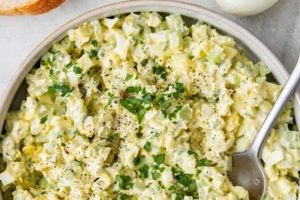
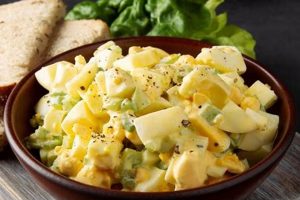
Combinations of chopped, hard-boiled eggs, mayonnaise, and various seasonings constitute the core of this popular dish. Common additions include mustard, celery, onion, relish, paprika, and salt and pepper. These ingredients can be blended to create a wide range of flavor profiles, from classic creamy versions to those with a spicy or tangy kick. A simple example involves mixing chopped eggs with mayonnaise, mustard, salt, and pepper.
This dish offers a quick, affordable, and protein-rich meal option. Its versatility allows it to be enjoyed as a sandwich filling, a salad topping, or a standalone snack. Historically, variations of egg-based salads have been documented across different cultures for centuries, highlighting their enduring appeal as a convenient and adaptable food. The dish’s adaptability extends to dietary restrictions, with modifications possible for gluten-free, dairy-free, or low-carb diets.
This exploration will delve into various aspects of creating this versatile dish, including selecting the freshest ingredients, mastering different preparation techniques, and exploring creative variations to elevate the dining experience.
Tips for Exceptional Egg Salad
Achieving optimal flavor and texture requires attention to detail throughout the preparation process. The following tips offer guidance for creating a superior culinary experience.
Tip 1: Perfect Hard-Boiled Eggs: Achieving properly cooked yolks is crucial. Avoid overcooking, which can lead to a dry, crumbly texture and a greenish ring around the yolk. A recommended method involves placing eggs in a saucepan, covering them with cold water, bringing the water to a rolling boil, then removing from heat and letting them sit covered for 10-12 minutes, depending on desired yolk firmness. Immediately transfer the eggs to an ice bath to stop the cooking process.
Tip 2: Precise Chopping: Uniformly chopped eggs contribute to a pleasing texture. A sharp knife or an egg slicer ensures consistent pieces, enhancing both the appearance and mouthfeel.
Tip 3: Mayonnaise Matters: The quality and type of mayonnaise significantly influence the overall flavor. Experimenting with different brands or homemade versions allows customization of the creaminess and tanginess.
Tip 4: Seasoning Strategies: Freshly ground black pepper elevates the flavor profile. Salt should be added gradually and tasted throughout the mixing process to achieve the desired balance. Incorporating a pinch of paprika adds a subtle smokiness.
Tip 5: Elevating with Add-ins: Finely diced celery, red onion, or chives provide textural contrast and enhance the flavor complexity. A touch of Dijon mustard or a dash of hot sauce can introduce a welcome sharpness.
Tip 6: Mindful Mixing: Overmixing can result in a mushy texture. Ingredients should be gently folded together until just combined, preserving the integrity of the egg pieces.
Tip 7: Chilling Time: Allowing the mixture to chill in the refrigerator for at least 30 minutes before serving allows the flavors to meld and enhances the overall experience.
By adhering to these guidelines, one can consistently produce a flavorful and well-balanced dish that satisfies the palate. Attention to detail in each step, from egg preparation to ingredient selection, contributes to an exceptional culinary outcome.
These tips provide a solid foundation for exploring the diverse world of this classic dish. The following sections will delve further into specific variations and creative adaptations.
1. Ingredients
The quality and selection of ingredients directly impact the final flavor, texture, and overall appeal of egg salad. Eggs, the foundational component, should be fresh and properly cooked. Overcooked yolks contribute to a dry, crumbly texture, while undercooked whites compromise food safety. Mayonnaise serves as the binding agent and contributes richness and creaminess. The type of mayonnaise chosenfull-fat, low-fat, or a homemade versionaffects both the flavor and nutritional profile. Mustard adds a tangy complexity, with options ranging from mild yellow mustard to robust Dijon. Seasonings, such as salt, pepper, and paprika, balance the richness and enhance the overall flavor profile. Optional additions, such as finely chopped celery, red onion, or fresh herbs, introduce textural and flavor nuances, creating diverse variations.
Consider the cause-and-effect relationship between ingredient choices and the resulting dish. Fresh, high-quality eggs yield a superior flavor compared to older eggs. Using a flavorful mayonnaise, such as one made with olive oil or avocado oil, elevates the taste compared to a generic brand. The judicious use of seasonings, like a touch of smoked paprika or a pinch of cayenne pepper, can significantly alter the final flavor profile. For example, the addition of chopped fresh dill creates a brighter, more herbaceous flavor than dried dill. Similarly, using red onion instead of white onion introduces a sharper, more pungent note. Understanding these nuances allows for precise control over the final product.
Mastering ingredient selection empowers culinary creativity and ensures a consistently satisfying outcome. Balancing the richness of mayonnaise with the sharpness of mustard, the subtle heat of spices, and the freshness of herbs allows for a personalized, flavorful egg salad experience. This understanding provides a framework for adapting recipes to individual preferences and dietary needs, from classic preparations to innovative variations. Awareness of ingredient interactions and their impact on the final product are essential for achieving culinary excellence in this versatile dish.
2. Preparation

Proper preparation is essential for achieving optimal texture, flavor, and food safety in egg salad. This involves a series of deliberate steps, from cooking the eggs to combining ingredients effectively. Each stage contributes to the final outcome, highlighting the importance of precision and technique.
- Cooking the Eggs:
Achieving perfectly cooked eggs is paramount. Overcooking results in dry, chalky yolks and a rubbery texture, while undercooking poses health risks. The ideal hard-boiled egg has a firm, yet creamy yolk and a fully cooked white. Recommended methods involve gently simmering eggs for a specific duration, followed by an immediate ice bath to halt the cooking process. Precise timing and temperature control are crucial for achieving the desired consistency and preventing discoloration.
- Chopping and Combining:
Uniformly chopping the eggs ensures even distribution of flavor and contributes to a pleasant texture. Whether using a knife or an egg slicer, consistency in size is key. The manner in which ingredients are combined also affects the final product. Overmixing can lead to a mushy texture, while undermixing may result in uneven flavor distribution. Gentle folding is generally recommended to maintain the integrity of the egg pieces and other add-ins.
- Seasoning and Flavor Balancing:
Seasoning plays a critical role in enhancing the overall flavor profile. The appropriate balance of salt, pepper, and other spices is essential. The addition of mustard contributes tanginess, while other ingredients, such as chives or dill, introduce nuanced flavors. Careful consideration of flavor pairings and the impact of each ingredient on the overall taste is crucial for a well-balanced and flavorful outcome.
- Chilling and Serving:
Chilling the prepared egg salad allows the flavors to meld and enhances the overall experience. A resting period in the refrigerator, typically at least 30 minutes, allows the ingredients to fully integrate and the flavors to develop. Proper storage is also vital for maintaining freshness and preventing bacterial growth. Egg salad should be stored in an airtight container in the refrigerator and consumed within a recommended timeframe.
These preparatory steps are interconnected and contribute significantly to the quality of the final product. From the initial cooking of the eggs to the final chilling period, attention to detail and precision in execution ensures a flavorful, visually appealing, and safe-to-consume egg salad. Understanding the impact of each step empowers one to consistently create a superior dish.
3. Variations
The inherent versatility of egg salad allows for extensive variation, transforming a basic recipe into a personalized culinary experience. Modifications to core ingredients and the incorporation of diverse add-ins create a spectrum of flavor profiles and textures, expanding the dish’s appeal beyond the traditional. This adaptability is crucial for accommodating individual preferences, dietary restrictions, and creative culinary exploration.
The interplay of ingredients determines the final character of the dish. Substituting Greek yogurt for mayonnaise creates a lighter, tangier version with reduced fat content. Incorporating curry powder introduces an aromatic complexity, while smoked paprika lends a smoky depth. Textural variations are achievable through the addition of chopped celery, water chestnuts, or crumbled bacon. These examples demonstrate the cause-and-effect relationship between ingredient choices and the resulting sensory experience. The nuanced impact of each addition allows for precise flavor tailoring, transforming a simple egg salad into a sophisticated dish.
Consider the practical significance of these variations. A classic egg salad, relying on mayonnaise, mustard, and seasonings, provides a familiar comfort food experience. However, introducing chopped jalapeos and a dash of hot sauce transforms the dish into a spicy, vibrant alternative. For those seeking a lighter option, incorporating avocado and lime juice creates a refreshing, healthy variation. These adaptations demonstrate the practical application of variations, catering to diverse tastes and dietary needs. This adaptability elevates egg salad from a basic staple to a versatile culinary canvas.
Understanding the potential for variation within egg salad recipes is essential for maximizing its culinary potential. This knowledge empowers individuals to move beyond standard preparations, exploring diverse flavor profiles and textures to create personalized versions. The ability to adapt the recipe to specific needs and preferences underscores the importance of variations as a key element in the enduring appeal of egg salad.
4. Serving Styles
The manner in which egg salad is presented contributes significantly to the overall dining experience. Serving styles influence not only the visual appeal but also the perceived flavors and textures. Understanding the various presentation options allows for a more versatile and enjoyable culinary experience, adapting to different occasions and individual preferences.
- Classic Sandwiches:
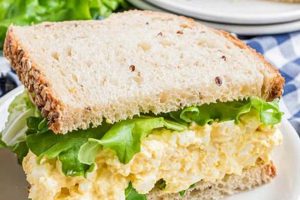
The quintessential egg salad sandwich remains a timeless favorite. Whether served on white, wheat, or rye bread, toasted or untoasted, the simplicity and portability of this option make it a popular choice for lunches, picnics, and quick meals. The bread’s texture and flavor interact with the egg salad, creating a harmonious combination. Variations include adding lettuce, tomato, or bacon for enhanced flavor and texture.
- Elegant Salads:
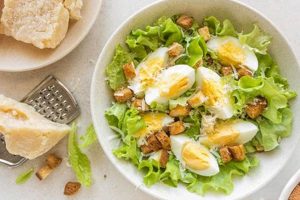
Egg salad can elevate a simple green salad, adding protein and richness. Serving it atop a bed of mixed greens, accompanied by fresh vegetables and a light vinaigrette, transforms a basic salad into a more substantial and satisfying meal. This approach offers a lighter, healthier alternative to traditional sandwich preparations.
- Creative Wraps and Lettuce Cups:
For those seeking gluten-free or low-carb options, egg salad can be served in lettuce cups or wrapped in tortillas or collard greens. These alternatives offer a fresh, crisp counterpoint to the creamy egg salad filling. This adaptability caters to diverse dietary needs without compromising flavor or satisfaction.
- Appetizer Bites and Deviled Eggs Enhancement:
Egg salad can be transformed into elegant appetizers. Serving it on crackers, cucumber rounds, or endive spears creates bite-sized portions ideal for parties or gatherings. It can also enhance classic deviled eggs, providing a flavorful filling variation. These creative presentations showcase the versatility of egg salad beyond traditional meal contexts.
The choice of serving style significantly impacts the overall perception and enjoyment of egg salad. From the familiar comfort of a classic sandwich to the elegant presentation of appetizer bites, the versatility of this dish allows it to adapt to a wide range of culinary contexts. Consideration of serving style, alongside flavor profiles and ingredient variations, elevates egg salad from a simple staple to a versatile culinary creation.
5. Storage

Proper storage is crucial for maintaining the safety and quality of egg salad. Given its perishable nature, due to the combination of eggs, mayonnaise, and other ingredients, egg salad is susceptible to bacterial growth if not handled and stored correctly. This underscores the direct cause-and-effect relationship between storage practices and the risk of foodborne illness. Improper storage can lead to spoilage, rendering the egg salad unsafe for consumption, even if it appears visually acceptable. Therefore, understanding and implementing appropriate storage techniques is paramount for ensuring food safety and preventing adverse health consequences.
Practical application of proper storage techniques involves using airtight containers and refrigerating the egg salad promptly after preparation. Ideally, egg salad should be consumed within three to five days of preparation, even when refrigerated. Storing the egg salad in a shallow container, rather than a deep one, promotes faster cooling and reduces the time it spends in the temperature danger zone. Furthermore, avoiding repeated temperature fluctuations by minimizing the number of times the container is opened and closed helps maintain the egg salad’s quality and extends its shelf life. These practices reflect the practical significance of understanding storage guidelines for maximizing food safety and minimizing waste.
Effective storage practices are integral to responsible egg salad preparation. Neglecting these guidelines significantly increases the risk of spoilage and foodborne illness. Conversely, adhering to proper storage protocols ensures the safety and quality of the egg salad, preserving its flavor and texture while mitigating potential health hazards. This understanding reinforces the crucial role of storage as an essential component of egg salad preparation and consumption.
6. Nutritional Value
Nutritional value represents a critical aspect of evaluating egg salad recipes. Understanding the nutritional composition allows for informed choices regarding ingredients, portion sizes, and overall dietary impact. This analysis provides a framework for incorporating egg salad into a balanced diet, considering both its benefits and potential drawbacks. This exploration examines key nutritional facets of egg salad, providing insights for health-conscious consumers.
- Macronutrient Profile:
Egg salad typically features a high protein content derived from the eggs, contributing to satiety and muscle maintenance. The fat content, primarily from mayonnaise, provides a source of energy but can be substantial. Carbohydrates are generally low, depending on the presence of added ingredients like sweet pickle relish or onions. A typical serving might contain 15-20 grams of protein, 20-30 grams of fat, and 5-10 grams of carbohydrates. This macronutrient breakdown is relevant for individuals monitoring their protein, fat, or carbohydrate intake for weight management or specific dietary needs. Adjusting the ratio of eggs to mayonnaise can modify the macronutrient profile. For example, increasing the proportion of eggs elevates protein content while reducing overall fat.
- Micronutrients and Vitamins:
Eggs contribute essential micronutrients, including selenium, vitamin D, vitamin B12, and choline, vital for various bodily functions. Selenium acts as an antioxidant, vitamin D supports bone health, vitamin B12 aids nerve function, and choline contributes to brain health. However, these benefits can be offset by high sodium levels from certain mayonnaise brands or added seasonings. Opting for low-sodium ingredients can mitigate this concern. The inclusion of fresh vegetables, such as chopped celery or red onion, further enhances the micronutrient profile, adding vitamins and minerals.
- Cholesterol Content:
Egg yolks contain cholesterol, which raises concerns for some individuals. While dietary cholesterol affects blood cholesterol levels differently in individuals, those with specific health conditions may need to limit their intake. This necessitates careful portion control and consideration of alternative preparations. Using only egg whites or substituting some of the mayonnaise with avocado or Greek yogurt can reduce the cholesterol content without sacrificing flavor or texture.
- Allergenic Potential:
Egg salad presents a potential allergen due to its primary ingredient. Egg allergies are prevalent, requiring careful consideration for individuals with such sensitivities. Cross-contamination during preparation is also a concern. Individuals preparing egg salad for others with egg allergies should exercise extreme caution and ensure dedicated utensils and surfaces to prevent accidental exposure. Alternative protein sources like chickpeas or tofu can be used to create egg-free “salad” variations for those with allergies.
Nutritional awareness provides a critical lens for evaluating and modifying egg salad recipes. By understanding the macronutrient breakdown, micronutrient contributions, cholesterol content, and potential allergens, individuals can make informed decisions to create versions aligned with their specific dietary needs and preferences. This knowledge allows egg salad to be enjoyed as part of a balanced and health-conscious eating pattern. For instance, understanding the cholesterol content allows for informed choices about egg yolk inclusion, while awareness of the potential for egg allergies necessitates careful ingredient selection and preparation practices for those with sensitivities.
Frequently Asked Questions
This section addresses common inquiries regarding the preparation, storage, and variations of egg salad, providing clear and concise answers based on established culinary practices and food safety guidelines.
Question 1: How long does egg salad typically last in the refrigerator?
Properly stored in an airtight container, egg salad generally remains safe to consume for three to five days when refrigerated. However, factors such as ingredient freshness and storage temperature can influence shelf life. Spoilage signs, such as a sour odor or discoloration, warrant discarding the product regardless of the timeframe.
Question 2: Can one freeze egg salad?
Freezing is generally not recommended. Mayonnaise, a primary ingredient, separates upon freezing and thawing, resulting in an undesirable texture and consistency. While the thawed product might be technically safe to eat, the compromised quality significantly detracts from the intended culinary experience.
Question 3: How can one achieve perfectly hard-boiled eggs without the yolks turning green?
A greenish ring around the yolk indicates overcooking. This occurs when the iron in the yolk reacts with sulfur in the white during prolonged heating. To prevent this, avoid boiling eggs for excessive durations. Recommended methods involve a precise cooking time followed by an immediate ice bath to halt the cooking process and prevent further chemical reactions.
Question 4: What are healthier alternatives to mayonnaise in egg salad?
Greek yogurt and avocado provide healthier alternatives to mayonnaise, reducing fat and calorie content while retaining a creamy texture. These substitutions also introduce additional nutritional benefits. Greek yogurt adds protein and probiotics, while avocado contributes healthy fats and fiber. These alternatives offer a health-conscious approach without significantly compromising flavor or texture.
Question 5: How can one prevent egg salad sandwiches from becoming soggy?
Soggy sandwiches often result from moisture transfer between the filling and the bread. To prevent this, one can create a barrier by spreading a thin layer of butter or mayonnaise directly on the bread slices before adding the egg salad. This inhibits moisture absorption, maintaining the bread’s integrity and preventing sogginess. Adding a layer of lettuce between the filling and the bread provides an additional barrier.
Question 6: How can one adapt egg salad recipes for different dietary needs?
Egg salad’s adaptability caters to various dietary restrictions. For gluten-free versions, use gluten-free bread or lettuce wraps. Dairy-free options involve substituting mayonnaise with dairy-free alternatives or avocado. For low-carbohydrate diets, focus on reducing or eliminating bread and incorporating additional vegetables.
Addressing these common questions provides a foundation for understanding key considerations in preparing, storing, and adapting egg salad recipes. This knowledge empowers individuals to create delicious and safe versions tailored to individual preferences and dietary requirements.
Beyond these frequently asked questions, further exploration into specific recipe variations and advanced culinary techniques can enhance one’s egg salad expertise.
Egg Salad Recipes
Exploration of this culinary staple reveals a dish adaptable to a spectrum of tastes and dietary preferences. From classic preparations emphasizing simplicity to innovative variations incorporating diverse ingredients, the potential for customization is extensive. Proper egg cooking techniques, ingredient selection, and mindful preparation ensure optimal flavor and texture. Serving styles range from traditional sandwiches to contemporary salads, showcasing versatility. Adherence to established storage guidelines guarantees food safety and maximizes shelf life. Nutritional awareness empowers informed choices regarding ingredient modifications and portion control. Addressing common inquiries provides practical guidance for achieving culinary success.
Mastery of this seemingly simple dish extends beyond basic preparation. A deeper understanding of ingredient interactions, flavor profiles, and culinary techniques unlocks its true potential. Continued exploration and experimentation promise further culinary discoveries, solidifying the enduring relevance of egg salad within the gastronomic landscape.