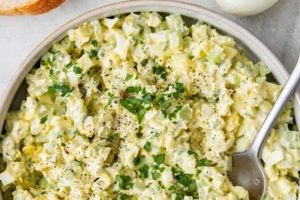
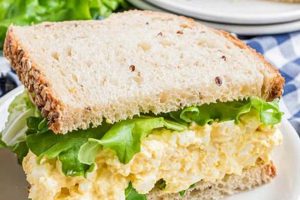
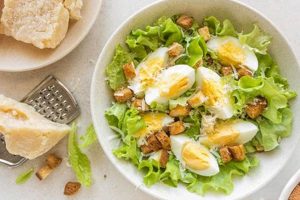
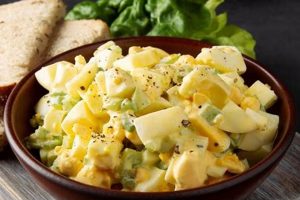
A dish combining the creamy texture of mashed hard-boiled eggs with the richness of avocado creates a flavorful and nutritious meal or snack. Variations can include additions such as diced onions, celery, spices, and dressings like mayonnaise or Greek yogurt. This combination often features on sandwiches, wraps, salads, or as a standalone appetizer served with crackers or crudits.
This culinary creation offers a good source of protein, healthy fats, and essential vitamins. The versatility of the dish allows for adjustments in ingredients and seasonings, catering to individual dietary preferences and needs. From simple picnic fare to elegant brunch presentations, this blended dish holds a place in various culinary traditions, reflecting its adaptability and enduring appeal.
Further exploration of this topic will cover variations in preparation methods, nutritional information, and creative serving suggestions for different occasions. Specific ingredient recommendations and detailed instructions will be provided to guide both novice and experienced cooks in crafting a delicious and satisfying meal.
Tips for Preparing an Avocado and Egg Salad
Achieving optimal flavor and texture requires attention to detail throughout the preparation process. The following tips offer guidance for creating a superior culinary experience.
Tip 1: Perfect Egg Cooking: Overcooked eggs can result in a dry, rubbery texture. Aim for a firm yet moist yolk by simmering eggs for 8-10 minutes, followed by immediate immersion in ice water to halt the cooking process.
Tip 2: Ripe Avocado Selection: Select avocados that yield to gentle pressure but are not overly soft. Overripe avocados can impart a bitter flavor to the salad.
Tip 3: Preventing Browning: Avocado oxidizes rapidly upon exposure to air. To prevent browning, incorporate lemon or lime juice immediately after mashing the avocado. This helps maintain the vibrant green color.
Tip 4: Balancing Flavors: The richness of avocado complements the subtle flavor of eggs. Enhance the overall taste profile with finely diced red onion, fresh cilantro, or a pinch of smoked paprika. Experimentation with various herbs and spices can yield unique flavor combinations.
Tip 5: Texture Considerations: For a smoother, creamier texture, mash the avocado and eggs thoroughly. A chunkier texture can be achieved by coarsely chopping the ingredients. Consider the desired consistency when preparing the salad.
Tip 6: Seasoning Strategies: Salt and freshly ground black pepper are essential seasonings. Enhance the flavor profile further with a dash of Dijon mustard, hot sauce, or a sprinkle of garlic powder. Adjust seasoning according to personal preference.
Tip 7: Serving Suggestions: This versatile dish can be enjoyed in various ways. Serve it as a sandwich filling, a topping for crispbread, or as a standalone salad accompanied by a light vinaigrette. Consider pairing it with toasted multigrain bread or mixed greens.
By following these guidelines, one can create a delicious and visually appealing dish that highlights the complementary flavors and textures of eggs and avocado. Careful ingredient selection and meticulous preparation contribute significantly to the overall culinary experience.
The following section will provide detailed instructions for preparing several variations of this classic dish, along with nutritional information and serving suggestions for different occasions.
1. Ingredient Quality
Ingredient quality significantly impacts the overall flavor and enjoyment of an egg salad with avocado. Subpar ingredients can result in a bland or even unpleasant experience, while high-quality components elevate the dish to a new level. Understanding the nuances of ingredient selection ensures a delicious and satisfying outcome.
- Freshness of Eggs:
Fresh eggs contribute a cleaner flavor and superior texture to the salad. Older eggs can possess a slightly sulfuric odor and a watery consistency, detracting from the overall quality. Farm-fresh or organic eggs, while not strictly necessary, often exhibit richer yolks and a more pronounced flavor profile. Sourcing the freshest eggs possible enhances the taste and texture of the final product.
- Avocado Ripeness:
Avocado ripeness plays a crucial role in both flavor and texture. An underripe avocado results in a hard, flavorless experience, while an overripe avocado can have an unpleasant, mushy texture and a bitter taste. Selecting avocados that yield to gentle pressure, yet remain firm, ensures optimal creaminess and flavor. The ideal avocado contributes a rich, buttery texture and complements the egg’s subtle flavor.
- Mayonnaise Selection:
Mayonnaise serves as a binding agent and contributes significantly to the overall flavor profile. Standard commercial mayonnaise often contains preservatives and additives that can mask the fresh flavors of the eggs and avocado. Choosing a high-quality mayonnaise, preferably one made with natural ingredients or even homemade, enhances the overall taste and provides a cleaner, more nuanced flavor profile. Alternatively, Greek yogurt offers a lighter and tangier alternative, catering to different taste preferences and dietary considerations.
- Supporting Ingredients:
Supporting ingredients like onions, herbs, and spices should be fresh and flavorful. Wilted herbs or stale spices diminish the overall quality of the salad. Freshly chopped cilantro, chives, or red onion provide bright, vibrant flavors, enhancing the complexity of the dish. Choosing high-quality supporting ingredients ensures that each element contributes positively to the overall flavor profile.
The careful selection of each ingredient, from the eggs and avocado to the mayonnaise and supporting components, directly influences the final quality of the egg salad. Prioritizing fresh, high-quality ingredients ensures a flavorful, texturally satisfying, and ultimately more enjoyable culinary experience.
2. Ripe Avocados

Avocado ripeness represents a critical factor in the creation of a successful egg salad. The texture and flavor of the avocado significantly influence the overall quality of the dish. Selecting and handling avocados correctly ensures the desired creaminess, taste, and visual appeal of the final product.
- Selecting Ripe Avocados:
Choosing avocados at peak ripeness involves a combination of visual and tactile cues. The fruit should yield to gentle pressure but not feel overly soft or mushy. A dark green, almost black, skin color often indicates ripeness, though this can vary depending on the avocado variety. Avoiding avocados with bruises or indentations is crucial as these blemishes indicate damage and potential off-flavors. Purchasing slightly firmer avocados and allowing them to ripen at room temperature provides control over the ripening process and ensures optimal ripeness for the recipe.
- Ripening Avocados:
Avocados often require further ripening after purchase. Storing them at room temperature, preferably in a paper bag with a banana or apple to accelerate the process, hastens ripening. Checking the avocados daily for ripeness by applying gentle pressure helps determine their readiness. Once ripe, refrigeration slows down further ripening and extends their usability for a few days.
- Incorporating Ripe Avocados into Egg Salad:
Ripe avocados readily mash with a fork, creating the desired creamy texture for the salad. Dicing the avocado before adding it to the egg mixture provides a chunkier texture, offering an alternative presentation. Adding a squeeze of lemon or lime juice to the mashed avocado prevents browning and maintains the vibrant green color, enhancing the visual appeal of the salad.
- Flavor and Texture Contribution:
Ripe avocados provide a rich, buttery flavor and creamy texture that complements the subtler taste of eggs. This combination creates a harmonious balance within the salad, where neither ingredient overpowers the other. The avocado’s healthy fats contribute to a satisfying mouthfeel and enhance the overall culinary experience.
The careful selection and handling of ripe avocados ensure the creation of an egg salad with optimal flavor, texture, and visual appeal. Understanding the nuances of avocado ripeness elevates this simple dish from ordinary to extraordinary, transforming a basic combination of ingredients into a culinary delight.
3. Proper Egg Cooking
Proper egg cooking stands as a cornerstone of a successful egg salad and avocado recipe. The final texture and flavor of the eggs significantly influence the overall enjoyment of the dish. Overcooked eggs become rubbery and dry, detracting from the creamy texture that defines a well-made egg salad. Undercooked eggs, on the other hand, present food safety concerns and an unappetizing, runny consistency. The ideal egg for this application exhibits a firm yet moist yolk, achieved through precise cooking techniques.
A common method for achieving perfectly cooked eggs involves simmering them in water for 8-10 minutes, followed by immediate immersion in an ice bath to halt the cooking process. This method, often referred to as the “shock” method, prevents the yolks from developing a greenish-grey ring and maintains a vibrant yellow color. Precise timing is crucial; variations can lead to undesirable results. For instance, simmering for too long produces a dry, crumbly yolk, while insufficient cooking time results in a runny, undercooked white. The ice bath rapidly cools the eggs, preventing residual heat from continuing the cooking process and ensuring the desired texture.
The impact of properly cooked eggs extends beyond mere texture. Overcooked eggs lose moisture, affecting the overall flavor and the ability to bind with other ingredients. The dryness makes the salad less palatable and requires additional mayonnaise or other binding agents to compensate, potentially altering the intended flavor profile. Conversely, properly cooked eggs contribute a delicate, creamy texture and a subtle flavor that harmonizes with the richness of the avocado and other ingredients. This balance of textures and flavors creates a cohesive and enjoyable culinary experience. Mastery of egg cooking techniques elevates the egg salad and avocado recipe, ensuring a delightful combination of flavors and textures that satisfies the palate.
4. Flavor Balancing

Flavor balancing represents a crucial aspect of creating a harmonious and palatable egg salad with avocado. The inherent richness of avocado and the subtle flavor of eggs necessitate careful consideration of additional ingredients to achieve a well-rounded taste profile. An unbalanced flavor profile can result in a dish that is either bland and underwhelming or overly dominated by a single ingredient. The goal is to create a symphony of flavors where each component complements and enhances the others.
Acidity plays a vital role in balancing the richness of the avocado. Ingredients like lemon juice, vinegar, or a touch of Dijon mustard cut through the fattiness, adding brightness and preventing the salad from feeling heavy. Similarly, incorporating textural contrast through elements such as finely diced red onion or celery offers a refreshing counterpoint to the creamy avocado and egg. These ingredients introduce a subtle crunch and a mild sharpness, further enhancing the complexity of the flavor profile. The interplay of textures adds another dimension to the culinary experience, preventing monotony and stimulating the palate.
Spices and herbs offer further opportunities for flavor enhancement. Fresh dill, chives, or cilantro provide herbaceous notes that complement the avocado and egg. A pinch of cayenne pepper or a dash of hot sauce introduces a subtle heat, adding depth and complexity. However, restraint is essential. Over-seasoning can easily overpower the delicate flavors of the primary ingredients. The objective is to enhance, not mask, the inherent flavors of the avocado and egg. Careful consideration of each ingredient’s contribution to the overall flavor profile is paramount in achieving a well-balanced and delicious egg salad.
5. Texture Considerations
Textural complexity contributes significantly to the enjoyment of an egg salad and avocado recipe. The interplay of creamy, smooth, and potentially crunchy elements elevates this simple dish, transforming it from a basic combination of ingredients into a more engaging culinary experience. Careful consideration of texture at each stage of preparation, from ingredient selection to final assembly, ensures a satisfying and multi-dimensional final product.
- Avocado Consistency:
The ripeness of the avocado dictates its texture. A perfectly ripe avocado offers a smooth, creamy consistency that blends seamlessly with the mashed eggs. Overripe avocados, however, can become excessively soft and mushy, resulting in an unappetizing texture. Conversely, underripe avocados introduce an undesirable firmness. Controlling the avocado’s ripeness ensures the desired creaminess within the salad.
- Egg Yolk Texture:
Properly cooked egg yolks contribute a velvety texture that complements the avocado’s creaminess. Overcooked yolks become dry and crumbly, disrupting the smooth consistency of the salad. Precise cooking methods, such as the ice bath method, help achieve the desired yolk texture. This attention to detail ensures the yolks remain moist and contribute to the salad’s overall creaminess.
- Added Ingredients for Textural Contrast:
Incorporating ingredients that offer textural contrast enhances the complexity of the dish. Finely diced celery or red onion introduces a subtle crunch, counterbalancing the creaminess of the avocado and egg. Chopped nuts or seeds, such as walnuts or sunflower seeds, provide a more pronounced crunch. These additions prevent a monotonous texture and elevate the sensory experience.
- Mashing versus Chopping:
The degree to which the eggs and avocado are mashed influences the final texture. Thorough mashing results in a smooth, uniform consistency, while coarsely mashing or chopping creates a chunkier texture. The desired texture depends on personal preference and the intended presentation of the salad. This control over texture allows for customization and caters to individual preferences.
By carefully considering each element’s textural contribution, one can craft an egg salad with avocado that offers not only a delightful flavor profile but also a satisfying and dynamic textural experience. This attention to detail elevates the dish from simple to sophisticated, highlighting the importance of texture in culinary creations.
6. Presentation
Presentation significantly influences the perceived appeal and enjoyment of an egg salad and avocado recipe. While flavor and texture remain paramount, visual presentation elevates the dining experience, transforming a simple dish into something more enticing. Consideration of various presentation techniques allows adaptation for casual meals, elegant brunches, or even formal catering events. Effective presentation enhances the overall sensory experience, stimulating appetite and maximizing enjoyment.
- Serving Vessels:
The choice of serving vessel plays a crucial role in the presentation. A simple bowl suffices for casual meals, while a bed of crisp lettuce adds a touch of elegance. For more formal occasions, individual ramekins or scooped avocado halves provide a sophisticated presentation. Sandwiches, wraps, or deviled egg halves offer alternative serving methods, each contributing a distinct visual appeal.
- Garnishing Techniques:
Garnishes add visual interest and enhance the flavor profile. A sprinkle of paprika, a sprig of fresh dill, or a scattering of microgreens adds a pop of color and complements the flavors of the salad. Chopped chives or red onion offer contrasting textures and visual appeal. Even a simple wedge of lemon elevates the presentation and provides an additional flavor element.
- Color and Contrast:
The vibrant green of avocado and the pale yellow of egg yolk provide a natural color contrast. Incorporating ingredients with complementary colors, such as bright red tomatoes or deep purple onions, enhances the visual appeal. Attention to color balance creates a more aesthetically pleasing and appetizing presentation. A monochromatic presentation can also be effective, focusing on subtle variations within a single color palette.
- Plating Techniques:
Thoughtful plating elevates the presentation from simple to sophisticated. Using a piping bag to create decorative swirls of egg salad adds an element of elegance. Arranging the salad on a bed of greens or alongside complementary dishes, such as smoked salmon or grilled chicken, enhances the visual appeal and provides a more complete dining experience. Even simple techniques like layering ingredients create a visually appealing presentation.
By considering these various facets of presentation, one can transform a simple egg salad and avocado recipe into a visually appealing and enticing dish suitable for a variety of occasions. The interplay of serving vessels, garnishes, color contrast, and plating techniques enhances the overall dining experience, demonstrating that presentation plays a vital role in maximizing culinary enjoyment.
Frequently Asked Questions
This section addresses common inquiries regarding the preparation and enjoyment of egg salad with avocado.
Question 1: How can browning of the avocado be prevented after it is mashed?
Incorporating an acidic element, such as lemon or lime juice, immediately after mashing the avocado helps prevent oxidation, the process responsible for browning. The acid creates an environment less conducive to browning, preserving the vibrant green color.
Question 2: What are suitable alternatives to mayonnaise in this recipe?
Greek yogurt offers a lighter, tangier alternative to mayonnaise. Mashed avocado, while not a direct replacement, can contribute creaminess and reduce the amount of mayonnaise required, resulting in a healthier option. Hummus provides a unique flavor profile and additional nutritional benefits.
Question 3: How long can egg salad with avocado be safely stored?
Refrigeration in an airtight container for up to three days is recommended. However, due to the avocado’s perishability, consuming the salad within 24 hours is optimal for peak flavor and quality. Beyond this timeframe, quality degradation may occur.
Question 4: Can this recipe be adapted for individuals with dietary restrictions?
Certainly. Using gluten-free bread or crackers accommodates gluten sensitivities. Substituting vegan mayonnaise and omitting the eggs creates a vegan-friendly variation, though the nutritional profile will differ significantly. Adjustments to seasonings and additions cater to individual preferences and dietary needs.
Question 5: What are some creative serving suggestions beyond traditional sandwiches?
Serving the salad on lettuce wraps, bell pepper halves, or cucumber slices offers a lighter, low-carbohydrate option. Incorporating the mixture into deviled eggs or using it as a topping for baked potatoes or sweet potato toast provides appealing variations.
Question 6: How can one achieve a smoother, creamier texture in the final product?
Thorough mashing of both the avocado and eggs ensures a smooth, creamy consistency. A food processor or immersion blender can achieve an ultra-smooth texture, though manual mashing with a fork provides adequate smoothness for most applications. Ensuring the avocado is perfectly ripe also contributes to a creamier texture.
Understanding these frequently asked questions assists in maximizing the success and enjoyment of preparing and serving egg salad with avocado. Careful preparation and attention to detail elevate this dish from a simple staple to a culinary delight.
The following section will provide a collection of curated recipes, offering specific variations on this classic dish.
Egg Salad and Avocado Recipe
Exploration of this culinary combination reveals the importance of ingredient quality, proper preparation techniques, and thoughtful presentation. Ripe avocados, perfectly cooked eggs, and balanced flavor profiles contribute significantly to the overall enjoyment. Textural considerations, ranging from creamy to crunchy, further enhance the sensory experience. Whether served as a simple sandwich filling or presented as an elegant appetizer, attention to detail elevates this dish beyond basic sustenance.
Culinary experimentation with variations in seasonings, additions, and serving methods allows for personalized interpretations and caters to diverse palates. This adaptability ensures the enduring appeal of the egg salad and avocado recipe, solidifying its place as a versatile and satisfying culinary creation.