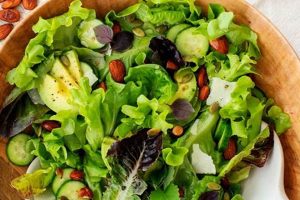
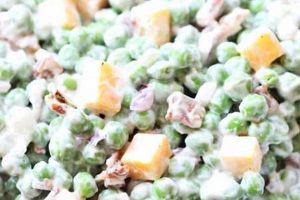
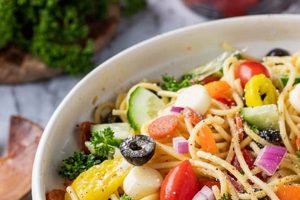
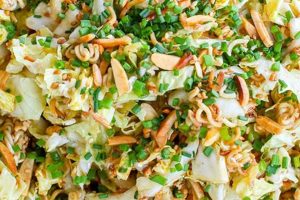
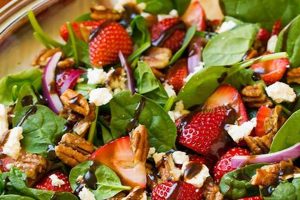
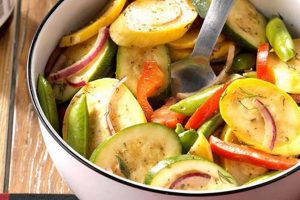
Quick, plant-based salads offer a convenient and nutritious meal option. These recipes typically involve minimal preparation time and readily available ingredients, such as leafy greens, vegetables, fruits, nuts, seeds, and legumes. An example includes a spinach salad with chickpeas, cucumber, bell pepper, and a simple lemon vinaigrette.
Such salads contribute significantly to a healthy diet by providing essential vitamins, minerals, fiber, and antioxidants. They are also versatile and adaptable to various dietary needs and preferences, offering a refreshing alternative to more complex meal preparations. Historically, salads have evolved from simple combinations of raw ingredients to more elaborate dishes incorporating cooked vegetables, grains, and diverse dressings, reflecting changing culinary trends and cultural influences.
This article will delve into various aspects of creating satisfying and wholesome plant-based salads, covering topics such as ingredient selection, dressing preparation, and creative flavor combinations.
Tips for Simple Plant-Based Salads
Creating flavorful and convenient vegetarian salads involves focusing on fresh ingredients and efficient preparation techniques.
Tip 1: Embrace Pre-washed Greens. Utilizing pre-washed and packaged greens significantly reduces preparation time. Options include spinach, romaine lettuce, or spring mix.
Tip 2: Prioritize Seasonal Produce. Selecting seasonal vegetables ensures optimal flavor and nutritional value. Farmers’ markets are excellent resources for fresh, locally sourced ingredients.
Tip 3: Incorporate Canned or Frozen Items. Canned beans (such as chickpeas, black beans, or kidney beans) and frozen vegetables (like corn, peas, or edamame) offer convenience and contribute valuable protein and fiber.
Tip 4: Experiment with Textures. Adding nuts, seeds, or croutons provides textural contrast and enhances the overall sensory experience. Consider toasted sunflower seeds, slivered almonds, or homemade whole-wheat croutons.
Tip 5: Master a Simple Vinaigrette. A basic vinaigrette, made with olive oil, vinegar, and seasonings, offers a healthy and flavorful dressing option. Experimenting with different types of vinegar and herbs expands flavor profiles.
Tip 6: Prepare Ingredients in Advance. Washing and chopping vegetables ahead of time streamlines the salad assembly process, particularly beneficial for busy schedules.
Tip 7: Explore Flavor Combinations. Consider pairings such as roasted sweet potatoes with pecans and cranberries, or cucumbers with feta cheese and mint. Diverse flavor profiles prevent monotony and enhance enjoyment.
By following these suggestions, individuals can create nutritious and satisfying plant-based salads with minimal effort, promoting healthier eating habits and culinary exploration.
These tips provide a foundation for creating a wide array of delectable vegetarian salads. The following section will explore specific recipe ideas in greater detail.
1. Fresh, Seasonal Produce

Fresh, seasonal produce forms the foundation of vibrant and flavorful easy vegetarian salads. Seasonality guarantees optimal ripeness, resulting in superior taste and nutritional content. Relying on in-season ingredients simplifies recipe development; the inherent flavors of peak-season produce require minimal manipulation. For instance, a summer salad showcasing ripe tomatoes, cucumbers, and basil needs little more than a drizzle of olive oil and a sprinkle of salt to shine. Conversely, a winter salad might feature roasted root vegetables like carrots and parsnips, whose sweetness intensifies during colder months. This approach minimizes preparation time and maximizes flavor impact, aligning perfectly with the “easy” aspect of these recipes.
Utilizing seasonal produce also promotes variety and culinary exploration throughout the year. Spring salads burst with fresh greens like spinach and arugula, while summer offers an abundance of juicy fruits and vegetables. Autumn brings hearty squashes and apples, and winter provides earthy root vegetables. This natural cycle encourages creativity and prevents recipe fatigue. Furthermore, choosing locally sourced, seasonal ingredients supports sustainable agriculture and reduces environmental impact, adding an ethical dimension to convenient meal preparation.
In summary, incorporating fresh, seasonal produce is crucial for maximizing flavor, simplifying preparation, and promoting variety in easy vegetarian salads. This approach offers a pathway to creating delicious, nutritious, and environmentally conscious meals with minimal effort. Navigating potential challenges, such as limited availability of certain ingredients during specific seasons, can be addressed through creative substitutions or incorporating frozen or preserved alternatives while maintaining the core principles of simplicity and flavor.
2. Versatile Pantry Staples

Versatile pantry staples play a crucial role in creating easy vegetarian salad recipes. These readily available, non-perishable items contribute significantly to both convenience and nutritional value. Items such as canned beans (chickpeas, black beans, kidney beans), lentils, grains (quinoa, rice, couscous), nuts, seeds, and dried fruits offer a foundation for quick and satisfying salads. For example, a simple lentil salad can be assembled in minutes by combining cooked lentils with chopped onion, bell pepper, and a lemon vinaigrette. Canned chickpeas, readily available, transform a basic green salad into a protein-rich meal with minimal effort. The presence of these staples minimizes reliance on fresh ingredients, which can be subject to availability and perishability, making salad preparation consistently accessible and efficient. Moreover, these ingredients contribute important nutrients like fiber, protein, and healthy fats, enhancing the overall nutritional profile of the salads.
The strategic use of pantry staples allows for significant recipe adaptability. Canned beans, for example, can be incorporated into salads from various cuisines, adapting to Mediterranean, Mexican, or Asian flavor profiles. Grains like quinoa offer a complete protein source, further enhancing the nutritional value and versatility of these salads. Dried fruits, such as cranberries or raisins, add sweetness and texture, while nuts and seeds provide healthy fats and satisfying crunch. This adaptability extends to accommodating dietary restrictions; gluten-free grains and legumes make it easy to create salads suitable for those with gluten sensitivities. Furthermore, the long shelf life of these pantry staples reduces food waste, contributing to a more sustainable approach to meal preparation.
In summary, versatile pantry staples serve as essential building blocks for easy vegetarian salad recipes. They enhance convenience, nutritional value, and adaptability while minimizing reliance on fresh ingredients and reducing food waste. Understanding their role allows for efficient and creative salad preparation, promoting healthier eating habits with minimal effort. While some pantry items may require pre-soaking or cooking, the overall time investment remains significantly lower compared to more elaborate meal preparations, reinforcing their value in creating truly easy and satisfying vegetarian salads.
3. Simple, Flavorful Dressings
Simple, flavorful dressings are essential for elevating easy vegetarian salad recipes from basic to exceptional. A well-crafted dressing provides depth, complexity, and balance, transforming a collection of ingredients into a cohesive and satisfying culinary experience. While complex dressings can be time-consuming, the focus here remains on simplicity and efficiency, aligning with the overall theme of easy preparation.
- Vinaigrettes: The Foundation of Flavor
Vinaigrettes, classic emulsions of oil and vinegar, offer a versatile base for countless variations. A simple ratio of three parts oil to one part vinegar provides a balanced starting point. From this foundation, flavor profiles expand through the addition of herbs, spices, and other complementary ingredients. A lemon-herb vinaigrette brightens a spring salad, while a balsamic vinaigrette adds depth to roasted vegetables. The ease of preparation and adaptability of vinaigrettes make them ideal for quick and flavorful vegetarian salads.
- Flavorful Oils: Enhancing Complexity
The choice of oil significantly influences the final flavor profile of a vinaigrette. Extra virgin olive oil provides a robust, peppery flavor, while avocado oil offers a milder, creamier texture. Nut oils, like walnut or hazelnut oil, impart distinct nutty notes that complement autumnal salads. Selecting an oil appropriate to the other salad ingredients enhances overall cohesion and elevates the sensory experience.
- Beyond Vinaigrettes: Creamy and Tangy Alternatives
While vinaigrettes dominate the landscape of simple salad dressings, other options exist for adding creaminess or tanginess. A tahini-based dressing provides a rich, nutty flavor, while a yogurt-based dressing offers a refreshing tang. These alternatives expand the possibilities for flavor and texture while maintaining ease of preparation, crucial for aligning with the overall concept of quick and easy vegetarian salads.
- Balancing Flavor Profiles: Acidity, Sweetness, and Salt
Balancing flavor profiles within a dressing ensures a harmonious and satisfying experience. Acidity from vinegar or citrus juice, sweetness from honey or maple syrup, and salt create a dynamic interplay that elevates the other ingredients. Careful consideration of these elements prevents dressings from being overly tart, sweet, or bland. This balance, achievable with minimal effort, significantly impacts the overall enjoyment of a simple vegetarian salad.
Mastering simple, flavorful dressings significantly contributes to the success of easy vegetarian salad recipes. By understanding the foundational principles of vinaigrettes, exploring flavorful oils, considering creamy or tangy alternatives, and balancing flavor profiles, individuals can elevate basic salads to restaurant-quality meals with minimal effort. This skill empowers individuals to create a wide array of delicious and satisfying vegetarian salads tailored to individual preferences and seasonal ingredients.
4. Quick Preparation Techniques

Quick preparation techniques are integral to the concept of easy vegetarian salad recipes. The ability to assemble a nutritious and flavorful salad rapidly directly influences its appeal, particularly for individuals with busy schedules. Efficiency in the kitchen translates to greater adherence to healthy eating habits. Several techniques contribute to this speed and efficiency. Pre-chopping vegetables, storing them in airtight containers, and utilizing pre-washed greens significantly reduces active preparation time. Batch cooking grains, such as quinoa or farro, at the beginning of the week provides a readily available base for multiple salads. Similarly, preparing a larger volume of dressing allows for quick assembly throughout the week. Employing these strategies transforms salad preparation from a chore into a convenient and accessible meal option. For instance, a pre-chopped vegetable medley of bell peppers, cucumbers, and red onion, combined with pre-cooked quinoa and a stored lemon vinaigrette, allows for a complete salad assembly in mere minutes.
Furthermore, quick preparation methods often encourage healthier choices. The convenience factor reduces the temptation to rely on less nutritious, processed convenience foods. Having readily available, prepped ingredients encourages spontaneous salad creation, minimizing reliance on pre-packaged salads that often contain higher sodium and less desirable additives. Mastering knife skills for efficient chopping and understanding basic vinaigrette ratios contribute to both speed and customization. This control over ingredients empowers individuals to prioritize fresh, whole foods and tailor flavors to individual preferences. The practical application of these techniques extends beyond individual meals; they facilitate meal prepping for the entire week, ensuring consistent access to healthy and convenient lunches or dinners. Investing a small amount of time upfront yields significant time savings throughout the week, promoting healthier eating patterns.
In conclusion, quick preparation techniques are not merely a desirable aspect of easy vegetarian salad recipes; they are a defining characteristic. These techniques directly impact accessibility, convenience, and overall adherence to healthier dietary choices. By prioritizing efficiency in the kitchen, individuals can integrate nutritious, plant-based meals into even the busiest schedules. While acquiring efficient knife skills or mastering vinaigrette ratios may require initial effort, the long-term benefits in terms of time saved and health improvements significantly outweigh the initial investment. This understanding empowers individuals to embrace a diet rich in fresh, flavorful, and easily prepared vegetarian salads, promoting overall well-being and culinary satisfaction.
5. Creative Flavor Combinations

Creative flavor combinations are essential for transforming simple vegetarian salads into exciting culinary experiences. While ease of preparation remains paramount, flavor exploration prevents monotony and ensures continued enjoyment. Strategic pairings of ingredients elevate basic salads to memorable meals, encouraging consistent consumption of nutrient-rich, plant-based foods. This exploration focuses on the interplay of different taste profiles and textures, demonstrating how seemingly simple ingredients can create complex and satisfying flavor dimensions.
- Balancing Sweet and Savory
The interplay of sweet and savory elements adds depth and complexity to vegetarian salads. Pairing roasted sweet potatoes with tangy feta cheese and toasted pecans, for example, creates a balanced flavor profile that satisfies multiple taste receptors. Similarly, incorporating dried cranberries or raisins into a salad with spinach, walnuts, and goat cheese offers a contrasting sweetness that complements the other ingredients. This balance prevents flavors from becoming one-dimensional and enhances the overall sensory experience. The inherent sweetness of certain vegetables, such as roasted carrots or beets, can also contribute to this dynamic, minimizing the need for added sugars.
- Contrasting Textures
Textural contrast adds another layer of interest to vegetarian salads. Combining crunchy elements, such as toasted nuts, seeds, or croutons, with softer ingredients like leafy greens, cooked grains, or roasted vegetables creates a more engaging culinary experience. This interplay of textures stimulates different sensory receptors, enhancing enjoyment and preventing monotony. Consider a salad combining roasted chickpeas, creamy avocado, and crunchy cucumber for an example of textural diversity. Even a simple addition of toasted sunflower seeds to a spinach salad significantly elevates the textural profile.
- Exploring Global Cuisine Influences
Drawing inspiration from global cuisines expands the possibilities for flavor combinations in vegetarian salads. A Mediterranean-inspired salad might incorporate olives, feta cheese, and oregano, while an Asian-inspired salad could feature edamame, sesame seeds, and a ginger-soy dressing. Exploring different culinary traditions introduces new flavor profiles and expands ingredient options. This approach prevents recipe fatigue and encourages experimentation with readily available ingredients, aligning with the emphasis on ease of preparation. A Mexican-inspired salad with black beans, corn, avocado, and a lime-cilantro dressing provides another example of incorporating global flavors.
- Highlighting Seasonal Ingredients
Utilizing seasonal ingredients naturally lends itself to creative flavor combinations. Pairing peak-season produce, such as ripe tomatoes and basil in the summer or roasted butternut squash and cranberries in the fall, allows the inherent flavors of the ingredients to shine. This approach simplifies recipe development and maximizes flavor impact with minimal effort, further emphasizing the “easy” aspect of these salads. Furthermore, seasonal eating promotes variety throughout the year, preventing reliance on the same ingredients and flavor profiles, encouraging culinary exploration and aligning with sustainable food practices.
Creative flavor combinations are integral to the success of easy vegetarian salad recipes. By balancing sweet and savory elements, contrasting textures, exploring global cuisine influences, and highlighting seasonal ingredients, individuals can create a diverse repertoire of flavorful and satisfying salads. This approach ensures that healthy eating remains an enjoyable and sustainable practice, promoting long-term well-being and culinary satisfaction. Furthermore, these creative combinations demonstrate that easy preparation does not necessitate sacrificing flavor complexity or culinary excitement. They offer a pathway to experiencing the full potential of plant-based cuisine with minimal effort and maximum enjoyment.
6. Adaptable to Dietary Needs

Adaptability to diverse dietary needs represents a significant advantage of easy vegetarian salad recipes. This inherent flexibility allows individuals with specific dietary restrictions or preferences to enjoy nutritious and flavorful salads without extensive modifications or specialized ingredients. Understanding this adaptability expands the accessibility of these recipes, promoting inclusivity and demonstrating the versatility of plant-based cuisine.
- Gluten-Free Adaptations
Accommodating gluten-free diets requires careful ingredient selection. Substituting quinoa or rice for couscous in grain-based salads ensures compliance without sacrificing flavor or texture. Similarly, verifying that dressings and other additions are gluten-free maintains dietary adherence. This simple substitution expands accessibility for individuals with celiac disease or gluten sensitivity, demonstrating the inherent adaptability of vegetarian salads.
- Vegan Considerations
Adapting vegetarian salads to vegan diets often involves omitting or substituting dairy-based ingredients. Replacing cheese with nutritional yeast or avocado provides comparable creaminess and flavor while adhering to vegan principles. Ensuring dressings omit honey and utilize plant-based alternatives maintains vegan compliance. These straightforward adaptations highlight the ease with which vegetarian salads can transition to fully plant-based meals.
- Nut Allergies
Addressing nut allergies requires careful consideration of both ingredients and cross-contamination risks. Substituting seeds, such as sunflower or pumpkin seeds, for nuts maintains textural complexity and nutritional value while ensuring safety for individuals with nut allergies. Careful ingredient sourcing and preparation practices minimize cross-contamination risks. This adaptability demonstrates the potential for inclusive meal preparation, ensuring that individuals with allergies can safely enjoy flavorful and nutritious salads.
- Other Dietary Preferences
Adaptability extends beyond specific dietary restrictions to encompass broader preferences. Adjusting portion sizes of certain ingredients, such as grains or legumes, caters to individual caloric or macronutrient targets. Substituting ingredients based on personal preferences, such as swapping spinach for kale or adding different herbs and spices, allows for customization without compromising the fundamental ease of preparation. This flexibility underscores the personalized nature of easy vegetarian salad recipes.
The adaptability of easy vegetarian salad recipes to various dietary needs strengthens their value as a convenient and inclusive meal option. This inherent flexibility empowers individuals to prioritize both health and personal preferences without sacrificing flavor or ease of preparation. By understanding the key adaptations for different dietary restrictions, individuals can create customized salads that meet specific nutritional requirements while enjoying the diverse flavors and textures of plant-based cuisine. This adaptability ultimately promotes greater accessibility and inclusivity, demonstrating the broad appeal of easy vegetarian salads as a versatile and satisfying meal choice.
Frequently Asked Questions
This section addresses common inquiries regarding easy vegetarian salad recipes, offering practical solutions and clarifying potential misconceptions.
Question 1: How can vegetarian salads be made more filling?
Incorporating protein-rich ingredients such as beans, lentils, tofu, tempeh, or quinoa enhances satiety and provides essential nutrients. Adding healthy fats from avocados, nuts, or seeds also contributes to a feeling of fullness.
Question 2: What are some strategies for preventing soggy salads?
Sogginess can be avoided by storing dressings separately and adding them just before consumption. Thoroughly drying washed greens and using airtight containers for storage also helps maintain crispness.
Question 3: Can vegetarian salads be prepared in advance for meal prepping?
Advance preparation is possible by storing individual components separately. Pre-chopped vegetables, cooked grains, and dressings can be stored in airtight containers and combined shortly before serving to maintain optimal freshness and prevent sogginess.
Question 4: How can variety be maintained in easy vegetarian salads?
Rotating seasonal ingredients, experimenting with different dressings, and exploring diverse flavor combinations from various cuisines prevent monotony and ensure continued enjoyment.
Question 5: Are easy vegetarian salad recipes suitable for individuals with dietary restrictions?
Adaptability to dietary restrictions, such as gluten-free or vegan diets, is readily achievable through ingredient substitutions. Using gluten-free grains, omitting cheese, and utilizing plant-based alternatives ensures inclusivity and caters to specific dietary needs.
Question 6: How can the nutritional value of easy vegetarian salads be maximized?
Prioritizing nutrient-dense ingredients such as dark leafy greens, colorful vegetables, and a variety of nuts and seeds maximizes vitamin, mineral, and antioxidant intake. Incorporating protein and healthy fats further enhances nutritional value.
Understanding these common concerns empowers individuals to successfully integrate easy vegetarian salad recipes into their dietary routines, promoting healthier eating habits and culinary satisfaction. These simple yet effective strategies enhance the overall experience of enjoying fresh, flavorful, and convenient plant-based meals.
The following section will provide a collection of sample recipes demonstrating these principles in action.
Conclusion
Simple vegetarian salad recipes offer a convenient and nutritious pathway to incorporating more plant-based meals into one’s diet. This exploration has highlighted the importance of fresh, seasonal produce, versatile pantry staples, simple yet flavorful dressings, quick preparation techniques, creative flavor combinations, and adaptability to various dietary needs. Each of these elements contributes significantly to the ease and enjoyment of preparing and consuming these salads, promoting both culinary satisfaction and healthier eating habits. From maximizing flavor and nutritional value through seasonal ingredients to minimizing preparation time through efficient techniques, the multifaceted nature of these recipes ensures their accessibility and appeal to a wide range of individuals.
The simplicity and adaptability of these recipes empower individuals to embrace a healthier lifestyle without sacrificing flavor or convenience. Further exploration of ingredient combinations, global cuisine influences, and personalized adaptations holds the potential to unlock even greater culinary creativity and nutritional benefits. Embracing these recipes offers a tangible step towards a more sustainable and health-conscious approach to eating, promoting both individual well-being and a deeper appreciation for the versatility of plant-based cuisine.