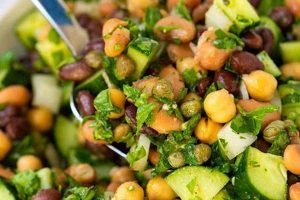
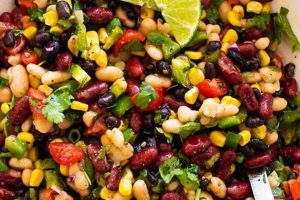
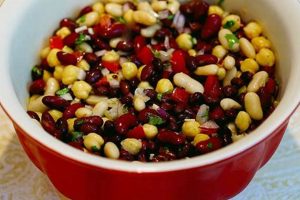
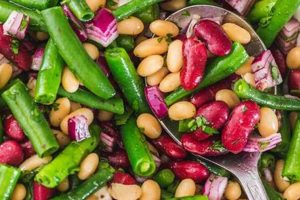
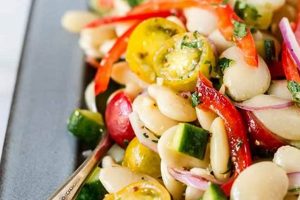
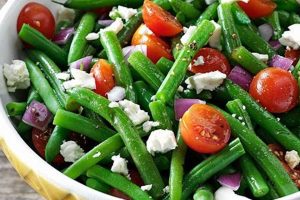
A simple three-bean salad typically combines canned or pre-cooked kidney, pinto, and green beans with a sweet and tangy dressing. Variations may include other vegetables like onion or bell pepper. This dish offers a convenient way to incorporate legumes into a meal.
Three-bean salad is a nutritious and budget-friendly side dish. Legumes are an excellent source of protein and fiber, contributing to satiety and digestive health. The customizable nature of the dish allows for adjustments to ingredients and dressing to align with dietary needs and preferences. Its cold-served nature makes it a popular choice for picnics, potlucks, and summer meals, a tradition that has cemented its place as a classic side dish.
This article will explore different approaches to creating a flavorful three-bean salad, ranging from classic recipes to variations incorporating fresh herbs, different beans, and unique dressings. Tips on ingredient selection, preparation techniques, and storage will also be provided.
Tips for a Successful Three-Bean Salad
Creating a flavorful and appealing three-bean salad involves attention to detail throughout the preparation process. These tips offer guidance for achieving optimal results.
Tip 1: Bean Selection and Preparation: While canned beans offer convenience, consider using dried beans for a fresher, more robust flavor. If using canned beans, rinse them thoroughly to remove excess sodium and starch. Soaking dried beans overnight reduces cooking time and improves texture.
Tip 2: Balancing Flavors in the Dressing: A successful dressing balances sweetness, acidity, and savoriness. Experiment with different vinegars, such as apple cider or red wine vinegar, and sweeteners like honey or maple syrup.
Tip 3: Enhancing Flavor with Fresh Herbs: Fresh herbs elevate a simple three-bean salad. Chopped parsley, dill, or mint can be incorporated into the dressing or added just before serving.
Tip 4: Adding Textural Variety: Consider adding diced red onion, bell pepper, or celery for a satisfying crunch.
Tip 5: Proper Chilling Time: Allow the salad to chill for at least an hour before serving. This allows the flavors to meld and the salad to reach the ideal temperature.
Tip 6: Storage Considerations: Store leftover salad in an airtight container in the refrigerator for up to three days. The flavors may intensify over time.
Tip 7: Creative Variations: Explore different bean varieties like black beans, cannellini beans, or chickpeas. Roasted vegetables, such as corn or sweet potatoes, can also add depth of flavor.
Following these tips will ensure a delicious and satisfying three-bean salad. Attention to ingredients, dressing, and chilling time contributes to a successful culinary experience.
These guidelines offer a comprehensive approach to preparing three-bean salad, paving the way for a final discussion on variations and serving suggestions.
1. Simple Ingredients

The ease of a three-bean salad recipe directly correlates with the simplicity of its ingredients. Canned beans, a pantry staple, form the foundation of this dish. Their readily available nature eliminates the need for soaking and pre-cooking dried beans, significantly reducing preparation time. Common vegetables like onions, celery, and bell peppers, often found in households, further contribute to the recipe’s simplicity. These ingredients require minimal processing, such as chopping or dicing, and enhance the salad’s flavor and texture. A simple vinaigrette, often composed of oil, vinegar, and seasonings, completes the dish, requiring no specialized ingredients or techniques.
This reliance on readily available components underscores the accessibility and convenience of a three-bean salad. Individuals with limited cooking experience or time constraints can easily assemble this dish. Furthermore, the straightforward nature of the ingredients allows for flexibility and customization. Swapping one type of canned bean for another, or incorporating preferred vegetables, creates personalized variations without compromising the recipe’s fundamental ease. For example, substituting black beans for kidney beans or adding chopped cilantro offers a unique flavor profile while maintaining the dish’s inherent simplicity. This adaptability makes the three-bean salad a versatile option for diverse palates and dietary preferences.
Understanding the link between simple ingredients and the ease of a three-bean salad allows for efficient meal preparation and encourages culinary exploration. The readily available components minimize planning and shopping efforts, promoting spontaneous meal creation. This simplicity also provides a foundation for experimentation, empowering individuals to adapt the recipe based on available ingredients or personal preferences. The accessibility, adaptability, and nutritional value of a three-bean salad, rooted in its simple ingredients, solidify its position as a practical and healthful culinary choice.
2. Quick Preparation
Quick preparation is integral to the concept of an easy three-bean salad recipe. The time efficiency stems primarily from the use of canned beans, eliminating the lengthy process of soaking and cooking dried beans. This reliance on pre-cooked ingredients significantly reduces active preparation time, allowing the salad to be assembled in minutes. The simplicity of the other componentscommonly chopped vegetables and a basic vinaigrettefurther contributes to the speed of preparation. These elements require minimal processing, enabling rapid assembly. For instance, a basic three-bean salad can be prepared in under 15 minutes by combining canned kidney, pinto, and green beans with diced red onion, celery, and a pre-made or quickly whisked vinaigrette.
The practical significance of quick preparation lies in its alignment with contemporary lifestyles. Time constraints often dictate meal choices, making fast and easy recipes highly desirable. A three-bean salad fulfills this need, offering a nutritious and flavorful meal option without requiring extensive time investment. This characteristic makes it suitable for busy weeknight dinners, impromptu lunches, or potluck contributions, where time is often a limiting factor. Moreover, the quick preparation aspect encourages more frequent consumption of legumes, promoting a healthier diet.
The connection between quick preparation and an easy three-bean salad recipe is fundamental to its appeal. Convenience, driven by the use of canned beans and simple ingredients, positions this dish as a practical and healthful choice for individuals seeking efficient meal solutions. The minimal time commitment required for preparation allows for greater flexibility in meal planning and facilitates the incorporation of nutritious legumes into a variety of settings. This understanding highlights the value of the three-bean salad as a versatile and time-saving culinary option.
3. Versatile Recipe
Versatility is a defining characteristic of a successful easy three-bean salad recipe. This adaptability stems from the recipe’s fundamental simplicity, allowing for numerous modifications without compromising the dish’s core identity. The interchangeability of bean varieties provides a primary avenue for customization. Substituting kidney beans with black beans, or incorporating chickpeas or cannellini beans, alters the flavor profile and nutritional composition while retaining the salad’s essential structure. This flexibility extends to the choice of vegetables. While traditional recipes often include onions and celery, additions like bell peppers, corn, or chopped fresh herbs introduce textural and flavor variations. The dressing, too, offers opportunities for customization. A simple vinaigrette can be tailored with different vinegars, sweeteners, and spices to create unique flavor combinations. For example, a Southwestern-inspired variation might incorporate black beans, corn, diced red onion, cilantro, and a lime-cumin vinaigrette.
The practical significance of recipe versatility lies in its ability to cater to diverse dietary needs and preferences. Individuals seeking to increase protein intake can opt for bean varieties with higher protein content. Those following a low-sodium diet can utilize low-sodium canned beans and control the amount of salt added to the dressing. The adaptability also allows for seasonal variations, incorporating readily available fresh produce. A summer version might feature fresh corn and tomatoes, while a fall version could incorporate roasted sweet potatoes or butternut squash. Furthermore, the versatility of a three-bean salad extends to its role within a meal. It can serve as a side dish, a light lunch, or a component of a larger buffet spread.
The inherent versatility of an easy three-bean salad recipe contributes significantly to its appeal and practicality. The ability to adapt the recipe based on individual preferences, dietary needs, and seasonal availability makes it a valuable addition to any culinary repertoire. This adaptability, coupled with the recipe’s simplicity and nutritional value, solidifies its position as a versatile and healthful culinary option. The understanding of this versatility empowers individuals to explore creative variations and personalize the dish to best suit their needs and tastes, promoting culinary creativity within a simple framework.
4. Nutritious Meal

The nutritional value of an easy three-bean salad recipe contributes significantly to its appeal as a healthful meal option. Legumes, the foundation of this dish, offer a dense source of plant-based protein and dietary fiber. Protein supports muscle growth and repair, while fiber promotes digestive health and contributes to feelings of fullness. This combination makes three-bean salad a satisfying and nutrient-rich meal component. Different bean varieties offer diverse nutritional profiles. For example, kidney beans are an excellent source of iron and folate, essential for red blood cell production and cell growth, respectively. Pinto beans contribute manganese, important for bone health and metabolism. Green beans provide vitamin K, crucial for blood clotting.
Combining different bean varieties in a salad creates a synergistic nutritional effect, maximizing the intake of essential vitamins and minerals. The addition of other vegetables further enhances the nutritional value. Onions and bell peppers contribute vitamin C, an antioxidant that supports immune function. A simple vinaigrette dressing, typically made with oil and vinegar, provides healthy fats and adds flavor. Olive oil, a common choice, offers monounsaturated fats, beneficial for cardiovascular health. The low-calorie nature of a three-bean salad, coupled with its high fiber and protein content, makes it a suitable choice for weight management. A serving of three-bean salad can provide substantial nutrients without excessive calories, supporting healthy eating patterns. For instance, a lunch featuring a three-bean salad alongside a lean protein source and whole-grain bread constitutes a balanced and nutritious meal.
Understanding the nutritional composition of an easy three-bean salad provides valuable insights for individuals seeking healthful meal options. The combination of plant-based protein, fiber, vitamins, and minerals makes it a nutrient-dense choice. Its adaptability allows for customization to meet specific dietary needs. Recognizing the nutritional benefits of this simple dish encourages its incorporation into regular meal planning, contributing to long-term health and well-being. The inherent nutritional value of a three-bean salad underscores its potential as a valuable component of a balanced and healthful diet.
5. Budget-friendly

Affordability is a key factor contributing to the appeal of an easy three-bean salad recipe. The primary ingredientscanned beansrepresent a cost-effective source of protein and fiber. Compared to other protein sources like meat or fish, canned beans offer a significantly lower cost per serving. This makes the three-bean salad a budget-conscious choice, particularly for individuals or families seeking to reduce food expenses without sacrificing nutritional value. Additional ingredients, such as onions, celery, and basic pantry staples for the vinaigrette (oil, vinegar, seasonings), contribute to the overall affordability of the dish. These readily available and relatively inexpensive components ensure that the total cost remains low. For example, a complete three-bean salad can often be prepared for a fraction of the cost of a meat-based salad or other protein-centric dishes.
The budget-friendly nature of this recipe extends beyond the initial cost of ingredients. Utilizing canned beans minimizes waste, as the entire can can be used, and leftover salad can be stored for several days, further stretching food budgets. This makes it an attractive option for meal prepping, where larger batches can be prepared in advance and consumed throughout the week, saving both time and money. Furthermore, the adaptability of the recipe allows for substitutions based on price. Less expensive bean varieties can be used interchangeably, and seasonal vegetables can be incorporated when prices are lower. This flexibility empowers individuals to prioritize affordability without compromising flavor or nutrition. For instance, during the summer months, fresh cucumbers and tomatoes from a garden can be added to the salad, reducing reliance on more expensive store-bought produce.
The affordability of an easy three-bean salad positions it as an accessible and practical meal option. The reliance on inexpensive, shelf-stable ingredients contributes to its budget-friendly nature, making it a valuable choice for individuals and families seeking nutritious meals without exceeding financial constraints. The ability to adapt the recipe based on available resources and seasonal produce further enhances its economic viability. This understanding underscores the significance of the three-bean salad as a sustainable and cost-effective culinary choice, promoting both nutritional well-being and financial responsibility.
Frequently Asked Questions
This section addresses common inquiries regarding the preparation and enjoyment of three-bean salad.
Question 1: What type of beans are best suited for a three-bean salad?
While the classic combination utilizes kidney, pinto, and green beans, other varieties, such as black beans, cannellini beans, or chickpeas, can be incorporated based on preference. The choice impacts flavor, texture, and nutritional content.
Question 2: Can dried beans be used instead of canned beans?
Dried beans offer a fresher flavor but require soaking and cooking prior to use. This increases preparation time. If using dried beans, ensure they are fully cooked before incorporating them into the salad.
Question 3: How long can three-bean salad be stored?
Properly stored in an airtight container in the refrigerator, three-bean salad typically lasts for three to five days. Discard any salad showing signs of spoilage.
Question 4: Can the dressing be customized?
The dressing is highly adaptable. Different types of vinegar, sweeteners, herbs, and spices can be used to create unique flavor profiles. Experimentation is encouraged.
Question 5: Is three-bean salad a healthy dish?
Three-bean salad offers a good source of plant-based protein, fiber, vitamins, and minerals. It can be a healthful component of a balanced diet.
Question 6: Can three-bean salad be served warm?
While traditionally served cold, three-bean salad can be served at room temperature or slightly warmed. Avoid excessive heating, as it can negatively impact the texture of the beans.
These responses provide a comprehensive overview of common questions related to three-bean salad preparation and storage. Understanding these points allows for informed decision-making and enhances the overall culinary experience.
The following section will delve into specific recipe variations and serving suggestions.
Easy 3 Bean Salad Recipe
This exploration of the easy 3 bean salad recipe has highlighted its enduring appeal as a versatile and nutritious dish. From its simple ingredients and quick preparation to its adaptability and affordability, the three-bean salad offers a practical and healthful culinary solution. The examination of various bean types, dressings, and additional ingredients underscores the recipe’s capacity for customization, catering to diverse palates and dietary requirements. Nutritional benefits, stemming from the rich protein and fiber content of legumes, further solidify its value as a healthful meal component.
The ease of preparation, coupled with the potential for creative variations, positions the three-bean salad as a dish ripe for culinary exploration. Continued experimentation with flavors, textures, and presentations promises to further elevate this classic recipe, ensuring its relevance in contemporary cuisine. The adaptability and inherent nutritional value of the three-bean salad highlight its significance as a sustainable and accessible food choice, promoting both culinary enjoyment and healthful eating practices.