Salads encompass a vast culinary landscape, ranging from simple green salads with basic vinaigrettes to complex composed salads featuring diverse ingredients like grilled meats, cheeses, fruits, and elaborate dressings. A basic lettuce salad, for instance, might consist of romaine lettuce, croutons, and a Caesar dressing, while a more intricate example could include grilled chicken, avocado, bacon, tomatoes, blue cheese, and a honey-mustard vinaigrette. The possibilities are virtually limitless, allowing for creative combinations of flavors and textures.
The versatility of salads contributes to their significance in a balanced diet. They offer a refreshing and nutrient-rich way to incorporate essential vitamins, minerals, and fiber. Historically, salads have evolved from simple preparations of raw greens to the multifaceted dishes known today. Their adaptable nature allows them to serve as light appetizers, satisfying main courses, or healthy side dishes. This adaptability contributes to their popularity across diverse cultures and culinary traditions.
This article will explore various salad categories, including green salads, vegetable salads, pasta salads, fruit salads, and bound salads. Each category offers a unique range of flavors, textures, and nutritional profiles, providing a wealth of options for healthy and delicious meals.
Tips for Creating Diverse and Delicious Salads
Creating compelling salads involves more than simply tossing ingredients together. Consideration of flavor profiles, textures, and presentation elevates a simple salad to a culinary experience.
Tip 1: Balance Flavors: Strive for a balance of sweet, sour, salty, and bitter elements. Arugula’s peppery bite complements the sweetness of roasted beets, while a citrus vinaigrette provides acidity to balance the richness of goat cheese.
Tip 2: Consider Textures: Incorporate a variety of textures for added interest. Crispy croutons or nuts contrast beautifully with soft lettuces and creamy avocado. Roasted vegetables add a satisfying chewiness.
Tip 3: Dress Wisely: The dressing should complement, not overpower, the other ingredients. Use high-quality oils and vinegars, and experiment with different flavor combinations.
Tip 4: Seasonal Ingredients: Utilize fresh, seasonal produce for optimal flavor and nutritional value. A summer salad might feature ripe tomatoes and cucumbers, while a winter salad could showcase roasted root vegetables.
Tip 5: Proper Storage: Store greens and prepared ingredients separately to maintain freshness. Dress salads just before serving to prevent them from becoming soggy.
Tip 6: Presentation Matters: Thoughtful presentation enhances the dining experience. Arrange ingredients attractively on the plate, considering color and height. A sprinkle of fresh herbs or a drizzle of balsamic glaze adds a finishing touch.
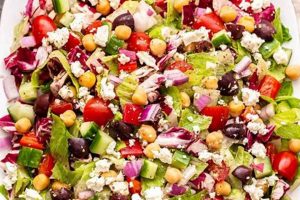
Tip 7: Explore Global Influences: Draw inspiration from international cuisines. A Greek salad with feta and olives, a Thai beef salad with peanuts and lime, or a Caprese salad with mozzarella and basil offer diverse flavor profiles.
By following these tips, one can create salads that are not only nutritious and flavorful but also visually appealing. These considerations elevate the simple salad to a versatile and satisfying culinary creation.
This exploration of tips provides a foundation for creating diverse and delicious salads. The following section will delve into specific salad recipes, demonstrating the practical application of these principles.
1. Green Salads

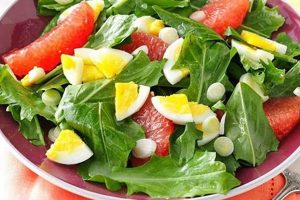
Green salads represent a foundational category within the broader spectrum of salad recipes. They typically consist of leafy greens, such as lettuce, spinach, or kale, and serve as a versatile base for various additions. This foundational role allows for extensive customization, demonstrating the inherent connection between green salads and the diversity found within salad recipes. A simple green salad might include just lettuce and a vinaigrette, while more complex variations incorporate a wide array of vegetables, fruits, proteins, and cheeses. For example, a spinach salad with strawberries, goat cheese, and candied pecans exemplifies the adaptability of green salads, transforming a basic preparation into a more complex and flavorful dish. The presence of the underlying greens anchors the salad, providing essential nutrients and a refreshing counterpoint to other ingredients.
The adaptability of green salads underscores their significance in contributing to diverse salad options. This adaptability allows them to cater to a wide range of dietary preferences and culinary goals. A chef might use a robust green salad as the base for a hearty main course, incorporating grilled chicken or fish, while a lighter version with a simple vinaigrette could serve as a refreshing side dish. Furthermore, the nutritional value of leafy greens, rich in vitamins and minerals, enhances the health benefits of green salads. Understanding the adaptable nature of green salads enables the creation of recipes that cater to specific nutritional needs and taste preferences. This foundational understanding allows for greater culinary creativity and dietary control.
Green salads, while seemingly simple, play a crucial role in the diverse landscape of salad recipes. Their adaptability, nutritional value, and ability to serve as a base for countless variations make them an essential component of a balanced and flavorful diet. The inherent flexibility of green salads provides a platform for culinary exploration and contributes significantly to the vast array of salads enjoyed across cultures and culinary traditions. Mastering the art of the green salad opens doors to a world of culinary possibilities.
2. Vegetable Salads
Vegetable salads represent a significant category within the diverse landscape of salad recipes. Their prominence stems from the sheer variety of vegetables available, each contributing unique flavors, textures, and nutritional profiles. This inherent variability allows for extensive customization and creativity within salad preparation. A simple cucumber and tomato salad exemplifies a basic vegetable salad, while more complex versions might incorporate roasted root vegetables, grilled corn, or marinated artichoke hearts. The inclusion of different vegetables not only broadens the flavor profile but also increases the nutritional density of the salad, contributing to a balanced and healthy meal. The ability to tailor vegetable salads to specific dietary needs and preferences further strengthens their position as a key component of diverse salad recipes.
The versatility of vegetable salads extends beyond ingredient selection. Preparation methods also contribute to their diverse nature. Raw vegetables offer a crisp and refreshing element, while roasted or grilled vegetables introduce smoky and caramelized notes. Pickled or fermented vegetables add tangy and complex flavors. Consider a salad featuring raw carrots and bell peppers alongside roasted Brussels sprouts and pickled onions. This combination demonstrates the dynamic interplay of textures and flavors achievable within a single vegetable salad, showcasing the category’s adaptability and potential for culinary exploration. This adaptability allows vegetable salads to function as light appetizers, hearty main courses, or accompaniments to other dishes, further solidifying their importance within the broader context of salad recipes.
Vegetable salads offer a crucial pathway to incorporating a wide range of nutrients into one’s diet. The diverse vitamin and mineral content of different vegetables contributes to overall health and well-being. Furthermore, the adaptability of vegetable salads allows for customization based on seasonal availability, dietary restrictions, and personal preferences. Understanding the versatility and nutritional value of vegetable salads enables informed culinary choices and promotes a healthier approach to meal planning. This understanding fosters a deeper appreciation for the integral role vegetable salads play in contributing to diverse and nutritious salad recipes.
3. Fruit Salads

Fruit salads occupy a distinct niche within the diverse world of salad recipes. Characterized by the use of fresh or preserved fruits, they offer a refreshing and often sweet counterpoint to other salad categories. Their versatility allows them to function as light desserts, palate cleansers, or components within more complex composed salads. Examining the multifaceted nature of fruit salads reveals their significant contribution to the broader spectrum of salad recipes.
- Ingredient Variety and Seasonality
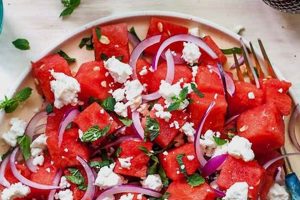
The composition of fruit salads hinges on the diverse array of fruits available. From berries and melons to citrus fruits and tropical options, the possibilities are extensive. Seasonality plays a key role in fruit selection, influencing both flavor and availability. A summer fruit salad might feature ripe watermelon and berries, while a winter version could incorporate citrus fruits and pomegranates. This seasonality underscores the dynamic nature of fruit salads and their connection to agricultural cycles. The selection of specific fruits influences not only the taste and nutritional value but also the overall aesthetic appeal of the salad.
- Preparation Techniques and Flavor Combinations
While some fruit salads showcase raw fruit in its simplest form, others involve maceration, grilling, or roasting to enhance flavors and textures. Macerating fruits in juices or liqueurs allows for deeper flavor infusion and can soften firmer fruits. Grilling fruits like pineapple or peaches adds a smoky char, while roasting intensifies sweetness. Consider a salad with grilled pineapple, fresh mango, and a hint of mintthe combination of sweet, smoky, and herbaceous notes creates a complex flavor profile, demonstrating the potential of diverse preparation techniques in fruit salad creation.
- Cultural Influences and Regional Variations
Cultural influences play a significant role in shaping fruit salad traditions. In some cultures, fruit salads incorporate savory elements like chilies or herbs, offering a contrast to the typical sweetness. Regional variations often reflect local produce and culinary customs. A Mexican fruit salad might include jicama and chili powder, while a Southeast Asian version might feature rambutan and coconut milk. These regional adaptations highlight the interplay between cultural preferences and ingredient availability, enriching the global tapestry of fruit salad recipes.
- Nutritional Value and Health Benefits
Fruit salads provide a valuable source of vitamins, minerals, and antioxidants. The inherent nutritional content of fruits contributes to overall health and well-being. The variety within fruit salads allows for a diverse intake of nutrients, promoting a balanced diet. Furthermore, the naturally occurring sugars in fruits offer a healthier alternative to processed sweeteners, making fruit salads a nutritious and satisfying dessert option.
The exploration of these facets reveals the significant contribution of fruit salads to the expansive world of salad recipes. Their diverse nature, influenced by ingredient variety, preparation techniques, cultural nuances, and nutritional value, positions them as a unique and valuable category within culinary arts. From simple combinations of fresh fruits to more elaborate creations incorporating diverse flavors and textures, fruit salads offer a refreshing and healthful dimension to the art of salad making.
4. Pasta Salads
Pasta salads represent a distinct category within the broader context of salad recipes, characterized by the inclusion of cooked pasta as a foundational ingredient. This incorporation of pasta distinguishes them from leafy green or vegetable-based salads, contributing to a unique textural and flavor profile. The pasta serves as a binding agent, absorbing dressings and flavors while providing a substantial base for other ingredients. This characteristic allows pasta salads to hold up well in transport and storage, making them ideal for picnics, potlucks, and other social gatherings. For instance, a classic macaroni salad, with its mayonnaise-based dressing and additions like celery, onion, and sometimes hard-boiled eggs, exemplifies the structural integrity and portability often associated with pasta salads. This practicality significantly contributes to their popularity and inclusion within the diverse landscape of salad recipes.
The versatility of pasta salads stems from the wide array of pasta shapes, sizes, and flavors available. From small elbow macaroni to rotini spirals and farfalle bows, the choice of pasta influences both the aesthetic presentation and the way the salad interacts with the dressing and other ingredients. Furthermore, the ability to incorporate various vegetables, proteins, cheeses, and herbs allows for extensive customization. A Mediterranean pasta salad, featuring orzo pasta, feta cheese, olives, and a lemon-herb vinaigrette, illustrates the potential for complex flavor profiles and diverse ingredient combinations within this category. This adaptability positions pasta salads as a valuable component within the spectrum of different kinds of salad recipes, offering a substantial and customizable option for meals and gatherings.
Understanding the role of pasta salads within the larger context of salad recipes allows for a more comprehensive approach to meal planning and culinary creativity. Their unique characteristics, including portability, versatility, and ability to incorporate diverse ingredients, contribute to their widespread appeal and practical value. Furthermore, the adaptability of pasta salads allows for the creation of dishes that cater to a range of dietary preferences and cultural influences, further solidifying their position as a key player within the diverse and ever-evolving world of salad recipes.
5. Bound Salads

Bound salads represent a distinct category within the diverse landscape of salad recipes, characterized by the use of a binding agent, typically a thick dressing, to hold the ingredients together. This cohesive quality distinguishes them from other salad types, such as green salads or vegetable salads, where ingredients are tossed together but remain relatively loose. The binding agent not only adds flavor and moisture but also creates a denser, more substantial salad that often functions as a main course or a substantial side dish. This characteristic contributes significantly to the variety found within “different kinds of salad recipes,” offering a cohesive and flavorful option alongside less structured alternatives.
- Binding Agents and Their Influence
The defining characteristic of bound salads lies in the binding agent itself. Mayonnaise, yogurt, sour cream, and other creamy dressings serve this purpose, coating the ingredients and creating a cohesive texture. The choice of binding agent significantly influences the overall flavor profile and richness of the salad. For example, a classic potato salad, bound with mayonnaise, offers a creamy and tangy flavor, while a Greek yogurt-based salad provides a lighter, more tart alternative. The binding agent’s viscosity also affects the salad’s texture, ranging from creamy and smooth to thicker and more substantial. This interplay of flavor and texture contributes significantly to the diversity within bound salads and their role in the broader spectrum of salad recipes.
- Ingredient Combinations and Flavor Profiles
Bound salads accommodate a wide range of ingredients, from classic combinations like tuna salad or chicken salad to more innovative variations incorporating grains, vegetables, or fruits. The binding agent acts as a unifying element, harmonizing diverse flavors and textures. A curried chicken salad, for example, demonstrates the potential for complex flavor profiles within this category, with the creamy dressing complementing the spices and other ingredients. This adaptability allows bound salads to cater to various tastes and dietary preferences, further enhancing their relevance within “different kinds of salad recipes.”
- Textural Considerations and Culinary Techniques
Achieving the desired texture in a bound salad involves careful consideration of ingredient preparation and the proportion of the binding agent. Chopping ingredients into uniform sizes ensures even coating and a consistent texture throughout the salad. The amount of binding agent used influences the salad’s overall consistency, from a light coating to a denser, more substantial texture. Furthermore, incorporating ingredients with contrasting textures, such as crunchy celery or nuts in a chicken salad, adds complexity and elevates the sensory experience. This attention to textural detail contributes to the culinary artistry of bound salads and their position within the broader culinary landscape.
- Cultural Adaptations and Regional Variations
Bound salads, while sharing a common defining characteristic, exhibit variations across cultures and regions. These adaptations often reflect local ingredients and culinary traditions. For example, Olivier salad, a popular Russian dish, features potatoes, carrots, pickles, and meat or fish, bound with mayonnaise. This regional variation demonstrates the adaptability of the bound salad concept and its integration into diverse culinary traditions. These cultural adaptations contribute to the rich tapestry of “different kinds of salad recipes,” showcasing the versatility and global appeal of this category.
The examination of these facets reveals the integral role of bound salads within the broader context of “different kinds of salad recipes.” Their unique characteristics, stemming from the use of a binding agent, contribute to their distinct identity and culinary versatility. The interplay of binding agents, ingredient combinations, textural considerations, and cultural adaptations positions bound salads as a significant and adaptable category, offering a cohesive and flavorful dimension to the art of salad making.
6. Composed Salads

Composed salads represent a sophisticated category within the diverse landscape of salad recipes. Their defining characteristic lies in the deliberate arrangement of distinct components, often featuring a base of greens topped with artfully placed ingredients like proteins, vegetables, fruits, cheeses, and nuts. This structured approach contrasts with tossed salads, where ingredients are mixed together. The intentional placement of elements in composed salads elevates them beyond simple mixtures, transforming them into visually appealing and texturally dynamic culinary creations. This structured presentation underscores the connection between composed salads and the broader theme of “different kinds of salad recipes,” showcasing a nuanced approach to salad construction that emphasizes both aesthetics and flavor balance. A classic Cobb salad, with its precisely arranged rows of chicken, bacon, tomatoes, blue cheese, and hard-boiled eggs, exemplifies this structured approach, highlighting the deliberate composition that distinguishes this category.
The versatility of composed salads allows for extensive customization and creative expression. The selection of ingredients can be tailored to specific dietary preferences, seasonal availability, and desired flavor profiles. A composed salad featuring grilled salmon, roasted asparagus, quinoa, and a lemon-herb vinaigrette demonstrates the potential for incorporating diverse ingredients and creating balanced, nutritious meals. Furthermore, the visual appeal of composed salads enhances the dining experience, making them suitable for both casual and more formal occasions. This adaptability and aesthetic quality contribute significantly to the value of composed salads as a component of “different kinds of salad recipes,” offering a sophisticated and customizable option for various culinary contexts. The ability to tailor composed salads to specific needs and preferences further strengthens their relevance within the broader theme of diverse salad preparations.
Understanding the principles of composed salad construction enables a deeper appreciation for the artistry and culinary potential within this category. The deliberate arrangement of ingredients not only enhances visual appeal but also allows for strategic flavor pairings and textural contrasts. This mindful approach to salad creation elevates the dining experience and contributes to a more nuanced understanding of “different kinds of salad recipes.” Furthermore, recognizing the versatility and adaptability of composed salads empowers culinary exploration and expands the possibilities for creating balanced and flavorful meals. By mastering the art of composed salad construction, one can unlock a new level of culinary creativity and appreciate the sophisticated nuances that distinguish this category within the broader spectrum of salad recipes.
Frequently Asked Questions About Different Kinds of Salads
This section addresses common inquiries regarding the diverse world of salad recipes, offering clarity and practical guidance for both novice and experienced salad enthusiasts.
Question 1: How can one ensure a balanced and flavorful salad?
Achieving balance involves considering various flavor profiles (sweet, sour, salty, bitter) and incorporating diverse textures (crispy, creamy, chewy). A well-balanced salad might include bitter greens, sweet fruits, crunchy nuts, and a tangy vinaigrette.
Question 2: What are effective strategies for preventing a soggy salad?
Sogginess can be avoided by storing ingredients separately and dressing the salad just before serving. Using a salad spinner to dry greens thoroughly also helps maintain crispness.
Question 3: How can salads be adapted to different dietary needs?
Salads offer inherent flexibility. Vegetarian options might substitute beans or tofu for meat, while gluten-free versions can utilize quinoa or rice noodles. Adjusting dressings and toppings allows for further customization.
Question 4: What are some innovative ways to elevate a basic salad?
Incorporating roasted vegetables, toasted nuts, or unique cheeses can elevate a simple salad. Experimenting with homemade dressings or adding a sprinkle of fresh herbs can also enhance flavor profiles.
Question 5: What are the key considerations for choosing a salad dressing?
The dressing should complement the other ingredients without overpowering them. Consider the intensity of the salad’s flavors and choose a dressing that enhances, rather than masks, those flavors. High-quality oils and vinegars contribute to a superior dressing.
Question 6: How can seasonal ingredients enhance a salad?
Utilizing seasonal produce maximizes flavor and nutritional value. A spring salad might feature fresh asparagus and peas, while a fall salad could incorporate roasted root vegetables and apples. Seasonal ingredients offer both variety and freshness.
Understanding these key aspects of salad preparation empowers individuals to create diverse, flavorful, and nutritious meals tailored to individual preferences and dietary needs. This knowledge enhances culinary creativity and promotes a deeper appreciation for the versatility of salads.
The following section will offer specific salad recipes, demonstrating the practical application of the principles discussed throughout this article.
Different Kinds of Salad Recipes
This exploration of different kinds of salad recipes has revealed the extensive versatility and culinary potential within this seemingly simple dish. From the foundational green salad to the more complex composed salad, the diversity of ingredients, preparation methods, and cultural influences contributes to a rich tapestry of flavors, textures, and nutritional profiles. Understanding the nuances of each categorygreen salads, vegetable salads, fruit salads, pasta salads, bound salads, and composed saladsempowers culinary creativity and allows for informed choices regarding dietary preferences and nutritional goals. The adaptability of salads, demonstrated through the incorporation of seasonal ingredients, diverse dressings, and innovative flavor combinations, positions them as a valuable component of a balanced and healthful diet.
The potential within the world of salad recipes extends far beyond basic lettuce and tomato combinations. Exploration of diverse ingredients, cultural adaptations, and culinary techniques unlocks a wealth of possibilities for creating flavorful, nutritious, and visually appealing meals. By embracing the versatility inherent in different kinds of salad recipes, individuals can elevate this simple dish to a culinary art form, enriching both personal and shared dining experiences.