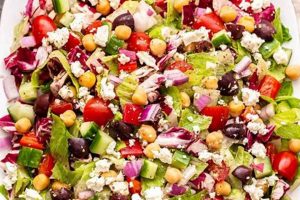
Dishes centered around cooked brown rice combined with various ingredients like vegetables, proteins, herbs, and dressings constitute a versatile and nutritious meal category. A typical example might include chilled brown rice tossed with chopped cucumbers, bell peppers, chickpeas, feta cheese, and a lemon-herb vinaigrette.
These meals offer a balance of complex carbohydrates, fiber, protein, and micronutrients. Brown rice, unlike its white counterpart, retains the bran and germ layers, making it a good source of fiber, which aids digestion and promotes satiety. The adaptability of these dishes allows for customization to suit dietary needs and preferences, accommodating vegan, vegetarian, and gluten-free diets. Historically, rice has been a staple food in many cultures, and its incorporation into salads reflects a modern approach to creating healthy and flavorful meals.
This article will further explore variations on this theme, covering topics such as ingredient selection, dressing options, preparation methods, and tips for achieving optimal flavor and texture combinations.
Tips for Crafting Exceptional Rice-Based Salads
Creating a satisfying and flavorful rice-based salad involves attention to detail and a thoughtful approach to ingredient selection and preparation. The following tips offer guidance for achieving optimal results.
Tip 1: Rinse the Rice: Rinsing brown rice before cooking removes excess starch, resulting in a fluffier, less sticky texture, crucial for a well-balanced salad.
Tip 2: Season the Cooking Water: Adding salt or broth to the cooking water infuses the rice with flavor from the outset, enhancing the overall taste of the finished dish.
Tip 3: Cool the Rice Completely: Using warm or hot rice in a salad can wilt other ingredients and lead to a less appealing texture. Allowing the rice to cool completely prevents this and ensures a refreshing salad.
Tip 4: Embrace Variety: Explore a wide range of vegetables, fruits, herbs, nuts, and proteins to create diverse flavor profiles and textures. Roasted vegetables, dried fruits, and toasted nuts can add depth and complexity.
Tip 5: Dress Strategically: The dressing should complement the other ingredients without overpowering them. A light vinaigrette, a creamy dressing, or even a simple lemon-herb mixture can enhance the flavors beautifully.
Tip 6: Consider Texture: Balance soft elements like cooked rice and beans with crunchy elements like raw vegetables, nuts, or seeds for a more satisfying sensory experience.
Tip 7: Taste and Adjust: Before serving, taste the salad and adjust seasonings as needed. A touch more salt, acid, or sweetness can make a significant difference.
By following these guidelines, one can create rice-based salads that are not only nutritious and flavorful but also visually appealing and texturally satisfying.
These tips provide a foundation for crafting a variety of flavorful and nutritious meals. The following section will offer specific recipe examples for further inspiration.
1. Rice Variety

Rice variety significantly influences the texture and overall culinary experience of brown rice salads. Different types of brown rice offer unique characteristics that contribute to the final dish, impacting everything from flavor absorption to aesthetic appeal. Selecting the appropriate variety is crucial for achieving the desired outcome.
- Long-Grain Brown Rice
Long-grain brown rice, with its slender, separate grains, offers a light and fluffy texture when cooked. This characteristic makes it ideal for salads where a distinct grain separation is desired. Its ability to absorb flavors without becoming mushy allows it to hold up well to various dressings and ingredients.
- Medium-Grain Brown Rice
Medium-grain brown rice, slightly shorter and plumper than long-grain, cooks to a tender and slightly sticky consistency. This texture provides a pleasant chewiness and contributes to a more cohesive salad, where the grains bind together somewhat. It works well in salads with richer dressings and heavier ingredients.
- Short-Grain Brown Rice
Short-grain brown rice, characterized by its short, almost round grains, becomes quite sticky when cooked. This stickiness lends itself well to salads where a more substantial and binding texture is desired, such as those incorporating Asian-inspired flavors or where the rice acts as a primary component holding the salad together.
- Specialty Brown Rice Varieties
Beyond the common classifications, specialty brown rice varieties like black rice or red rice offer unique flavors, colors, and textures. Black rice, with its nutty flavor and deep purple hue, adds visual interest and a distinct taste. Red rice, with its slightly chewy texture and mild nutty flavor, provides another dimension to brown rice salads. These specialty varieties can elevate a simple salad to a more complex and visually appealing dish.
The choice of brown rice variety ultimately depends on the specific recipe and desired outcome. Considering the texture and flavor profiles of different rice varieties allows for a more informed decision, ensuring a well-balanced and enjoyable brown rice salad.
2. Ingredient Combinations

Ingredient combinations are fundamental to the versatility and nutritional value of brown rice salad recipes. Thoughtful selection and balance of ingredients elevate these dishes beyond simple meals, transforming them into flavorful and nutritionally complete culinary experiences. The interplay of textures, flavors, and colors contributes significantly to the overall appeal and satisfaction derived from these salads.
- Vegetables
A wide array of vegetables, both raw and cooked, contribute essential vitamins, minerals, and fiber to brown rice salads. Cruciferous vegetables like broccoli and Brussels sprouts offer robust flavors and textures, while leafy greens like spinach and kale provide a lighter, more delicate touch. Root vegetables such as roasted sweet potatoes or beets add sweetness and earthiness. The selection of vegetables influences not only the nutritional profile but also the color palette and textural complexity of the salad.
- Proteins
Protein-rich additions transform brown rice salads into substantial meals. Legumes like chickpeas, black beans, or lentils offer plant-based protein and fiber. Lean meats like grilled chicken or fish provide a different protein source and flavor profile. Tofu, tempeh, or edamame cater to vegetarian and vegan preferences. The chosen protein significantly impacts the overall nutritional value and satiety provided by the salad.
- Fruits and Nuts
Incorporating fruits and nuts introduces contrasting flavors and textures, enhancing the sensory experience of brown rice salads. Dried fruits like cranberries or apricots contribute sweetness and chewiness. Fresh fruits like grapes or berries provide bursts of juicy sweetness. Nuts such as almonds, walnuts, or pecans offer healthy fats, protein, and satisfying crunch. These additions create a more dynamic and complex flavor profile.
- Herbs and Spices
Herbs and spices are essential for elevating the flavor profile of brown rice salads. Fresh herbs like parsley, cilantro, or mint add brightness and freshness. Dried spices like cumin, coriander, or turmeric introduce warmth and depth. The strategic use of herbs and spices creates a more nuanced and sophisticated flavor experience, transforming a simple salad into a culinary delight.
The harmonious combination of these ingredient categoriesvegetables, proteins, fruits and nuts, and herbs and spicescreates a symphony of flavors, textures, and colors in brown rice salad recipes. The possibilities are virtually limitless, allowing for endless customization and exploration of culinary creativity while ensuring a nutritionally balanced and satisfying meal.
3. Dressing Selection
Dressing selection plays a pivotal role in the overall success of brown rice salad recipes. The right dressing enhances the flavors of the other ingredients, creating a cohesive and enjoyable culinary experience. An improper choice can overwhelm the delicate flavors of the rice and other components, leading to an unbalanced and less satisfying dish. The interplay between the dressing and the other ingredients is crucial; the dressing should complement, not dominate, the flavor profile.
Several factors influence dressing selection. The inherent flavors of the incorporated ingredientsvegetables, proteins, fruits, and herbsdictate the type of dressing that will best harmonize with the overall composition. A light vinaigrette, for example, complements delicate flavors like fresh herbs and vegetables, allowing their individual characteristics to shine through. Conversely, a robust, creamy dressing pairs well with heartier ingredients like roasted vegetables or grilled meats, providing a counterpoint to their stronger flavors. A salad featuring Mediterranean-inspired flavors might benefit from a lemon-herb vinaigrette, while an Asian-inspired salad might be enhanced by a sesame-ginger dressing. These real-life examples illustrate the cause-and-effect relationship between ingredient selection and appropriate dressing choices.
Understanding the practical significance of dressing selection empowers culinary creativity and ensures a well-balanced final product. Challenges such as preventing the salad from becoming soggy or ensuring the dressing adheres properly to the ingredients can be addressed through careful consideration of dressing viscosity and the timing of its addition. A thicker dressing might weigh down delicate greens, while a thinner dressing might not adequately coat heartier ingredients. Adding the dressing just before serving prevents the salad from becoming overly saturated and maintains the crispness of fresh vegetables. Ultimately, thoughtful dressing selection elevates brown rice salad recipes from simple assemblages of ingredients to well-integrated, flavorful, and satisfying meals.
4. Preparation Methods

Preparation methods significantly influence the final outcome of brown rice salad recipes. Proper techniques ensure optimal texture, flavor development, and overall appeal. From cooking the rice to incorporating other ingredients, each step contributes to the final dish’s success. Understanding these methods allows for greater control over the final product and facilitates culinary creativity.
- Rice Cooking Technique
Properly cooked brown rice forms the foundation of any successful brown rice salad. Achieving the ideal texturetender yet not mushyrequires precise cooking techniques. Different rice varieties may require slight adjustments to cooking times and water ratios. Rinsing the rice beforehand removes excess starch and contributes to a fluffier result. Overcooked rice can result in a sticky, unappetizing salad, while undercooked rice can be hard and unpleasant to eat. Mastering this fundamental step ensures a pleasant textural experience.
- Ingredient Preparation
The way ingredients are prepared impacts their flavor and texture contribution to the salad. Chopping vegetables uniformly ensures even cooking and distribution of flavor. Roasting vegetables before adding them to the salad can intensify their sweetness and add depth. Blanching or steaming vegetables preserves their vibrant color and nutrients. These choices affect the overall sensory experience and nutritional value of the finished dish. A salad with uniformly diced vegetables presents a different aesthetic and mouthfeel compared to one with larger, roasted pieces.
- Dressing Incorporation
The timing and method of dressing incorporation significantly affect the salad’s overall quality. Adding the dressing too early can lead to soggy ingredients, particularly with leafy greens. Emulsifying the dressing properly ensures a smooth and evenly distributed coating. Some dressings benefit from being whisked together just before serving to maintain their freshness and vibrancy. The choice of when and how to incorporate the dressing directly impacts the final texture and flavor balance of the salad.
- Chilling and Serving
Chilling the salad allows the flavors to meld and enhances the refreshing quality of the dish. However, over-chilling can dull certain flavors and textures. Serving the salad at the appropriate temperature maximizes its appeal. Garnishing with fresh herbs or a sprinkle of nuts just before serving adds a final touch of flavor and visual interest. These seemingly minor details contribute significantly to the overall dining experience.
Mastery of these preparation methodsrice cooking, ingredient preparation, dressing incorporation, and chilling/servingelevates brown rice salad recipes from basic meals to well-executed culinary creations. Attention to detail in each step ensures a harmonious blend of flavors, textures, and temperatures, resulting in a truly satisfying and enjoyable culinary experience. The interplay of these methods contributes to the versatility of brown rice salads, allowing for endless variations and culinary explorations.
5. Textural Balance

Textural balance constitutes a critical element in successful brown rice salad recipes. The interplay of various textures contributes significantly to the overall enjoyment and satisfaction derived from these dishes. A well-balanced salad engages the palate with a combination of sensations, creating a more dynamic and interesting culinary experience. Consider the contrast between the soft, slightly chewy texture of cooked brown rice and the crisp snap of fresh vegetables like cucumbers or bell peppers. This interplay of textures adds complexity and prevents the salad from feeling monotonous. The addition of crunchy elements like toasted nuts or seeds further enhances the textural profile, offering yet another layer of sensory engagement. Without this thoughtful consideration of textural balance, the salad risks becoming one-dimensional and less appealing.
The importance of textural balance extends beyond mere sensory pleasure. It also affects the perceived freshness and quality of the salad. A salad composed solely of soft ingredients might appear less vibrant and fresh. The strategic inclusion of crunchy elements elevates the perception of freshness and adds visual appeal. Consider a Mediterranean-inspired brown rice salad with cucumbers, tomatoes, feta cheese, and Kalamata olives. While these ingredients offer a pleasant flavor combination, the addition of toasted pine nuts transforms the dish, providing a welcome textural contrast and enhancing the overall dining experience. Similarly, an Asian-inspired brown rice salad with edamame, shredded carrots, and a sesame-ginger dressing benefits from the addition of crispy wonton strips or chopped peanuts, which provide a satisfying crunch that complements the other softer textures.
Achieving textural balance requires a conscious effort during ingredient selection and preparation. One must consider the inherent textures of each component and how they will interact within the finished dish. Challenges such as maintaining the crispness of certain ingredients or preventing the salad from becoming overly soft can be addressed through proper preparation techniques and timing. For instance, adding crunchy elements just before serving prevents them from becoming soggy, while properly cooking the rice to the desired texture ensures a pleasant chewiness without becoming mushy. Ultimately, understanding and applying the principles of textural balance elevates brown rice salad recipes from simple meals to sophisticated culinary creations that offer a complex and satisfying sensory experience.
6. Flavor Profiles

Flavor profiles constitute a defining characteristic of brown rice salad recipes, significantly impacting palatability and overall culinary satisfaction. A well-crafted flavor profile elevates these dishes beyond basic sustenance, transforming them into complex and enjoyable culinary experiences. The strategic combination of ingredients, each contributing its unique flavor notes, creates a symphony of tastes that engage the senses and stimulate appetite. A harmonious balance of sweet, savory, tangy, spicy, and umami elements distinguishes a truly exceptional brown rice salad. Consider the interplay of roasted sweet potatoes, providing a caramelized sweetness, with crumbled feta cheese, offering a salty tang, and toasted pecans, contributing a nutty richness. This combination exemplifies how diverse flavor profiles can create a balanced and nuanced dish. Without this careful consideration of flavor, the salad risks becoming bland and uninspired.
The practical significance of understanding flavor profiles in the context of brown rice salads lies in the ability to create customized dishes tailored to individual preferences and dietary needs. One can manipulate flavor profiles to achieve specific outcomes, whether aiming for a light and refreshing salad or a hearty and robust meal. A Mediterranean-inspired salad might feature a bright and herbaceous flavor profile with lemon, oregano, and Kalamata olives, while a South Asian-inspired salad could incorporate warm spices like cumin, coriander, and turmeric. These real-world examples illustrate how specific flavor profiles can evoke distinct culinary traditions and create unique sensory experiences. Furthermore, understanding flavor profiles allows for substitutions and adaptations based on ingredient availability or dietary restrictions. For instance, if feta cheese is unavailable, a different salty element like capers or olives could be substituted without compromising the overall flavor balance. This adaptability empowers culinary creativity and ensures a satisfying outcome regardless of ingredient limitations.
Mastering the art of flavor profile development in brown rice salad recipes requires an understanding of how different ingredients interact and contribute to the overall taste. Challenges such as balancing contrasting flavors or preventing one ingredient from overpowering others can be addressed through careful ingredient selection and portioning. The judicious use of herbs, spices, and dressings plays a crucial role in fine-tuning the final flavor profile. Ultimately, a deep understanding of flavor profiles empowers one to create brown rice salads that are not only nutritious and visually appealing but also offer a complex and satisfying tapestry of flavors that elevate the dining experience. This knowledge transforms the simple act of preparing a salad into an act of culinary artistry.
Frequently Asked Questions
This section addresses common inquiries regarding brown rice salad recipes, providing concise and informative responses to facilitate a deeper understanding of this versatile dish.
Question 1: How can sogginess in brown rice salads be prevented?
Sogginess can be avoided by ensuring the rice is completely cooled before combining it with other ingredients and by adding dressings just prior to serving. Using a light hand with the dressing also helps prevent oversaturation.
Question 2: What are suitable protein sources for vegetarian brown rice salads?
Excellent vegetarian protein options include legumes (chickpeas, lentils, black beans), tofu, tempeh, edamame, and quinoa. These ingredients contribute protein and texture while aligning with vegetarian dietary preferences.
Question 3: How long can brown rice salad be stored in the refrigerator?
Properly stored in an airtight container, brown rice salad typically lasts for 3-5 days in the refrigerator. However, salads containing perishable ingredients like avocado or fresh herbs might have a shorter shelf life.
Question 4: Can brown rice salads be frozen?
While freezing is possible, it’s generally not recommended. Freezing can negatively impact the texture of the rice and other fresh ingredients, leading to a less appealing salad upon thawing. It’s preferable to consume the salad within a few days of preparation.
Question 5: How can nutritional value be maximized in these salads?
Nutritional value can be maximized by incorporating a variety of colorful vegetables, lean protein sources, healthy fats (nuts, seeds, avocado), and whole grains. Limiting processed ingredients and added sugars further enhances the nutritional profile.
Question 6: What are some strategies for making brown rice salads more appealing to children?
Making brown rice salads appealing to children often involves incorporating familiar and well-liked ingredients. Adding colorful vegetables, bite-sized pieces of fruit, and a mild, kid-friendly dressing can increase acceptance. Involving children in the preparation process can also foster a sense of ownership and encourage them to try new flavors and textures.
Addressing these common questions provides a foundation for successfully preparing and enjoying brown rice salads. Understanding these aspects allows for greater confidence and creativity in the kitchen.
This concludes the frequently asked questions section. The following section will offer a collection of sample recipes to inspire culinary exploration and provide practical examples of how to create delicious and nutritious brown rice salads.
Conclusion
Exploration of brown rice salad recipes reveals a versatile culinary landscape encompassing diverse flavors, textures, and nutritional benefits. From ingredient selection and preparation methods to dressing choices and flavor profile development, each aspect contributes significantly to the final outcome. Careful consideration of rice varieties, complementary ingredients, and textural balance allows for customized creations tailored to individual preferences and dietary needs. Understanding the principles outlined herein empowers culinary exploration and ensures consistently satisfying and nutritious meals.
The adaptability of brown rice salad recipes positions them as a valuable component of a health-conscious and flavorful diet. Continued experimentation with ingredient combinations and flavor profiles promises further culinary discoveries and reinforces the significance of these dishes in promoting both culinary enjoyment and nutritional well-being. The potential for creativity within this culinary framework remains vast, encouraging ongoing exploration and innovation.