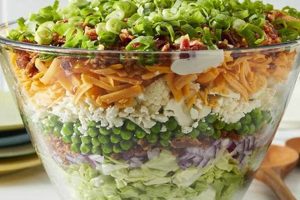
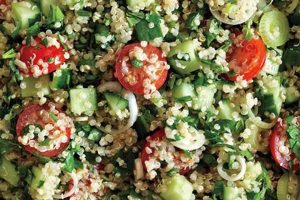
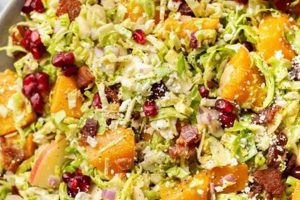
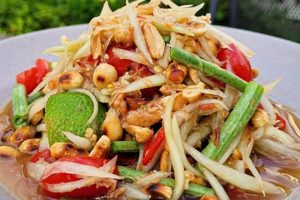
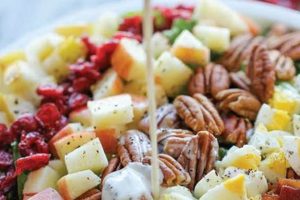
Vibrant, visually appealing salads composed of diverse, naturally pigmented ingredients offer both aesthetic pleasure and a wide range of nutrients. A salad featuring red tomatoes, orange carrots, green spinach, purple cabbage, and yellow bell peppers exemplifies this concept, showcasing a spectrum of colors and corresponding vitamins and minerals. Such diverse ingredient choices ensure a broader nutritional profile than simpler salads built around one or two main components.
The emphasis on incorporating ingredients of various hues reflects a growing awareness of the relationship between diet and health. Historically, salads often served as simple accompaniments, but the increasing understanding of the nutritional value of fruits and vegetables has elevated the salad to a main course option, particularly when thoughtfully composed with diverse ingredients. This focus on nutritional density supports overall wellness and can contribute to a balanced diet rich in essential vitamins, minerals, and antioxidants.
The following sections will delve into specific examples of salads categorized by color groups, offering practical guidance on ingredient selection, preparation techniques, and complementary dressings to create nutritionally balanced and visually stunning meals.
Tips for Creating Vibrant and Nutritious Salads
Constructing a visually appealing and nutritionally balanced salad involves thoughtful ingredient selection and preparation. These tips offer guidance on maximizing both the aesthetic and health benefits.
Tip 1: Embrace Variety. Diversify beyond lettuce by incorporating a range of leafy greens such as spinach, kale, or arugula. Each offers a unique flavor profile and nutrient density.
Tip 2: Prioritize Color. Aim for a spectrum of colors, from deep reds and purples to bright oranges and yellows. Different pigments indicate different phytonutrients and antioxidants, contributing to a wider range of health benefits.
Tip 3: Texture is Key. Combine crisp and soft elements. Consider adding crunchy vegetables like carrots or bell peppers alongside softer ingredients such as avocado or roasted sweet potatoes.
Tip 4: Consider Seasonal Produce. Opt for fruits and vegetables that are in season for optimal flavor and nutritional value. Farmers’ markets offer an excellent source of fresh, locally grown produce.
Tip 5: Don’t Neglect Protein. Boost the protein content by adding lean grilled chicken or fish, beans, lentils, or nuts and seeds. This transforms a side dish into a satisfying main course.
Tip 6: Dress Wisely. Choose dressings that complement the flavors of the salad and enhance, rather than mask, the natural taste of the ingredients. Light vinaigrettes or homemade dressings are often healthier options.
Tip 7: Proper Storage Matters. Maintain the freshness and crispness of ingredients by storing them correctly. Keep leafy greens dry and refrigerated, and avoid pre-cutting ingredients until just before serving.
By following these guidelines, one can consistently create salads that are both visually appealing and contribute to a healthy, balanced diet.
The concluding section will offer further resources and inspiration for crafting visually stunning and nutritious salads.
1. Diverse Ingredients

The cornerstone of a visually appealing and nutritionally robust salad lies in the diversity of its ingredients. A wide array of components contributes not only to a broader spectrum of colors but also to a richer tapestry of flavors, textures, and nutrients. Exploring the various facets of ingredient diversity illuminates its significance in crafting exceptional salads.
- Nutritional Value
Selecting a variety of ingredients ensures a wider range of vitamins, minerals, and antioxidants. Combining leafy greens like spinach (rich in iron and vitamin K) with colorful bell peppers (high in vitamin C) and protein-rich chickpeas creates a nutritionally complete meal. This approach maximizes health benefits by incorporating diverse nutrient profiles within a single dish.
- Flavor Profiles
Different ingredients contribute unique flavor profiles, allowing for complex and satisfying taste combinations. The peppery bite of arugula complements the sweetness of roasted beets, while the tanginess of citrus fruits enhances the earthiness of mushrooms. This interplay of flavors elevates the salad beyond a simple combination of ingredients.
- Textural Contrast
A combination of textures creates a more engaging sensory experience. The crispness of romaine lettuce contrasts with the creaminess of avocado, while the crunch of toasted nuts complements the softness of dried cranberries. This interplay of textures adds depth and interest to each bite.
- Visual Appeal
Diverse ingredients naturally lend themselves to a more vibrant and visually appealing presentation. The deep purple of kale, the bright orange of carrots, and the ruby red of tomatoes create a feast for the eyes. This visual appeal enhances the dining experience and encourages consumption of nutrient-rich foods.
By thoughtfully combining ingredients that offer diverse nutritional profiles, flavor profiles, textural contrasts, and visual appeal, one can elevate a simple salad into a culinary masterpiece that nourishes both body and mind. This approach underscores the importance of ingredient diversity in creating truly exceptional salads.
2. Varied Textures

Textural diversity plays a crucial role in the overall enjoyment and satisfaction derived from a salad. Beyond visual appeal and nutritional value, the interplay of textures elevates a salad from a simple combination of ingredients to a multi-sensory culinary experience. This interplay contributes significantly to the perceived freshness and quality of the dish.
Consider the contrast between the crisp snap of fresh romaine lettuce and the smooth, yielding texture of roasted sweet potatoes. Or the crunch of toasted walnuts against the soft, chewy texture of dried cranberries. These textural variations create a dynamic eating experience, keeping the palate engaged and preventing monotony. Furthermore, incorporating varied textures can mask less desirable textures of certain ingredients, making the overall salad more palatable. For example, the slightly bitter flavor and tough texture of kale can be balanced by the addition of creamy avocado and crunchy toasted pumpkin seeds.
Achieving textural variety requires thoughtful ingredient selection and preparation. Raw vegetables offer crispness, while roasted or grilled vegetables provide a softer, sometimes caramelized texture. Nuts and seeds introduce crunch, while cheeses and softer fruits like berries or avocado contribute creaminess. The interplay of these elements creates a symphony of textures that enhances the overall dining experience. Understanding the importance of textural variation allows for the creation of more complex and satisfying salads that appeal to a wider range of palates.
3. Complementary Flavors

Flavor harmony forms the foundation of a successful salad, transforming a collection of ingredients into a cohesive and enjoyable culinary creation. Complementary flavors, achieved through the strategic combination of sweet, sour, salty, bitter, and umami tastes, elevate a salad beyond basic sustenance. This balance prevents any single flavor from dominating, allowing the nuanced characteristics of each ingredient to shine through.
The inherent diversity of colorful salads presents a unique opportunity to explore flavor pairings. The sweetness of roasted butternut squash can be balanced by the peppery bite of arugula, while the tartness of cranberries complements the richness of crumbled goat cheese. A citrus vinaigrette, with its bright acidity, cuts through the fattiness of avocado, creating a refreshing counterpoint. These combinations demonstrate the power of complementary flavors to enhance the overall sensory experience. Further complexity can be achieved by incorporating herbs and spices, such as the earthy notes of thyme or the warm spice of cumin. These additions contribute depth and nuance, transforming a simple salad into a sophisticated dish.
Understanding the interplay of flavors enables the creation of salads that are not only visually appealing but also deeply satisfying. A well-balanced flavor profile encourages consumption, promoting the intake of essential nutrients provided by the diverse ingredients. This principle extends beyond individual salads to menu planning, where complementary flavors within a meal can enhance the overall dining experience. The thoughtful consideration of flavor pairings is essential to crafting salads that are both delicious and nutritionally beneficial.
4. Nutrient Density

Nutrient density represents a crucial aspect of colorful salad recipes, signifying the concentration of vitamins, minerals, and beneficial phytochemicals relative to caloric content. Prioritizing nutrient-dense ingredients maximizes health benefits while managing overall calorie intake. This approach aligns with dietary guidelines emphasizing whole, unprocessed foods for optimal well-being.
- Micronutrient Variety
Colorful salads, incorporating diverse fruits and vegetables, provide a wide spectrum of micronutrients. Dark leafy greens offer vitamin K and folate, while red bell peppers contribute vitamin C. This variety ensures comprehensive nutritional intake, supporting various bodily functions and reducing the risk of deficiencies. For example, a salad combining spinach, bell peppers, and berries offers a greater micronutrient range than a lettuce-only salad.
- Antioxidant Power
The vibrant colors of fruits and vegetables often indicate high antioxidant content. These antioxidants combat oxidative stress, protecting cells from damage and potentially reducing the risk of chronic diseases. Lycopene in red tomatoes and beta-carotene in orange carrots are prime examples. Consuming a colorful salad regularly contributes to a diet rich in these protective compounds.
- Fiber Content
Many nutrient-dense salad ingredients are also excellent sources of dietary fiber. Fiber promotes digestive health, regulates blood sugar levels, and contributes to satiety, aiding in weight management. Ingredients like broccoli, Brussels sprouts, and avocados are particularly fiber-rich. Incorporating these into salads enhances both nutrient intake and fiber consumption.
- Calorie Control
Nutrient-dense salads, particularly those emphasizing vegetables and lean protein sources, can be relatively low in calories. This allows for consumption of a substantial volume of food while maintaining a healthy calorie balance. Substituting high-calorie dressings with lighter vinaigrettes further enhances calorie control. This characteristic makes colorful salads a valuable tool for weight management and overall health.
By focusing on nutrient density, colorful salad recipes become a powerful tool for promoting health and well-being. The combination of diverse micronutrients, antioxidants, fiber, and calorie control makes these salads a valuable component of a balanced and nutritious diet. Prioritizing nutrient-dense ingredients ensures that each bite contributes to optimal health and vitality.
5. Seasonal Produce

Seasonal produce forms an integral component of vibrant and flavorful colorful salad recipes. Utilizing ingredients at their peak ripeness maximizes flavor, nutritional value, and overall culinary appeal. This approach not only enhances the sensory experience but also supports local agriculture and reduces environmental impact. The following facets explore the multifaceted relationship between seasonal produce and colorful salads.
- Enhanced Flavor
Fruits and vegetables harvested in season develop their full flavor potential, offering a depth and complexity often absent in out-of-season produce. A summer salad featuring ripe tomatoes, sweet corn, and fragrant basil exemplifies this principle. These ingredients, naturally at their peak during the summer months, require minimal intervention to deliver intense and satisfying flavors. The resulting salad bursts with freshness and showcases the natural sweetness and vibrancy of seasonal ingredients.
- Peak Nutritional Value
Produce allowed to ripen naturally on the vine or plant generally boasts higher nutrient content compared to produce harvested prematurely and transported long distances. A spring salad featuring young spinach, tender asparagus, and fresh strawberries exemplifies this nutritional advantage. These ingredients, consumed during their peak season, offer a concentrated dose of vitamins, minerals, and antioxidants, contributing to a nutrient-rich and health-promoting meal. This focus on seasonal produce aligns with dietary recommendations emphasizing whole, unprocessed foods for optimal well-being.
- Support for Local Agriculture
Choosing seasonal produce often translates to supporting local farmers and reducing reliance on long-distance transportation. Visiting farmers’ markets or joining community-supported agriculture (CSA) programs provides access to freshly harvested, locally grown produce, strengthening local economies and promoting sustainable agricultural practices. This connection between consumer choices and local food systems reinforces the positive impact of prioritizing seasonal ingredients. A salad composed of ingredients sourced directly from a local farm embodies this principle, reflecting a commitment to both personal health and community well-being.
- Reduced Environmental Impact
Consuming seasonal produce reduces the environmental burden associated with long-distance transportation and energy-intensive storage methods required for out-of-season produce. Opting for locally sourced, in-season ingredients minimizes carbon emissions and promotes environmentally responsible food choices. A winter salad featuring root vegetables like carrots, parsnips, and beets, typically stored well through colder months, exemplifies this sustainable approach. This mindful selection of ingredients reflects a commitment to minimizing environmental impact while enjoying a delicious and nutritious meal. The alignment of culinary choices with ecological considerations underscores the significant role of seasonal produce in promoting sustainable food systems.
By embracing the seasonality of produce, colorful salad recipes become a celebration of both flavor and sustainability. The enhanced taste, nutritional value, support for local agriculture, and reduced environmental impact collectively contribute to a more mindful and rewarding culinary experience. This approach aligns with a growing awareness of the interconnectedness between food choices, personal health, and the health of the planet. The emphasis on seasonal ingredients elevates the simple salad to a powerful expression of culinary artistry and environmental responsibility.
6. Appealing Presentation

Appealing presentation elevates colorful salad recipes from mere sustenance to a visually engaging culinary experience. Strategic arrangement and thoughtful consideration of visual elements enhance the perceived freshness, flavor, and overall enjoyment of the dish. Presentation transforms a simple salad into an aesthetically pleasing creation that encourages consumption and appreciation.
- Color Arrangement
Strategic color placement maximizes visual impact. Rather than randomly tossing ingredients together, consider arranging them in distinct sections or patterns to highlight contrasting hues. A salad featuring concentric circles of red tomatoes, green cucumbers, and orange carrots demonstrates this principle. This deliberate arrangement transforms the salad into an edible work of art, enhancing its appeal and making it more enticing.
- Height and Texture Variation
Creating varying heights and textures adds visual interest and dimension. Mounding leafy greens in the center, surrounding them with lower-lying ingredients like chopped vegetables, and topping with crunchy elements like nuts or seeds exemplifies this technique. This three-dimensional presentation avoids a flat, uninspired appearance, adding an element of dynamism and visual appeal. A salad featuring a mound of spinach topped with crumbled feta cheese and toasted almonds illustrates this concept effectively.
- Plate Selection and Garnishing
The choice of serving dish significantly influences the overall presentation. A white plate provides a neutral backdrop that accentuates the vibrant colors of the salad ingredients, while a patterned plate can complement or contrast with the salad’s hues. Thoughtful garnishing further enhances visual appeal. A sprinkle of fresh herbs, a drizzle of olive oil, or a scattering of edible flowers adds a finishing touch that elevates the presentation. A Caprese salad served on a white plate with a basil garnish exemplifies this principle.
- Portion Size and Composition
Appropriate portioning and balanced composition contribute to an aesthetically pleasing and manageable serving. Overcrowding the plate can make the salad appear messy and unappetizing, while too small a portion may appear underwhelming. A well-composed salad features a balanced distribution of ingredients, with no single element overpowering the others. A salad featuring proportionate amounts of grilled chicken, mixed greens, and chopped vegetables, arranged with visual balance, exemplifies this principle.
Appealing presentation enhances the dining experience, making colorful salad recipes more enticing and enjoyable. By considering color arrangement, height and texture variation, plate selection and garnishing, and portion size and composition, one transforms a simple salad into a visually captivating culinary creation. This attention to detail elevates the perceived value of the dish and encourages mindful consumption, further enhancing the appreciation of fresh, healthful ingredients.
7. Health-Boosting Dressings
Health-boosting dressings represent a crucial element in maximizing the nutritional benefits and overall culinary appeal of colorful salad recipes. Dressings contribute not only flavor but also an opportunity to incorporate additional nutrients and healthy fats, further enhancing the salad’s health-promoting properties. The selection and composition of a dressing significantly impact the nutritional profile and sensory experience of the entire dish. A thoughtfully crafted dressing complements, rather than masks, the flavors of fresh, vibrant ingredients while contributing additional health benefits.
Olive oil-based vinaigrettes, rich in monounsaturated fats and antioxidants, exemplify this principle. A simple vinaigrette composed of extra virgin olive oil, lemon juice, and herbs like oregano or thyme provides a light, flavorful dressing that complements a wide range of salad ingredients. The olive oil contributes heart-healthy fats, while the lemon juice provides vitamin C and a bright, acidic counterpoint to the richness of the oil. Further nutritional enhancement can be achieved by incorporating ingredients like flaxseed oil, rich in omega-3 fatty acids, or tahini, a source of calcium and healthy fats. These additions transform a simple vinaigrette into a potent source of nutrients, amplifying the health benefits of the salad itself. A salad featuring mixed greens, roasted vegetables, and a flaxseed oil vinaigrette exemplifies this synergistic approach, combining the nutritional power of diverse ingredients with a health-boosting dressing. Conversely, creamy dressings often rely on processed oils, added sugars, and artificial ingredients, potentially diminishing the overall healthfulness of the salad. The conscious choice of a health-boosting dressing ensures that the final culinary creation aligns with dietary goals and maximizes nutritional impact.
The selection of a health-boosting dressing underscores a commitment to maximizing the nutritional potential of colorful salad recipes. By prioritizing dressings that contribute beneficial fats, antioxidants, and other essential nutrients, one transforms a simple salad into a powerful tool for promoting health and well-being. This mindful approach recognizes the synergistic relationship between ingredients and dressings, emphasizing the importance of each component in achieving a balanced and nutritious meal. The understanding of this interplay allows for the creation of salads that not only satisfy the palate but also nourish the body, reflecting a holistic approach to culinary craftsmanship and healthy eating.
Frequently Asked Questions
This section addresses common inquiries regarding the creation and consumption of vibrant, nutritionally balanced salads incorporating a diverse range of colorful ingredients.
Question 1: How does one maintain the crispness of salad ingredients?
Proper storage is essential. Leafy greens should be stored dry and refrigerated in airtight containers. Pre-cut ingredients should be stored separately and added just before serving to prevent premature wilting.
Question 2: What are effective strategies for incorporating more vegetables into one’s diet using colorful salads?
Salads offer a versatile platform for incorporating a wide variety of vegetables. Experiment with different combinations of leafy greens, raw and cooked vegetables, and explore various textures and flavors to discover preferred combinations. Gradually increasing the proportion of vegetables in each salad can facilitate increased consumption.
Question 3: Beyond leafy greens, what other ingredients contribute to a colorful and nutritious salad?
Fruits, vegetables of various colors, lean proteins, nuts, seeds, and whole grains can all contribute to a nutritionally balanced and visually appealing salad. Consider incorporating ingredients like berries, bell peppers, grilled chicken or fish, quinoa, and sunflower seeds for added flavor, texture, and nutritional value.
Question 4: What are healthier dressing alternatives to creamy, high-calorie options?
Vinaigrettes based on olive oil, lemon juice, or vinegar offer a healthier alternative to creamy dressings. These options are typically lower in calories and saturated fat while providing beneficial monounsaturated fats and antioxidants. Experimenting with herbs, spices, and other flavor enhancers can create diverse and flavorful vinaigrettes.
Question 5: How can salads be adapted to different dietary needs and preferences, such as vegan or gluten-free?
Adapting salads to specific dietary needs requires careful ingredient selection. For vegan diets, ensure all ingredients, including dressings, are plant-based. For gluten-free diets, avoid croutons or other gluten-containing ingredients. Focus on naturally gluten-free ingredients like fruits, vegetables, nuts, seeds, and legumes.
Question 6: How does meal prepping salads contribute to healthier eating habits?
Meal prepping salads in advance ensures readily available nutritious meal options, reducing reliance on less healthy convenience foods. Pre-portioning ingredients into individual containers streamlines meal assembly and facilitates consistent adherence to dietary goals.
Prioritizing fresh, seasonal ingredients, experimenting with diverse flavor combinations, and focusing on nutrient density allows for the creation of salads that are both visually appealing and nutritionally beneficial. These principles empower individuals to incorporate more fruits and vegetables into their diets, contributing to improved overall health and well-being.
The following section offers a collection of inspiring recipes to further explore the versatility and culinary potential of colorful salads.
Colorful Salad Recipes
Exploration of colorful salad recipes reveals a convergence of culinary artistry and nutritional optimization. Emphasis on diverse, vibrant ingredients yields not only visually appealing meals but also nutritionally balanced compositions. Strategic incorporation of varied textures, complementary flavors, and health-boosting dressings further amplifies both sensory enjoyment and health benefits. Prioritizing seasonal produce strengthens the connection between culinary practices and sustainable agriculture, minimizing environmental impact while maximizing flavor and nutrient density. Appealing presentation elevates the dining experience, transforming salads into aesthetically pleasing culinary creations that encourage mindful consumption. Addressing practical considerations, such as ingredient storage and dietary adaptations, empowers individuals to seamlessly integrate colorful salads into diverse lifestyles.
Colorful salad recipes represent a dynamic intersection of culinary creativity and nutritional awareness. This approach empowers individuals to cultivate a deeper appreciation for the inherent beauty and health-promoting properties of fresh, vibrant ingredients. Embracing these principles fosters a holistic approach to dietary habits, contributing to enhanced well-being and a more sustainable food culture. The potential for continued innovation within the realm of colorful salad recipes remains vast, offering limitless opportunities for culinary exploration and nutritional optimization.