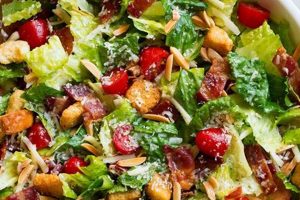
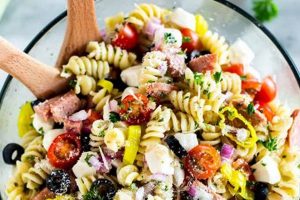
A Cobb salad, known for its attractive presentation and mix of flavorful ingredients, can be a nutritious meal option when prepared with health-conscious choices. Typically, it includes chopped chicken or turkey, bacon, hard-boiled eggs, tomatoes, avocado, blue cheese, and a vinaigrette dressing. Variations exist, offering opportunities to substitute or add ingredients for enhanced nutritional value.
The nutritional profile of this salad offers a good source of protein, healthy fats, and various vitamins and minerals. Strategic ingredient choices can further amplify health benefits. For example, using lean protein sources, opting for a light vinaigrette, and incorporating a wider array of colorful vegetables can contribute to a balanced and nutrient-rich meal. While its origins trace back to the 1930s at the Brown Derby restaurant in Hollywood, its enduring popularity stems from its customizable nature and satisfying combination of textures and flavors.
This discussion will explore various approaches to creating a nutritionally optimized Cobb salad, covering topics such as ingredient selection, portion control, dressing options, and modifications to accommodate dietary restrictions or preferences.
Tips for a Healthier Cobb Salad
Creating a nutritious and flavorful Cobb salad involves thoughtful ingredient selection and preparation. The following tips offer guidance on maximizing the health benefits of this classic dish.
Tip 1: Prioritize Lean Protein: Opt for grilled or baked chicken or turkey breast over fried options. Plant-based proteins such as chickpeas or lentils can also be incorporated.
Tip 2: Control Bacon Portions: Bacon adds flavor but is high in saturated fat and sodium. Use it sparingly, or consider turkey bacon as a lower-fat alternative. Baking bacon instead of frying reduces fat content.
Tip 3: Maximize Nutrient-Rich Vegetables: Expand beyond traditional tomatoes and lettuce. Include chopped bell peppers, cucumbers, carrots, or spinach for added vitamins, minerals, and fiber.
Tip 4: Rethink the Cheese: Blue cheese is flavorful but high in calories and fat. Consider using a smaller amount, or explore lower-fat alternatives such as feta or crumbled goat cheese.
Tip 5: Choose Healthy Fats: Avocado provides healthy monounsaturated fats, but portion control is important due to its caloric density. Use a moderate amount or consider adding a sprinkle of chopped nuts or seeds for additional healthy fats.
Tip 6: Make a Light Vinaigrette: Traditional Cobb salad dressings can be high in calories and unhealthy fats. Opt for a light vinaigrette made with olive oil, vinegar, and herbs, or use a reduced-fat dressing sparingly.
Tip 7: Mindful Portion Sizes: Even healthy ingredients can contribute to excess calorie intake if portions are too large. Be mindful of serving sizes to maintain a balanced meal.
By following these tips, individuals can enjoy a flavorful and satisfying Cobb salad while maximizing its nutritional value and minimizing less healthy components. These strategies support overall health and well-being without sacrificing taste or enjoyment.
By incorporating these modifications, a Cobb salad becomes more than a satisfying meal; it becomes a contribution to a health-conscious dietary approach.
1. Lean Protein Sources

Lean protein sources are fundamental to a healthy Cobb salad, contributing significantly to its nutritional value while supporting satiety. Selecting appropriate protein options enhances the overall health benefits of this classic dish.
- Poultry:
Chicken and turkey breast, particularly when grilled or baked, offer excellent lean protein options. Skinless varieties further reduce fat content. These choices contribute to muscle maintenance and provide essential nutrients without excessive calories. For example, grilled chicken breast provides approximately 30 grams of protein per 100 grams, with minimal saturated fat.
- Fish:
Flaked grilled or baked fish, such as cod or salmon, introduces a healthy dose of omega-3 fatty acids alongside lean protein. These fats contribute to heart health and reduce inflammation. Salmon, for instance, offers both protein and valuable omega-3s, making it a nutritionally dense addition.
- Plant-Based Alternatives:
Chickpeas, lentils, and edamame offer plant-based protein options suitable for vegetarian or vegan Cobb salads. These legumes are also rich in fiber, promoting digestive health and contributing to feelings of fullness. A half-cup serving of cooked lentils provides around 9 grams of protein and 8 grams of fiber.
- Eggs:
Hard-boiled eggs, a traditional Cobb salad ingredient, provide a complete protein source containing all essential amino acids. They also offer vitamins and minerals, including choline, important for brain health. One large hard-boiled egg contains approximately 6 grams of protein and various micronutrients.
Strategic selection of lean protein sources maximizes the nutritional value of a Cobb salad. By incorporating these options, the dish becomes a source of essential nutrients, contributing to a balanced and healthy meal. The choice of protein significantly influences the overall health impact of the salad and allows for customization based on dietary preferences and health goals.
2. Reduced-Fat Cheese

Cheese contributes significantly to the flavor profile of a Cobb salad, but traditional choices can be high in saturated fat. Opting for reduced-fat cheese allows for enjoyment of this classic ingredient while mitigating potential health concerns. Careful selection of cheese varieties supports the goal of creating a truly healthy Cobb salad.
- Feta Cheese:
Feta, a brined, crumbly cheese, offers a tangy flavor and lower fat content compared to options like blue cheese. Its salty, sharp taste complements the other salad components while contributing to a healthier nutritional profile. A serving of reduced-fat feta provides a fraction of the saturated fat compared to regular feta.
- Goat Cheese:
Crumbled goat cheese provides a distinct, slightly tart flavor that enhances the complexity of the salad. Lower-fat varieties are available, further aligning with the healthy Cobb salad concept. Goat cheese also introduces a different texture, adding to the salad’s sensory appeal. Reduced-fat goat cheese options can significantly lower saturated fat intake compared to full-fat versions.
- Part-Skim Mozzarella:
Shredded part-skim mozzarella offers a milder flavor and lower fat content than full-fat mozzarella. While not a traditional Cobb salad ingredient, it provides a healthier alternative for those who prefer a milder cheese. The lower fat content of part-skim mozzarella contributes to the overall healthfulness of the salad.
- Reduced-Fat Cottage Cheese:
While unconventional, reduced-fat cottage cheese, blended until smooth, can serve as a base for a creamy, lower-fat dressing that provides a tangy flavor reminiscent of traditional blue cheese dressings. This approach significantly reduces saturated fat while adding protein.
The choice of reduced-fat cheese directly impacts the overall healthfulness of a Cobb salad. By substituting traditional high-fat cheeses with these alternatives, individuals can enjoy the rich flavor and creamy texture of cheese while adhering to dietary goals. This thoughtful substitution supports the creation of a Cobb salad that is both delicious and nutritionally balanced.
3. Fresh, Varied Vegetables

The inclusion of fresh, varied vegetables is paramount in transforming a Cobb salad from a potentially calorie-dense dish into a nutrient-rich, health-conscious meal. This component contributes significantly to vitamin, mineral, and fiber intake, promoting overall well-being while enhancing flavor and visual appeal. The impact of incorporating a diverse range of vegetables extends beyond basic nutrition, impacting satiety and digestive health.
Cruciferous vegetables like broccoli and cauliflower, rich in antioxidants and fiber, can be incorporated raw or lightly blanched. Dark leafy greens such as spinach and kale offer a potent source of vitamins A and C, contributing to immune function. Bell peppers, available in a variety of colors, provide vitamin C and antioxidants. The addition of chopped cucumbers and carrots adds hydrating properties and essential micronutrients. This diversity not only boosts nutritional value but also introduces textural and flavor complexity. For instance, the slight bitterness of kale complements the richness of avocado and the tanginess of the dressing, while the crispness of cucumbers contrasts with the softness of the egg and tomatoes. This variety keeps the palate engaged and promotes enjoyment of a wider range of nutrient-dense foods.
Prioritizing fresh, varied vegetables allows for customization while maximizing health benefits. Seasonal variations offer opportunities to explore different combinations and optimize nutrient intake. Addressing potential challenges, such as vegetable availability and storage, is crucial. Proper storage techniques, such as refrigeration in airtight containers, maintain freshness and prevent spoilage. Exploring local farmers’ markets or considering frozen vegetable options can ensure access to a wide variety throughout the year. Integrating diverse, colorful vegetables elevates the Cobb salad from a simple dish to a powerful tool for promoting a balanced and healthy dietary pattern.
4. Light Vinaigrette Dressing

The choice of dressing significantly impacts the overall health profile of a Cobb salad. Traditional creamy dressings often contain high levels of saturated fat and added sugars, potentially negating the nutritional benefits of the other ingredients. A light vinaigrette, in contrast, offers a flavorful and healthier alternative. Olive oil-based vinaigrettes provide monounsaturated fats, known for their heart-healthy properties. Furthermore, the inclusion of vinegar adds a tangy complexity while contributing to blood sugar regulation. A simple vinaigrette prepared with extra virgin olive oil, balsamic vinegar, and a touch of Dijon mustard provides a flavorful, low-calorie dressing option. The reduced fat and calorie content compared to creamy dressings contributes directly to a healthier Cobb salad, aligning with dietary goals focused on reducing saturated fat and added sugars.
The practical significance of choosing a light vinaigrette is substantial. A typical creamy dressing can add hundreds of calories and several grams of saturated fat per serving. A light vinaigrette, on the other hand, can significantly reduce these values, promoting weight management and cardiovascular health. For example, a two-tablespoon serving of a creamy ranch dressing can contain upwards of 140 calories and 14 grams of fat, while the same amount of a simple olive oil vinaigrette might contain around 120 calories and 12 grams of fat, mostly unsaturated. This reduction in saturated fat intake is crucial for maintaining healthy cholesterol levels. Additionally, the lower calorie content contributes to calorie control, supporting weight management efforts. Furthermore, the customizable nature of vinaigrettes allows for the incorporation of fresh herbs and spices, adding flavor complexity and antioxidant benefits. A vinaigrette prepared with fresh herbs like oregano and thyme not only enhances flavor but also provides additional health-promoting compounds.
In summary, selecting a light vinaigrette is crucial for creating a truly healthy Cobb salad. This choice mitigates the potential for excess calories, saturated fat, and added sugars, allowing the nutritional benefits of the salad’s other components to shine. The practical implications of this choice contribute directly to improved dietary quality and support long-term health goals. This seemingly small decision plays a significant role in transforming the Cobb salad from a potentially indulgent meal into a nutritionally balanced option.
5. Controlled Bacon Portions
Bacon, a traditional Cobb salad component, contributes significantly to its characteristic flavor profile. However, its high saturated fat and sodium content necessitate careful portion control within the context of a health-conscious recipe. Managing bacon quantity allows for enjoyment of its savory contribution while mitigating potential health concerns. This strategic approach ensures that the overall nutritional balance of the salad remains aligned with health goals.
- Impact on Saturated Fat Intake
Bacon is a significant source of saturated fat, which, when consumed in excess, can contribute to elevated cholesterol levels and increased cardiovascular risk. Limiting bacon portions directly reduces saturated fat intake, promoting heart health. For example, a typical serving of three slices of pan-fried bacon contains approximately 4.5 grams of saturated fat, nearly a quarter of the recommended daily intake for some individuals. Reducing this to one or two slices significantly lowers saturated fat contribution.
- Sodium Content Management
Bacon is also high in sodium, which can contribute to high blood pressure and water retention. Controlling portion size helps manage overall sodium intake, particularly crucial for individuals sensitive to sodium or managing hypertension. A single slice of bacon can contain over 150 milligrams of sodium. Limiting intake helps maintain healthy blood pressure levels.
- Calorie Control
Bacon is calorie-dense. Managing portions contributes to overall calorie control within the context of a healthy Cobb salad. This approach supports weight management goals while allowing enjoyment of bacon’s flavor. Three slices of bacon contribute approximately 160 calories. Reducing the amount minimizes caloric impact.
- Flavor Enhancement, Not Domination
Bacon’s strong flavor can easily overpower other salad ingredients. Controlled portions allow its savory notes to enhance, rather than dominate, the overall flavor profile, allowing the flavors of fresh vegetables, lean protein, and other components to shine. This balanced approach creates a more nuanced and enjoyable culinary experience.
Careful management of bacon portions allows for inclusion of this flavorful ingredient while minimizing potential negative health impacts. This strategy exemplifies the principle of mindful ingredient selection in creating a Cobb salad that balances taste, nutrition, and health considerations. By strategically balancing the inclusion of bacon with other nutritious elements, the Cobb salad becomes a satisfying and health-conscious meal choice.
6. Wholesome Fats (Avocado, Nuts)

The inclusion of wholesome fats is integral to a truly healthy Cobb salad. These fats, exemplified by avocados and nuts, contribute not only to flavor and texture but also to nutritional value, promoting satiety and providing essential fatty acids. Understanding their role and selecting appropriate sources is crucial for maximizing health benefits within the context of this classic dish.
- Avocado: Source of Monounsaturated Fats and Fiber
Avocado, a creamy, nutrient-dense fruit, provides monounsaturated fats known for their heart-healthy properties. These fats contribute to lower LDL cholesterol levels while promoting HDL cholesterol. Additionally, avocado provides dietary fiber, promoting digestive health and contributing to feelings of fullness. Its smooth texture complements the other salad ingredients. However, due to its caloric density, portion control is advised. For example, a quarter of an avocado provides approximately 80 calories and 7 grams of fat, primarily monounsaturated. This contribution should be considered within the overall caloric composition of the salad.
- Nuts: Source of Healthy Fats, Protein, and Fiber
Nuts, including almonds, walnuts, and pecans, offer a diverse range of healthy fats, protein, and fiber. Almonds, for instance, are rich in vitamin E, an antioxidant that protects cells from damage. Walnuts provide omega-3 fatty acids, crucial for brain health. A small handful of nuts contributes valuable nutrients and adds textural complexity to the salad. However, similar to avocado, portion control is essential due to caloric density. A one-ounce serving of almonds, for example, provides approximately 160 calories and 14 grams of fat, predominantly healthy unsaturated fats.
- Balancing Flavor and Health
The inclusion of wholesome fats enhances the Cobb salad’s flavor profile. The creamy richness of avocado complements the crispness of vegetables and the tanginess of the dressing. Nuts contribute a satisfying crunch and subtle nutty notes. This balance of flavors and textures elevates the sensory experience of the salad, making it more enjoyable and satisfying. The strategic combination of these fats with other ingredients creates a harmonious flavor profile.
- Contribution to Satiety and Nutrient Absorption
Healthy fats play a crucial role in promoting satiety, contributing to feelings of fullness and reducing the likelihood of overeating. They also aid in the absorption of fat-soluble vitamins, such as vitamins A, D, E, and K, present in other salad ingredients. This enhanced nutrient absorption optimizes the nutritional value of the entire meal. The inclusion of these fats ensures that the vitamins present in the vegetables are effectively utilized by the body.
The strategic incorporation of wholesome fats, such as those found in avocados and nuts, elevates the Cobb salad from a simple dish to a nutritionally complete meal. These fats contribute essential nutrients, enhance flavor, and promote satiety, aligning perfectly with the principles of a healthy Cobb salad recipe. Careful consideration of portion sizes ensures that these beneficial additions contribute to, rather than detract from, the overall healthfulness of the salad. By understanding the specific contributions of these fats, individuals can create a Cobb salad that satisfies both nutritional and culinary goals.
7. Appropriate Portion Sizes

Appropriate portion sizes are crucial for maintaining the health-conscious nature of a Cobb salad. While the salad offers a mix of nutritious ingredients, excessive consumption of even healthy components can contribute to unwanted caloric surplus. Portion control ensures that the benefits of lean protein, healthy fats, and fresh vegetables are not overshadowed by excessive calorie intake. This principle directly influences the “healthy” aspect of a Cobb salad recipe. For example, a large portion of avocado, while rich in monounsaturated fats, can contribute significantly to overall calorie count. Similarly, overconsumption of nuts, though nutritionally dense, can lead to excess calorie intake. A balanced approach to portioning ensures that these ingredients contribute their nutritional benefits without undermining caloric goals. Understanding the caloric density of individual ingredients is fundamental to managing portion sizes effectively.
Practical application of portion control involves mindful assembly of the salad. A measured amount of dressing, a controlled portion of bacon, and a balanced distribution of protein, vegetables, and healthy fats contribute to a well-proportioned and nutritionally balanced meal. Visual cues can assist in portioning. For instance, a serving of protein should be roughly the size of a deck of cards, while a serving of healthy fats, such as nuts or avocado, should be limited to a small handful or a quarter of the fruit, respectively. These practical guidelines provide tangible benchmarks for creating a Cobb salad that aligns with health-conscious objectives. Pre-portioning ingredients can further assist in maintaining control and avoiding overconsumption, particularly when preparing salads in advance.
In summary, appropriate portion sizes are inextricably linked to the “healthy” designation of a Cobb salad recipe. Careful management of ingredient quantities ensures that the nutritional benefits of the salad are not overshadowed by excessive calorie consumption. Practical application of portion control principles, such as mindful assembly and pre-portioning, facilitates adherence to dietary goals. This understanding empowers individuals to create a Cobb salad that is both satisfying and supportive of a health-conscious eating pattern. The balance achieved through appropriate portioning underscores the fundamental principle that even healthy foods should be consumed in moderation for optimal health benefits.
Frequently Asked Questions
This section addresses common inquiries regarding the preparation and nutritional aspects of health-conscious Cobb salads.
Question 1: How can a Cobb salad be adapted for weight loss?
Portion control is paramount. Prioritizing lean protein sources, such as grilled chicken or fish, and minimizing high-calorie ingredients like bacon and cheese contributes to a lower-calorie meal. Emphasizing nutrient-rich, low-calorie vegetables increases volume and fiber content, promoting satiety. Opting for a light vinaigrette further reduces caloric intake.
Question 2: Is a Cobb salad suitable for a low-carb diet?
Modifications can make a Cobb salad low-carb compatible. Omitting or limiting higher-carbohydrate ingredients like tomatoes and croutons is essential. Focusing on leafy greens, lean protein, healthy fats, and low-carb vegetables aligns the salad with low-carbohydrate dietary principles.
Question 3: Can a Cobb salad be made vegetarian or vegan?
Plant-based protein sources like chickpeas, lentils, or tofu easily replace traditional meat and poultry. Nutritional yeast can provide a cheesy flavor alternative. Ensuring the chosen dressing is vegetarian or vegan is also essential.
Question 4: What are some strategies for making a Cobb salad more filling?
Adding healthy fats, such as avocado or a small portion of nuts, contributes to satiety. Incorporating protein-rich ingredients, such as hard-boiled eggs or legumes, and increasing the volume of fibrous vegetables further enhances feelings of fullness.
Question 5: How can sodium content be minimized in a Cobb salad?
Limiting or omitting bacon and cheese significantly reduces sodium. Using fresh, unprocessed ingredients whenever possible and choosing low-sodium dressings further minimizes overall sodium content. Rinsing canned beans also reduces sodium.
Question 6: Can a Cobb salad be prepared in advance for meal prepping?
Advance preparation is possible with some considerations. Storing ingredients separately and combining them just before consumption prevents the salad from becoming soggy. Keeping the dressing separate until serving also maintains freshness and crispness.
A focus on balanced portions, strategic ingredient selection, and thoughtful preparation transforms the Cobb salad into a nutritious and customizable meal that can be adapted to various dietary needs and preferences.
Further exploration of Cobb salad variations and nutritional information can enhance understanding of its potential health benefits and culinary versatility.
Conclusion
Exploration of “cobb salad recipe healthy” reveals the potential for transforming this classic dish into a nutrient-rich, health-conscious meal. Strategic ingredient selection, portion control, and mindful preparation are crucial. Prioritizing lean protein sources, incorporating a variety of fresh vegetables, opting for reduced-fat cheese, and choosing a light vinaigrette contribute significantly to a healthier nutritional profile. Careful management of bacon portions and the inclusion of wholesome fats, such as avocado and nuts, in appropriate quantities further enhance the salad’s nutritional value while preserving its satisfying flavor profile. Addressing portion sizes ensures that calorie intake aligns with health goals.
The “cobb salad recipe healthy” concept empowers individuals to embrace a culinary approach that prioritizes both enjoyment and well-being. This approach exemplifies the potential for transforming traditionally indulgent dishes into nutritionally balanced options without sacrificing flavor or satisfaction. Further exploration of ingredient variations and preparation methods offers opportunities to personalize the Cobb salad experience while maximizing its health benefits. This mindful approach to culinary creation fosters a positive relationship with food, promoting a lifestyle that values both taste and nutritional value.