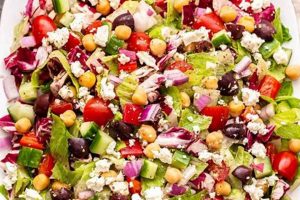
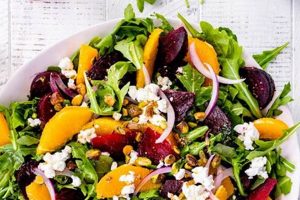
This dish presents a refreshing twist on the traditional Spanish cold soup. Instead of blending all ingredients, key components like tomatoes, cucumbers, bell peppers, and onions are finely diced, retaining their texture and creating a vibrant, colorful salad. A flavorful vinaigrette, often incorporating traditional gazpacho elements such as olive oil, vinegar, garlic, and herbs, dresses the chopped vegetables.
The appeal lies in its light, invigorating nature, perfect for warm weather. This preparation offers a textural contrast to blended gazpacho while retaining the bright, tangy flavors. By showcasing the individual ingredients, this salad also presents an opportunity for visually appealing presentations, emphasizing the freshness of the produce. It can serve as a light lunch, a starter, or a side dish, offering a healthy and flavorful option.
Further exploration will cover variations in ingredients and vinaigrettes, techniques for achieving optimal flavor and texture, and suggestions for serving and presentation. Nutritional information and potential adaptations for dietary restrictions will also be addressed.
Tips for a Perfect Chopped Gazpacho Salad
Achieving optimal flavor and texture requires attention to detail. These tips offer guidance for creating a truly exceptional salad.
Tip 1: Ingredient Selection: Opt for ripe, flavorful tomatoes, preferably heirloom varieties for a deeper, sweeter taste. Firm cucumbers and crisp bell peppers are essential for maintaining texture.
Tip 2: Knife Skills: Uniformly sized pieces are crucial for both aesthetics and even flavor distribution. A sharp knife and consistent chopping technique are recommended.
Tip 3: Vinaigrette Emulsification: A properly emulsified vinaigrette clings to the vegetables, enhancing their flavor. Whisk the ingredients vigorously or use a blender to create a smooth, cohesive dressing.
Tip 4: Chilling Time: Allowing the salad to chill for at least 30 minutes before serving allows the flavors to meld and the vegetables to absorb the vinaigrette.
Tip 5: Garnishing: Fresh herbs, such as parsley, chives, or basil, elevate the visual appeal and add a burst of fresh flavor. A drizzle of extra virgin olive oil or a sprinkle of flaky sea salt can also enhance the presentation.
Tip 6: Bread Pairing: Crusty bread, such as a baguette or sourdough, complements the salad beautifully, providing a textural contrast and a vehicle for soaking up the flavorful vinaigrette.
By following these tips, one can create a chopped gazpacho salad that is both visually stunning and incredibly flavorful. The combination of fresh, high-quality ingredients, precise preparation, and thoughtful presentation results in a truly satisfying culinary experience.
These guidelines provide a strong foundation for crafting a delicious and refreshing salad. The following section will explore variations and adaptations to further personalize this versatile dish.
1. Fresh, High-Quality Ingredients

The success of a chopped gazpacho salad hinges on the quality of its ingredients. Fresh, ripe produce provides the foundation of flavor and texture, elevating this dish from simple to exceptional. Selecting superior ingredients ensures a vibrant, flavorful, and visually appealing salad.
- Ripe Tomatoes:
Tomatoes contribute the dominant flavor profile. Ripe, in-season tomatoes, such as heirloom varieties, offer a complex sweetness and depth of flavor unmatched by out-of-season alternatives. Their texture also plays a crucial role, providing a juicy counterpoint to the other vegetables.
- Crisp Cucumbers:
Cucumbers provide a refreshing coolness and a subtle, vegetal flavor that balances the acidity of the tomatoes. Firm, crisp cucumbers are essential for maintaining texture in the salad, preventing a watery or mushy consistency. English cucumbers, known for their thin skin and minimal seeds, are particularly well-suited.
- Flavorful Peppers:
Bell peppers introduce both sweetness and a slight vegetal bitterness, adding complexity to the flavor profile. Their vibrant colors contribute to the salad’s visual appeal. Choosing firm, brightly colored peppers ensures optimal flavor and texture.
- Aromatic Onions:
Onions offer a pungent bite that complements the other vegetables. Red onions are often preferred for their milder flavor and vibrant color, but other varieties, such as shallots or sweet onions, can also be used to achieve different flavor profiles.
The careful selection of these core ingredients lays the groundwork for a truly exceptional chopped gazpacho salad. Prioritizing freshness and quality ensures a vibrant, flavorful, and texturally satisfying dish that showcases the essence of summer produce. The interplay of these high-quality components creates a symphony of flavors and textures, elevating the salad to a culinary masterpiece.
2. Precise chopping technique

Uniformity in chopping vegetables is paramount in a chopped gazpacho salad. Precise knife skills ensure not only an aesthetically pleasing presentation but also contribute significantly to the overall dining experience. Consistent size allows for even distribution of the vinaigrette, ensuring that each bite delivers a balanced blend of flavors and textures. It also affects the salad’s mouthfeel and prevents certain ingredients from dominating.
- Uniformity of Size:
Dicing all ingredients to a similar size, roughly -inch to -inch cubes, creates visual harmony and ensures even cooking or marinating. Imagine a salsa where some pieces are large chunks while others are finely minced; the texture becomes uneven and the flavor distribution inconsistent. Similarly, in a chopped gazpacho salad, uniformly sized pieces contribute to a more pleasant mouthfeel and balanced flavor profile.
- Sharp Knife and Proper Technique:
A sharp knife is essential for clean cuts, preventing crushing or bruising of delicate vegetables. Proper knife technique, such as the rocking motion used for dicing, further enhances precision and efficiency. Dull knives require more force, leading to uneven cuts and potential injury. A sharp knife allows for clean, precise cuts, preserving the integrity of the vegetables and maximizing their flavor and visual appeal.
- Consideration of Ingredient Density:
Some vegetables, like tomatoes, are softer than others, such as bell peppers. Adjusting the chopping technique slightly to account for these differences in density ensures a uniform final product. For instance, tomatoes might require a gentler touch to prevent crushing, while firmer vegetables benefit from a more assertive approach.
- Impact on Flavor and Texture:
Precise chopping directly impacts the salad’s flavor and texture. Uniformly sized pieces ensure that each bite contains a balanced blend of ingredients, preventing any single flavor from overpowering the others. It also creates a pleasant, consistent texture throughout the salad, enhancing the overall dining experience. This consistency allows for optimal flavor release and absorption of the vinaigrette.
Mastering precise chopping techniques elevates the chopped gazpacho salad from a simple dish to a culinary creation. The attention to detail in preparing the vegetables significantly impacts the final product’s flavor, texture, and presentation, showcasing the importance of knife skills in creating a truly exceptional salad. This precision contributes not only to aesthetics but also to the harmonious blend of flavors and textures that define a well-executed chopped gazpacho salad.
3. Balanced Vinaigrette
A balanced vinaigrette is crucial to a successful chopped gazpacho salad. It serves as the unifying element, binding the individual components and transforming them into a cohesive, flavorful dish. The vinaigrettes role extends beyond simply adding flavor; it contributes to the overall texture and mouthfeel, influencing how the other ingredients interact and how the flavors meld. A well-executed vinaigrette elevates the salad from a collection of chopped vegetables to a harmonious culinary creation.
The balance in a vinaigrette refers to the harmonious interplay of acidity, sweetness, saltiness, and oil. Traditional gazpacho often relies on a simple combination of olive oil, vinegar, and seasonings. In a chopped gazpacho salad, this foundation can be expanded upon with ingredients like lemon or lime juice for added brightness, a touch of honey or maple syrup for subtle sweetness, and various herbs and spices to enhance complexity. For instance, a sherry vinegar-based vinaigrette with a hint of smoked paprika can introduce a depth of flavor that complements the sweetness of ripe tomatoes and the slight bitterness of bell peppers. Alternatively, a lighter vinaigrette with fresh herbs like basil and mint can create a more refreshing profile. The specific balance depends on the desired flavor profile and the other ingredients in the salad.
Understanding the importance of a balanced vinaigrette is essential for achieving the desired outcome in a chopped gazpacho salad. An overly acidic vinaigrette can overwhelm the delicate flavors of the vegetables, while a bland dressing fails to provide the necessary lift and cohesion. The balance achieved in the vinaigrette directly influences the overall flavor profile of the salad, determining whether the final product is refreshing, tangy, savory, or a combination of these characteristics. Mastering this aspect allows for greater control over the final dish and ensures a consistently delicious and satisfying culinary experience. The interplay of these elements creates a dynamic flavor profile that enhances the individual components of the salad, transforming them into a cohesive and flavorful whole.
4. Appropriate Chilling Time
Chilling time significantly influences the final quality of a chopped gazpacho salad. This crucial step allows the flavors of the various components to meld and deepen, transforming individual ingredients into a cohesive, flavorful dish. Understanding the impact of chilling time is essential for maximizing the salad’s potential and achieving optimal results.
- Flavor Development:
Chilling allows the vinaigrette to permeate the vegetables, enhancing their individual flavors and creating a more harmonious blend. The low temperature slows down enzymatic activity, preserving the fresh flavors of the produce while allowing the vinaigrette’s components to infuse the vegetables, resulting in a more complex and nuanced flavor profile. This process is akin to marinating, where time allows the flavors to deepen and meld.
- Texture Enhancement:
Chilling firms the vegetables, enhancing their crispness and creating a more satisfying textural contrast. The cold temperature helps maintain the structural integrity of the chopped vegetables, preventing them from becoming soggy or wilted. This is particularly important for ingredients like cucumbers and tomatoes, which have a high water content. Proper chilling ensures a refreshing, crisp texture that complements the vibrant flavors of the salad.
- Temperature and Palatability:
Serving the salad chilled enhances its refreshing qualities, making it particularly appealing in warm weather. The cold temperature provides a welcome contrast to the heat, stimulating the palate and enhancing the perception of freshness. This aligns with the traditional concept of gazpacho as a chilled summer soup, emphasizing the importance of temperature in the overall dining experience.
- Recommended Chilling Duration:
A minimum of 30 minutes is generally recommended to allow sufficient time for flavor development and texture enhancement. However, chilling for up to two hours can further intensify the flavors without compromising the texture. The optimal chilling time may vary depending on the specific ingredients and the desired outcome. For instance, a salad with more delicate herbs might benefit from a shorter chilling time to preserve their fresh flavors, while a salad with robust vegetables can withstand longer chilling.
Appropriate chilling time is an integral aspect of preparing a truly exceptional chopped gazpacho salad. It allows for a harmonious fusion of flavors, enhances textural contrasts, and elevates the overall sensory experience. Understanding and implementing this crucial step ensures a final product that is not only visually appealing but also delivers a burst of refreshing, complex flavors in every bite. By allowing sufficient time for the flavors to meld and the textures to firm up, one can transform a simple mixture of chopped vegetables into a culinary masterpiece that embodies the essence of summer freshness.
5. Thoughtful Presentation
Thoughtful presentation elevates the chopped gazpacho salad from a simple dish to a visually appealing culinary experience. Presentation encompasses not only the arrangement of the salad itself but also the choice of serving vessels and accompanying elements. Consideration of these aspects enhances the dining experience, engaging multiple senses and creating a more memorable and satisfying meal.
- Visual Appeal:
The visual arrangement of the salad significantly impacts its perceived appeal. A vibrant and organized presentation stimulates the appetite and enhances enjoyment. Techniques such as layering the chopped vegetables, creating a color gradient, or arranging them in a visually appealing pattern can transform a simple salad into a work of art. For instance, a ring mold can be used to create a composed salad, or the ingredients can be artfully arranged on a platter. The use of garnishes, such as fresh herbs or a drizzle of olive oil, further enhances the visual appeal.
- Choice of Serving Vessels:
The serving vessel plays a crucial role in the overall presentation. Chilled bowls, shallow plates, or individual glasses can each create a different aesthetic. The choice of vessel should complement the style of the salad and the overall dining experience. For example, a rustic, earthenware bowl might be appropriate for a casual gathering, while elegant glass bowls might be more suitable for a formal setting. The serving vessel also influences the perceived temperature and freshness of the salad.
- Accompanying Elements:
Consideration of accompanying elements, such as bread, garnishes, or additional condiments, contributes to a more complete and satisfying dining experience. Crusty bread provides a textural contrast and a vehicle for scooping up the salad. Garnishes add visual interest and enhance flavor. Condiments offer an opportunity for customization and personalization. These elements should complement the salad without overpowering its flavors or textures. For instance, a simple garnish of chopped fresh herbs can enhance the visual appeal and add a burst of fresh flavor.
- Context and Occasion:
The presentation of the chopped gazpacho salad should also consider the context and occasion. A casual lunch might call for a simpler presentation, while a more formal dinner might warrant a more elaborate arrangement. The number of guests and the style of the meal also influence presentation choices. A large, family-style platter might be suitable for a buffet, while individual portions in elegant glasses might be more appropriate for a plated dinner service.
Thoughtful presentation elevates the chopped gazpacho salad, transforming it from a simple dish into a culinary experience that engages all the senses. By considering the visual arrangement, choice of serving vessels, accompanying elements, and the overall context, one can create a presentation that enhances the enjoyment and appreciation of this refreshing and flavorful salad. The attention to detail in presentation demonstrates care and consideration, elevating the perceived value of the dish and contributing to a more memorable and satisfying dining experience.
Frequently Asked Questions
This section addresses common inquiries regarding chopped gazpacho salad preparation and variations.
Question 1: What is the key difference between traditional gazpacho and a chopped gazpacho salad?
Traditional gazpacho is a blended soup, while the chopped version retains the texture of the individual vegetable components.
Question 2: Can other vegetables be included in a chopped gazpacho salad?
Variations can include ingredients such as avocado, corn, or jicama. Flavor profiles should be considered for optimal pairings.
Question 3: How long can a chopped gazpacho salad be stored?
Refrigeration for up to two days is recommended. The texture may soften slightly over time.
Question 4: What are suitable garnishes for a chopped gazpacho salad?
Fresh herbs, a drizzle of olive oil, croutons, or a sprinkle of feta cheese complement the flavors of the salad.
Question 5: Can the vinaigrette be made in advance?
Preparing the vinaigrette in advance allows the flavors to meld. Store it separately and toss with the salad just before serving.
Question 6: Is this salad suitable for dietary restrictions?
With appropriate ingredient substitutions, this salad can be adapted for gluten-free, vegan, and vegetarian diets. For example, ensure croutons are gluten-free if necessary, and omit cheese for vegan variations.
Addressing these common questions provides further clarity regarding chopped gazpacho salad preparation. Understanding these points allows for successful adaptation and variation of the recipe to suit individual preferences.
The following section will provide a complete recipe with detailed instructions and measurements.
Chopped Gazpacho Salad Recipe
This exploration has provided a comprehensive overview of the chopped gazpacho salad recipe, from ingredient selection and preparation techniques to presentation and variations. Key aspects highlighted include the importance of fresh, high-quality produce, the impact of precise chopping techniques on flavor and texture, and the role of a balanced vinaigrette in unifying the dish. Proper chilling time and thoughtful presentation were also emphasized as crucial elements in maximizing the salad’s potential. Addressing common inquiries further clarified preparation methods and adaptability for various dietary needs.
The chopped gazpacho salad recipe offers a refreshing and flavorful alternative to traditional gazpacho, showcasing the versatility of fresh produce. Its adaptability allows for culinary creativity and personalization, making it a suitable dish for a variety of occasions. This exploration encourages further experimentation with flavors and presentations, empowering culinary enthusiasts to create their own unique interpretations of this vibrant and satisfying salad.