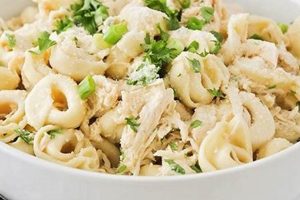
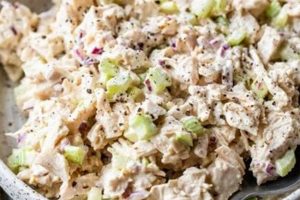
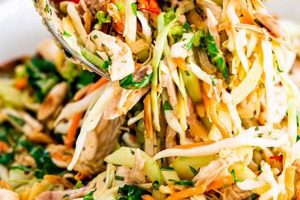
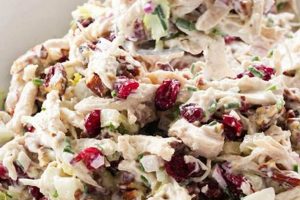
Combining cooked chicken, typically shredded or diced, with yogurt creates a lighter, tangier alternative to traditional mayonnaise-based preparations. This approach offers a versatile base for various additions, including fruits, vegetables, nuts, and herbs. For instance, a simple version might involve diced chicken, Greek yogurt, chopped celery, grapes, and a touch of Dijon mustard.
Using yogurt offers several nutritional advantages, such as increased protein and calcium, often with lower fat and calories compared to mayonnaise. This substitution also contributes a creamy texture and a subtle tang that complements the chicken and other ingredients. Historically, yogurt’s presence in savory dishes reflects culinary traditions in regions like the Mediterranean and Middle East, where it adds a distinct flavor profile to salads and other recipes. This healthier approach to a classic dish aligns with contemporary dietary preferences for lighter and more nutritious meals.
Further exploration of this topic will delve into specific recipe variations, nutritional information, and practical tips for preparation and storage.
Tips for Creating Delicious Yogurt-Based Chicken Salad
Achieving optimal flavor and texture in chicken salad hinges on thoughtful ingredient selection and preparation techniques. The following tips offer guidance for crafting exceptional yogurt-based versions.
Tip 1: Choose the Right Yogurt: Greek yogurt is generally preferred for its thicker consistency and tangier flavor. Non-fat or low-fat options further reduce overall calorie content without sacrificing creaminess.
Tip 2: Optimize Chicken Texture: Shredding or dicing cooked chicken into bite-sized pieces ensures even distribution and pleasant mouthfeel. Avoid over-processing, which can result in a mushy texture.
Tip 3: Balance Flavors: Incorporate complementary ingredients to enhance the overall taste profile. Crisp vegetables like celery or cucumber add freshness, while dried fruits or nuts offer textural contrast and sweetness. Herbs and spices such as dill, chives, or curry powder introduce complexity.
Tip 4: Seasoning is Key: Salt and pepper are essential, but consider other seasonings like Dijon mustard, lemon juice, or garlic powder to elevate the flavor. Taste and adjust seasonings as needed.
Tip 5: Chill for Best Results: Allowing the chicken salad to chill in the refrigerator for at least 30 minutes allows the flavors to meld and the yogurt to further thicken the mixture. This results in a more cohesive and flavorful salad.
Tip 6: Proper Storage Extends Shelf Life: Store leftover chicken salad in an airtight container in the refrigerator for up to three days. Ensure proper refrigeration to maintain freshness and prevent bacterial growth.
Tip 7: Explore Texture Variations: Toasted nuts, seeds, or croutons can add a satisfying crunch. Consider incorporating chopped apples or grapes for a burst of sweetness and juiciness.
By following these guidelines, one can consistently create flavorful, healthy, and satisfying yogurt-based chicken salads suitable for various occasions.
The following section will provide specific recipe examples showcasing the versatility of this approach.
1. Healthy Alternative

The designation of yogurt-based chicken salad as a “healthy alternative” stems primarily from the substitution of yogurt for mayonnaise. Mayonnaise, traditionally used in chicken salad, contributes significant amounts of saturated fat and calories. Yogurt, particularly Greek yogurt, offers a lower-fat, higher-protein alternative. This substitution directly impacts the nutritional profile of the dish, reducing overall fat and calorie content while increasing protein intake. For example, a cup of full-fat mayonnaise can contain upwards of 100 grams of fat and over 1400 calories, while a cup of plain, non-fat Greek yogurt contains less than a gram of fat and around 130 calories. This substantial difference translates into a healthier meal option, especially for individuals monitoring calorie intake or fat consumption.
This nutritional improvement extends beyond simple calorie reduction. Yogurt contributes valuable nutrients like calcium and probiotics, which are often absent in mayonnaise-based recipes. The increased protein content also promotes satiety, potentially aiding in weight management efforts. Furthermore, the tangy flavor of yogurt adds a refreshing dimension to the salad, potentially reducing the need for excessive salt or other flavor enhancers, further contributing to the overall healthfulness of the dish. Individuals with dietary restrictions, such as lactose intolerance, can opt for lactose-free yogurt variations, ensuring accessibility without compromising health benefits.
Adopting yogurt-based chicken salad as a healthier choice aligns with broader dietary trends emphasizing whole foods and reduced processed ingredient consumption. It exemplifies how simple ingredient swaps can significantly improve the nutritional value of familiar dishes without sacrificing flavor or satisfaction. This shift towards healthier versions of classic recipes empowers individuals to make informed food choices that support overall well-being. The availability of various yogurt types and flavors further expands culinary possibilities while maintaining a focus on healthier eating habits.
2. Versatile Ingredient
Yogurt’s versatility as a core ingredient in chicken salad stems from its ability to harmonize with a wide array of flavors and textures. This adaptability allows for extensive customization, catering to individual preferences and dietary needs. The neutral base provided by yogurt readily absorbs and complements both sweet and savory additions. For instance, the tang of yogurt balances the sweetness of dried cranberries or grapes, while its creamy texture provides a backdrop for the crunch of walnuts or celery. This inherent versatility extends beyond flavor profiles, accommodating textural variations through the incorporation of ingredients like toasted nuts, crumbled bacon, or chopped vegetables. The adaptability of yogurt also facilitates the creation of globally-inspired variations, incorporating spices and ingredients reflecting diverse culinary traditions.
The practical significance of yogurt’s versatility lies in its ability to transform simple chicken salad into a culinary canvas. Dietary restrictions can be addressed through ingredient selection; those avoiding gluten can incorporate gluten-free grains or crackers, while individuals seeking lower carbohydrate options can emphasize vegetables and lean protein. Seasonal variations are easily achieved by incorporating fruits and vegetables readily available, ensuring fresh and flavorful options year-round. This adaptability also extends to presentation, allowing for creative serving options beyond traditional sandwiches. Yogurt-based chicken salad can be served in lettuce wraps, scooped onto endive leaves, or used as a filling for bell peppers or tomatoes. These examples illustrate the practical application of yogurt’s versatility, transforming a simple dish into a customizable and adaptable meal.
In summary, yogurt’s versatility as a chicken salad ingredient allows for extensive customization in flavor, texture, and presentation, accommodating diverse dietary needs and preferences. This adaptability empowers individuals to create personalized versions of a classic dish, ensuring a satisfying and nutritious meal aligned with individual culinary goals. Understanding this versatility unlocks the potential of yogurt-based chicken salad as a foundational recipe adaptable to various culinary contexts.
3. Flavor Customization
Flavor customization represents a significant advantage of yogurt-based chicken salad. The relatively neutral flavor profile of yogurt provides a blank canvas for a wide spectrum of flavor combinations. This allows for tailoring the final product to specific palates and dietary preferences. The inherent tanginess of yogurt complements both sweet and savory additions, creating a balanced flavor profile. For instance, the addition of curry powder and chopped grapes creates an Indian-inspired variation, while the incorporation of dill, lemon zest, and capers yields a Mediterranean-inspired flavor profile. This inherent adaptability makes yogurt-based chicken salad a versatile dish suitable for diverse culinary explorations.
The ability to customize flavor extends beyond simple additions of spices and fruits. The choice of yogurt itself plays a crucial role. Plain, unflavored yogurt offers the most neutral base, allowing for maximum control over the final flavor. Flavored yogurts, such as lemon or dill, can provide a pre-existing flavor foundation, simplifying the customization process while imparting a distinct character. Texture also plays a role in flavor perception; the addition of crunchy elements like chopped nuts or celery enhances the overall sensory experience, while the incorporation of dried fruits adds a concentrated burst of sweetness. Understanding these nuances enables the creation of highly personalized flavor profiles, catering to specific tastes and preferences.
Mastery of flavor customization in yogurt-based chicken salad empowers culinary creativity and expands dietary possibilities. This approach allows for the creation of dishes aligning with specific dietary restrictions or cultural preferences. The adaptability of yogurt facilitates the seamless integration of diverse ingredients, transforming a simple dish into a personalized culinary experience. This ability to tailor flavor also reduces reliance on excessive salt or unhealthy flavor enhancers, further promoting healthier eating habits. By understanding the interplay of ingredients and flavors, one can consistently create delicious and nutritious yogurt-based chicken salads tailored to individual preferences and dietary needs.
4. Textural Complexity
Textural complexity significantly contributes to the overall enjoyment of yogurt-based chicken salad, elevating it beyond a simple mixture of ingredients. A well-composed chicken salad engages multiple senses, creating a more satisfying and memorable culinary experience. Understanding the interplay of textures enhances culinary creativity and allows for the development of more nuanced and appealing recipes. This exploration delves into the various facets of textural complexity within the context of yogurt-based chicken salad.
- Base Texture: The Foundation
The yogurt itself forms the foundational texture, offering a creamy, smooth base. The choice of yogurt influences this foundation; Greek yogurt provides a thicker, richer texture compared to traditional yogurt. This base texture interacts with other ingredients, creating a cohesive and balanced textural profile. Consider the contrast between the smooth yogurt and the added ingredients, aiming for a harmonious blend.
- Protein Texture: Chicken Variations
The texture of the chicken contributes significantly to the overall mouthfeel. Shredded chicken offers a finer texture, integrating seamlessly with the yogurt, while diced chicken provides more substantial, distinct pieces. The cooking method also influences texture; poached or baked chicken retains more moisture and tenderness compared to grilled or pan-fried chicken. Consider the desired textural interplay when preparing the chicken.
- Added Crunch: Contrasting Elements
Incorporating crunchy elements adds a vital dimension to yogurt-based chicken salad. Ingredients such as chopped celery, walnuts, or croutons provide contrasting textures that enhance the sensory experience. The size and shape of these additions influence the intensity of the crunch. Finely diced celery offers a subtle crunch, while coarsely chopped walnuts provide a more pronounced textural contrast. Consider the balance between the creamy base and the desired level of crunch.
- Ingredient Integration: A Harmonious Blend
The successful integration of ingredients is crucial for achieving optimal textural complexity. Overmixing can result in a homogenous, less interesting texture, while undermixing can lead to uneven distribution of ingredients and a disjointed textural experience. The goal is to achieve a harmonious blend where individual textures are discernible yet contribute to a unified whole. Careful attention to mixing technique ensures a balanced and enjoyable textural profile.
By considering these facets of textural complexity, one can elevate yogurt-based chicken salad from a simple dish to a more nuanced and satisfying culinary creation. The interplay of textures enhances the overall sensory experience, creating a more engaging and memorable meal. This understanding empowers culinary creativity, allowing for the development of personalized recipes tailored to individual preferences and dietary needs. The careful consideration of texture elevates the dish, transforming it from a simple combination of ingredients into a more sophisticated and enjoyable culinary experience.
5. Simple Preparation
The ease of preparation contributes significantly to the appeal of yogurt-based chicken salad. Minimal cooking and readily available ingredients make it a convenient and accessible meal option. This simplicity allows for quick assembly, making it suitable for busy schedules and impromptu meals. Further exploration will highlight the specific aspects contributing to the straightforward nature of these recipes.
- Minimal Cooking Required
Yogurt-based chicken salad often requires minimal cooking, primarily involving the preparation of the chicken itself. Pre-cooked chicken, readily available from grocery stores, further simplifies the process, eliminating cooking altogether. This minimal cooking requirement reduces preparation time and simplifies cleanup, making it an ideal choice for quick meals. This convenience contrasts with more elaborate salad preparations involving multiple cooking steps or complex ingredient preparation.
- Basic Kitchen Equipment
Preparing yogurt-based chicken salad necessitates only basic kitchen tools. A mixing bowl, measuring cups and spoons, and a cutting board and knife are generally sufficient. This reliance on common kitchen equipment eliminates the need for specialized appliances, enhancing accessibility and convenience. This simplicity contrasts with recipes requiring food processors or other specialized tools, broadening the potential audience and simplifying the cooking process.
- Adaptable Ingredients
The adaptability of yogurt-based chicken salad extends to ingredient selection. Common pantry staples and readily available fresh produce easily integrate into these recipes. This flexibility allows for substitutions based on personal preference or ingredient availability, further simplifying the preparation process. This adaptability contrasts with recipes requiring specific or hard-to-find ingredients, enhancing the convenience and practicality of yogurt-based chicken salad.
- Quick Assembly
The assembly process for yogurt-based chicken salad is typically straightforward and quick. Combining the prepared ingredients requires minimal effort, allowing for rapid meal preparation. This speed and efficiency make it a convenient option for busy individuals or those seeking a quick and satisfying meal. This rapid assembly contrasts with more labor-intensive salad preparations involving multiple steps or complex techniques, highlighting the ease and convenience of yogurt-based chicken salad.
The convergence of these factorsminimal cooking, basic equipment, adaptable ingredients, and quick assemblyestablishes yogurt-based chicken salad as a convenient and accessible meal option. This simplicity makes it suitable for a wide range of individuals, from busy professionals to novice cooks. The ease of preparation allows for greater focus on flavor customization and exploration, enhancing the overall culinary experience while maintaining convenience and accessibility. This simplicity ultimately contributes to the enduring popularity of yogurt-based chicken salad as a versatile and satisfying meal choice.
6. Nutritional Benefits

Yogurt-based chicken salad offers notable nutritional advantages compared to traditional mayonnaise-based versions. Substituting yogurt for mayonnaise significantly reduces fat and calorie content while increasing protein and calcium intake. This nutritional shift stems from yogurt’s inherent composition; it naturally contains less fat and more protein than mayonnaise. For example, a typical serving of yogurt-based chicken salad might contain 150-200 calories and 5-10 grams of fat, whereas a comparable serving using mayonnaise could contain 300-400 calories and 20-30 grams of fat. This reduction in caloric density and fat content aligns with dietary guidelines promoting weight management and cardiovascular health. Furthermore, the increased protein content contributes to satiety, potentially reducing overall food intake.
Beyond macronutrient profiles, yogurt introduces beneficial micronutrients and probiotics often absent in mayonnaise. Yogurt serves as a good source of calcium, crucial for bone health, and provides probiotics, which contribute to gut health. These added nutritional benefits further differentiate yogurt-based chicken salad as a healthier alternative. The specific nutritional content varies based on the type of yogurt used; Greek yogurt, for example, typically contains higher protein and lower carbohydrates than regular yogurt. Ingredient additions, such as fruits and vegetables, further enhance the nutritional profile, contributing vitamins, minerals, and fiber. Careful selection of these additions allows for customization to meet specific dietary needs, such as increased fiber intake or specific vitamin and mineral requirements.
Understanding the nutritional benefits of yogurt-based chicken salad empowers informed dietary choices. This awareness facilitates meal planning aligned with health goals, whether weight management, improved gut health, or increased nutrient intake. Recognizing the nutritional impact of ingredient substitutions, like replacing mayonnaise with yogurt, allows for the creation of healthier versions of classic dishes without compromising flavor or satisfaction. This approach exemplifies how dietary modifications can improve overall health outcomes through conscious ingredient selection and recipe adaptation. Incorporating nutrient-rich variations into regular meal planning contributes to long-term dietary improvements and supports overall well-being.
7. Budget-friendly option
Yogurt-based chicken salad frequently presents a more economical choice compared to other salad options or protein-based meals. Several factors contribute to this affordability. Chicken, a primary ingredient, is generally less expensive than other protein sources like red meat or seafood. Yogurt, particularly plain varieties, tends to be more cost-effective than specialty condiments or prepared salad dressings. Furthermore, supplemental ingredients, such as vegetables, fruits, and seasonings, can be sourced affordably, especially when using seasonal produce. This combination of relatively inexpensive core ingredients and flexible supplementary components contributes to the overall budget-friendly nature of the dish. For example, utilizing leftover cooked chicken from a previous meal further reduces costs, minimizing food waste and maximizing value. Preparing yogurt-based chicken salad at home, rather than purchasing pre-made salads or deli sandwiches, offers significant cost savings. This approach allows for control over ingredients and portion sizes, further contributing to budget management.
The affordability of yogurt-based chicken salad extends beyond individual meals. Its adaptability makes it suitable for various serving formats, from sandwiches and wraps to salads and snacks. This versatility allows for meal planning across multiple occasions, maximizing the value of prepared ingredients. For instance, a batch of chicken salad can be used for lunches throughout the week, reducing the need for daily meal preparation and minimizing expenses associated with eating out or purchasing convenience foods. This cost-effectiveness becomes particularly relevant in larger households or for individuals on a budget. The ability to utilize readily available and less expensive ingredients, combined with adaptable serving options, positions yogurt-based chicken salad as a practical and economical meal choice.
In summary, the budget-friendly nature of yogurt-based chicken salad stems from the affordability of its core ingredients, the flexibility in incorporating supplementary components, and its adaptability to various meal formats. This combination of factors contributes to cost savings for individuals and families seeking nutritious and economical meal options. Understanding these cost-saving aspects empowers informed meal planning and resource management, demonstrating how culinary choices can align with budgetary constraints without compromising nutritional value or flavor. This accessibility makes yogurt-based chicken salad a viable and appealing option for individuals seeking both affordability and nutritional value in their dietary choices.
Frequently Asked Questions
This section addresses common inquiries regarding the preparation and consumption of yogurt-based chicken salad.
Question 1: What type of yogurt is best suited for chicken salad?
Greek yogurt is generally preferred due to its thicker consistency and tangier flavor. Non-fat or low-fat Greek yogurt offers a healthier option while maintaining creaminess. Plain yogurt allows for greater control over flavor customization, while flavored varieties can simplify the process and add a pre-existing flavor profile.
Question 2: How long can yogurt-based chicken salad be stored?
Properly stored in an airtight container in the refrigerator, it typically lasts for up to three days. Ensure thorough chilling and avoid leaving the salad at room temperature for extended periods to prevent bacterial growth.
Question 3: Can frozen chicken be used in these recipes?
While fresh or freshly cooked chicken is ideal, frozen chicken can be used. Ensure complete thawing and proper cooking before incorporating it into the salad. Avoid using pre-seasoned or pre-cooked frozen chicken, as these may contain excessive sodium or unwanted additives.
Question 4: How can one adjust the tanginess of the salad?
The tanginess can be adjusted based on yogurt selection and added ingredients. Using a milder yogurt, such as regular plain yogurt, reduces the overall tang. Incorporating sweeter elements, like fruits or honey, also balances the tanginess. Conversely, adding a squeeze of lemon juice can enhance the tangy flavor.
Question 5: What are some suitable alternatives to chicken in these recipes?
While chicken is the traditional base, other proteins can be substituted. Canned tuna, salmon, or chickpeas offer viable alternatives, each providing a distinct flavor profile and nutritional composition. Adjust seasonings and added ingredients to complement the chosen protein source.
Question 6: How can food safety be ensured when preparing chicken salad?
Adhering to safe food handling practices is crucial. Wash hands thoroughly before and after handling ingredients. Ensure chicken is cooked to a safe internal temperature of 165F (74C). Avoid cross-contamination by using separate cutting boards and utensils for raw and cooked ingredients. Refrigerate the prepared salad promptly and maintain a refrigerator temperature of 40F (4C) or below.
Addressing these common questions provides a clearer understanding of preparing and consuming yogurt-based chicken salad safely and effectively. The information presented here aims to empower informed choices regarding ingredient selection, storage, and recipe adaptation.
The following section provides a collection of sample recipes showcasing the versatility and deliciousness of yogurt-based chicken salad.
Chicken Salad Recipes with Yogurt
Exploration of chicken salad recipes incorporating yogurt reveals a versatile and adaptable culinary approach. Analysis indicates notable nutritional advantages over traditional mayonnaise-based preparations, including reduced fat and calorie content alongside increased protein and calcium. The adaptability of yogurt as a base ingredient allows for diverse flavor profiles and textural variations, accommodating a wide range of dietary preferences and culinary traditions. From simple preparations highlighting fresh ingredients to more complex flavor combinations incorporating spices and herbs, the possibilities within this culinary framework are extensive. The ease of preparation, combined with the affordability of core ingredients, further establishes its practicality as a meal option.
The synthesis of culinary versatility, nutritional value, and ease of preparation positions chicken salad recipes featuring yogurt as a valuable addition to any repertoire. Continued exploration and experimentation within this culinary domain promise further innovation and personalized adaptations, reflecting evolving dietary preferences and a growing appreciation for healthy, flavorful, and convenient meal options.