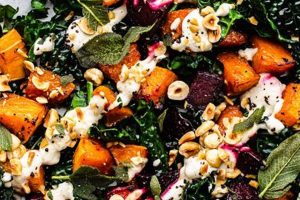
A popular dish inspired by a Southwestern restaurant chain, this salad typically features seasoned pork, cilantro-lime rice, black beans, corn, pico de gallo, shredded cheese, and a creamy dressing, often served in a large tortilla bowl. Variations exist, incorporating different proteins, vegetables, and dressings based on personal preferences.
This customizable and flavorful meal offers a satisfying balance of protein, carbohydrates, and healthy fats. Its adaptability makes it suitable for various dietary needs, allowing for substitutions and modifications to cater to individual restrictions or preferences. The dish’s popularity has contributed to the rise of “copycat” recipes, enabling individuals to recreate a restaurant-quality meal at home, often with healthier and more affordable ingredients.
The following sections will explore the specific elements of this dish, including preparation methods for the pork, variations on the core ingredients, and suggestions for creating a truly authentic dining experience.
Tips for an Exceptional Pork Salad
Achieving optimal flavor and texture requires attention to detail in ingredient selection and preparation methods. The following tips offer guidance for creating a superior culinary experience.
Tip 1: Marinating the Pork: Marinating the pork for at least two hours, preferably overnight, significantly enhances its flavor and tenderness. A simple marinade of citrus juices, garlic, and spices works well.
Tip 2: Proper Pork Cooking: Pork should be cooked thoroughly to an internal temperature of 145F (63C). Grilling, pan-frying, or slow cooking are suitable methods, each imparting unique characteristics.
Tip 3: Rice Selection: Cilantro-lime rice complements the other ingredients well. Using quality long-grain rice and fresh cilantro enhances the flavor profile.
Tip 4: Freshness of Ingredients: Utilizing fresh produce, especially for the pico de gallo and other toppings, elevates the salad’s overall taste and visual appeal.
Tip 5: Dressing Choices: A creamy cilantro-lime dressing or a vinaigrette are popular choices. The dressing should complement, not overpower, the other flavors.
Tip 6: Customization: This salad is highly adaptable. Consider adding other vegetables, such as roasted peppers or avocado, to personalize the dish.
Tip 7: Layering for Optimal Flavor: Layering ingredients strategically, rather than simply mixing them, allows for distinct flavors to shine through with each bite.
By following these guidelines, one can create a delicious and satisfying meal that rivals restaurant-quality preparations.
The culmination of these elements contributes to a well-rounded and flavorful dish, perfect for any occasion.
1. Pork Preparation

Pork preparation is paramount to a successful cafe rio-style pork salad. The pork’s flavor and texture significantly influence the overall dish’s quality. Effective preparation involves marinating and cooking the pork to achieve optimal tenderness and infuse it with complementary flavors. A flavorful marinade, often containing citrus juices, spices, and aromatics, tenderizes the meat and imparts a depth of flavor that permeates the entire salad. Inadequate marinating or improper cooking can result in dry, tough, or bland pork, diminishing the salad’s overall appeal. For instance, using a lean cut of pork like tenderloin requires shorter cooking times than a fattier shoulder cut to prevent dryness. Conversely, slow cooking a tougher cut of pork in the marinade allows the flavors to meld and the meat to become incredibly tender.
The choice of cooking method also impacts the final product. Grilling imparts a smoky char, while pan-frying creates a flavorful crust. Slow cooking results in succulent, fall-apart tender pork. Each method offers a distinct character that contributes to the salad’s complexity. For example, grilled pork provides a textural contrast to the other fresh ingredients, while slow-cooked pork shreds easily and absorbs the marinade’s flavors more intensely. The chosen cooking method should align with the desired flavor profile and the overall balance of the salad.
Ultimately, careful pork preparation establishes the foundation for a flavorful and satisfying salad. Understanding the nuances of marinades, cooking times, and methods allows for precise control over the pork’s texture and flavor, ensuring a harmonious blend of ingredients within the final dish. Neglecting this crucial step can compromise the entire salad, highlighting the direct correlation between proper pork preparation and the overall success of a cafe rio-style pork salad.
2. Cilantro-Lime Rice

Cilantro-lime rice forms an integral component of the cafe rio-style pork salad, contributing a refreshing counterpoint to the richness of the pork and the other ingredients. The vibrant citrus notes of the lime brighten the overall flavor profile, while the herbaceous cilantro adds a distinct aromatic dimension. This combination offers a refreshing contrast to the savory elements of the salad, preventing the dish from becoming overly heavy. Furthermore, the rice serves as a neutral base that absorbs the flavors of the other components, creating a cohesive and harmonious blend. For example, the juices from the marinated pork and the pico de gallo seep into the rice, enhancing its flavor and creating a more unified taste experience. The fluffy texture of the rice also provides a pleasant textural contrast to the other ingredients, contributing to the salad’s overall appeal.
The quality of the cilantro-lime rice directly impacts the overall quality of the salad. Using fresh cilantro and freshly squeezed lime juice is crucial for achieving the desired brightness and vibrancy. Additionally, properly cooked rice, neither mushy nor undercooked, ensures a pleasant textural experience. For instance, using day-old rice can result in a dry and less flavorful salad. Conversely, freshly prepared rice with vibrant cilantro and lime elevates the dish, offering a more authentic and satisfying experience. One can also consider variations by incorporating different types of rice, such as brown rice for added nutritional value, or adding other aromatics like garlic or jalapeo to the rice for an extra layer of flavor.
In conclusion, cilantro-lime rice is not merely a filler in this popular salad; it plays a vital role in balancing the flavors, adding freshness, and enhancing the overall sensory experience. Attention to detail in its preparation, from the freshness of the ingredients to the cooking method, significantly influences the final result. Understanding this connection allows for a more nuanced appreciation of the dish and empowers individuals to create a truly exceptional culinary experience.
3. Black Beans
Black beans constitute a fundamental element within the cafe rio-style pork salad, contributing not only nutritional value but also textural and flavor complexity. Their inclusion provides a substantial source of protein and fiber, complementing the other ingredients and enhancing the salad’s overall nutritional profile. Furthermore, black beans offer a distinct earthy flavor and a creamy texture that contrasts pleasantly with the other components. This textural contrast, alongside the visual appeal of the black beans against the vibrant colors of the other ingredients, elevates the sensory experience of the dish. For example, the smooth texture of the beans complements the crispness of fresh vegetables and the tenderness of the pork. This interplay of textures adds depth and interest to each bite. Omitting black beans would result in a less balanced and less satisfying meal, demonstrating their essential role within the overall composition.
Beyond their inherent nutritional and textural benefits, black beans also contribute to the overall flavor profile of the cafe rio-style pork salad. Their subtle earthiness complements the brighter flavors of the cilantro-lime rice and pico de gallo, creating a harmonious balance. Additionally, black beans absorb the flavors of the surrounding ingredients, particularly the marinade from the pork and the dressing, further enhancing their contribution to the dish. This absorption of flavors creates a more cohesive and integrated taste experience. One could substitute black beans with pinto beans or kidney beans; however, this substitution would alter the flavor profile, potentially diminishing the authenticity of the experience. This highlights the specific role that black beans play in achieving the desired taste and overall balance.
In summary, the incorporation of black beans into the cafe rio-style pork salad exemplifies thoughtful ingredient selection. Their contribution extends beyond mere nutrition to encompass textural contrast, flavor enhancement, and visual appeal. Understanding the multifaceted role of black beans within this dish underscores their importance and provides insight into the careful balance of ingredients required to achieve a truly satisfying and authentic culinary experience. This understanding allows for informed choices regarding ingredient selection and substitution, empowering individuals to replicate and personalize this popular dish effectively.
4. Fresh Pico de Gallo
Fresh pico de gallo provides an essential layer of flavor and texture to the cafe rio-style pork salad, contributing significantly to the dish’s overall appeal. Its vibrant flavors and contrasting textures elevate the salad beyond a simple combination of ingredients, transforming it into a more complex and satisfying culinary experience. The pico de gallo’s freshness offers a counterpoint to the richness of the pork and the creaminess of the dressing, ensuring a balanced and refreshing final product. Its absence would result in a less dynamic and flavorful salad, underscoring its importance within the overall composition.
- Flavor Enhancement
Pico de gallo contributes a burst of fresh, acidic, and slightly spicy flavors derived from the tomatoes, onions, cilantro, jalapeos, and lime juice. These vibrant flavors cut through the richness of the pork and the other components, preventing the salad from becoming overly heavy. The balance of sweet, tangy, and spicy notes within the pico de gallo adds depth and complexity to each bite, enhancing the overall sensory experience. For example, the acidity of the tomatoes and lime juice balances the richness of the pork, while the jalapeo adds a subtle heat that complements the other flavors.
- Textural Contrast
The chopped ingredients in pico de gallo introduce a pleasant textural contrast to the other components of the salad. The crispness of the onions, tomatoes, and jalapeos juxtaposes the tender pork, the creamy dressing, and the fluffy rice. This interplay of textures creates a more dynamic and engaging eating experience. The textural variety prevents the salad from feeling monotonous and adds another layer of enjoyment to the dish.
- Visual Appeal
The vibrant colors of pico de gallo, primarily derived from the red tomatoes, green cilantro, and white onions, enhance the visual appeal of the cafe rio-style pork salad. This visual element adds to the overall enjoyment of the dish, making it more appetizing and appealing. The bright colors contrast with the other ingredients, creating a visually stimulating and attractive presentation.
- Freshness and Quality
The use of fresh, high-quality ingredients in the pico de gallo significantly impacts the overall flavor and quality of the salad. Using ripe, flavorful tomatoes, fresh cilantro, and a vibrant lime ensures that the pico de gallo contributes its intended brightness and complexity to the dish. Pre-made or store-bought pico de gallo often lacks the vibrancy and freshness of a homemade version, potentially diminishing the overall quality of the salad. The emphasis on fresh ingredients highlights the importance of quality components in creating an exceptional culinary experience.
The integration of fresh pico de gallo within the cafe rio-style pork salad exemplifies the importance of balancing flavors, textures, and visual appeal in creating a truly satisfying dish. Each element of the pico de gallo contributes to the overall composition, demonstrating its essential role in elevating the salad from a simple combination of ingredients to a more complex and enjoyable culinary experience. The freshness, flavor, texture, and visual appeal provided by the pico de gallo underscore its vital contribution to the dish’s overall success.
5. Creamy Dressing
Creamy dressing forms an integral part of the cafe rio-style pork salad, serving to unify the diverse flavors and textures while contributing its own distinct characteristics. The dressing’s creaminess provides a textural counterpoint to the crisp vegetables, tender pork, and fluffy rice. It also acts as a binding agent, coating the ingredients and allowing the flavors to meld together. The specific flavor profile of the dressing, often featuring cilantro, lime, and spices, complements the other components, creating a harmonious and balanced overall taste. Without a creamy dressing, the salad’s individual ingredients might remain disparate, lacking the cohesive element that transforms them into a unified culinary experience. For example, a vinaigrette, while offering a different flavor profile, would not provide the same textural richness and binding effect as a creamy dressing.
The choice of creamy dressing can significantly influence the final character of the salad. A cilantro-lime dressing, a popular option, enhances the Southwestern-inspired flavors of the dish. Other variations, such as a creamy avocado dressing or a chipotle-lime dressing, offer alternative flavor profiles while maintaining the essential creamy texture. The selection of dressing should complement the other ingredients, creating a balanced and harmonious flavor profile. Overly sweet or excessively spicy dressings can overpower the delicate flavors of the other components, while a bland dressing might fail to provide the necessary unifying element. Careful consideration of the dressing’s flavor profile in relation to the other ingredients is essential for achieving the desired balance and complexity.
The creamy dressing in a cafe rio-style pork salad serves a critical function beyond simply adding flavor. It binds the ingredients, provides textural contrast, and contributes to the overall balance and harmony of the dish. A thoughtfully chosen creamy dressing elevates the salad from a collection of individual components to a cohesive and satisfying culinary creation. Understanding its multifaceted role within the dish emphasizes the importance of selecting a dressing that complements and enhances the other flavors, ultimately contributing to a more enjoyable and complete dining experience.
6. Tortilla Bowl

The tortilla bowl provides a significant element within the cafe rio-style pork salad, contributing both structural integrity and a distinct flavor component. Its presence extends beyond mere containment, offering a textural and gustatory dimension that enhances the overall dining experience. Understanding its role within the dish illuminates its importance and contribution to the salad’s appeal.
- Edible Vessel
The tortilla bowl functions as an edible vessel, providing a sturdy foundation for the salad’s ingredients while also contributing its own distinct flavor and texture. Unlike a traditional salad bowl, the tortilla bowl becomes an integral part of the meal, adding a satisfying crunch and a subtle corn flavor that complements the other components. This edible element distinguishes the cafe rio-style pork salad from other salads served in non-edible containers, creating a more integrated and engaging dining experience. The structural integrity of the bowl also allows for generous portions and prevents spillage, enhancing practicality.
- Textural Enhancement
The crisp texture of the tortilla bowl contrasts with the softer textures of the other ingredients, creating a multi-dimensional textural experience. This contrast enhances the enjoyment of the salad, adding a satisfying crunch that complements the tender pork, fluffy rice, and creamy dressing. The textural variation prevents the salad from feeling monotonous, providing a more engaging and dynamic sensory experience. For instance, the crispness of the bowl contrasts with the creamy beans and the juicy pico de gallo, creating a delightful interplay of textures in each bite.
- Flavor Contribution
The tortilla bowl’s subtle corn flavor complements the other ingredients, particularly the cilantro-lime rice and the spices in the pork marinade. This subtle flavor enhancement contributes to the overall balance and complexity of the dish, adding another layer of taste that harmonizes with the other components. The tortilla bowl’s flavor becomes more pronounced as it absorbs the juices and flavors from the salad’s ingredients, further integrating it into the overall taste experience. The choice of tortilla, whether corn or flour, can further influence the flavor profile, allowing for customization and personalization.
- Visual Presentation
The tortilla bowl enhances the visual presentation of the cafe rio-style pork salad, adding an element of rustic appeal. Its warm, golden color provides a visually appealing backdrop for the vibrant colors of the salad’s ingredients. This visual presentation contributes to the overall dining experience, making the salad more attractive and appetizing. The bowl’s shape also allows for a more structured and visually appealing arrangement of the ingredients, showcasing their variety and enhancing the overall aesthetic.
The tortilla bowl, therefore, plays a significant role in the cafe rio-style pork salad, contributing to its structural integrity, textural complexity, flavor profile, and visual presentation. Its presence elevates the dish beyond a simple salad, transforming it into a more complete and satisfying culinary experience. The integration of the tortilla bowl exemplifies the thoughtful consideration given to each element within the dish, highlighting the importance of both form and function in creating a truly exceptional and enjoyable meal.
7. Optional Toppings
Optional toppings represent a crucial element of the cafe rio-style pork salad, offering opportunities for customization and enhancing the overall dining experience. These additions allow individuals to personalize their salads based on dietary preferences, flavor inclinations, and desired nutritional profiles. The inclusion of optional toppings contributes significantly to the dish’s versatility and widespread appeal. This aspect differentiates the salad from more rigidly defined recipes, offering flexibility and adaptability to individual tastes. For instance, individuals seeking additional protein might add grilled chicken or steak, while those focusing on increased vegetable intake might incorporate roasted corn, bell peppers, or shredded carrots. This capacity for customization ensures the salad caters to a broad range of preferences and dietary needs.
Furthermore, optional toppings can elevate the sensory experience of the cafe rio-style pork salad. Toppings such as guacamole or avocado add creaminess and healthy fats, while shredded cheese contributes a salty, savory element. These additions introduce new textures and flavors, enhancing the overall complexity and enjoyment of the dish. The strategic use of toppings can create a more balanced and nuanced flavor profile. For example, the addition of pickled onions offers a tangy counterpoint to the richness of the pork, while chopped fresh cilantro provides a burst of herbaceous freshness. This interplay of flavors and textures transforms the salad into a more dynamic and satisfying culinary experience. Moreover, the visual appeal of the salad benefits from the inclusion of colorful and varied toppings, enhancing its presentation and making it more enticing. The array of colors and textures creates a visually stimulating and appealing dish, further contributing to the overall dining experience.
Understanding the role of optional toppings within the cafe rio-style pork salad highlights the importance of customization and personalization in culinary experiences. This element of choice allows individuals to tailor the dish to their specific needs and preferences, maximizing both enjoyment and nutritional value. The ability to modify the salad with diverse and complementary toppings contributes to its versatility and enduring popularity. This adaptability ensures the salad remains a relevant and appealing option for a wide audience, accommodating individual dietary restrictions and preferences while maintaining its core identity as a flavorful and customizable meal. By recognizing the significance of optional toppings, one gains a deeper appreciation for the nuanced interplay of flavors, textures, and personal preferences that contribute to a truly satisfying and personalized dining experience.
Frequently Asked Questions
This section addresses common inquiries regarding the preparation and enjoyment of cafe rio-style pork salad.
Question 1: What cut of pork is best suited for this salad?
Pork shoulder, also known as pork butt, is ideal due to its higher fat content, which results in greater tenderness when slow-cooked or grilled. Leaner cuts like tenderloin can be used but require careful attention to cooking time to prevent dryness.
Question 2: Can the pork be prepared in advance?
Yes, preparing the pork a day in advance enhances its flavor. Store cooked pork in an airtight container in the refrigerator and reheat gently before serving. Marinating overnight is also recommended for maximum flavor penetration.
Question 3: What alternatives exist for individuals who do not consume pork?
Chicken, steak, or even tofu can be substituted for pork. Adjust cooking times and marinades accordingly to complement the chosen protein.
Question 4: Is it essential to use a tortilla bowl?
While a tortilla bowl provides a traditional presentation and adds a pleasant textural element, the salad can be served in a regular bowl if preferred.
Question 5: Can canned ingredients be used in the pico de gallo?
While canned tomatoes and diced onions can be used, fresh ingredients are strongly recommended for optimal flavor and texture.
Question 6: How can the spiciness level of the salad be adjusted?
Adjusting the amount of jalapeo in the pico de gallo or the type of dressing controls the heat level. Omitting jalapeo altogether creates a milder salad, while incorporating hotter peppers, such as serrano or habanero, increases the spiciness.
Careful attention to ingredient selection and preparation methods significantly influences the final quality and flavor profile of the salad.
Further exploration of specific ingredient variations and preparation techniques will follow.
Cafe Rio Pork Salad Recipe
This exploration of the cafe rio pork salad recipe has illuminated the careful orchestration of ingredients and techniques required to achieve an exceptional culinary outcome. From the meticulous preparation of the marinated pork to the vibrant freshness of the pico de gallo, each component contributes to a harmonious balance of flavors and textures. The significance of the cilantro-lime rice, the creamy dressing, and even the structural and gustatory contribution of the tortilla bowl, underscore the thoughtful composition of this popular dish. Optional toppings further enhance its adaptability, catering to a spectrum of individual preferences and dietary needs.
Ultimately, the cafe rio pork salad recipe represents more than a simple assembly of ingredients; it embodies a culinary philosophy that prioritizes freshness, flavor, and textural complexity. Careful attention to these elements allows for the creation of a truly satisfying and personalized dining experience. This understanding empowers individuals to not merely replicate a restaurant favorite, but to engage with a culinary tradition and adapt it to their own creative expression.