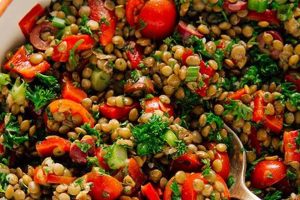
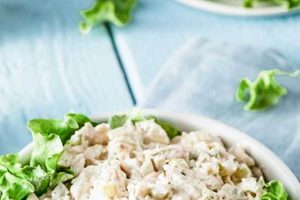
A top-tier tortellini salad typically features cooked, chilled tortellini pasta (cheese or meat-filled) combined with fresh vegetables, often including tomatoes, cucumbers, bell peppers, and red onion. A flavorful dressing, frequently vinaigrette-based or creamy, binds the ingredients together. Variations can incorporate olives, artichoke hearts, cheeses like feta or mozzarella, and cured meats such as salami or prosciutto.
An appealing aspect of this dish lies in its versatility. It can be served as a light main course, a refreshing side dish, or a crowd-pleasing contribution to potlucks and picnics. The ease of preparation and customization allows for adaptation to seasonal ingredients and individual preferences. This adaptability contributes to its enduring popularity. Furthermore, the combination of carbohydrates, protein, and fresh produce offers a relatively balanced nutritional profile.
The following sections will delve into specific ingredient recommendations, dressing options, tips for optimal preparation, and creative variations to elevate this classic dish.
Tips for an Exceptional Tortellini Salad
Achieving a truly delicious tortellini salad involves attention to detail. These guidelines offer insights into ingredient selection, preparation methods, and serving suggestions.
Tip 1: High-Quality Ingredients Make a Difference: Opt for fresh, flavorful produce and high-quality tortellini, whether fresh or dried. The foundation of a great salad lies in the quality of its components.
Tip 2: Cook Tortellini Al Dente: Slightly firm pasta holds its shape better in the salad and prevents a mushy texture. Follow package directions, being careful not to overcook.
Tip 3: Chill Thoroughly: Allowing the cooked tortellini and vegetables to chill completely before combining ensures a more refreshing final product and prevents the dressing from becoming watery.
Tip 4: Balance Flavors and Textures: Consider a variety of textures and tastes. Crisp vegetables complement the soft tortellini, while salty elements like olives or cured meats enhance the overall profile.
Tip 5: Dress Strategically: Add the dressing shortly before serving to prevent the salad from becoming soggy. Toss gently to coat evenly.
Tip 6: Customize for Preference: Adapt the recipe based on available ingredients and dietary needs. Experiment with different vegetables, proteins, cheeses, and dressings to create unique flavor combinations.
Tip 7: Garnish Thoughtfully: A simple garnish, such as fresh herbs or a sprinkle of grated cheese, elevates the presentation and adds an extra layer of flavor.
By following these guidelines, one can create a tortellini salad that is both flavorful and visually appealing. The result is a dish perfect for any occasion.
The following section offers some concluding thoughts on the versatility and enduring appeal of this culinary classic.
1. High-quality Tortellini

High-quality tortellini plays a crucial role in creating a superior tortellini salad. The tortellini itself serves as the foundation of the dish, impacting both the overall flavor and texture. Fresh tortellini, often found in the refrigerated section of grocery stores, offers a delicate texture and richer flavor compared to dried varieties. Its tender yet slightly firm consistency holds up well in the salad, preventing it from becoming mushy. The filling, whether cheese, meat, or a combination, contributes significantly to the overall taste profile. A superior filling, made with quality ingredients, elevates the salad from simple to exceptional. For instance, tortellini filled with ricotta and Parmesan provides a creamy, nuanced flavor, while a meat-filled variety adds a savory depth.
Conversely, using lower-quality tortellini can negatively impact the final product. Dried tortellini, while convenient, may have a denser, less pleasing texture. Fillings made with less premium ingredients can result in a bland or uninspired salad. Consider a cheese-filled tortellini where the cheese filling is primarily composed of inexpensive, processed cheese. This will lack the depth and richness of a filling made with fresh ricotta and Parmesan. The difference is noticeable in the final dish, impacting the overall dining experience.
The selection of high-quality tortellini demonstrates a commitment to using the best ingredients, directly influencing the overall quality of the salad. This understanding allows for informed decisions regarding ingredient selection, ensuring a more satisfying culinary outcome. While factors such as the dressing and accompanying vegetables are important, the tortellini remains a central component. Prioritizing its quality elevates the entire dish, transforming a simple pasta salad into a truly exceptional culinary creation.
2. Fresh, Vibrant Vegetables
The incorporation of fresh, vibrant vegetables is paramount in achieving a truly exceptional tortellini salad. These elements contribute not only crucial nutrients and textural complexity but also vibrant color and fresh flavors that balance the richness of the pasta and dressing. Their selection and preparation significantly impact the overall quality and appeal of the dish.
- Variety and Seasonality
A diverse array of vegetables introduces a spectrum of flavors and textures. Seasonal vegetables, chosen at their peak ripeness, offer optimal flavor and nutritional value. Summer salads might include ripe tomatoes, cucumbers, and bell peppers, while a spring version could showcase asparagus, peas, and spinach. This adaptability allows for continuous variation and ensures the freshest ingredients are utilized.
- Textural Contrast
The interplay of textures is essential for a satisfying culinary experience. Crisp vegetables, such as chopped bell peppers, celery, or raw broccoli florets, offer a refreshing contrast to the soft tortellini. This interplay creates a more dynamic and enjoyable mouthfeel, preventing the salad from becoming monotonous.
- Color and Visual Appeal
Vibrant colors enhance the visual presentation, making the salad more appetizing. A mix of colorful vegetables, like red tomatoes, green cucumbers, orange carrots, and purple onions, creates a visually stunning dish. This aesthetic appeal elevates the dining experience, stimulating appetite and enhancing enjoyment.
- Nutritional Value
Fresh vegetables contribute essential vitamins, minerals, and fiber, enhancing the nutritional profile of the salad. Incorporating a variety of vegetables ensures a broader range of nutrients. This nutritional boost transforms the salad into a more wholesome and balanced meal option.
The careful selection and preparation of fresh, vibrant vegetables elevate the tortellini salad from a simple pasta dish to a complex and satisfying culinary creation. The interplay of flavors, textures, colors, and nutritional benefits creates a harmonious balance, essential for achieving a truly exceptional tortellini salad. By prioritizing these elements, one can create a dish that is both visually appealing and nutritionally robust, a testament to the power of fresh, high-quality ingredients.
3. Balanced, Flavorful Dressing

A balanced, flavorful dressing is integral to a superlative tortellini salad. The dressing serves not merely as a coating but as a unifying element, harmonizing the diverse flavors and textures of the pasta, vegetables, and any additional components. An imbalanced dressing can overwhelm the delicate flavors of the tortellini and fresh produce, while a bland dressing fails to elevate the dish beyond its individual parts. The ideal dressing complements the other ingredients, enhancing their individual characteristics while contributing its own unique flavor profile.
Consider a classic vinaigrette. The right balance of acidity, sweetness, and oil is crucial. Too much vinegar creates an overly sharp dressing, masking the subtle flavors of the tortellini and vegetables. Insufficient vinegar results in a flat, oily dressing that lacks vibrancy. A touch of sweetness, often from a small amount of honey or maple syrup, balances the acidity and rounds out the flavor profile. Similarly, the type of oil influences the overall taste. A robust extra virgin olive oil adds a peppery note, while a lighter olive oil or avocado oil provides a more neutral base. Herbs and spices further enhance the complexity of the vinaigrette, contributing layers of flavor that complement the other ingredients. For example, fresh basil and oregano pair well with a tomato-based tortellini salad, while dill and chives enhance a salad featuring cucumbers and feta cheese.
Achieving a balanced, flavorful dressing requires careful consideration of the overall composition of the salad. The dressing should complement, not compete with, the other flavors present. A creamy dressing, for instance, might overwhelm a salad already rich with cheese and cured meats, while a light vinaigrette might be lost in a salad packed with robust vegetables. Understanding the interplay of flavors and textures within the salad allows for the creation of a dressing that enhances the overall experience, unifying the individual components into a harmonious whole. This balance is the hallmark of a truly exceptional tortellini salad, demonstrating a thoughtful approach to flavor composition and a commitment to culinary excellence.
4. Proper Chilling Technique

Proper chilling technique is essential for achieving a best tortellini salad recipe. Temperature management affects both food safety and the final dish’s overall quality. Chilling cooked tortellini rapidly prevents it from becoming sticky and overcooked. Spreading the pasta in a single layer on a baking sheet and placing it in the refrigerator facilitates quicker cooling. Similarly, chilling vegetables separately maintains their crispness and prevents them from becoming soggy in the salad. A failure to implement these chilling techniques results in a less appealing, potentially unsafe final product.
Consider the impact of temperature on a creamy dressing. A warm dressing thins, losing its ability to cling properly to the other ingredients. Furthermore, warm temperatures can encourage bacterial growth, posing food safety risks. Conversely, thoroughly chilling all components, including the dressing, before combining them creates a cohesive, flavorful, and safe salad. This attention to temperature control distinguishes a truly exceptional tortellini salad from a mediocre one. For instance, a salad with room-temperature ingredients and a warm, thin dressing lacks the refreshing, vibrant qualities of a properly chilled salad.
Optimal chilling techniques are crucial for maximizing food safety and preserving desirable textures and flavors. The difference between a chilled and room-temperature tortellini salad is significant. A well-chilled salad offers a refreshing contrast of temperatures and textures, highlighting the flavors of the individual components. Conversely, inadequate chilling leads to a less palatable, potentially unsafe dish. Therefore, proper chilling technique is not merely a suggestion but a critical step in achieving a best tortellini salad recipe, demonstrating a commitment to both quality and safety.
5. Creative Ingredient Combinations
Ingredient combinations significantly influence the potential of a tortellini salad to be considered among the best. While foundational elements like high-quality tortellini and a balanced dressing establish a strong base, creative ingredient combinations elevate the dish beyond the ordinary, introducing complexity and unique flavor profiles. Exploring these combinations provides insight into maximizing the culinary potential of this versatile salad.
- Expanding Beyond the Traditional
Classic tortellini salads often incorporate ingredients like tomatoes, cucumbers, and bell peppers. While these provide a refreshing foundation, exploring less conventional additions unlocks new dimensions of flavor. Consider incorporating roasted vegetables like sweet potatoes or zucchini for a caramelized sweetness and depth. Adding grilled or marinated artichoke hearts introduces a tangy, smoky complexity. These additions transform a standard tortellini salad into a more sophisticated and nuanced dish.
- Textural Exploration
Texture plays a crucial role in culinary enjoyment. A best tortellini salad engages multiple textures, creating a dynamic sensory experience. Toasted nuts, such as pine nuts or slivered almonds, provide a satisfying crunch. Adding crispy chickpeas or croutons introduces a contrasting texture to the soft tortellini and vegetables. Sun-dried tomatoes offer a chewy texture distinct from fresh tomatoes. These textural variations elevate the salad beyond a simple combination of ingredients.
- Flavor Harmonies and Contrasts
Flavor pairings significantly impact a dish’s overall appeal. A best tortellini salad balances complementary and contrasting flavors. For instance, pairing salty feta cheese with Kalamata olives and a lemon-herb vinaigrette creates a Mediterranean-inspired flavor profile. Incorporating cured meats like salami or prosciutto complements the richness of a cheese-filled tortellini. Balancing the sweetness of roasted vegetables with the tanginess of a balsamic vinaigrette creates a harmonious interplay of flavors.
- Seasonal Adaptations
Adapting ingredient combinations to seasonal availability ensures optimal freshness and flavor. A summer tortellini salad might feature ripe tomatoes, fresh basil, and grilled corn. An autumn version could incorporate roasted butternut squash, cranberries, and pecans. These seasonal variations not only maximize flavor but also showcase the versatility of the tortellini salad, demonstrating its adaptability throughout the year.
Creative ingredient combinations transform a basic tortellini salad into a memorable culinary experience. By exploring diverse flavors, textures, and seasonal ingredients, one can create a dish that is both satisfying and innovative. The thoughtful combination of ingredients elevates the tortellini salad to a higher culinary plane, distinguishing a truly best recipe from a merely satisfactory one.
Frequently Asked Questions
This section addresses common inquiries regarding the preparation and enjoyment of exceptional tortellini salad.
Question 1: What type of tortellini is best suited for salad?
Fresh tortellini, refrigerated or frozen, generally yields a superior texture compared to dried varieties when used in salads. Its tender yet firm consistency holds up well after cooking and chilling.
Question 2: Can dried tortellini be used?
While fresh tortellini is preferred, dried tortellini can be used. Ensure it is cooked al dente to prevent a mushy texture in the salad.
Question 3: How long can tortellini salad be stored?
Properly stored in an airtight container in the refrigerator, tortellini salad typically lasts for three to five days. Consume within this timeframe for optimal quality and safety.
Question 4: What dressings complement tortellini salad?
Vinaigrettes, particularly those with a lemon or balsamic base, often pair well. Creamy dressings, such as ranch or Italian, can also be suitable, though moderation is advised to prevent an overly rich salad.
Question 5: Can tortellini salad be prepared in advance?
The salad components, such as the cooked tortellini and chopped vegetables, can be prepared a day or two in advance and stored separately. Combine and dress the salad shortly before serving to maintain optimal texture and flavor.
Question 6: How can one prevent a soggy tortellini salad?
Ensure all ingredients, including the tortellini and vegetables, are thoroughly chilled before combining. Dress the salad just prior to serving to minimize the time the dressing sits on the ingredients. Avoid overdressing, as excess dressing can contribute to sogginess.
Understanding these aspects allows for greater control over the final product, ensuring a delicious and satisfying culinary experience. Proper ingredient selection, preparation, and storage contribute significantly to the overall quality and enjoyment of tortellini salad.
This concludes the frequently asked questions section. The following section offers some concluding thoughts and recipe variations.
Best Tortellini Salad Recipe
Achieving a truly exceptional tortellini salad involves a multifaceted approach. From the selection of high-quality tortellini to the careful balance of fresh vegetables and a complementary dressing, each element contributes to the overall success of the dish. Proper chilling techniques and creative ingredient combinations further enhance the final product. This exploration has highlighted the importance of quality ingredients, balanced flavors, and thoughtful preparation in crafting a tortellini salad that transcends the ordinary.
Culinary exploration extends beyond mere sustenance; it delves into the realm of sensory experience and creative expression. The pursuit of the best tortellini salad recipe represents a commitment to culinary excellence, an understanding of flavor dynamics, and an appreciation for the transformative power of fresh, high-quality ingredients. This pursuit encourages culinary innovation and a deeper engagement with the art of food preparation, ultimately enriching the dining experience.