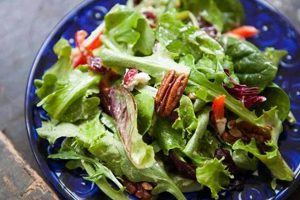
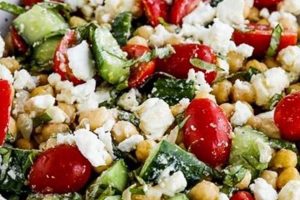
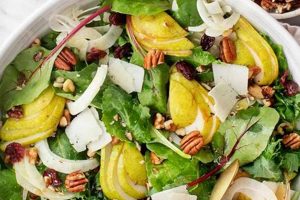
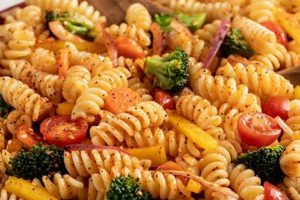
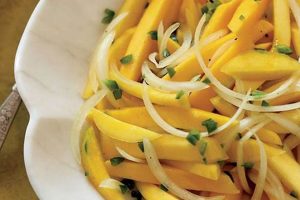
Hearty, satisfying salads featuring seasonal produce offer a welcome contrast to heavier winter meals. Examples include combinations of roasted root vegetables like beets and carrots with winter greens like kale or spinach, perhaps incorporating grains like farro or quinoa for added protein and texture. Citrus fruits, dried cranberries, toasted nuts, and crumbled cheeses provide bright flavors and interesting counterpoints. Warm dressings, such as a maple-Dijon vinaigrette or a citrus balsamic reduction, further enhance the appeal of these salads.
Consuming fresh produce during the colder months is vital for maintaining a balanced diet and boosting the immune system. Winter salads provide essential vitamins, minerals, and antioxidants, contributing to overall health and well-being. Historically, utilizing preserved or stored produce in salads during winter was a practical way to incorporate essential nutrients when fresh options were limited. The evolution of global food systems and improved agricultural practices has broadened the availability of fresh produce, enabling more creative and diverse winter salad options.
The following sections will explore specific seasonal ingredients, offer diverse recipe ideas suitable for various dietary needs, and provide practical tips for preparing delicious and nutritious winter salads.
Tips for Crafting Exceptional Winter Salads
Creating vibrant and satisfying winter salads involves thoughtful ingredient selection and preparation techniques. These tips offer guidance for maximizing flavor and nutritional value.
Tip 1: Embrace Seasonal Produce: Selecting in-season produce ensures optimal flavor and nutritional content. Look for root vegetables like carrots, parsnips, and beets, as well as winter greens like kale, spinach, and radicchio.
Tip 2: Roast for Depth: Roasting root vegetables intensifies their sweetness and adds a pleasant textural complexity to the salad. Toss them with olive oil, herbs, and spices before roasting until tender.
Tip 3: Incorporate Whole Grains: Adding cooked grains like quinoa, farro, or freekeh provides heartiness and boosts the protein and fiber content of the salad.
Tip 4: Add Crunch: Toasted nuts, seeds, or croutons provide a satisfying textural contrast to the softer elements of the salad.
Tip 5: Brighten with Citrus: Segments of oranges, grapefruits, or mandarins add a burst of freshness and acidity that balances the richness of other ingredients.
Tip 6: Don’t Forget Dried Fruits: Dried cranberries, apricots, or figs contribute sweetness and chewiness.
Tip 7: Choose the Right Dressing: A warm vinaigrette, such as a maple-Dijon or citrus balsamic, complements the flavors of winter produce beautifully.
Tip 8: Consider Cheese: Crumbled feta, goat cheese, or blue cheese adds a salty, tangy dimension.
By following these tips, one can create flavorful and nutritious salads that showcase the best of winter’s bounty.
The provided information empowers readers to experiment with various combinations and create personalized winter salads that meet individual dietary preferences and needs.
1. Seasonal Ingredients

The foundation of exceptional winter salads lies in the utilization of seasonal ingredients. Produce at peak ripeness offers superior flavor and nutritional value, contributing significantly to the overall quality of the dish. Exploring the nuances of seasonal produce provides valuable insight into crafting optimal winter salads.
- Root Vegetables
Root vegetables, such as beets, carrots, parsnips, and sweet potatoes, reach peak flavor during the winter months. Their earthy sweetness and vibrant colors add depth and complexity to salads. Roasting enhances their natural sugars, creating a caramelized flavor that complements other winter ingredients. Consider adding roasted beets and carrots to a salad with goat cheese and walnuts for a balanced flavor profile.
- Winter Greens
Hearty winter greens like kale, spinach, and radicchio offer a robust texture and a slightly bitter flavor that balances the sweetness of other components. These greens are packed with nutrients, contributing to the overall health benefits of the salad. Massaging kale with olive oil and lemon juice tenderizes its leaves and enhances its flavor.
- Citrus Fruits
Citrus fruits, including oranges, grapefruits, and mandarins, are abundant during winter. Their bright acidity and refreshing flavors provide a welcome contrast to richer ingredients. Citrus segments add visual appeal and a burst of freshness. A combination of grapefruit and avocado offers a complementary flavor and textural experience.
- Winter Squash
Varieties of winter squash, such as butternut, acorn, and kabocha, provide a creamy texture and a subtly sweet flavor. Roasting or pureeing these squashes creates a versatile base for winter salads, adding depth and complexity. Consider pairing roasted butternut squash with spinach, pecans, and a balsamic vinaigrette for a hearty and flavorful salad.
By thoughtfully incorporating these seasonal ingredients, winter salads transcend basic meal components, transforming into vibrant and flavorful culinary experiences that highlight the best of winter’s bounty. The interplay of textures, flavors, and colors creates a symphony of tastes that elevates the simple salad to a culinary masterpiece.
2. Hearty Textures

Achieving satisfying winter salads requires an understanding of textural interplay. Hearty textures provide a substantial foundation, contrasting with lighter elements and creating a more complete and enjoyable culinary experience. Building textural complexity elevates winter salads beyond simple meals into flavorful and satisfying culinary creations.
- Roasted Root Vegetables
Roasting root vegetables, such as carrots, parsnips, and sweet potatoes, not only intensifies their sweetness but also transforms their texture. The roasting process creates a tender interior while maintaining a slight chewiness on the exterior, adding a satisfying heartiness to the salad. This textural contrast enhances the overall eating experience.
- Winter Squash
Winter squash varieties, like butternut or kabocha, offer a naturally creamy texture, especially when roasted or pureed. This creaminess provides a satisfying counterpoint to crispier elements within the salad, such as raw greens or toasted nuts. The smooth texture of roasted squash adds a luxurious element to the overall composition.
- Whole Grains
Incorporating cooked whole grains, including quinoa, farro, or freekeh, introduces a chewy texture and contributes a substantial element to the salad. These grains absorb flavors from the dressing and other ingredients, creating a cohesive and satisfying blend of textures. Their presence elevates the salad from a light starter to a more complete meal.
- Nuts and Seeds
Adding toasted nuts and seeds, such as pecans, walnuts, or sunflower seeds, provides a crucial textural element crunch. This crispness contrasts beautifully with softer components like roasted vegetables and creamy dressings, enhancing the overall sensory experience. The variety of nuts and seeds available allows for diverse flavor and textural combinations.
The strategic combination of these hearty textures creates a multi-dimensional eating experience, crucial for satisfying winter salads. This interplay of textures, coupled with the flavors of seasonal ingredients, elevates the salad from a simple side dish to a fulfilling main course. The resulting textural complexity contributes significantly to the overall enjoyment and satisfaction derived from these winter culinary creations.
3. Balanced Flavors

Crafting exceptional winter salads hinges on achieving a harmonious balance of flavors. This balance ensures complexity and prevents any single flavor from dominating, resulting in a more nuanced and satisfying culinary experience. A well-balanced winter salad strategically incorporates contrasting yet complementary flavors, creating a symphony of tastes that elevates the dish beyond a simple combination of ingredients.
- Sweetness
Winter vegetables, such as roasted root vegetables and winter squash, offer a natural sweetness. This sweetness forms a foundational flavor element, providing a base upon which other flavors can build. The inherent sweetness of these vegetables is often enhanced through roasting, which caramelizes sugars and intensifies their flavor. This sweetness plays a key role in balancing the other flavor components, creating a more rounded and enjoyable taste experience. Examples include roasted butternut squash, sweet potatoes, or beets.
- Acidity
Acidity provides a crucial counterpoint to the sweetness of winter vegetables. Citrus fruits, such as oranges, grapefruits, and lemons, introduce a bright, tangy element that cuts through the richness of other ingredients. Vinegars in dressings also contribute acidity, enhancing the overall balance and complexity of the salad. This acidic element prevents the salad from becoming overly sweet and adds a refreshing dimension. A squeeze of lemon juice or a splash of apple cider vinegar in the dressing can provide the necessary acidity.
- Bitterness
Incorporating slightly bitter elements adds depth and complexity to winter salads. Winter greens like kale or radicchio contribute a subtle bitterness that balances the sweetness and acidity of other components. This bitterness adds another layer of flavor, preventing the salad from becoming one-dimensional. The slight bitterness of these greens complements the other flavors, creating a more nuanced and interesting flavor profile.
- Saltiness and Umami
Saltiness and umami round out the flavor profile of winter salads. Ingredients like cheese, nuts, and cured meats provide these savory notes, balancing the sweetness, acidity, and bitterness. These elements enhance the overall complexity of the salad, making it more satisfying and palatable. A sprinkle of feta cheese, a handful of toasted walnuts, or a few slices of prosciutto can provide the necessary saltiness and umami.
The interplay of these flavor components sweetness, acidity, bitterness, saltiness, and umami is fundamental to crafting balanced and delicious winter salads. The careful consideration of these flavors ensures a harmonious blend that elevates the dish from a simple combination of ingredients to a complex and satisfying culinary experience. By strategically incorporating these elements, winter salads become not only nutritious but also a celebration of diverse and complementary flavors.
4. Warm Dressings
Warm dressings play a crucial role in elevating winter salads from simple meals to comforting and flavorful experiences. Their elevated temperature offers a welcome contrast to the chilled ingredients, enhancing the overall sensory experience. This warmth also amplifies the flavors of the dressing, creating a more nuanced and satisfying taste profile. The inherent flavors of winter produce, often earthy and robust, benefit significantly from the melding and marrying effect of a warm dressing. For example, a warm bacon vinaigrette drizzled over roasted root vegetables and kale creates a cohesive and satisfying dish, where the warmth of the dressing enhances the sweetness of the vegetables and softens the bitterness of the kale. A warm maple-Dijon vinaigrette complements the flavors of roasted squash and pecans, unifying the disparate ingredients into a harmonious whole.
The practical significance of using warm dressings extends beyond enhancing flavor. Warm dressings can gently wilt heartier greens, making them more palatable and easier to digest. They can also melt cheeses, adding another layer of richness and texture to the salad. Consider a warm goat cheese dressing drizzled over roasted beets and spinach: the warmth softens the goat cheese, creating a creamy element that coats the other ingredients, and slightly wilts the spinach, enhancing its texture and making it more receptive to the other flavors. The ability of warm dressings to unify disparate ingredients and create a cohesive culinary experience makes them an essential component of the best winter salad recipes. Their transformative effect extends beyond mere flavor enhancement, contributing to the overall texture, temperature, and enjoyment of the dish.
Warm dressings are an integral component of crafting optimal winter salads, not merely an optional addition. Their ability to enhance flavor, unify ingredients, and transform textures makes them essential for creating truly satisfying and memorable culinary experiences during colder months. The interplay of temperature and flavor achieved through the use of warm dressings significantly elevates the simple salad to a culinary creation that embodies the essence of winter comfort food. Understanding the vital role of warm dressings unlocks the potential for creating truly exceptional winter salads.
5. Nutrient Density

Nutrient density forms a cornerstone of winter salad excellence. Consuming nutrient-rich foods during colder months supports immune function and overall well-being, making nutrient density a critical factor in “best salad recipes for winter.” Winter often brings increased susceptibility to illness; thus, maximizing nutrient intake through diet becomes particularly crucial. Salads crafted with nutrient-dense ingredients offer a proactive approach to health maintenance during this time. For instance, a salad combining kale (rich in vitamins A, C, and K), roasted sweet potatoes (providing vitamin A and fiber), and pomegranate seeds (offering antioxidants) delivers a concentrated dose of essential nutrients. This focus on nutrient density elevates winter salads from mere meals to potent contributors to health and wellness.
The link between nutrient density and optimal winter salads extends beyond simply including fruits and vegetables. Thoughtful ingredient pairings maximize nutrient absorption and bioavailability. Combining vitamin C-rich foods (like citrus fruits) with iron-rich ingredients (like spinach) enhances iron absorption. Adding healthy fats, such as avocado or nuts, improves the absorption of fat-soluble vitamins like A, D, E, and K. Practical applications of this understanding include pairing orange segments with a spinach salad or adding slivered almonds to a kale and roasted butternut squash salad. These strategic combinations ensure that the nutrients present in the salad are effectively utilized by the body, maximizing their health benefits. Incorporating a variety of colorful produce also ensures a broader spectrum of vitamins and minerals.
Prioritizing nutrient density in winter salads offers significant, tangible benefits. Enhanced immune function, increased energy levels, and improved overall health contribute to a better quality of life during colder months. While challenges such as limited access to certain fresh produce may arise, focusing on readily available seasonal ingredients and employing smart pairing strategies can mitigate these limitations. Understanding the vital role of nutrient density elevates winter salad preparation beyond a culinary exercise; it becomes a proactive strategy for maintaining health and vitality throughout the season. This awareness transforms the “best salad recipes for winter” into more than just delicious mealsthey become essential components of a health-conscious winter diet.
Frequently Asked Questions about Winter Salads
This section addresses common inquiries regarding the creation of optimal winter salads, offering practical solutions and clarifying potential misconceptions.
Question 1: How can winter salads be made as satisfying as warmer meals?
Incorporating roasted root vegetables, hearty winter greens, cooked grains, and protein sources like beans, lentils, or grilled chicken or fish ensures satiety. Warm dressings also contribute to a more satisfying meal.
Question 2: Are winter salads expensive to make given the seasonality of produce?
Utilizing cost-effective seasonal produce like cabbage, carrots, and potatoes, along with frozen or canned options, can create budget-friendly winter salads. Exploring local farmers’ markets may also offer affordable seasonal options.
Question 3: Can winter salads accommodate dietary restrictions?
Absolutely. Winter salads are highly adaptable. Vegan options can incorporate plant-based proteins like tofu or tempeh. Gluten-free versions utilize quinoa or rice instead of other grains. Adjustments to dressings and toppings cater to various dietary needs.
Question 4: What are effective strategies for preventing winter salads from becoming soggy?
Adding dressings just before serving prevents sogginess. Storing dressings separately and assembling the salad immediately before consumption preserves the crispness of ingredients. Heartier greens like kale hold up better than more delicate lettuces.
Question 5: How can one maintain variety in winter salads to avoid monotony?
Rotating seasonal ingredients, experimenting with different dressings and toppings, and exploring diverse flavor combinations prevent monotony. Incorporating different textures, like roasted nuts, seeds, or dried fruits, also adds variety.
Question 6: What are suitable storage methods for prepared winter salad components?
Storing roasted vegetables, cooked grains, and dressings separately in airtight containers in the refrigerator maximizes freshness and prevents premature spoilage. Consume prepared components within a few days for optimal quality.
Creating delicious and nutritious winter salads relies on informed choices and practical techniques. Addressing these common concerns empowers individuals to embrace winter salads as a versatile and healthful meal option.
The following section provides a collection of “best salad recipes for winter,” showcasing practical applications of the information presented thus far.
Best Salad Recipes for Winter
Exploration of optimal winter salad creation reveals the significance of seasonal ingredients, balanced flavors, hearty textures, and warm dressings. Nutrient density emerges as a critical factor, underlining the potential of winter salads to contribute significantly to well-being during colder months. Strategic ingredient selection and preparation techniques maximize flavor and nutritional value, transforming simple salads into satisfying meals. Addressing common concerns regarding cost, dietary restrictions, and ingredient storage empowers individuals to embrace winter salads as a versatile and healthful culinary option.
Culinary innovation utilizing seasonal produce allows winter salads to transcend their traditional role as mere side dishes, becoming vibrant centerpieces of healthy winter meals. This approach fosters not only culinary enjoyment but also proactive health maintenance during a season often characterized by increased vulnerability to illness. Continued exploration of winter produce and creative recipe development promises a future rich with flavorful and nutritious salad options.