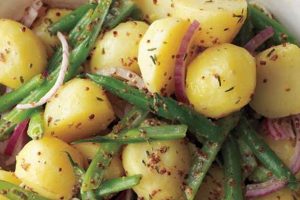
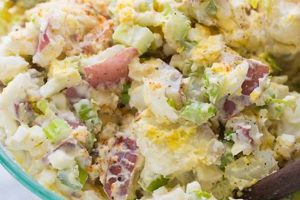
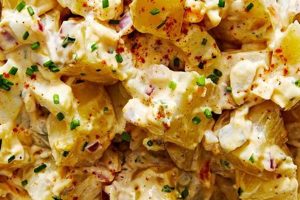
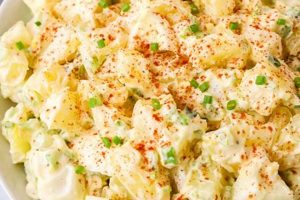
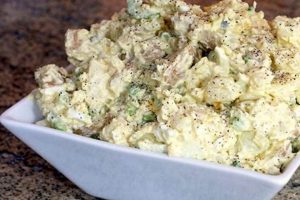
Superior examples of this dish typically feature cooked potatoes, often waxy varieties, combined with a vinegar-based dressing rather than mayonnaise. Common additions include onions, bacon, and sometimes mustard or pickles, contributing to a tangy, savory flavor profile. Regional variations exist, reflecting diverse culinary traditions within Germany.
This classic dish holds cultural significance in Germany, often appearing at festive gatherings and family meals. Its popularity stems from its satisfying heartiness, balanced flavors, and adaptability to different seasons and palates. The reliance on readily available ingredients further cemented its status as a staple. Understanding the nuances of ingredient selection and preparation techniques is essential for achieving authentic results.
The following sections will delve into specific recipe variations, exploring the diverse approaches to creating this beloved culinary tradition. Topics covered will include regional adaptations, ingredient substitutions, and tips for achieving optimal flavor and texture.
Tips for Exceptional German Potato Salad
Achieving authentic flavor and texture requires attention to detail throughout the preparation process. The following tips offer guidance for creating a superior German potato salad.
Tip 1: Potato Selection: Opt for waxy potatoes, such as Yukon Gold or red potatoes, as they hold their shape better after cooking and absorb the dressing more effectively. Avoid starchy potatoes like russets.
Tip 2: Cooking Technique: Cook potatoes until tender but not mushy. Slightly undercooking is preferable, as the potatoes will continue to soften as they absorb the warm dressing.
Tip 3: Dressing Preparation: While the potatoes are still warm, combine them with the vinegar-based dressing. This allows for better absorption of flavors.
Tip 4: Bacon Incorporation: Render bacon until crispy and reserve the rendered fat. Incorporate both the bacon bits and some of the fat into the salad for enhanced flavor.
Tip 5: Onion Preparation: Thinly slice or finely dice onions to minimize harshness. Briefly sauting the onions before adding them to the salad can mellow their flavor.
Tip 6: Balancing Flavors: Achieve a balance of tanginess from the vinegar, saltiness from the bacon and/or broth, and sweetness from a touch of sugar if desired.
Tip 7: Resting Period: Allow the salad to rest for at least 30 minutes, or preferably longer, to allow the flavors to meld. This step is crucial for optimal flavor development.
By following these tips, one can elevate German potato salad from a simple side dish to a culinary highlight. Careful attention to ingredient selection, cooking methods, and flavor balancing ensures a truly authentic and satisfying experience.
The following section will offer variations on this classic recipe, providing inspiration for culinary exploration and adaptation.
1. Waxy Potatoes

Waxy potatoes play a crucial role in achieving the desired texture and flavor balance in high-quality German potato salad. Their lower starch content compared to starchy potatoes (like russets) allows them to retain their shape during cooking and absorb the warm vinegar-based dressing without becoming mushy. This characteristic is essential for maintaining the distinct texture of the salad, preventing it from turning into a gluey consistency. The firm texture of waxy potatoes also provides a pleasant contrast to the other ingredients, such as crispy bacon and tender onions. Varieties like Yukon Gold and red potatoes exemplify the ideal waxy texture for this application. Using starchy potatoes would result in a significantly different, and less desirable, outcome.
The choice of waxy potatoes directly influences the success of the dish. Their ability to absorb the dressing while retaining their shape ensures that each bite delivers a harmonious blend of flavors and textures. Consider a scenario where starchy potatoes are used: the salad becomes overly soft, the dressing is not absorbed effectively, and the overall experience is compromised. Conversely, employing waxy potatoes guarantees a pleasant mouthfeel, with individual potato pieces holding their form and contributing to a well-defined salad structure. This structural integrity enhances the visual appeal and allows the other ingredients to shine without being overshadowed by a dominant starchy base.
Selecting the appropriate potato variety is paramount for achieving an authentic and enjoyable German potato salad. Waxy potatoes provide the necessary structural foundation, enabling the absorption of flavors while maintaining a desirable texture. This understanding empowers culinary practitioners to make informed decisions, ensuring a successful and satisfying outcome. The contrast between using waxy versus starchy potatoes underscores the practical significance of ingredient selection and its direct impact on the final product.
2. Warm Vinegar Dressing
Warm vinegar dressing distinguishes German potato salad from other variations, contributing significantly to its characteristic tangy flavor and optimal texture. The warmth of the dressing facilitates absorption into the potatoes, ensuring even distribution and enhancing the melding of flavors. This crucial element elevates the dish beyond a simple combination of ingredients, transforming it into a cohesive and flavorful experience.
- Temperature Influence:
The temperature of the dressing plays a vital role in flavor development and potato texture. A warm dressing allows the potatoes to absorb the vinegar, seasonings, and other flavor components more effectively. This warm infusion enhances the overall taste and prevents the salad from becoming bland or dry. Conversely, a cold dressing sits on the surface of the potatoes, hindering proper flavor integration.
- Flavor Infusion:
The warm vinegar acts as a carrier for the other ingredients in the dressing, such as onions, bacon, and herbs. The heat helps release the aromatic compounds from these ingredients, infusing the potatoes with a more complex and nuanced flavor profile. This infusion creates a harmonious blend of tastes that distinguishes German potato salad.
- Texture Enhancement:
Introducing a warm dressing to the potatoes gently softens them without overcooking. This process creates a tender yet firm texture, the hallmark of a well-made German potato salad. The warm vinegar also helps to bind the other ingredients, creating a cohesive salad that holds together without being mushy.
- Acid-Base Balance:
The acidity of the vinegar balances the richness of the potatoes and other ingredients like bacon. This balance prevents the salad from being overly heavy or greasy, contributing to a refreshing and satisfying culinary experience. The warmth of the dressing enhances the perception of the acidity, making it more pronounced and enjoyable.
The interplay of these factorstemperature influence, flavor infusion, texture enhancement, and acid-base balancedemonstrates the critical role of a warm vinegar dressing in crafting exceptional German potato salad. This understanding allows for informed adjustments and adaptations, empowering culinary enthusiasts to achieve optimal results and appreciate the nuanced interplay of flavors and textures in this classic dish.
3. Crispy Bacon

Crispy bacon contributes significantly to the overall sensory experience of top-tier German potato salad, providing a textural and flavor contrast that elevates the dish beyond a simple potato salad. The crisp texture juxtaposes the soft potatoes, creating a dynamic mouthfeel. Furthermore, the rendered bacon fat infuses the dressing and potatoes with a rich, smoky flavor that complements the tangy vinegar and other seasonings. This interplay of textures and flavors is a hallmark of authentic German potato salad.
The preparation method of the bacon directly impacts the final result. Bacon cooked until perfectly crisp offers optimal textural contrast and flavor release. Conversely, undercooked bacon results in a chewy texture and less pronounced flavor contribution. Overcooked bacon, while still flavorful, can become brittle and lose its desirable textural impact. Therefore, achieving the ideal crispness is essential for maximizing the bacon’s contribution to the overall dish. The rendered fat, often incorporated into the dressing, also plays a crucial role, imbuing the salad with a smoky depth. Omitting the bacon or using a substitute significantly alters the flavor profile, demonstrating its integral role in defining the dish’s character. Consider a variation without bacon: the salad might lack the savory depth and textural complexity that the bacon provides.
Achieving crispy bacon requires attention to cooking technique. Evenly distributed heat and careful monitoring ensure uniform crispness. Draining the cooked bacon on paper towels removes excess grease, preserving its crisp texture. Integrating both the crispy bacon pieces and a portion of the rendered fat into the warm potato salad amplifies the smoky flavor and creates a cohesive, satisfying dish. This understanding of the bacon’s role, from preparation to incorporation, highlights its essential contribution to achieving a truly exceptional German potato salad. The difference between using crispy bacon versus a substitute or omitting it altogether underscores the practical significance of this ingredient in shaping the final product’s quality.
4. Subtle Onion
The role of onion in top-tier German potato salad extends beyond mere inclusion; it requires a nuanced approach to preparation and incorporation. Rather than a dominant flavor, onion provides a subtle aromatic backdrop that enhances the overall composition. Achieving this subtlety requires careful consideration of onion variety, preparation methods, and balancing its presence with other ingredients.
- Variety Selection:
The choice of onion variety influences the final flavor profile. Milder onions, such as yellow or white onions, are generally preferred over stronger varieties like red onion. Their subtler flavor harmonizes with the other ingredients without overpowering the delicate balance of the salad. Stronger onions can introduce a pungent or sharp taste that detracts from the overall experience.
- Preparation Methods:
Thinly slicing or finely dicing the onion minimizes its textural impact and allows for even distribution throughout the salad. Furthermore, techniques like briefly sauting or soaking the sliced onions in warm water can mellow their flavor, preventing raw onion from dominating the taste. These preparation steps contribute to the onion’s subtle integration into the dish.
- Balancing Flavors:
The quantity of onion used should complement, not overpower, the other ingredients. Too much onion can create an imbalance, whereas the correct amount provides a delicate aromatic layer that enhances the overall flavor profile. The objective is to create a harmonious blend where the onion’s presence is noticeable but not overwhelming. This balance allows the other flavors, such as the tangy vinegar and smoky bacon, to shine.
- Flavor Integration:
The subtle onion flavor melds with the warm vinegar dressing, infusing the potatoes and other ingredients with its aromatic notes. This integration creates a complex flavor profile where individual components contribute to a unified whole. The onion’s role is not to stand out but to enhance the overall sensory experience.
The careful consideration of onion variety, preparation methods, and balanced incorporation underscores the significance of subtlety in crafting exceptional German potato salad. This nuanced approach ensures that the onion contributes positively to the overall flavor profile without overpowering other key ingredients. The difference between a subtly integrated onion and a raw, overpowering one highlights the impact of proper technique on the final product. This understanding empowers culinary practitioners to make informed decisions, optimizing the role of onion in achieving a harmonious and flavorful German potato salad.
5. Balanced Seasonings
Balanced seasonings are essential for achieving an exceptional German potato salad. The interplay of salt, pepper, sugar, and acidity defines the overall flavor profile, distinguishing a truly great salad from a mediocre one. Understanding the role of each seasoning and how they interact is crucial for achieving a harmonious balance.
- Salt:
Salt enhances the natural flavors of the potatoes and other ingredients. It provides a foundational seasoning that balances the acidity of the vinegar and the richness of the bacon. Too little salt results in a bland salad, while too much overpowers the other flavors. The correct amount of salt amplifies the overall taste experience without being dominant.
- Pepper:
Freshly ground black pepper adds a subtle layer of complexity. It provides a mild spice that complements the other seasonings without overwhelming the palate. The amount of pepper used should be judicious, enhancing the overall flavor profile rather than dominating it. Pre-ground pepper often lacks the vibrancy and depth of freshly ground peppercorns.
- Sugar:
A small amount of sugar balances the tanginess of the vinegar, creating a more rounded flavor profile. This subtle sweetness enhances the other flavors without making the salad overtly sweet. The judicious use of sugar contributes to the overall harmony of the dish.
- Acidity:
Vinegar provides the characteristic tanginess that defines German potato salad. The type of vinegar used, such as white wine vinegar or apple cider vinegar, can influence the overall flavor profile. Balancing the acidity with other seasonings like salt and sugar is crucial for achieving a harmonious and refreshing taste.
The interplay of these seasonings creates a complex flavor profile that elevates German potato salad. Achieving the right balance is essential for a successful dish. Too much of any one seasoning can disrupt the harmony, while too little results in a bland and uninspired salad. The careful consideration of each seasoning’s contribution and their interaction ensures a flavorful and balanced final product, highlighting the importance of balanced seasonings in creating a truly exceptional German potato salad.
6. Adequate Resting Time
Adequate resting time is a crucial element often overlooked in achieving optimal German potato salad quality. This period allows the flavors to meld and the potatoes to fully absorb the dressing, resulting in a more cohesive and flavorful dish. Understanding the impact of resting time is essential for achieving superior results and distinguishes truly exceptional potato salad.
- Flavor Development:
Resting allows the complex interplay of flavors from the vinegar, onions, bacon, and seasonings to fully develop. The initially distinct flavors harmonize during this period, creating a more nuanced and balanced taste profile. This melding of flavors is essential for a well-rounded and mature flavor experience. A freshly made salad, while palatable, lacks the depth achieved through resting.
- Texture Refinement:
Resting allows the potatoes to absorb the dressing more completely, resulting in a more tender and flavorful texture. The potatoes continue to soften gently as they absorb the dressing, achieving optimal texture without becoming mushy. This gradual softening enhances the overall mouthfeel and creates a more cohesive salad structure. A salad without sufficient resting time may have unevenly dressed potatoes and a less desirable texture.
- Temperature Equilibrium:
Resting allows the salad to reach a consistent temperature throughout, which further enhances flavor perception and enjoyment. Serving the salad immediately after preparation can result in uneven temperatures, affecting the balance of flavors. A uniformly cooled salad offers a more pleasant and consistent eating experience. The cooling process also allows the flavors to settle and intensify.
- Enhanced Serving Quality:
A rested salad presents better, holds its shape more effectively, and offers a superior overall culinary experience. The flavors have had time to meld, the textures have refined, and the temperature has equilibrated, resulting in a more visually appealing and enjoyable dish. This attention to detail elevates the salad from a simple side to a culinary highlight.
The significance of adequate resting time in crafting exceptional German potato salad should not be underestimated. It represents a crucial step that allows the flavors and textures to fully develop, resulting in a superior culinary experience. The differences between a freshly made salad and one that has been allowed to rest highlight the essential role of time in achieving optimal quality. This understanding empowers culinary practitioners to prioritize resting time as an integral part of the preparation process.
7. Regional Variations

Regional variations play a significant role in the diverse landscape of German potato salad recipes. Exploring these variations provides insight into the culinary traditions of different German regions, highlighting the adaptability of this classic dish and the nuanced interpretations of “best.” Each region’s approach reflects local preferences and ingredient availability, contributing to a rich tapestry of potato salad experiences.
- Bavarian Potato Salad:
Bavarian potato salad often incorporates broth into the dressing, creating a warmer, richer flavor profile compared to vinegar-heavy variations. This regional adaptation typically features less vinegar and sometimes includes ingredients like caraway seeds or nutmeg. The use of broth reflects a preference for heartier flavors, aligning with the region’s culinary traditions. This variation demonstrates how regional preferences can significantly influence the interpretation of a classic dish.
- Swabian Potato Salad:
Swabian potato salad distinguishes itself through the use of both vinegar and oil in the dressing, creating a smoother, less acidic flavor profile. This regional adaptation often incorporates finely diced onions and sometimes includes bacon or sausages. The combination of vinegar and oil creates a more emulsified dressing, showcasing a different textural experience compared to strictly vinegar-based dressings. This variation highlights how regional approaches can lead to unique textural and flavor combinations.
- Rhineland Potato Salad:
Rhineland potato salad typically emphasizes a tangy vinegar-based dressing and often includes apples or gherkins, providing a sweet and sour contrast. This regional adaptation sometimes incorporates mustard, adding another layer of complexity to the flavor profile. The inclusion of apples or gherkins introduces a contrasting sweetness and acidity, demonstrating regional preferences for balancing flavors. This approach exemplifies how regional variations can incorporate unique ingredients to achieve specific flavor profiles.
- Berlin Potato Salad:
Berlin potato salad traditionally features a simple vinegar and oil dressing with a prominent use of dill, contributing a fresh, herbaceous flavor. This regional adaptation often includes bacon and onions, providing a savory counterpoint to the dill. The emphasis on dill distinguishes this variation, showcasing how regional preferences for specific herbs can influence the overall flavor profile. This approach underscores the importance of fresh herbs in defining regional variations.
These regional variations demonstrate the adaptability of German potato salad and the diverse interpretations of “best.” Each variation reflects local culinary traditions and preferences, highlighting the rich and nuanced landscape of this classic dish. Exploring these regional adaptations provides valuable insights into the diverse approaches to crafting German potato salad and expands the understanding of what constitutes an exceptional culinary experience within different German communities. By understanding these regional nuances, one gains a deeper appreciation for the versatility and enduring appeal of German potato salad.
Frequently Asked Questions
This section addresses common inquiries regarding the preparation of exceptional German potato salad, offering clarity and guidance for achieving optimal results.
Question 1: What type of potato is best suited for German potato salad?
Waxy potatoes, such as Yukon Gold or red potatoes, are ideal due to their ability to hold their shape after cooking and absorb the dressing effectively. Starchy potatoes should be avoided.
Question 2: Why is it important to use a warm vinegar dressing?
A warm dressing facilitates better absorption of flavors into the potatoes, creating a more harmonious blend of tastes and textures. Cold dressings hinder proper flavor integration.
Question 3: How does bacon contribute to the overall flavor profile?
Crispy bacon provides a savory, smoky flavor and textural contrast. The rendered bacon fat further enhances the dressing’s richness and depth.
Question 4: Can the onion be omitted or substituted?
While technically possible, omitting onion diminishes the complexity of the flavor profile. If necessary, a milder variety like shallot can be substituted, though it alters the traditional taste.
Question 5: What is the role of sugar in the dressing?
Sugar balances the tanginess of the vinegar, creating a more rounded and balanced flavor profile. It is used sparingly to avoid excessive sweetness.
Question 6: How long should the salad rest before serving?
A resting period of at least 30 minutes, and preferably longer, allows the flavors to meld and the potatoes to fully absorb the dressing, resulting in a more cohesive and flavorful dish.
Understanding these key aspects contributes significantly to the successful preparation of German potato salad. Careful attention to ingredient selection, preparation techniques, and flavor balancing ensures an authentic and enjoyable culinary experience.
The following section will offer a selection of recommended recipes, providing practical examples for creating this classic dish.
Best German Potato Salad Recipes
Exceptional German potato salad hinges on a careful selection of ingredients and precise execution of techniques. Waxy potatoes, a warm vinegar-based dressing, crispy bacon, subtle onion, and balanced seasonings are essential components. Allowing adequate resting time for flavor development is crucial. Regional variations, such as Bavarian and Swabian potato salad, further showcase the adaptability of this classic dish. Understanding these elements allows for informed adaptations and ensures a superior culinary experience.
Mastery of German potato salad lies not just in following a recipe, but in understanding the nuanced interplay of flavors and textures. This exploration of essential elements provides a foundation for culinary experimentation and appreciation of this timeless dish, encouraging further exploration of regional adaptations and personal interpretations. The pursuit of the “best” German potato salad is an ongoing culinary journey, rich with tradition and individual expression.