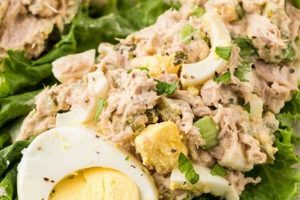
A superior egg salad sandwich involves a balanced interplay of ingredients and techniques. It’s characterized by perfectly cooked eggs, a creamy yet not overly rich dressing, and complementary additions that enhance the overall flavor profile. For instance, a classic rendition might include finely chopped hard-boiled eggs, mayonnaise, mustard, celery, onion, salt, and pepper, served on lightly toasted bread.
Achieving this culinary ideal offers numerous advantages. A well-executed egg salad sandwich provides a satisfying and protein-rich meal or snack. Its versatility shines through in various settings, from a quick lunch to a picnic centerpiece. Historically, egg salad has evolved from elaborate composed salads featuring luxurious ingredients to the more accessible sandwich format we know today, reflecting changing culinary trends and ingredient availability.
This exploration will delve into the nuances of crafting exceptional egg salad sandwiches, covering topics such as egg cooking methods, dressing variations, bread choices, and innovative additions to elevate this classic dish.
Tips for an Exceptional Egg Salad Sandwich
Elevating egg salad to a culinary masterpiece involves attention to detail and a few key techniques. The following tips offer guidance on crafting a sandwich that surpasses the ordinary.
Tip 1: Perfect Egg Cooking: Achieving ideal texture and flavor begins with properly cooked eggs. Overcooked yolks result in a dry, crumbly salad. Aim for a firm yet still moist yolk by simmering eggs for 8-10 minutes, followed by an immediate ice bath to halt the cooking process.
Tip 2: Dressing Mastery: Mayonnaise serves as the foundation, but its richness can be balanced with tangy elements like Dijon mustard, lemon juice, or a touch of vinegar. Experiment with different ratios to find a preferred flavor profile.
Tip 3: Texture Enhancement: Finely diced celery and red onion offer a satisfying crunch. Consider incorporating other textural elements like chopped water chestnuts or crumbled bacon.
Tip 4: Seasoning Precision: Salt and freshly ground black pepper are essential. A pinch of paprika or cayenne pepper can add depth and complexity.
Tip 5: Bread Selection: The bread acts as a canvas for the egg salad. Choose a sturdy bread that can hold the filling without becoming soggy. Toasted bread provides added texture and prevents moisture absorption.
Tip 6: Fresh Herbs: Incorporating fresh herbs like dill, chives, or parsley elevates the flavor profile and adds a touch of freshness.
Tip 7: Mindful Ingredient Ratios: Strive for a balance between the eggs, dressing, and other additions. Too much dressing can result in a soggy sandwich, while too little can make it dry.
By following these tips, one can create an egg salad sandwich that is both flavorful and texturally satisfying. The combination of perfectly cooked eggs, a well-balanced dressing, and thoughtfully chosen additions results in a truly exceptional culinary experience.
These techniques, combined with personal preferences, provide a pathway to crafting the ultimate egg salad sandwich experience.
1. High-quality Ingredients

The pursuit of a truly exceptional egg salad sandwich begins with a commitment to high-quality ingredients. Ingredient selection directly impacts the final flavor, texture, and overall enjoyment of the sandwich. Subpar components yield a mediocre result, while superior ingredients elevate the sandwich to a culinary delight.
- Fresh Eggs:
Fresh, high-quality eggs possess rich yolks and firm whites, contributing significantly to both flavor and texture. Farm-fresh eggs, often with deep orange yolks, offer a noticeable difference in taste compared to standard supermarket eggs. Their superior quality translates to a more vibrant and flavorful egg salad filling.
- Mayonnaise Selection:
Mayonnaise serves as the binder and flavor base of the egg salad. Opting for a high-quality mayonnaise, ideally made with real eggs and oil, dramatically affects the overall taste. Avoid low-fat or imitation mayonnaises, as these often compromise flavor and texture. Consider exploring artisanal or flavored mayonnaises for unique flavor profiles.
- Fresh Produce:
Additions like celery, onion, and herbs contribute texture and complexity. Using fresh, crisp produce enhances the overall sensory experience. Wilted or aged produce detracts from the final product. Consider the seasonality of ingredients for optimal flavor.
- Bread Choice:
The bread acts as more than just a vessel; it plays a crucial role in the overall enjoyment. Fresh, high-quality bread, whether a classic white loaf, whole wheat, or a croissant, complements the egg salad filling. Stale or low-quality bread diminishes the overall experience. Consider the bread’s texture and flavor compatibility with the filling.
The synergy between these high-quality ingredients results in a superior egg salad sandwich. The nuanced flavors of fresh eggs, combined with a premium mayonnaise, crisp produce, and flavorful bread, create a harmonious and satisfying culinary experience. Investing in quality components elevates the simple egg salad sandwich from ordinary to extraordinary.
2. Precise Egg Cooking

Precise egg cooking stands as a cornerstone of a superior egg salad sandwich. The difference between a perfectly cooked egg and an overcooked one translates directly to the final product’s texture and overall palatability. Properly cooked eggs, with yolks that are firm yet still slightly yielding, create a creamy, rich filling. Overcooked eggs, characterized by dry, crumbly yolks, result in a chalky, less desirable texture. This textural discrepancy profoundly impacts the sensory experience of the sandwich.
Consider two scenarios: In the first, eggs are simmered for the precise duration, resulting in a moist, vibrant yolk. When incorporated into the salad, these eggs bind effectively with the other ingredients, creating a smooth, cohesive mixture. In the second scenario, eggs are overcooked. Their dry yolks crumble excessively during chopping and fail to meld seamlessly with the dressing and other components, leading to a coarse, disjointed texture. This direct cause-and-effect relationship between cooking time and final texture underscores the importance of precision.
The practical significance of mastering egg cooking techniques cannot be overstated. Achieving optimal yolk consistency ensures not only the desired texture but also impacts flavor release. A perfectly cooked yolk contributes a richer, more pronounced egg flavor, enhancing the overall taste of the sandwich. While seemingly a minor detail, precise egg cooking significantly contributes to the overall success of the recipe, demonstrating its crucial role in crafting a truly exceptional egg salad sandwich. Challenges may arise in achieving consistency, but employing techniques like ice baths and timers mitigates these issues. This attention to detail elevates the final product from merely acceptable to genuinely outstanding.
3. Balanced Flavor Profile
A balanced flavor profile stands as a defining characteristic of a superior egg salad sandwich. This balance hinges on a harmonious interplay of dominant and supporting flavors, resulting in a nuanced and satisfying culinary experience. The absence of balance, whether due to an overabundance of one ingredient or the lack of complementary flavors, diminishes the sandwich’s appeal. A well-crafted egg salad avoids extremes, ensuring no single element overshadows the others. For example, an overemphasis on mayonnaise results in an overly rich, cloying sandwich, while insufficient seasoning leads to blandness. A properly balanced recipe allows the inherent flavors of the eggs to shine through, complemented by the subtle nuances of other ingredients.
The interplay between core components and supporting elements contributes significantly to this balance. Eggs and mayonnaise serve as the foundation, providing a creamy, savory base. Acidity, derived from ingredients like mustard, vinegar, or lemon juice, cuts through the richness, preventing the sandwich from becoming overly heavy. Textural contrast, introduced through finely diced celery or red onion, provides a refreshing counterpoint to the creamy filling. These additions, while seemingly minor, play a crucial role in establishing complexity and preventing flavor monotony. Consider a classic egg salad featuring Dijon mustard: its subtle tang balances the richness of the mayonnaise and eggs, enhancing the overall flavor profile. Alternatively, incorporating chopped chives or fresh dill introduces herbal notes that further elevate the complexity, demonstrating the practical application of flavor balancing principles.
Achieving this balance requires careful consideration of ingredient ratios and a nuanced understanding of flavor interactions. While a standard recipe offers a starting point, individual preferences and ingredient quality may necessitate adjustments. The objective remains the creation of a flavor profile that is both complex and harmonious, where no single element dominates. This balanced approach elevates the egg salad sandwich from a simple meal to a truly satisfying culinary experience. Challenges may arise in balancing diverse flavors, but consistent experimentation and attention to detail ultimately lead to a refined and well-balanced outcome. This pursuit of balance distinguishes a truly exceptional egg salad sandwich.
4. Optimal Texture
Texture plays a crucial role in the overall enjoyment of an egg salad sandwich. A successful recipe hinges on a carefully calibrated balance of textures, creating a multi-sensory experience that elevates the sandwich beyond mere sustenance. The interplay of creamy, crunchy, and smooth elements distinguishes an exceptional egg salad sandwich from a mediocre one. Suboptimal texture, whether overly mushy or excessively crunchy, detracts significantly from the eating experience.
- Egg Consistency:
Properly cooked eggs, neither rubbery nor crumbly, provide the foundational textural element. Overcooked yolks result in a dry, chalky salad, while undercooked whites contribute an unpleasant sliminess. The ideal consistency lies in a firm yet yielding yolk and a tender white, achieved through precise cooking times and rapid cooling. This ensures the egg salad binds well with other ingredients, contributing to a cohesive and palatable texture.
- Chop Size:
Uniformity in chopping contributes to a pleasant mouthfeel. Excessively large chunks create an uneven texture, while overly fine chopping can result in a paste-like consistency. A medium chop, where ingredients retain some individuality while still blending harmoniously, offers the optimal balance. This allows for distinct textural experiences within each bite.
- Complementary Ingredients:
Incorporating ingredients like finely diced celery or red onion introduces a contrasting crunch, enhancing the overall textural complexity. These additions provide a refreshing counterpoint to the creamy base of the egg salad. Other textural elements, such as chopped water chestnuts or crumbled bacon, can further elevate the sandwich, adding layers of interest.
- Bread Choice:
The bread itself contributes to the textural experience. A sturdy, slightly crusty bread offers a satisfying chew and provides structural integrity, preventing the sandwich from becoming soggy. Soft, overly porous breads tend to absorb moisture from the filling, resulting in a less desirable texture. The bread’s texture should complement, not compete with, the egg salad filling.
The interplay of these textural elements contributes significantly to the overall enjoyment of the egg salad sandwich. A harmonious balance of creamy eggs, crisp additions, and a suitable bread creates a symphony of textures that elevates the sandwich from simple fare to a truly satisfying culinary experience. Achieving this textural balance requires careful attention to detail, but the resulting enhancement in both sensory experience and overall palatability justifies the effort. This pursuit of optimal texture distinguishes a truly exceptional egg salad sandwich.
5. Fresh Bread Choice

Bread selection significantly impacts the overall quality of an egg salad sandwich. While often overlooked, the bread serves as more than a mere vehicle for the filling; it contributes to the structural integrity, flavor profile, and textural experience of the sandwich. A judicious bread choice elevates the sandwich, while a poor selection can detract from even the most meticulously prepared egg salad. This exploration delves into the crucial role of bread in crafting a truly exceptional egg salad sandwich.
- Structural Integrity:
The bread must possess sufficient structural integrity to hold the egg salad filling without collapsing or becoming soggy. Sturdy breads, such as sourdough, whole wheat, or a dense rye, provide a robust foundation. Delicate breads, like croissants or focaccia, while flavorful, may struggle to maintain their shape under the weight and moisture of the filling. This structural consideration ensures the sandwich remains intact and enjoyable to eat.
- Flavor Compatibility:
The bread’s flavor should complement, not compete with, the egg salad. Neutral-flavored breads, like classic white or challah, allow the nuances of the egg salad to shine. More assertive breads, like pumpernickel or olive bread, can introduce interesting flavor combinations but require careful consideration to ensure harmony with the filling. For instance, a subtly sweet brioche bun pairs well with a curry-infused egg salad, while a hearty multigrain loaf complements a classic preparation.
- Textural Contrast:
The bread’s texture contributes to the overall sensory experience. A slightly crusty bread offers a pleasant chew and contrasts with the creamy filling. Soft, fluffy breads provide a different textural dimension, enhancing the melt-in-your-mouth sensation. The choice depends on personal preference and the desired textural balance. Toasted bread, regardless of type, adds a satisfying crunch and helps prevent sogginess.
- Freshness:
Freshly baked bread elevates the sandwich significantly. Its aroma, texture, and flavor enhance the overall experience. Stale bread lacks the vibrancy and structural integrity necessary for a truly exceptional sandwich. Using high-quality, fresh bread demonstrates attention to detail and elevates the perceived quality of the entire creation.
The selection of fresh, appropriate bread demonstrates an understanding of the integral role it plays in the overall composition of the egg salad sandwich. The bread’s structural integrity, flavor compatibility, textural contribution, and freshness all factor into the final product. By carefully considering these elements, one can ensure the bread enhances, rather than detracts from, the overall enjoyment of the egg salad sandwich, contributing to a truly exceptional culinary experience.
6. Thoughtful additions
Thoughtful additions distinguish a merely adequate egg salad sandwich from a truly exceptional one. These additions, carefully chosen and incorporated, elevate the sandwich beyond its basic components, introducing complexity and nuance to both flavor and texture. The impact of these additions extends beyond simple enhancement; they fundamentally transform the sensory experience. Consider the addition of finely diced dill pickles: their briny tang cuts through the richness of the mayonnaise, adding a layer of complexity absent in a simpler preparation. Similarly, a sprinkle of smoked paprika introduces a subtle smoky depth, elevating the flavor profile beyond the expected. These additions exemplify the transformative potential of carefully chosen ingredients.
The practical significance of this principle lies in the ability to tailor the egg salad to individual preferences and specific culinary contexts. A picnic lunch might benefit from the inclusion of crunchy chopped celery for textural contrast, while a more formal setting could call for the subtle elegance of fresh chives. The versatility of egg salad allows for a wide range of additions, each contributing a unique dimension to the final product. Incorporating crumbled bacon adds a smoky, savory element, while chopped walnuts introduce a nutty richness. These examples demonstrate the adaptability of the basic recipe and the potential for customization through thoughtful additions.
Ultimately, the incorporation of thoughtful additions represents a crucial step in crafting the best egg salad sandwich recipe. These additions demonstrate an attention to detail and a commitment to culinary excellence, transforming a simple dish into a memorable culinary experience. While challenges may arise in balancing flavors and textures, the potential rewardsa truly exceptional egg salad sandwichjustify the effort. This principle emphasizes that the best recipes extend beyond mere ingredient lists; they represent a nuanced understanding of flavor interactions and the transformative power of thoughtful additions.
Frequently Asked Questions
This section addresses common inquiries regarding the creation of superior egg salad sandwiches. Clarification on these points aims to facilitate a deeper understanding of the critical elements contributing to recipe success.
Question 1: How does one prevent overly dry egg salad?
Overly dry egg salad often results from overcooked eggs. Precise cooking times and immediate cooling in an ice bath prevent excessive dryness. Additionally, incorporating a sufficient amount of high-quality mayonnaise contributes to the desired creamy consistency. A touch of plain yogurt or sour cream can also enhance moisture without compromising flavor.
Question 2: What are effective methods for enhancing flavor complexity?
Flavor complexity can be achieved through various methods. Incorporating Dijon mustard, a splash of vinegar, or a squeeze of lemon juice introduces acidity, balancing the richness of the mayonnaise. Fresh herbs, such as dill, chives, or tarragon, contribute herbal notes. Spices like smoked paprika or cayenne pepper add depth and warmth.
Question 3: Can alternative ingredients be used in place of traditional components?
Ingredient substitution offers opportunities for customization. Avocado can replace some of the mayonnaise for a healthier, creamier alternative. Greek yogurt provides a tangy, protein-rich substitute. Chopped apples or grapes offer a sweet and crunchy counterpoint to the savory elements. However, substitutions should be made thoughtfully, considering their impact on the overall flavor and texture profile.
Question 4: What bread types are best suited for egg salad sandwiches?
Sturdy breads, such as sourdough, whole wheat, or rye, provide structural integrity and prevent sogginess. Brioche or challah offer a subtly sweet and rich counterpoint. Ultimately, the best bread choice depends on personal preference and the desired flavor and texture combination. Toasted bread, regardless of type, adds a satisfying crunch and helps prevent moisture absorption.
Question 5: How long can egg salad be safely stored?
Proper storage is crucial for food safety. Egg salad should be stored in an airtight container in the refrigerator for no more than three to five days. Consume within this timeframe to minimize the risk of spoilage. Discard any egg salad that exhibits signs of discoloration, off-odor, or unusual texture.
Question 6: What are common mistakes to avoid when making egg salad?
Common pitfalls include overcooking the eggs, using excessive mayonnaise, neglecting seasoning, and choosing inappropriate bread. Attention to detail and adherence to recommended techniques mitigate these issues, ensuring a satisfying and flavorful result.
Understanding these key points empowers one to create exceptional egg salad sandwiches consistently. Careful consideration of ingredients, techniques, and storage practices ensures both quality and safety.
The following section will offer variations on the classic egg salad sandwich recipe, providing inspiration for culinary exploration.
Crafting the Ultimate Egg Salad Sandwich
Exploration of optimal egg salad sandwich construction reveals the critical interplay of high-quality ingredients, precise cooking techniques, and balanced flavor profiles. Achieving textural harmony through appropriate egg cooking, mindful ingredient sizing, and complementary additions significantly elevates the sensory experience. Judicious bread selection, considering structural integrity, flavor compatibility, and textural contrast, further enhances overall enjoyment. Thoughtful additions, tailored to individual preferences and culinary contexts, transform a simple sandwich into a nuanced culinary creation. Addressing common preparation pitfalls, such as overcooking eggs or neglecting seasoning, ensures consistent, high-quality results. Proper storage practices maintain both flavor and safety.
Culinary evolution hinges on continuous refinement and adaptation. This exploration provides a foundational understanding, empowering further experimentation and the development of personalized variations. The pursuit of the “best egg salad sandwich recipe” remains an ongoing journey, fueled by individual creativity and a dedication to culinary excellence. This pursuit embodies the essence of culinary artistry the continual quest for perfection in even the simplest of dishes.