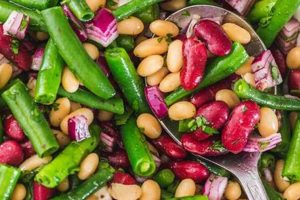
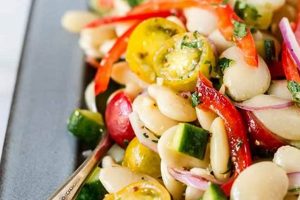
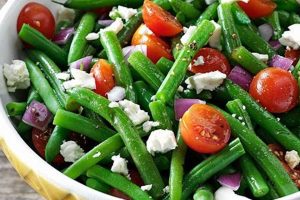
Dishes featuring blanched or lightly cooked green beans tossed with flavorful dressings, often featuring soy sauce, sesame oil, ginger, garlic, and chili, are a staple of many Asian cuisines. Variations can include additions such as toasted sesame seeds, peanuts, crispy shallots, or other vegetables like shredded carrots and red onion. These salads offer a refreshing and flavorful side dish or light meal.
These vibrant salads provide a healthy and satisfying culinary experience. The crisp-tender green beans offer a good source of fiber and vitamins, while the dressings contribute umami and complex flavors. Historically, the specific ingredients and preparation methods would have varied based on regional availability and culinary traditions, reflecting diverse cultural influences across the Asian continent. The simplicity of these salads also makes them an excellent option for quick weeknight meals or additions to potlucks and larger gatherings.
This exploration delves into various aspects of these salads, from regional variations and ingredient selection to techniques for achieving perfectly cooked green beans and crafting balanced, flavorful dressings. Discussions of nutritional benefits and adaptable serving suggestions will also be provided.
Tips for Creating Exceptional Green Bean Salads
Optimizing ingredient preparation and balancing flavors are crucial for achieving a delicious and texturally pleasing green bean salad. The following tips offer guidance for elevating this simple dish.
Tip 1: Blanch Green Beans Perfectly: Blanching enhances color and texture. Submerge beans in boiling water briefly, then immediately transfer to an ice bath to stop cooking. This preserves a crisp-tender texture and vibrant green hue.
Tip 2: Dry Beans Thoroughly: Excess moisture dilutes dressing flavor. After blanching and cooling, pat beans dry with a clean kitchen towel or use a salad spinner to remove residual water.
Tip 3: Toast Sesame Seeds: Toasting sesame seeds intensifies their nutty aroma and flavor. Heat seeds in a dry skillet over medium heat until fragrant and lightly golden.
Tip 4: Balance Dressing Flavors: Achieve a harmonious blend of sweet, salty, sour, and spicy elements. Adjust soy sauce, vinegar, sugar, and chili garlic sauce proportions to preference.
Tip 5: Incorporate Fresh Aromatics: Freshly grated ginger and minced garlic contribute vibrant flavors. Consider adding finely sliced shallots or red onion for added pungency.
Tip 6: Don’t Overdress the Salad: Toss the green beans with just enough dressing to coat them lightly. Overdressing can make the salad soggy.
Tip 7: Garnish Thoughtfully: Toasted nuts, such as peanuts or cashews, add crunch and visual appeal. Fresh cilantro or mint sprigs provide a refreshing herbal note.
By following these tips, a vibrant and flavorful green bean salad can be consistently achieved. Attention to detail, from blanching technique to dressing balance, ensures a delightful culinary experience.
With these preparation tips covered, exploring specific regional variations and ingredient combinations provides further inspiration for crafting unique and satisfying salads.
1. Fresh Green Beans

Fresh green beans are fundamental to a successful Asian green bean salad. Their inherent crisp texture and subtle, vegetal flavor provide a receptive canvas for the vibrant dressings and aromatic components characteristic of these dishes. Using fresh, rather than frozen or canned, beans ensures the salad retains a desirable snap and avoids the mushiness that can result from pre-cooked beans. This crispness provides a pleasing textural contrast to other elements, such as toasted nuts or crunchy vegetables. For instance, a salad featuring fresh green beans tossed in a ginger-soy dressing maintains a distinct bite, while the same dressing applied to canned beans would yield a less appealing, softer texture. The quality of the green beans directly impacts the overall sensory experience.
Selecting fresh green beans involves choosing firm, unblemished pods with a vibrant green color. Avoid beans that appear limp, dull, or have brown spots. Proper storage, ideally in a perforated bag within the refrigerator crisper drawer, maintains freshness until preparation. The freshness of the green beans influences not only the textural outcome but also the flavor profile. Fresh beans possess a delicate sweetness that complements the savory and often spicy notes of the dressing, whereas older beans can develop a slightly bitter taste. This distinction underscores the importance of prioritizing fresh, high-quality green beans as the foundation of the dish. The difference is readily discernible in the final product.
The emphasis on fresh green beans in these salads highlights the connection between ingredient quality and culinary success. While seemingly a simple component, the choice to use fresh beans significantly impacts the final dish’s texture, flavor, and overall appeal. Overlooking this seemingly minor detail can compromise the entire culinary experience. Therefore, procuring fresh, high-quality green beans is an essential first step in creating a truly exceptional Asian green bean salad.
2. Blanching Technique
Blanching is integral to achieving the desired texture and vibrant color characteristic of Asian green bean salads. This brief immersion in boiling water, followed by an immediate ice bath, halts enzymatic activity that would otherwise lead to dull color and loss of texture during storage. The process also partially cooks the beans, rendering them tender-crisp while retaining a vibrant green hue. Failure to blanch results in raw-tasting beans with a less appealing, fibrous texture, detracting from the overall salad experience. For example, a Thai green bean salad with a vibrant peanut dressing relies on blanched beans to provide a pleasant contrast to the rich sauce and crunchy peanuts. Raw beans would clash texturally and lack the subtle sweetness developed through blanching.
The timing of the blanching process is crucial. Over-blanching produces mushy beans that lack the desirable snap, while under-blanching leaves them excessively firm and raw-tasting. The ideal blanching time depends on the thickness of the beans but typically ranges from one to three minutes. Visual cues, such as a bright green color and slight softening, indicate proper blanching. Once blanched and shocked in ice water, the beans should be thoroughly dried to prevent excess moisture from diluting the dressing. This careful attention to blanching technique ensures the green beans provide the optimal textural and visual foundation for the salad. A perfectly blanched green bean offers a delicate balance between crispness and tenderness, enhancing the interplay of flavors and textures within the finished dish.
Mastering the blanching technique elevates the Asian green bean salad from a simple dish to a culinary achievement. This seemingly basic step has profound implications for the final product’s texture, color, and overall appeal. It exemplifies how attention to seemingly minor details significantly impacts the sensory experience and differentiates a well-executed dish from a mediocre one. The blanching process highlights the importance of precision and understanding the underlying principles of cooking to achieve optimal results. This knowledge empowers culinary exploration and ensures consistent success in creating vibrant and flavorful Asian green bean salads.
3. Flavorful Dressing

Flavorful dressings are essential to Asian green bean salads, transforming simple blanched beans into a vibrant culinary experience. The dressing provides the dominant flavor profile, often balancing contrasting elements like saltiness, sweetness, sourness, and spiciness. This complexity elevates the inherent vegetal notes of the green beans, creating a harmonious blend of flavors. A well-crafted dressing also contributes textural complexity, whether through the inclusion of toasted sesame oil, the addition of chili flakes, or the subtle viscosity imparted by ingredients like honey or rice vinegar. For instance, a classic sesame-ginger dressing introduces nutty, savory, and subtly sweet notes that complement the green beans’ fresh, crisp texture. Without a flavorful dressing, the salad remains bland and one-dimensional, failing to capture the essence of Asian-inspired cuisine. The dressing acts as a unifying element, bringing the individual components together in a cohesive and satisfying whole.
The specific components of the dressing can vary significantly depending on regional culinary traditions and personal preferences. A Vietnamese-inspired dressing might emphasize fish sauce, lime juice, and fresh herbs, while a Sichuan-style dressing could feature chili oil, garlic, and Sichuan peppercorns. This diversity allows for endless variations, catering to a spectrum of palates. The balance of flavors within the dressing is crucial; an overly salty or sweet dressing can overwhelm the delicate flavor of the green beans, while a bland dressing fails to elevate the dish beyond its basic components. Achieving the right balance requires careful consideration of ingredient proportions and an understanding of how different flavors interact. The interplay of these elements is what distinguishes a truly exceptional dressing, transforming a simple green bean salad into a memorable culinary experience.
Mastery of dressing preparation is paramount to creating a successful Asian green bean salad. It exemplifies how seemingly minor adjustments in ingredient ratios or the inclusion of a single aromatic element can profoundly impact the final result. The dressing serves as a testament to the power of flavor balance and the importance of understanding the interplay of different culinary traditions. A thoughtfully crafted dressing not only elevates the green bean salad but also provides insight into the rich tapestry of flavors that characterize Asian cuisine. It is this attention to detail and nuanced understanding of flavor profiles that separates a simply adequate dish from a truly exceptional culinary creation.
4. Aromatic Ingredients
Aromatic ingredients play a crucial role in defining the complex flavor profiles of Asian green bean salads. These ingredients contribute not only distinct aromas but also nuanced flavors that enhance the overall sensory experience. Their careful selection and application are essential for achieving a balanced and well-rounded salad. The strategic use of aromatics distinguishes a simple green bean salad from a complex, layered dish representative of Asian culinary traditions.
- Ginger
Ginger offers a pungent, slightly sweet heat that complements the fresh green beans. It can be used fresh, grated, or minced, or as a dried powder. In a salad with a soy-based dressing, fresh ginger adds a bright, invigorating note that balances the umami of the soy. Its versatility allows it to be incorporated into dressings or used as a garnish, providing both flavor and aromatic complexity.
- Garlic
Garlic provides a savory depth and pungent aroma. Similar to ginger, it can be used fresh, minced or pressed, or in powdered form. In a spicy Sichuan-style green bean salad, garlic enhances the chili oil’s heat, adding a savory base note. Its presence can be subtle or prominent depending on the quantity used and the other ingredients present.
- Chili Peppers
Chili peppers introduce heat and complexity, ranging from mild to intense depending on the variety used. Fresh chilies, dried flakes, or chili oil can be incorporated. In a Thai-inspired green bean salad, fresh bird’s eye chilies provide a sharp, vibrant heat that complements the fish sauce and lime juice. The judicious use of chili peppers adds a dimension of flavor beyond simple heat, contributing to the overall balance and complexity of the salad.
- Shallots and Onions
Shallots and onions offer a pungent sharpness and subtle sweetness that enhances the overall flavor profile. They can be thinly sliced, diced, or used as a garnish. In a Vietnamese-style green bean salad, thinly sliced shallots add a crisp texture and a subtle oniony flavor that complements the fresh herbs and lime dressing. Their presence adds both textural and flavor complexity.
The strategic combination of these aromatic ingredients creates a symphony of flavors that distinguishes Asian green bean salads. Their presence elevates the dish beyond its basic components, reflecting the nuanced approach to flavor characteristic of many Asian culinary traditions. The interplay of these aromatics, combined with the fresh green beans and a balanced dressing, results in a complex and satisfying culinary experience that highlights the importance of carefully selected ingredients and their skillful application.
5. Textural Contrast

Textural contrast is a defining characteristic of well-executed Asian green bean salads, elevating them beyond simple vegetable dishes. The interplay of different textures creates a more engaging and satisfying sensory experience. This contrast prevents monotony and adds depth, transforming a basic salad into a dynamic culinary creation. A successful salad balances the crisp-tender green beans with a variety of contrasting textures, enhancing the overall enjoyment and highlighting the diverse components.
- Crunchy Elements
Crunchy elements provide a counterpoint to the tender green beans. Common examples include toasted nuts like peanuts, cashews, or sesame seeds; crispy fried shallots or onions; or chopped water chestnuts. These additions introduce a satisfying bite, enhancing the textural complexity. In a sesame-ginger green bean salad, toasted sesame seeds offer a nutty flavor and a pleasant crunch that complements the soft green beans and the richness of the sesame oil. This interplay of textures creates a more dynamic and satisfying experience.
- Soft and Chewy Textures
Incorporating soft and chewy elements can further enhance the textural tapestry. Dried fruits, such as cranberries or raisins, offer a chewy sweetness. Cooked grains, like quinoa or barley, introduce a soft, slightly chewy texture that complements the crisp beans. For example, adding dried cranberries to a green bean salad with a citrus vinaigrette introduces a contrasting texture and a sweet-tart flavor dimension, further enriching the overall experience. This balance prevents the salad from becoming one-dimensional.
- Crisp Vegetables
Adding other crisp vegetables extends the textural variation. Sliced red onions, shredded carrots, or diced bell peppers contribute different levels of crispness, complementing the green beans without overwhelming them. A Vietnamese-style green bean salad often incorporates shredded carrots and thinly sliced red onions, adding contrasting crisp textures and colors. This combination enhances the visual appeal and delivers a more engaging textural experience.
- Flaky Components
Flaky components like toasted coconut flakes or crispy wonton strips introduce yet another layer of texture. These delicate elements shatter with each bite, adding a light and airy crunch. A salad featuring toasted coconut flakes alongside blanched green beans and a spicy peanut dressing offers a complex interplay of textures and flavors. The coconut flakes add a delicate crunch and a subtle sweetness that complements the other components.
The careful consideration of textural contrast elevates Asian green bean salads from simple sides to complex and satisfying dishes. The interplay of crisp, crunchy, soft, and chewy elements creates a dynamic sensory experience that highlights the quality and variety of ingredients. This attention to texture demonstrates a nuanced understanding of culinary principles and contributes significantly to the overall enjoyment of the dish. Achieving a well-balanced textural profile is a key element in crafting a truly exceptional Asian green bean salad, demonstrating culinary expertise and enhancing the dining experience.
6. Serving Suggestions
Serving suggestions enhance the versatility of Asian green bean salads, adapting them to various culinary contexts. Thoughtful presentation and complementary pairings elevate the dining experience, transforming a simple side dish into a star component of a meal. Understanding these nuances allows for greater culinary flexibility and ensures the salad complements the overall meal structure and flavor profiles.
- As a Standalone Side Dish
The refreshing and flavorful nature of Asian green bean salads makes them ideal standalone side dishes. Served chilled or at room temperature, they provide a light and palate-cleansing counterpoint to richer, heavier dishes. For example, a spicy Sichuan green bean salad complements grilled meats or rich stir-fries, offering a refreshing contrast in flavor and texture. The salad’s vibrant colors and crisp texture also enhance the visual appeal of the plate.
- Incorporating into Larger Meals
Asian green bean salads seamlessly integrate into larger meals, contributing both flavor and textural diversity. They can be served as part of a multi-course meal, offering a refreshing element between heavier courses. For instance, a Vietnamese-style green bean salad with peanuts and fresh herbs provides a light and flavorful component within a spread of spring rolls, pho, and grilled prawns. The salad’s bright flavors and crisp texture balance the other dishes, preventing the meal from feeling too heavy.
- Adapting to Different Cuisines
While rooted in Asian culinary traditions, these salads adapt well to other cuisines. The core principles of fresh ingredients, balanced flavors, and textural contrast translate seamlessly. A sesame-ginger green bean salad can complement grilled fish or roasted chicken, demonstrating its versatility beyond Asian-inspired meals. This adaptability allows for creative exploration and expands the salad’s culinary applications.
- Presentation and Garnishes
Presentation enhances the dining experience. Serving the salad in an attractive bowl or platter and garnishing thoughtfully elevates its visual appeal. A sprinkle of toasted sesame seeds, chopped fresh herbs, or a scattering of crushed peanuts adds visual interest and reinforces the flavor profile. These seemingly small details demonstrate attention to presentation and contribute to a more refined dining experience.
Understanding these serving suggestions allows for a more nuanced approach to incorporating Asian green bean salads into diverse culinary settings. The flexibility of these salads, combined with thoughtful presentation and complementary pairings, enhances their versatility and transforms them from simple side dishes into integral components of a well-rounded and satisfying meal. Whether served as a standalone side, incorporated into a larger meal, or adapted to different cuisines, these salads offer a refreshing and flavorful addition to a wide range of culinary experiences.
Frequently Asked Questions
This section addresses common inquiries regarding Asian green bean salads, providing clear and concise information to ensure culinary success.
Question 1: Can frozen green beans be used?
While fresh green beans are preferred for optimal texture and flavor, frozen beans can be substituted in a pinch. Ensure they are fully thawed and thoroughly dried before incorporating into the salad to prevent excess moisture from diluting the dressing.
Question 2: How long can the salad be stored?
Properly stored in an airtight container in the refrigerator, the salad can last for up to three days. However, the texture of the green beans may soften slightly over time.
Question 3: What are common dressing variations?
Common variations include sesame-ginger, peanut, chili-garlic, and fish sauce-lime dressings. Each offers a unique flavor profile, reflecting diverse Asian culinary traditions.
Question 4: Can the salad be served warm?
While typically served chilled or at room temperature, the salad can be served warm. However, avoid excessive heat, as it can wilt the green beans and compromise their texture.
Question 5: How can the spiciness level be adjusted?
Spiciness can be adjusted by varying the amount of chili peppers or chili oil used in the dressing. Start with a small amount and gradually increase to achieve the desired level of heat.
Question 6: What are suitable protein pairings?
Asian green bean salads complement a variety of proteins, including grilled chicken, fish, tofu, and tempeh. They also pair well with rice, noodles, or other grain-based dishes.
Understanding these common inquiries facilitates successful preparation and enjoyment of Asian green bean salads. Attention to ingredient selection, blanching technique, dressing preparation, and flavor balance ensures a delicious and satisfying culinary experience.
The following section offers a collection of diverse recipes, providing inspiration for exploring various flavor profiles and culinary traditions.
Asian Green Bean Salad Recipe
Exploration of Asian green bean salad recipes reveals a dish offering remarkable versatility and depth of flavor. From the importance of fresh, crisp green beans and precise blanching techniques to the nuanced art of crafting balanced and flavorful dressings, each step contributes significantly to the final culinary outcome. The strategic incorporation of aromatic ingredients like ginger, garlic, and chili peppers, combined with the thoughtful introduction of textural contrasts, elevates these salads beyond simple side dishes. Serving suggestions further demonstrate the adaptability of these recipes, highlighting their compatibility with various cuisines and dining contexts.
Asian green bean salad recipes represent a vibrant intersection of culinary tradition and creative innovation. Continued exploration of regional variations and ingredient combinations promises further evolution and a deeper appreciation for the nuanced flavors and textures achievable within this seemingly simple dish. Mastery of these recipes empowers culinary enthusiasts to craft vibrant and flavorful salads that delight the palate and enrich the dining experience. The potential for further exploration and adaptation ensures that Asian green bean salads will continue to hold a prominent place in culinary repertoires worldwide.