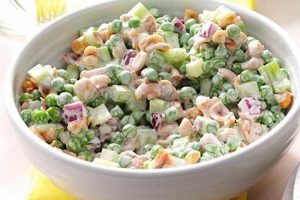
A superior preparation of this classic American salad involves carefully chosen, high-quality ingredients and a balanced combination of flavors and textures. A typical example includes crisp lettuce, juicy tomatoes, flavorful bacon, tender chicken or turkey breast, hard-boiled eggs, creamy avocado, crumbled blue cheese, and a vinaigrette dressing. The arrangement and presentation of these components are also key to an exceptional result.
Achieving a well-executed version offers a nutritionally complete and satisfying meal. The diverse ingredients contribute a range of vitamins, proteins, and healthy fats. Historically, the salad’s origin is attributed to the Brown Derby restaurant in Hollywood, adding a touch of culinary history to this popular dish. Its enduring appeal lies in its customizable nature, allowing for variations based on dietary preferences and ingredient availability.
Further exploration will cover optimal ingredient selection, variations on the classic recipe, tips for preparation and presentation, and suggestions for complementary dressings.
Tips for an Exceptional Cobb Salad
Elevating this classic salad from satisfactory to superb involves attention to detail in ingredient selection, preparation, and assembly. These tips offer guidance for creating a truly memorable culinary experience.
Tip 1: Ingredient Quality is Paramount: Opt for fresh, ripe produce. Vine-ripened tomatoes and crisp, flavorful lettuce are essential.
Tip 2: Crisp Bacon is Key: Achieve optimal crispness by baking or pan-frying bacon until perfectly rendered. Drain thoroughly to prevent a soggy salad.
Tip 3: Protein Choices Matter: While chicken and turkey are traditional, consider grilled steak, roasted salmon, or chickpeas for variations. Ensure protein is properly cooked and cooled before adding to the salad.
Tip 4: Avocado Handling: Prevent browning by adding avocado slices just before serving. A light squeeze of lemon juice can also help maintain freshness.
Tip 5: Blue Cheese Selection: Choose a high-quality blue cheese with a balanced flavor profile. Crumble it finely for even distribution.
Tip 6: Dressing Considerations: A classic vinaigrette complements the salad’s flavors without overpowering them. Consider a red wine vinaigrette or a lighter balsamic option.
Tip 7: Presentation Matters: Arrange ingredients attractively in rows or sections rather than simply tossing them together. This allows each element to shine visually.
Tip 8: Proper Chopping Technique: Ingredients should be chopped into bite-sized pieces for easy consumption. Consistent sizing also enhances presentation.
By focusing on these details, one can create a visually appealing and flavorful Cobb salad that elevates the dining experience.
The following section provides variations on the classic recipe to cater to different tastes and dietary needs.
1. Fresh, High-Quality Ingredients

The foundation of a truly exceptional Cobb salad rests upon the selection of fresh, high-quality ingredients. Subpar components will inevitably result in a mediocre final product, regardless of preparation technique. This section explores the critical role ingredient quality plays in achieving a superior salad.
- Produce Selection
The freshness and quality of produce significantly impact the salad’s flavor and texture. Lettuce should be crisp and vibrant, free from wilting or browning. Tomatoes should be ripe and flavorful, ideally vine-ripened varieties. Avocados should be perfectly ripe, yielding to gentle pressure but not mushy. Compromising on produce quality diminishes the overall sensory experience.
- Protein Considerations
Whether using chicken, turkey, bacon, or another protein source, quality remains paramount. Chicken and turkey should be cooked thoroughly but remain moist and tender. Bacon should be crisp and flavorful, not overly greasy. The protein component contributes significantly to the salad’s overall satisfaction; thus, selecting premium cuts or sources is essential.
- Cheese Selection
Blue cheese provides a pungent, salty counterpoint to the other ingredients. Opting for a high-quality blue cheese with a balanced flavor profile enhances the complexity of the salad. Consider the cheese’s sharpness and texture when making a selection, ensuring it complements the other components.
- Dressing Enhancement
Even with top-tier ingredients, a poorly chosen or prepared dressing can detract from the salad’s overall quality. A classic vinaigrette, made with fresh ingredients and a balanced acidity, enhances the flavors of the other components without overpowering them. The dressing should complement, not mask, the individual flavors of the salad.
By prioritizing fresh, high-quality ingredients across all components, from produce to protein to dressing, one ensures a Cobb salad that delivers a truly exceptional culinary experience. The interplay of flavors and textures, characteristic of a well-made Cobb salad, is only achievable with superior ingredients as its foundation.
2. Precise Ingredient Proportions

A hallmark of a superior Cobb salad lies in the careful balance of its components. Precise ingredient proportions ensure that no single flavor dominates, allowing the distinct tastes and textures to harmonize. This balance is crucial for achieving the desired complexity and overall enjoyment.
- Balance of Flavors
The Cobb salad’s signature blend of savory, tangy, and fresh flavors relies on precise proportions. Too much blue cheese can overpower the delicate flavors of the vegetables, while insufficient bacon diminishes the savory dimension. A successful recipe balances the robust flavors of bacon and blue cheese with the milder tastes of chicken or turkey, tomatoes, and avocado. For example, a ratio of 1:2 blue cheese to bacon prevents the cheese from dominating the overall flavor profile.
- Textural Harmony
The interplay of textures, from crisp lettuce and crunchy bacon to creamy avocado and tender chicken, defines the Cobb salad experience. Ingredient proportions influence this textural harmony. An overabundance of lettuce can lead to a bland, watery salad, while too little diminishes the refreshing crunch. Balancing textures ensures a satisfying mouthfeel. A suggested ratio might include 2 parts lettuce to 1 part combined other ingredients.
- Visual Appeal
Precise proportions contribute significantly to the salad’s visual appeal. The classic presentation, featuring neatly arranged rows of ingredients, requires careful portioning. Equal amounts of each ingredient, or a visually pleasing gradation of quantities, create a balanced and attractive presentation. This visual balance enhances the dining experience.
- Nutritional Considerations
Ingredient proportions also influence the salad’s nutritional value. Balancing protein sources with vegetables and healthy fats ensures a complete and satisfying meal. For example, a 1:1 ratio of protein to vegetables ensures an adequate intake of both essential nutrients. Adjusting proportions allows for customization based on dietary needs and preferences.
Mastering the precise ingredient proportions elevates the Cobb salad from a simple collection of ingredients to a well-composed culinary creation. The interplay of flavors, textures, visual appeal, and nutritional balance underscores the importance of careful portioning in achieving a truly exceptional result.
3. Flavor Balance

Flavor balance stands as a cornerstone of a superlative Cobb salad. The interplay of diverse tastessavory, tangy, acidic, and freshcreates a complex and satisfying sensory experience. A harmonious blend of these flavors distinguishes an exceptional salad from a mediocre one. This section explores the key facets of flavor balance in crafting the best Cobb salad.
- Balancing Savory and Tangy Elements
The savory notes of bacon and, to a lesser extent, the chicken or turkey, require a counterpoint. Tangy blue cheese provides this contrast, preventing the salad from becoming overly rich. The proportion of blue cheese is critical; too much can overwhelm the other flavors, while too little fails to provide the necessary balance. A judicious amount of high-quality blue cheese, crumbled evenly, ensures its flavor is present without dominating.
- Acidity as a Flavor Enhancer
Acidity plays a vital role in brightening the flavors of the Cobb salad. A vinaigrette dressing, typically made with vinegar or lemon juice, provides the necessary acidity. This tartness cuts through the richness of the bacon and cheese, enhancing the flavors of the fresh vegetables. The type of vinegar used in the vinaigrette also influences the overall flavor profile. Red wine vinegar offers a robust, slightly fruity acidity, while white wine vinegar provides a lighter, crisper tang.
- The Role of Freshness
Fresh, high-quality produce contributes significantly to the overall flavor balance. Crisp lettuce and ripe tomatoes offer a refreshing counterpoint to the richer ingredients. The sweetness of ripe tomatoes complements the savory and tangy elements, while the crispness of the lettuce provides a textural contrast. Using in-season produce enhances these fresh flavors.
- The Importance of Seasoning
Proper seasoning with salt and freshly ground black pepper enhances the inherent flavors of the ingredients. Salt amplifies the savory notes of the bacon and cheese, while pepper adds a subtle layer of complexity. However, over-seasoning can mask the delicate flavors of the fresh produce, so a light touch is essential. Tasting and adjusting seasoning throughout the preparation process ensures a well-balanced flavor profile.
Achieving flavor balance in a Cobb salad involves a careful orchestration of these elements. The interplay of savory, tangy, acidic, and fresh flavors, when properly balanced, elevates the salad to a truly exceptional culinary experience. Attention to these nuances distinguishes a truly great Cobb salad from a merely satisfactory one.
4. Textural Contrast

Textural contrast forms an integral component of a superlative Cobb salad, elevating it beyond a mere combination of ingredients. The interplay of crisp, creamy, crunchy, and tender textures creates a dynamic and satisfying sensory experience. This contrast prevents monotony, ensuring each bite offers a varied and engaging mouthfeel. A well-executed Cobb salad strategically incorporates a range of textures to achieve this complexity.
Crisp romaine lettuce provides the foundation, offering a refreshing crunch. Supplementing this with other lettuces, like butter lettuce, introduces subtle variations in texture. Crunchy elements, primarily from bacon, offer a stark contrast to the softer components. Properly cooked bacon, rendered of excess fat but retaining its crispness, provides the ideal textural counterpoint. Creamy avocado contributes a smooth, buttery texture that offsets the crispness of the lettuce and bacon. Finally, the protein, typically chicken or turkey, offers a tender texture that further diversifies the mouthfeel. The interplay of these contrasting textures ensures a dynamic and engaging culinary experience. Consider, for example, a bite containing crisp romaine, crunchy bacon, creamy avocado, and tender chickenthe variation in texture enhances the enjoyment.
Understanding the significance of textural contrast allows for strategic ingredient selection and preparation. For instance, substituting grilled chicken for poached chicken introduces a slightly charred, crispier exterior, further enhancing the textural complexity. Additionally, achieving optimal textural contrast often requires specific preparation techniques. Ensuring bacon is perfectly crisp, avocado is ripe but not mushy, and lettuce is dry and crisp are crucial considerations. Failure to attend to these details can result in a texturally unbalanced and less satisfying salad. Mastery of textural contrast demonstrates an understanding of the nuances that distinguish a truly exceptional Cobb salad. This attention to detail elevates the dish from a simple combination of ingredients to a thoughtfully composed culinary creation.
5. Appealing Presentation
Visual appeal significantly contributes to the overall perception and enjoyment of a Cobb salad. Presentation elevates the dish from a simple mixture of ingredients to a carefully composed culinary creation. A thoughtfully presented salad enhances the dining experience, stimulating appetite and conveying a sense of care and attention to detail. The following facets highlight the connection between appealing presentation and a truly exceptional Cobb salad.
- Ingredient Arrangement
Strategic arrangement of ingredients contributes significantly to visual appeal. The classic Cobb salad presentation features neatly arranged rows of chopped ingredients, showcasing the diversity of components. This method allows each ingredient to stand out while maintaining a cohesive overall appearance. Alternatively, a composed presentation, where ingredients are artfully arranged on individual plates, offers a more refined aesthetic. Whether opting for classic rows or a more contemporary composition, deliberate arrangement enhances the visual appeal.
- Color Palette
The vibrant colors of fresh ingredients contribute significantly to the salad’s visual appeal. The deep green of romaine lettuce, the bright red of tomatoes, the crisp white of hard-boiled eggs, and the rich hues of bacon and blue cheese create a visually striking composition. Thoughtful consideration of color combinations enhances the overall presentation. For instance, incorporating colorful bell peppers or other vegetables adds visual interest and complements the existing color palette.
- Plate Selection
The choice of serving dish or plate impacts the overall presentation. A white plate provides a neutral backdrop that allows the vibrant colors of the salad to stand out. Alternatively, a shallow bowl or platter offers a more rustic aesthetic. The size and shape of the serving vessel should complement the salad’s presentation style. A large platter, for example, suits a family-style presentation, while individual plates are ideal for a more formal setting.
- Garnish Considerations
A simple garnish can elevate the presentation further. A sprinkle of freshly chopped herbs, such as chives or parsley, adds a touch of freshness and visual appeal. A light dusting of paprika or a drizzle of extra virgin olive oil can also enhance the visual presentation. However, garnishes should be used sparingly to avoid overpowering the main components of the salad. The goal is to enhance, not distract, from the salad’s inherent beauty.
Appealing presentation is an essential element of a truly exceptional Cobb salad. By considering ingredient arrangement, color palette, plate selection, and garnish options, one can transform a simple salad into a visually stunning and appetizing culinary creation. This attention to detail enhances the overall dining experience and underscores the care taken in crafting a truly remarkable dish. A visually appealing salad signifies attention to detail and enhances the perceived value of the culinary creation.
6. Proper Dressing Selection
A truly exceptional Cobb salad hinges on the proper selection of a dressing that complements, rather than overwhelms, the carefully balanced flavors and textures of its components. The dressing acts as a unifying element, harmonizing the diverse ingredients while adding its own distinct character. A poorly chosen dressing can mask the individual flavors, resulting in a less satisfying culinary experience. Therefore, careful consideration of dressing selection is paramount in crafting the best Cobb salad recipe.
- Balancing Acidity and Richness
The ideal Cobb salad dressing balances the richness of ingredients like bacon, avocado, and blue cheese with a refreshing acidity. Vinaigrettes, with their tart and tangy profiles, typically achieve this balance effectively. A classic red wine vinaigrette, for example, provides a robust acidity that cuts through the richness without overpowering the other flavors. Conversely, a creamy dressing, while tempting, can often mask the delicate flavors of the fresh vegetables and other components.
- Complementing, Not Competing, with Flavors
The dressing should enhance, not compete with, the existing flavors of the salad. A subtle vinaigrette allows the distinct tastes of the bacon, blue cheese, tomatoes, and other ingredients to shine through. Overly assertive dressings, such as those with strong herbs or spices, can detract from the carefully balanced flavor profile of the salad. A simple vinaigrette, perhaps with a touch of Dijon mustard for added complexity, allows the inherent flavors of the salad to take center stage. This restraint in the dressing allows the quality of the other ingredients to shine.
- Considering Texture and Consistency
The dressing’s texture and consistency also play a crucial role in the overall enjoyment of the salad. A vinaigrette offers a light and refreshing texture that complements the crisp lettuce and other ingredients. A thick, creamy dressing can weigh down the salad, making it soggy and less appealing. The dressing should coat the ingredients lightly, enhancing their flavors without creating a heavy, dense mixture. Emulsified vinaigrettes offer a good balance between flavor and texture, clinging lightly to the ingredients without overpowering them.
- Customization and Flexibility
While classic vinaigrettes are traditional choices, customizing the dressing allows for personalization and adaptation to individual preferences. A balsamic vinaigrette, for example, offers a sweeter and slightly tangier profile than a red wine vinaigrette. Adding fresh herbs, such as chives or parsley, to the vinaigrette further enhances the flavor and visual appeal. The ability to customize the dressing allows for tailoring the overall flavor profile to complement specific ingredient combinations or dietary restrictions.
Proper dressing selection is an integral aspect of crafting the best Cobb salad. A well-chosen dressing harmonizes the diverse flavors and textures, creating a cohesive and satisfying culinary experience. By considering the balance of acidity and richness, the interplay of flavors, the texture and consistency, and the potential for customization, one can elevate the Cobb salad from a simple dish to a truly exceptional culinary creation. The dressing serves as the conductor, orchestrating the various components into a harmonious symphony of flavors and textures.
Frequently Asked Questions
This section addresses common inquiries regarding the preparation and enjoyment of a superior Cobb salad.
Question 1: What type of lettuce is best suited for a Cobb salad?
Crisp romaine lettuce is traditional, providing a sturdy base and refreshing crunch. Butter lettuce, with its delicate texture and subtle flavor, offers a compelling alternative. A combination of romaine and butter lettuce provides both textural variety and visual appeal. Iceberg lettuce, while sometimes used, is generally less desirable due to its lower nutritional value and neutral flavor.
Question 2: Can the traditional protein choices be substituted?
While chicken and turkey are traditional, variations can incorporate grilled steak, pan-seared salmon, or even plant-based proteins like chickpeas or tofu. The chosen protein should complement the other ingredients without overpowering their flavors. Maintaining a balance of protein with the other components ensures a nutritionally complete and satisfying salad.
Question 3: How can avocado browning be prevented?
Avocado is susceptible to oxidation, resulting in browning. To mitigate this, add avocado slices just before serving. Alternatively, lightly coating the avocado with lemon or lime juice creates a protective barrier against oxidation, preserving its vibrant green color and fresh flavor. Storing any leftover salad with the avocado separately also helps prevent browning.
Question 4: What distinguishes a high-quality blue cheese for this salad?
High-quality blue cheese exhibits a balance of creamy texture and pungent, salty flavor. Avoid overly strong or crumbly varieties, which can overwhelm the other ingredients. A well-balanced blue cheese enhances the complexity of the salad without dominating the flavor profile. Look for cheeses with even veining and a pleasant aroma.
Question 5: What are the key characteristics of a suitable vinaigrette?
A suitable vinaigrette complements the salad’s flavors without overpowering them. A balance of acidity and oil is essential. Red wine vinegar or a lighter balsamic vinegar provide suitable acidity. High-quality extra virgin olive oil contributes a desirable richness and flavor. Emulsifying the vinaigrette ensures a smooth, consistent texture that coats the ingredients evenly.
Question 6: How can the salad be best assembled for optimal presentation and enjoyment?
Arranging ingredients in distinct rows or sections, rather than tossing them together, enhances both presentation and enjoyment. This method showcases the variety of components and allows diners to appreciate the individual flavors and textures. Ensuring ingredients are chopped into bite-sized pieces facilitates easy consumption and contributes to a visually appealing presentation.
Careful consideration of these elements ensures a truly exceptional Cobb salad experience. Attention to detail, from ingredient selection to presentation, elevates this classic dish.
The next section will offer variations on the classic Cobb salad recipe, demonstrating its adaptability and versatility.
Best Cobb Salad Recipe
Achieving a truly exceptional Cobb salad transcends simply combining ingredients. Careful consideration of ingredient quality, precise proportions, flavor balance, textural contrast, appealing presentation, and proper dressing selection elevates this classic dish to a culinary accomplishment. From the crispness of the lettuce to the tang of the blue cheese, each element contributes to a harmonious and satisfying whole. Mastery of these elements distinguishes a remarkable Cobb salad from a merely satisfactory one. The pursuit of the best Cobb salad recipe involves a dedication to detail and a commitment to culinary excellence.
The potential for variation within this classic framework allows for endless culinary exploration. Adaptation to seasonal ingredients, dietary preferences, and individual tastes ensures the Cobb salad remains a timeless and adaptable culinary creation. Continued exploration and refinement of techniques will undoubtedly further enhance appreciation for this iconic American salad.