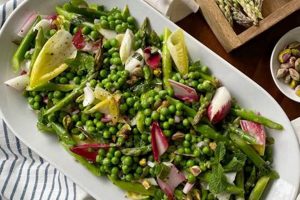
A top-tier salad featuring beetroot as the primary ingredient typically involves a balance of sweet, earthy, and acidic flavors. Such a salad might combine roasted or pickled beets with complementary ingredients like goat cheese, citrus segments, walnuts, and a vibrant vinaigrette. A well-executed example could include golden and chioggia beets for visual appeal, candied walnuts for textural contrast, and a lemon-herb dressing for brightness.
Achieving optimal flavor combinations and textures is key to a successful beet salad. This necessitates careful consideration of ingredient pairings, beet preparation methods (roasting, pickling, raw), and dressing selection. Historically, beets have been valued for both their culinary and medicinal properties, with variations of beet salads appearing in cuisines across the globe for centuries. The continued popularity of such salads speaks to the enduring appeal of this versatile root vegetable.
The following sections will explore various aspects of crafting exceptional beet salads, from selecting the freshest produce to mastering various preparation techniques and creating harmonious flavor profiles. Specific recipes and variations will be provided to guide readers in their culinary endeavors.
Tips for an Exceptional Beetroot Salad
Creating a standout beetroot salad involves attention to detail and a thoughtful approach to ingredient selection and preparation. These tips offer guidance for achieving optimal flavor and texture.
Tip 1: Select High-Quality Beets: Look for firm, smooth beets with vibrant color and fresh-looking greens. Smaller beets tend to be more tender.
Tip 2: Roast for Enhanced Sweetness: Roasting intensifies the natural sweetness of beets. Wrap beets individually in foil with a drizzle of olive oil and roast until tender.
Tip 3: Balance Flavors: Combine the earthy sweetness of beets with contrasting flavors like tangy citrus, salty cheese, and peppery greens.
Tip 4: Consider Texture: Incorporate crunchy elements such as toasted nuts, seeds, or croutons to provide textural contrast to the soft beets.
Tip 5: Dress Strategically: A well-balanced vinaigrette is crucial. A simple lemon-herb vinaigrette or a creamy dressing with yogurt or goat cheese can complement the beets beautifully.
Tip 6: Don’t Overcrowd the Plate: Allow the beets to be the star of the show. Choose a few complementary ingredients that enhance, rather than overwhelm, the beet’s flavor.
Tip 7: Time the Addition of Greens: Delicate greens should be added just before serving to prevent wilting. Heartier greens can be tossed with the other ingredients earlier.
By following these guidelines, one can elevate a simple beetroot salad into a culinary masterpiece. The combination of fresh ingredients, balanced flavors, and attention to texture creates a truly satisfying dish.
The following section will provide specific recipe examples that incorporate these tips and offer further inspiration for crafting delicious and visually appealing beetroot salads.
1. Fresh, High-Quality Beets
The foundation of any exceptional beetroot salad lies in the quality of the beets themselves. Fresh, high-quality beets offer superior flavor, texture, and color, directly impacting the overall success of the dish. Selecting and preparing these beets correctly is paramount to achieving optimal results.
- Flavor Intensity
Fresh beets possess a vibrant, earthy sweetness that diminishes with age. Beets that are recently harvested and properly stored retain their full flavor potential, crucial for a truly delicious salad. Older beets can develop an unpleasant bitterness or a bland, watery taste. This directly translates to a more flavorful and enjoyable final product.
- Texture and Firmness
High-quality beets exhibit a firm, smooth texture free from blemishes or soft spots. This firmness is essential for various preparation methods, ensuring the beets hold their shape when roasted, pickled, or grated. A firm texture also contributes to a more pleasing mouthfeel in the finished salad. Soft or spongy beets often indicate age or improper storage and can result in a mushy, less appealing salad.
- Vibrant Color
The deep, rich color of fresh beets is a visual indicator of their quality and flavor. Whether deep red, golden yellow, or the vibrant stripes of chioggia beets, intense color signals freshness and contributes to the aesthetic appeal of the salad. Dull or faded color can suggest age or suboptimal storage conditions, resulting in a less vibrant and visually appealing dish.
- Intact Greens (If Present)
While not always included in the salad itself, the presence of fresh, vibrant beet greens can be an indicator of the beet’s overall quality and freshness. Crisp, unwilted greens suggest recent harvest and proper handling, which often correlates with a superior-tasting beet. Beet greens themselves are edible and can be sauted or added to other dishes, further maximizing the value of the ingredients.
By prioritizing these qualities when selecting beets, one ensures the best possible starting point for a truly exceptional salad. The inherent qualities of fresh, high-quality beets contribute significantly to the final dish’s flavor, texture, and visual appeal, ultimately elevating the dining experience.
2. Balanced Flavor Profiles

Balanced flavor profiles are essential to crafting a superlative beetroot salad. The natural earthiness and sweetness of beetroot require careful consideration of complementary and contrasting tastes to achieve a harmonious result. This balance prevents any single flavor from dominating, allowing the complexity of the beet to shine while creating a more nuanced and enjoyable culinary experience.
The inherent sweetness of beetroot necessitates the incorporation of acidic elements. Citrus fruits, such as orange or grapefruit segments, and vinegars, like balsamic or apple cider, provide the necessary acidity to cut through the sweetness and brighten the overall flavor profile. Similarly, the earthy notes of beetroot benefit from the addition of salty and savory components. Goat cheese, feta, or toasted walnuts offer contrasting textures and salty flavors that enhance the beet’s inherent earthiness. A sprinkle of sea salt further accentuates these flavors and creates a well-rounded taste experience. Finally, incorporating peppery greens, like arugula or watercress, adds a subtle bite that complements the other ingredients. A salad composed solely of beetroot, even if perfectly roasted, would lack the complexity and depth achieved through a balanced flavor profile. Conversely, a salad with excessive acidity or saltiness could easily overpower the delicate flavor of the beet. The key lies in achieving harmony among the various components.
Understanding the interplay of flavors is crucial for optimizing a beetroot salad recipe. A well-balanced salad demonstrates a thoughtful approach to ingredient selection and proportion, elevating the dish beyond a simple combination of components. The ultimate goal is not merely to mask or diminish the beet’s flavor, but rather to enhance and celebrate it by creating a synergistic blend of tastes that highlight its unique characteristics. This balance directly translates to a more satisfying and memorable culinary experience, demonstrating a mastery of flavor composition and a deep appreciation for the versatility of beetroot.
3. Complementary Textures

Texture plays a crucial role in elevating a beetroot salad from satisfactory to exceptional. The natural, often smooth texture of cooked beetroot benefits significantly from the incorporation of contrasting textural elements. This interplay of textures creates a more dynamic and engaging sensory experience, preventing the salad from feeling monotonous. A salad consisting solely of soft, roasted beets, while flavorful, can lack the textural complexity that contributes to a truly satisfying meal.
Several ingredients provide excellent textural contrast to beetroot. Crunchy elements, such as toasted nuts (walnuts, pecans, pistachios), seeds (pumpkin, sunflower), or croutons, offer a crisp counterpoint to the beet’s softness. These additions introduce a satisfying bite and prevent the salad from becoming overly homogenous. Creamy components, like goat cheese, feta, or a dollop of crme frache, provide a different type of textural contrast, adding a richness and smoothness that complements the earthiness of the beet. Furthermore, incorporating leafy greens, like spinach, arugula, or watercress, contributes a refreshing lightness and subtle crispness that balances the other textures. Consider a salad with roasted beets, crumbled goat cheese, candied pecans, and baby spinach. The interplay of soft beets, creamy cheese, crunchy nuts, and delicate greens creates a multi-dimensional textural experience.
The strategic use of varied textures significantly impacts the overall enjoyment of a beetroot salad. It transforms a simple combination of ingredients into a dish with depth and complexity, appealing to a broader range of palates. Ignoring textural balance can result in a one-dimensional and potentially less satisfying culinary experience. A well-executed beetroot salad demonstrates an understanding of the importance of textural interplay, resulting in a dish that is not only flavorful but also offers a dynamic and enjoyable textural journey.
4. Appropriate Dressing
The selection of an appropriate dressing is paramount in achieving a “best beetroot salad recipe” designation. Dressing serves not merely as a condiment but as a unifying element, harmonizing the diverse flavors and textures within the salad. An ill-suited dressing can mask the delicate sweetness of the beetroot or clash with other ingredients, while a well-chosen dressing elevates the entire composition. The dressing’s role extends beyond flavor enhancement; it contributes to the overall mouthfeel and visual appeal of the salad.
A vinaigrette, with its inherent acidity, often proves an excellent choice. The acidity cuts through the earthiness of the beetroot, brightening the flavor profile. A simple lemon vinaigrette, for example, provides a clean, refreshing counterpoint to the beet’s sweetness. Alternatively, a balsamic vinaigrette, with its deeper, more complex notes, can add a layer of richness. Creamy dressings, such as those based on yogurt or goat cheese, offer a different approach. Their richness complements the beet’s earthiness, creating a luxurious mouthfeel. However, heavier creamy dressings require careful balancing to avoid overpowering the other ingredients. Consider a salad featuring roasted beets, walnuts, and goat cheese. A lemon vinaigrette would provide brightness and cut through the richness of the cheese, while a creamy goat cheese dressing would amplify those flavors, potentially overwhelming the walnuts. The choice depends on the desired overall flavor profile.
Ultimately, the “best” dressing depends on the specific ingredients and desired outcome. Careful consideration of flavor pairings, acidity levels, and textural impact ensures the dressing complements rather than detracts from the overall composition. A successful dressing elevates the beetroot salad from a simple collection of ingredients to a cohesive and harmonious culinary creation. This underscores the critical role of dressing in achieving a truly exceptional beetroot salad.
5. Proper Beet Preparation
Proper beet preparation is integral to achieving a “best beetroot salad recipe” outcome. The method employed directly influences the vegetable’s flavor, texture, and overall contribution to the final dish. Roasting, for instance, intensifies the beet’s natural sweetness and yields a tender, almost melt-in-your-mouth texture. This method caramelizes the sugars, adding depth and complexity. Conversely, boiling, while faster, can dilute the flavor and result in a less desirable, watery texture. Pickling introduces a tangy, acidic dimension, offering a contrasting flavor profile. Raw beets, thinly sliced or grated, provide an earthy crunch, suitable for certain salad styles. Consider a salad featuring roasted golden beets with goat cheese and walnuts; the roasting process intensifies the sweetness, complementing the tangy cheese and crunchy nuts. Substituting boiled beets would diminish the overall complexity.
The choice of preparation method should align with the desired flavor profile and textural elements of the specific recipe. Roasting suits salads emphasizing sweetness and tender textures. Pickling complements salads requiring a tangy counterpoint. Raw preparations fit salads highlighting fresh, earthy flavors and crunchy textures. Improper preparation can result in a bland, watery, or overly acidic salad, undermining the potential of even the freshest, highest-quality beets. For example, a salad intended to showcase the beet’s natural sweetness would be compromised by boiling, as this method leaches out sugars and dilutes the flavor. Similarly, using pickled beets in a salad designed for showcasing earthy sweetness would introduce an incongruous tang.
Mastery of beet preparation techniques is therefore essential for achieving “best beetroot salad recipe” status. Careful selection and execution of the appropriate method ensures optimal flavor, texture, and overall balance within the dish. This attention to detail elevates the salad from a simple combination of ingredients to a carefully orchestrated culinary experience. The understanding and application of these principles mark the difference between a satisfactory and a truly exceptional beetroot salad.
6. Strategic Ingredient Pairings
Strategic ingredient pairings distinguish a merely adequate beetroot salad from a truly exceptional one. The complexity of beetroot’s flavor profileearthy, sweet, and slightly mineralnecessitates thoughtful consideration of accompanying ingredients. These pairings should enhance, not mask, the beet’s inherent qualities, creating a synergistic blend of flavors and textures. A haphazard combination of ingredients can result in a disjointed, unbalanced salad, while a strategic approach elevates the dish to culinary excellence. For instance, pairing beetroot with strong cheeses like blue cheese can overpower the beet’s subtle sweetness, while milder cheeses like goat cheese provide a complementary tang without overwhelming the primary flavor. The interplay between ingredients is crucial; each element should contribute to the overall harmony of the dish.
The principle of strategic pairing extends beyond cheese selection. Consider the interplay of textures. The smooth, often soft texture of cooked beetroot benefits from the inclusion of crunchy elements like toasted walnuts or pecans. The contrast in textures creates a more dynamic and enjoyable sensory experience. Similarly, the addition of fresh herbs, such as dill or mint, introduces a bright, herbaceous note that complements the beet’s earthiness. Arugula or watercress contribute peppery notes and a slightly bitter edge, further enhancing the flavor complexity. These pairings are not arbitrary; they are deliberate choices designed to create a balanced and harmonious flavor profile. A salad composed of solely beets and oranges, for example, while showcasing contrasting sweetness and acidity, might lack textural complexity. The addition of toasted walnuts or crumbled feta could elevate this simple combination considerably.
Achieving a “best beetroot salad recipe” hinges on understanding these nuanced relationships between ingredients. Strategic pairings optimize the interplay of flavors and textures, maximizing the potential of each component. This approach reflects a deeper understanding of culinary principles and transforms a simple salad into a sophisticated and satisfying dish. The ultimate goal is not merely to combine ingredients but to orchestrate them in a way that creates a symphony of flavors and textures. This mindful approach to ingredient selection elevates the beetroot salad from a basic dish to a truly exceptional culinary creation.
7. Visually Appealing Presentation

Visual appeal plays a significant role in the perception and enjoyment of a beetroot salad, elevating it from a simple dish to a culinary experience. A thoughtfully presented salad engages the diner before the first bite, enhancing the anticipation and overall satisfaction. While flavor and texture remain paramount, presentation contributes significantly to the “best beetroot salad recipe” designation. A visually unappealing salad, regardless of its flavor profile, may be perceived as less enticing, diminishing the diner’s experience. Therefore, presentation should be considered an integral component of recipe development, not merely an afterthought.
- Color Contrast and Vibrancy
A visually appealing beetroot salad leverages the natural vibrancy of beetroot alongside complementary colors to create a striking presentation. The deep red of traditional beetroot contrasts beautifully with the bright green of fresh herbs, the creamy white of goat cheese, or the vibrant orange of citrus segments. Incorporating different varieties of beets, such as golden or chioggia, further enhances visual interest through varied hues and patterns. A monochromatic salad, even if flavorful, lacks the visual appeal that stimulates appetite and enhances enjoyment. The strategic use of color transforms the dish into a feast for the eyes.
- Arrangement and Composition
Thoughtful arrangement elevates the presentation. Rather than simply tossing ingredients together, consider the placement and distribution of elements. Arranging beetroot slices artfully on a platter, creating height with mounds of greens, or using a ring mold for a composed salad demonstrates attention to detail. This deliberate approach elevates the perceived value of the dish, suggesting care and craftsmanship. A haphazardly plated salad, conversely, can appear less appealing, even if the ingredients themselves are of high quality. The arrangement should enhance, not detract from, the visual appeal of the individual components.
- Garnishing and Finishing Touches
Garnishes provide the finishing touch, adding a final flourish that enhances visual appeal and hints at the flavors within. A sprinkle of chopped fresh herbs, a drizzle of balsamic glaze, or a scattering of toasted nuts or seeds elevates the presentation without requiring extensive effort. These small details demonstrate attention to detail and enhance the overall sensory experience. A garnish should be purposeful, complementing the flavors and textures of the salad, rather than serving as a mere decoration. A sprig of rosemary on a citrus-based beetroot salad, for example, complements the citrus notes, while a sprinkle of chopped walnuts adds visual and textural interest.
- Servingware and Plating
The choice of servingware contributes significantly to the overall presentation. A simple white plate allows the vibrant colors of the salad to shine, while a rustic wooden bowl adds a touch of earthiness. Plating style also plays a role. Individual portions offer a more elegant presentation, while a large, shared platter encourages a communal dining experience. The servingware should complement the style of the salad and the overall dining occasion. A delicate, composed salad might be best served on individual plates, while a heartier, rustic salad could be presented in a large bowl or platter for sharing.
By considering these facets of visual presentation, a beetroot salad transcends its basic components, becoming a more engaging and satisfying culinary experience. The visual appeal enhances the perception of flavor and texture, contributing significantly to the “best beetroot salad recipe” designation. A visually appealing salad demonstrates attention to detail and a commitment to culinary excellence, elevating the dish from simple sustenance to a true work of culinary art. This holistic approach, combining flavor, texture, and visual appeal, is essential for crafting a truly memorable and satisfying beetroot salad.
Frequently Asked Questions
This section addresses common inquiries regarding the preparation and enjoyment of beetroot salads, offering practical guidance for achieving optimal results.
Question 1: How can one prevent beetroot from staining other ingredients in the salad?
Adding the beets last and tossing them gently with the dressing just before serving minimizes staining. Alternatively, marinating the beets separately and adding them to the other ingredients only at the final stage can also help prevent color transfer.
Question 2: What are the best methods for cooking beetroot for salads?
Roasting enhances the beetroot’s natural sweetness and yields a tender texture. Boiling offers a quicker cooking time but can dilute flavor. Pickling provides a tangy, acidic profile. The optimal method depends on the desired flavor and texture outcome.
Question 3: How long can cooked beetroot be stored?
Cooked beetroot can be stored in an airtight container in the refrigerator for up to five days. Proper storage maintains flavor and texture, minimizing spoilage.
Question 4: Can canned beetroot be used in salads?
While canned beetroot offers convenience, its flavor and texture often differ from fresh or roasted beets. If using canned beets, rinsing them thoroughly can help reduce the metallic taste sometimes associated with canning.
Question 5: How can one reduce the earthy flavor of beetroot if it is too strong?
Balancing the earthy flavor with acidic elements, such as citrus juice or vinegar, can help mitigate the intensity. Pairing with contrasting flavors like sweet fruits or creamy cheeses also helps create a more balanced flavor profile.
Question 6: Are there specific types of beetroot best suited for salads?
While standard red beets are common, golden and chioggia beets offer unique flavors and visual appeal. Golden beets possess a milder, less earthy flavor, while chioggia beets offer a beautiful candy-striped interior and a slightly sweeter taste.
Understanding these common points of inquiry facilitates a more informed approach to beetroot salad preparation, contributing to a more successful and enjoyable culinary experience.
The following section will provide specific recipe variations to inspire culinary creativity and encourage experimentation with diverse flavor combinations and presentation styles.
Best Beetroot Salad Recipe
Crafting a truly exceptional beetroot salad involves more than simply combining ingredients; it necessitates a thoughtful approach to flavor balance, textural interplay, and visual presentation. From selecting the freshest beets to understanding optimal preparation methods and exploring complementary ingredient pairings, each step contributes to the final result. The proper balance of sweetness, acidity, earthiness, and contrasting textures distinguishes a mediocre salad from a culinary masterpiece. A well-chosen dressing further enhances these elements, unifying the diverse components into a harmonious whole. Attention to visual presentation elevates the dining experience, engaging the senses and adding an element of artistry to the culinary creation.
The pursuit of the “best beetroot salad recipe” represents a continuous journey of culinary exploration. Experimentation with diverse beet varieties, innovative flavor combinations, and creative presentation styles allows for the discovery of new and exciting taste experiences. The versatility of beetroot offers endless possibilities, inviting culinary enthusiasts to unlock its full potential and redefine the boundaries of this classic dish. The pursuit of excellence in even the simplest of culinary endeavors, such as crafting a beetroot salad, speaks to a broader appreciation for the transformative power of food and its ability to elevate everyday experiences.