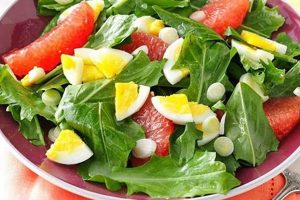
Recipes incorporating beets into salads offer a vibrant and nutritious addition to meals. These recipes often involve roasted, pickled, or raw beets, combined with various complementary ingredients such as greens, cheeses, nuts, and citrus fruits. A simple example includes roasted golden beets with goat cheese, toasted walnuts, and orange segments over baby spinach.
The nutritional value and diverse flavor profiles of beets make them a desirable salad component. Beets are rich in nitrates, which can improve blood flow and lower blood pressure. They also provide essential vitamins and minerals like folate, potassium, and manganese. From earthy red beets to the sweeter golden and chioggia varieties, their unique flavors contribute depth and complexity to a wide range of salad combinations. Historically, beets have been cultivated for both their roots and greens, demonstrating their versatility as a food source.
This article will explore various methods of preparing beets for salads, including roasting, pickling, and raw preparations. It will also delve into complementary flavor pairings and offer a selection of diverse beet salad recipes suitable for various occasions and dietary preferences.
Tips for Utilizing Beets in Salads
These tips offer guidance on incorporating beets into salads, maximizing flavor and visual appeal while minimizing potential drawbacks.
Tip 1: Roasting enhances sweetness. Roasting beets intensifies their natural sweetness and creates a tender texture. Beets can be roasted whole or pre-cut, depending on the desired outcome.
Tip 2: Prevent staining. The vibrant pigment of beets can stain other ingredients. Consider adding beets last or keeping them separate until serving to minimize color transfer.
Tip 3: Balance earthy flavors. The earthy notes of beets pair well with contrasting flavors, such as bright citrus, tangy cheeses, and crunchy nuts. Consider incorporating these elements to create a balanced flavor profile.
Tip 4: Utilize both root and greens. Beet greens are edible and nutritious. Saut or steam them as a separate side dish or incorporate them into the salad for added texture and nutritional value.
Tip 5: Pre-cooked beets offer convenience. Pre-cooked and vacuum-packed beets are readily available and provide a convenient shortcut for busy individuals.
Tip 6: Vary beet types for visual appeal. Different beet varieties, such as chioggia (candy cane) and golden beets, add visual interest and offer subtle flavor variations.
Tip 7: Proper storage maintains freshness. Store raw beets unwashed in the refrigerator for up to two weeks. Cooked beets can be refrigerated for up to five days.
Employing these tips ensures that the inclusion of beets in salads results in a delightful culinary experience, maximizing both flavor and nutritional benefits.
By understanding the versatility and nutritional value of beets, one can create vibrant and healthful salads that appeal to both the palate and the eye. The following section will offer specific recipe ideas to inspire culinary creativity.
1. Preparation Method

The preparation method chosen for beets significantly impacts their flavor, texture, and overall contribution to a salad. Different techniques unlock unique characteristics, influencing the final culinary experience. Understanding these nuances allows for informed decisions regarding recipe development and desired outcomes.
- Roasting
Roasting beets intensifies their natural sweetness and develops a tender, almost caramelized texture. This method mellows the earthy notes often associated with beets, making them more palatable to a wider range of palates. The dry heat of the oven concentrates the sugars within the beet, enhancing their inherent sweetness. Roasted beets provide a robust foundation for salads, pairing well with both bold and subtle flavors.
- Pickling
Pickling introduces a tangy, acidic dimension to beets, offering a refreshing counterpoint to richer salad components. The pickling process preserves the beets while imbuing them with the flavors of the pickling brine, commonly composed of vinegar, sugar, and spices. Pickled beets offer a vibrant pop of color and a crisp, firm texture, adding complexity to salads.
- Raw Preparation
Utilizing raw beets offers a crisp, earthy flavor and maintains the beet’s full nutritional profile. Thinly sliced or grated, raw beets provide a textural element and vibrant color. This preparation method requires careful selection of young, tender beets to ensure palatability. The earthy flavor of raw beets pairs well with strong cheeses and acidic dressings.
- Steaming/Boiling
Steaming or boiling beets results in a tender texture while preserving their earthy flavor. This method is efficient and less likely to dry out the beets compared to roasting. Steamed or boiled beets can be sliced, diced, or pureed for incorporation into salads, offering a versatile base for various flavor combinations.
The chosen preparation method fundamentally shapes the character of beets within a salad. By considering the desired flavor profile, textural elements, and overall aesthetic, one can select the most appropriate technique to create a harmonious and balanced salad composition. Each method offers distinct advantages, enabling culinary creativity and exploration within the realm of beet-centric salads.
2. Flavor Pairings
Flavor pairings constitute a crucial element in successful beet salad recipes. The inherent earthiness of beets necessitates thoughtful consideration of complementary ingredients. A balanced flavor profile arises from strategically combining contrasting or harmonizing tastes and textures. This interplay elevates the salad from a simple collection of ingredients to a cohesive and satisfying culinary experience. For instance, the sweetness of oranges or the tanginess of goat cheese offsets the earthy notes of beets, creating a more complex and nuanced flavor profile. Similarly, the peppery bite of arugula or watercress complements the beet’s sweetness, adding another layer of complexity.
Understanding the flavor interactions between beets and other ingredients unlocks numerous possibilities for recipe development. The earthy notes of beets provide a robust base for exploring diverse flavor combinations. Aromatic herbs like dill and mint can enhance the freshness of the salad, while toasted nuts or seeds introduce textural contrast and nutty undertones. Citrus vinaigrettes brighten the overall flavor profile, cutting through the richness of the beets and creating a refreshing counterpoint. These examples demonstrate the practical significance of understanding flavor pairings within the context of beet salad creation. The appropriate pairings not only enhance the taste of the salad but also contribute to its overall balance and appeal.
Successful beet salad recipes hinge on the careful consideration of flavor pairings. The goal is to create a harmonious balance that highlights the unique qualities of beets while mitigating any potentially overpowering earthiness. Balancing contrasting flavors and textures provides a more nuanced and enjoyable culinary experience. By understanding these principles, one can confidently experiment with a wide array of ingredients, crafting beet salads that are both flavorful and satisfying. Challenges may arise in balancing the strong flavors of certain cheeses or dressings; however, mindful ingredient selection and portion control mitigate these potential issues. Ultimately, understanding flavor pairings empowers culinary creativity and enables the development of unique and delicious beet salad recipes.
3. Variety Selection

Variety selection significantly impacts the flavor, color, and overall aesthetic of beet salads. Different beet varieties offer unique flavor profiles, ranging from earthy to sweet, and present a diverse color palette, enhancing the visual appeal of salads. Choosing the right variety contributes to a more nuanced and enjoyable culinary experience.
- Red Beets
The most common variety, red beets, possess a deep, earthy flavor and vibrant magenta color. Their robust flavor pairs well with strong cheeses like feta or goat cheese and acidic dressings. While their color adds visual appeal, they can stain other ingredients, requiring mindful preparation.
- Golden Beets
Golden beets offer a milder, sweeter flavor compared to red beets and possess a vibrant yellow-orange hue. Their sweetness complements delicate greens and lighter cheeses like ricotta. They are less likely to stain other ingredients, making them a versatile choice for salads.
- Chioggia Beets (Candy Cane Beets)
Chioggia beets are visually striking with their concentric red and white stripes. They possess a mild, sweet flavor similar to golden beets. Their unique appearance adds visual interest to salads, making them an attractive option for presentations.
- Cylindra Beets
Cylindra beets are characterized by their long, cylindrical shape, making them ideal for slicing and pickling. They have a slightly sweeter and less earthy flavor compared to traditional red beets. Their uniform shape contributes to a consistent texture in salads.
Selecting a variety or a combination of beet varieties allows for customization of flavor and visual presentation. The chosen variety should complement the other salad ingredients and contribute to a balanced and harmonious final product. Consider the overall flavor profile desired, the color palette, and the textural elements when selecting beets for a salad. The interplay of these factors ultimately determines the success and enjoyment of the dish.
4. Textural Contrast

Textural contrast plays a vital role in enhancing the sensory experience of beet salads. Beets, whether roasted, pickled, or raw, often present a smooth, sometimes dense texture. Incorporating ingredients with contrasting textures elevates the salad, preventing monotony and creating a more dynamic and engaging culinary experience. This interplay of textures stimulates the palate and adds depth to each bite. Crunchy elements, such as toasted nuts, seeds, or croutons, provide a stark contrast to the smoothness of beets. Similarly, crisp vegetables like cucumbers, bell peppers, or jicama introduce a refreshing snap. Consider a salad with roasted beets, crumbled goat cheese, candied pecans, and baby spinach: the soft beets and cheese contrast with the crunchy pecans and tender spinach, creating a multi-faceted textural experience.
The strategic use of textural contrast contributes significantly to the overall enjoyment of a beet salad. It adds complexity and prevents the salad from becoming one-dimensional. A variety of textures keeps the palate engaged and interested. For instance, a salad combining roasted beets with crispy fried shallots, creamy avocado, and peppery arugula offers a compelling interplay of textures: the soft beets, creamy avocado, crunchy shallots, and slightly bitter arugula create a symphony of sensations. Furthermore, textural contrast can also enhance the visual appeal of the salad, creating a more attractive and appetizing presentation. The visual diversity complements the textural variety, further enriching the dining experience.
Understanding the importance of textural contrast allows for the creation of well-balanced and engaging beet salads. It moves beyond simply combining ingredients to crafting a dish that stimulates multiple senses. While the flavor profile remains crucial, textural contrast adds another layer of complexity and enjoyment. One potential challenge lies in maintaining the desired textures, particularly with elements like croutons, which can become soggy. Addressing this requires careful timing and, potentially, serving crunchy elements separately. By considering textural elements as integral components of recipe development, one ensures a more satisfying and memorable culinary experience. This attention to detail elevates the simple beet salad to a sophisticated and enjoyable dish.
5. Nutritional Balance

Nutritional balance within beet salad recipes contributes significantly to their overall health benefits. Beets, while nutritionally dense, benefit from complementary ingredients that create a more complete and balanced dietary contribution. Strategically incorporating a variety of nutrients through diverse components enhances the salad’s value beyond its inherent qualities.
- Micronutrients from Beets
Beets provide essential micronutrients, including folate, manganese, and potassium. Folate contributes to cell growth and development, manganese plays a role in bone health and metabolism, and potassium helps regulate blood pressure. These micronutrients, inherent in beets, lay a foundation for a nutritionally valuable salad.
- Complementary Protein Sources
Adding protein to beet salads creates a more balanced meal. Nuts, seeds, legumes, or cheeses complement the beet’s nutrients. For example, walnuts provide omega-3 fatty acids and protein, while chickpeas offer fiber and protein. These additions enhance satiety and contribute to a more complete nutritional profile.
- Fiber from Leafy Greens and Vegetables
Incorporating leafy greens, such as spinach or kale, and other vegetables like carrots or bell peppers, adds dietary fiber. Fiber supports digestive health and helps regulate blood sugar levels. This further enhances the nutritional value of the salad by incorporating elements that complement the beet’s existing fiber content.
- Healthy Fats from Dressings and Additions
Incorporating healthy fats through dressings and additions like avocado or nuts enhances nutrient absorption. Avocado provides monounsaturated fats, while olive oil in dressings offers polyunsaturated fats. These fats aid in the absorption of fat-soluble vitamins and contribute to overall health. However, portion control is essential to manage caloric intake.
A nutritionally balanced beet salad provides a wide array of essential vitamins, minerals, fiber, and healthy fats. The combination of beets with complementary ingredients results in a dish that is not only flavorful but also contributes to a healthy diet. This synergistic approach to ingredient selection elevates the nutritional value of the salad beyond the individual contributions of its components. The resulting meal provides a more complete and satisfying dietary experience.
Frequently Asked Questions
This section addresses common inquiries regarding the utilization of beets in salads, providing concise and informative responses.
Question 1: How can staining from red beets be minimized when preparing salads?
Handling beets with gloves minimizes skin staining. Adding beets to the salad last or serving them separately prevents color transfer to other ingredients. Lightly coating cooked beets with oil can also create a barrier against staining.
Question 2: What are the best methods for storing raw and cooked beets?
Store unwashed raw beets in a sealed container in the refrigerator for up to two weeks. Remove the greens first to prevent moisture loss from the root. Cooked beets, stored in an airtight container, can be refrigerated for up to five days.
Question 3: How do different beet cooking methods impact their flavor and texture?
Roasting intensifies sweetness and creates a tender texture. Pickling adds a tangy flavor and preserves firmness. Steaming/boiling yields a tender texture while retaining an earthy flavor. Raw beets offer a crisp texture and pronounced earthy taste.
Question 4: What ingredients pair well with beets in salads to balance their earthy flavor?
Citrus fruits (oranges, grapefruit), tangy cheeses (goat cheese, feta), and crunchy nuts (walnuts, pecans) complement the earthiness of beets. Arugula, mint, and dill also offer balancing flavor profiles.
Question 5: Are beet greens edible, and how can they be incorporated into salads or other dishes?
Beet greens are edible and nutritious. Sauted, steamed, or added raw to salads, they provide a slightly bitter flavor that complements the sweetness of the root. They can also be incorporated into soups or stir-fries.
Question 6: Beyond salads, what other dishes benefit from the inclusion of beets?
Beets can be incorporated into borscht, dips and spreads, smoothies, and even desserts. Roasted beets can be a side dish, and pickled beets can be a flavorful addition to sandwiches.
Proper preparation and thoughtful ingredient pairings maximize the culinary and nutritional potential of beets in a variety of dishes.
The subsequent sections will provide specific beet salad recipes demonstrating the practical application of the principles discussed.
Conclusion
Exploration of beet salad recipes reveals the versatility of this root vegetable. Careful consideration of preparation methods, variety selection, complementary flavors, textural contrasts, and nutritional balance elevates beet salads from simple to sophisticated culinary creations. Roasting enhances sweetness, while pickling introduces tanginess. The interplay of earthy beet flavors with contrasting ingredients like goat cheese, citrus, and crunchy nuts creates a harmonious and balanced flavor profile. Attention to textural variety, incorporating elements like toasted nuts or crisp greens, further enhances the sensory experience. Finally, incorporating diverse ingredients ensures a nutritionally complete and satisfying meal.
Beet salad recipes offer a canvas for culinary creativity. Understanding the nuances of beet preparation and flavor pairings empowers experimentation and personalized adaptations. This knowledge allows for the creation of not just salads, but culinary experiences that delight the palate and nourish the body. The potential of beet salad recipes remains vast, inviting continued exploration and innovation within the culinary landscape.