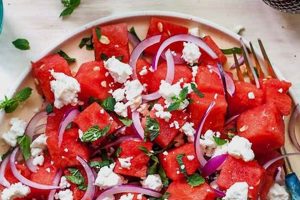
A dish combining the freshness of tomatoes and the creamy richness of avocados, typically complemented by other ingredients like onions, cilantro, lime juice, and seasonings, constitutes a simple yet flavorful salad. Variations might include additions such as corn, black beans, or different types of lettuce.
This type of salad offers a nutritional powerhouse, providing vitamins, healthy fats, and fiber. The ingredients are readily available and adaptable to various flavor profiles, making it a versatile option for meals or side dishes. Its popularity stems from its quick preparation and refreshing nature, suitable for diverse cuisines and dietary preferences, from vegan and vegetarian to gluten-free. Its simple elegance has cemented its place as a staple in many cultures.
Further exploration of this culinary creation will cover ingredient selection, preparation techniques, variations, and nutritional information, offering a comprehensive guide to creating and enjoying this healthy and delicious dish.
Tips for a Perfect Tomato Avocado Salad
Achieving optimal flavor and texture requires attention to detail throughout the preparation process. The following tips offer guidance for creating a superior salad.
Tip 1: Ingredient Selection Ripe, yet firm, avocados and tomatoes are crucial. Avocados should yield gently to pressure but not be mushy. Tomatoes should be vibrant in color and free from blemishes.
Tip 2: Knife Skills Uniformly sized pieces ensure even distribution of flavor and contribute to a visually appealing presentation. Dicing the tomatoes and avocados into similar-sized pieces is recommended.
Tip 3: Acidic Element A squeeze of fresh lime or lemon juice enhances the flavors and prevents the avocado from browning. The acid also adds brightness to the overall taste.
Tip 4: Seasoning Salt and freshly ground black pepper are essential. A pinch of red pepper flakes can add a touch of heat. Other herbs and spices, such as cilantro or cumin, can be incorporated to complement individual preferences.
Tip 5: Gentle Handling Avocados are delicate. Care should be taken to avoid overmixing or bruising the avocado pieces during preparation and combining with other ingredients.
Tip 6: Timing To prevent the salad from becoming watery, it’s best to prepare and serve it immediately before consumption. This preserves the freshness and integrity of the individual ingredients.
Tip 7: Serving Suggestions This versatile salad can be enjoyed on its own, as a side dish, or as a topping for grilled meats or fish. It also pairs well with crusty bread or tortilla chips.
By following these tips, one can elevate a simple tomato and avocado salad to a delightful culinary experience. Attention to these details ensures a harmonious blend of flavors and textures.
These guidelines provide a foundation for creating a delicious and satisfying salad, adaptable to various tastes and preferences.
1. Fresh, Ripe Ingredients

The foundation of a successful tomato avocado salad rests upon the quality of its primary components: fresh, ripe tomatoes and avocados. Ingredient selection significantly impacts the final flavor, texture, and overall enjoyment of the dish. Selecting produce at peak ripeness is paramount to achieving optimal results.
- Tomato Selection
Tomatoes contribute acidity, sweetness, and juiciness. Choosing ripe tomatoes with vibrant color, smooth skin, and a slight give when gently squeezed ensures optimal flavor. Different varieties, such as heirloom or Roma tomatoes, offer unique flavor profiles and textures, allowing for customization.
- Avocado Selection
Avocados provide creaminess, richness, and healthy fats. Selecting ripe avocados that yield to gentle pressure, but are not overly soft, is essential. Overripe avocados can result in a mushy texture, while underripe avocados lack flavor and desirable creaminess. The variety of avocado can also influence the flavor profile, with Hass avocados being a popular choice for their rich, nutty flavor.
- Impact on Flavor
Fresh, ripe ingredients translate directly to a more flavorful salad. The natural sweetness of ripe tomatoes complements the buttery richness of ripe avocados. Using subpar produce compromises the overall taste and diminishes the salad’s vibrancy. The interplay of these ripe flavors creates a balanced and satisfying culinary experience.
- Impact on Texture
Texture plays a vital role in the enjoyment of a salad. Ripe tomatoes offer a juicy burst, while ripe avocados contribute a smooth, creamy texture. The contrast between these textures creates a delightful mouthfeel. Overripe or underripe produce can lead to undesirable textures, such as mushiness or excessive firmness, detracting from the overall enjoyment.
Ultimately, the careful selection of fresh, ripe tomatoes and avocados elevates the tomato avocado salad from a simple dish to a vibrant and flavorful culinary experience. Prioritizing quality ingredients ensures a satisfying combination of taste and texture, highlighting the inherent qualities of these key components.
2. Balanced Flavor Profiles

A successful tomato avocado salad hinges on a harmonious interplay of flavors. Balancing the richness of avocados with contrasting tastes and textures creates a dynamic and satisfying culinary experience. This balance prevents any single flavor from dominating, allowing the individual components to shine while contributing to a cohesive whole.
- Acidity
Acidity plays a crucial role in cutting through the richness of the avocado and brightening the overall flavor profile. Citrus juices, such as lime or lemon, are commonly used. The tartness balances the creaminess of the avocado, preventing the salad from feeling heavy or overly rich. Vinegars, like red wine vinegar or apple cider vinegar, offer alternative acidic notes. The level of acidity should be carefully calibrated to complement, not overpower, the other ingredients.
- Saltiness
Salt enhances the natural flavors of the tomatoes and avocados. It also helps to season the other components of the salad, such as onions or herbs. A judicious use of salt is essential. Too much salt can overwhelm the delicate flavors, while too little can leave the salad tasting bland. Flaky sea salt or kosher salt are preferred for their texture and ability to distribute evenly.
- Spice/Heat (Optional)
Introducing an element of spice or heat adds complexity and depth to the salad. A pinch of red pepper flakes, a diced jalapeo, or a drizzle of chili oil can provide a welcome kick. The level of spice should be tailored to individual preferences. Care should be taken not to overwhelm the delicate balance of flavors. The heat should complement, not dominate, the other components.
- Fresh Herbs and Aromatics
Fresh herbs and aromatics contribute brightness and complexity to the salad. Cilantro, parsley, chives, or mint offer distinct aromatic notes. Onions, red onion, or shallots add pungency and depth. Garlic can be incorporated judiciously for a subtle savory note. The choice of herbs and aromatics should complement the other flavors, creating a well-rounded and balanced profile.
The careful consideration of these elements ensures a well-balanced tomato avocado salad that highlights the inherent qualities of each ingredient. Achieving this balance elevates the salad from a simple combination of ingredients to a more nuanced and satisfying culinary creation. The interplay of these flavor profiles creates a symphony of tastes that tantalize the palate.
3. Proper Cutting Techniques

Proper cutting techniques are essential for creating a visually appealing and palatable tomato avocado salad. Uniformly sized pieces ensure even flavor distribution, prevent the avocado from becoming mushy, and contribute to a pleasant textural experience. Consistent cuts also enhance the overall aesthetic presentation of the salad.
- Dicing
Dicing involves cutting ingredients into small, uniform cubes. This technique is crucial for both tomatoes and avocados in a salad. Evenly diced pieces ensure that each bite contains a balanced combination of flavors and textures. Dicing also promotes even distribution of dressing and prevents larger pieces from overpowering smaller ones.
- Slicing
Slicing creates thin, flat pieces. While less common for avocados in this context, slicing can be used for tomatoes if a different visual presentation is desired. Consistent thickness is key to ensuring even flavor distribution and preventing some slices from being overly thick or thin. This technique can be useful for creating layered salads.
- Handling Avocados
Avocados require careful handling to avoid bruising. Using a sharp knife prevents unnecessary pressure and damage to the delicate flesh. Once cut, avocados should be handled gently to maintain their shape and prevent them from becoming mushy. Minimizing handling time also helps to prevent browning.
- Knife Sharpness
A sharp knife is paramount for achieving clean cuts and preventing the avocado from being crushed or bruised. Dull knives require more force, leading to uneven pieces and a less appealing final product. A sharp knife also facilitates safer and more efficient preparation.
Implementing these cutting techniques contributes significantly to the overall success of the tomato avocado salad. Precise cuts ensure a harmonious blend of flavors, textures, and visual appeal, elevating the dish from a simple combination of ingredients to a more refined and enjoyable culinary experience. Consistent sizes create a pleasing aesthetic and ensure each bite offers a balanced representation of all components.
4. Optimal Ripeness

Optimal ripeness of both tomatoes and avocados is paramount in determining the overall quality and enjoyment of a tomato avocado salad. This ripeness directly influences flavor, texture, and the harmonious interplay of ingredients. Underripe produce results in a bland, firm, and potentially unpleasant salad, while overripe produce leads to a mushy, watery consistency lacking structural integrity.
Ripe tomatoes offer a balanced sweetness and acidity crucial for a flavorful salad. Their texture should yield slightly to pressure but maintain enough firmness to hold their shape when diced. A perfectly ripe avocado provides a creamy texture and rich, nutty flavor that complements the tomato. It should yield gently to pressure but not be excessively soft or mushy. For instance, a firm, underripe avocado will lack the characteristic creaminess, resulting in a less satisfying mouthfeel and diminished flavor. Conversely, an overripe avocado will be difficult to handle, resulting in a bruised, unappetizing appearance and a watery consistency that compromises the salad’s structural integrity.
Selecting produce at peak ripeness ensures the full expression of flavor and the desired textural contrast between the juicy tomato and creamy avocado. This delicate balance elevates the salad from a simple combination of ingredients to a more complex and enjoyable culinary experience. Careful attention to ripeness guarantees optimal flavor and texture, maximizing the potential of this simple yet versatile dish. Failure to select optimally ripe produce can significantly detract from the overall quality and enjoyment of the salad, highlighting the critical role of ripeness in achieving a successful outcome.
5. Simple, Complementary Seasonings

Seasoning a tomato avocado salad effectively requires a nuanced approach. The goal is to enhance the natural flavors of the primary ingredientstomatoes and avocadoswithout overpowering their delicate balance. Simple, complementary seasonings achieve this by adding depth and complexity while respecting the inherent qualities of the core components. Overly complex or aggressive seasonings can mask the fresh flavors, detracting from the salad’s intended vibrancy.
- Salt
Salt is fundamental. It amplifies the inherent sweetness of ripe tomatoes and the buttery richness of avocados. Using high-quality sea salt or kosher salt enhances the flavor profile without introducing unwanted mineral notes. The quantity should be carefully calibrated to avoid overwhelming the delicate balance. A light hand ensures the salt complements, rather than dominates, the other flavors.
- Black Pepper
Freshly ground black pepper adds a subtle layer of complexity. Its mild spice contrasts the creamy avocado and juicy tomato, creating a more dynamic flavor profile. Pre-ground pepper often lacks the vibrancy and aromatic intensity of freshly ground peppercorns, diminishing the potential impact on the final dish.
- Acidic Enhancements
A touch of acidity further brightens the salad, balancing the richness of the avocado. Freshly squeezed lime or lemon juice is a classic choice, adding a citrusy note that complements the other flavors. A high-quality vinegar, such as a white wine vinegar or apple cider vinegar, offers an alternative acidic element. The acidity also helps to prevent the avocado from oxidizing and browning.
- Fresh Herbs
Fresh herbs provide an aromatic lift and contribute another layer of flavor complexity. Cilantro, with its bright, citrusy notes, is a popular choice. Other herbs, such as parsley, chives, or mint, can be used to create different flavor profiles depending on individual preferences. The key is to use fresh, vibrant herbs that complement the other ingredients without overpowering the delicate balance.
The judicious use of these simple, complementary seasonings elevates the tomato avocado salad without masking the fresh, vibrant flavors of its core ingredients. Careful consideration of each element ensures a harmonious balance, transforming a simple combination of ingredients into a more nuanced and satisfying culinary experience. This approach highlights the inherent qualities of the tomatoes and avocados, allowing their natural flavors to shine through while benefiting from subtle enhancements provided by the seasonings.
Frequently Asked Questions
This section addresses common inquiries regarding the preparation and enjoyment of tomato avocado salad, offering practical guidance and clarifying potential uncertainties.
Question 1: How can browning of avocados be prevented?
Avocado browning results from oxidation upon exposure to air. Minimizing air contact and introducing an acidic element, such as lemon or lime juice, helps prevent discoloration. Storing leftover salad with the avocado surface pressed against plastic wrap or in an airtight container further limits oxidation.
Question 2: What are suitable tomato varieties for this salad?
Various tomato types complement this salad. Ripe Roma tomatoes offer a balanced sweetness and firm texture. Heirloom tomatoes introduce nuanced flavors and vibrant colors. Cherry or grape tomatoes provide a burst of sweetness and visual appeal. The choice depends on individual preference and desired aesthetic.
Question 3: Can this salad be prepared in advance?
While best enjoyed fresh, advance preparation is possible. Storing diced tomatoes and avocados separately, then combining just before serving, helps maintain optimal texture. Adding the acidic element (citrus juice or vinegar) to the avocado helps prevent browning.
Question 4: What dressings complement this salad?
Simple dressings enhance the natural flavors. A light vinaigrette, a drizzle of olive oil and balsamic glaze, or a simple lemon-herb dressing complement the ingredients without overpowering their delicate balance. Heavy or creamy dressings may mask the fresh flavors.
Question 5: How can ripeness of avocados be determined?
Gentle pressure indicates ripeness. A ripe avocado yields slightly to pressure but remains firm. Avoiding avocados with overly soft spots or indentations is advisable. Color can be an indicator, but relying solely on color can be misleading. The stem test, where a slight twist removes the stem easily revealing green underneath, also signifies ripeness.
Question 6: What are suitable additions to enhance the salad?
Numerous ingredients complement the core components. Crumbled feta cheese, toasted nuts, or seeds add texture and flavor. Corn, black beans, or chickpeas introduce protein and heartiness. Red onion provides a pungent counterpoint. Incorporating grilled chicken, shrimp, or fish transforms the salad into a complete meal.
Understanding these elements ensures successful preparation and enjoyment of a flavorful and visually appealing tomato avocado salad. Careful ingredient selection, proper handling techniques, and balanced seasoning contribute to a satisfying culinary experience.
This concludes the frequently asked questions section. The following section will offer some final thoughts and recipe variations.
Tomato Avocado Salad Recipe
Exploration of this straightforward yet versatile dish reveals the importance of ingredient quality, precise preparation, and balanced flavor profiles. Optimal ripeness of tomatoes and avocados is paramount. Proper cutting techniques maintain texture and visual appeal. Judicious seasoning enhances, rather than masks, inherent flavors. Acidity, from citrus or vinegar, provides balance and brightness. Fresh herbs and optional additions offer further complexity.
Culinary creations, even seemingly simple ones, offer opportunities for creativity and sensory exploration. Consideration of these elements elevates a basic tomato avocado salad to a delightful culinary experience. This exploration encourages appreciation for the potential of fresh ingredients and thoughtful preparation in crafting satisfying and nutritious dishes. Experimentation with variations and flavor combinations allows for personalized culinary expression.