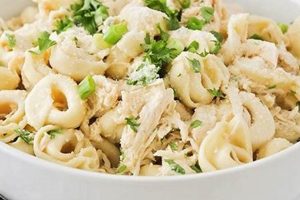
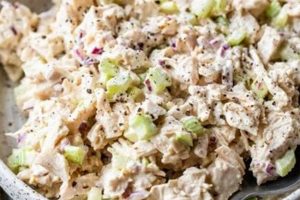
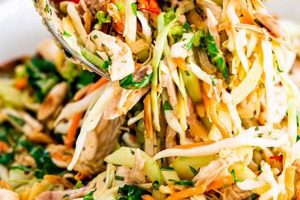
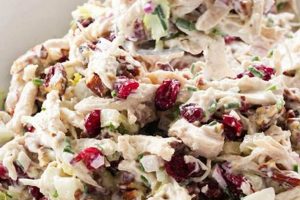
A blend of cooked chicken, mayonnaise, and often other ingredients such as celery, onion, herbs, and spices creates a versatile dish suitable for sandwiches, salads, or appetizers. Variations include additions like grapes, nuts, or dried fruits. The preparation involves combining cooked, shredded or diced chicken with mayonnaise and chosen supplementary ingredients.
This dish offers a convenient and protein-rich meal option. Its adaptable nature allows for customization to individual preferences and dietary needs. Historically, similar preparations have existed for centuries, with mayonnaise gaining popularity in the 18th century, eventually leading to the development of this classic dish. Its ease of preparation and relatively inexpensive ingredients contribute to its continued popularity.
Further exploration will encompass variations in ingredients, preparation techniques, nutritional information, and serving suggestions. Considerations for dietary restrictions and modifications will also be addressed.
Tips for a Superior Chicken Mayonnaise Salad
Optimizing the preparation process ensures a flavorful and satisfying culinary experience. Attention to detail in ingredient selection and technique yields significant improvements in the final product.
Tip 1: Chicken Selection: Utilizing high-quality, properly cooked chicken significantly impacts the overall flavor. Rotisserie chicken offers a convenient and flavorful option, while poaching or baking boneless, skinless breasts provides a leaner alternative.
Tip 2: Mayonnaise Matters: Full-fat mayonnaise delivers a richer, creamier texture and flavor. Experimenting with different brands or incorporating flavored mayonnaises can add depth.
Tip 3: Enhancing Texture: Incorporating finely diced celery and onion introduces a satisfying crunch. Consider adding chopped apples, grapes, or walnuts for varied textural complexity.
Tip 4: Seasoning Strategies: Freshly ground black pepper, paprika, or a pinch of cayenne pepper elevates the flavor profile. Fresh herbs such as dill, parsley, or chives provide a bright, aromatic touch.
Tip 5: Balancing Flavors: A touch of acidity, achieved through lemon juice or apple cider vinegar, balances the richness of the mayonnaise and brightens the overall taste.
Tip 6: Chilling Time: Allowing the mixture to chill for at least 30 minutes before serving allows the flavors to meld and the salad to firm up, improving both taste and texture.
Tip 7: Serving Suggestions: Consider serving the salad on bread, crackers, lettuce cups, or as a filling for tomatoes or avocados. It also pairs well with a variety of side dishes.
By following these guidelines, one can elevate a simple dish to a culinary delight, ensuring a balanced and satisfying meal.
These tips contribute to a well-rounded understanding of the preparation process and lay the groundwork for creative exploration in the kitchen.
1. Ingredients

Ingredient selection significantly influences the final flavor profile, texture, and overall quality of a chicken mayonnaise salad. Careful consideration of each component ensures a balanced and palatable result. The following facets illustrate the crucial role ingredients play in this versatile dish.
- Primary Components: Chicken and Mayonnaise
Cooked chicken and mayonnaise form the foundation of this salad. The chicken provides protein and substance, while the mayonnaise acts as a binding agent and contributes richness and flavor. Chicken choices range from shredded rotisserie chicken for convenience to diced, home-cooked chicken for controlled flavor and texture. Mayonnaise options include full-fat for a classic, creamy texture or reduced-fat alternatives for a lighter version.
- Textural Elements: Vegetables and Fruits
Adding textural elements enhances the sensory experience. Common additions include finely diced celery and onion for a crisp, refreshing contrast. Incorporating fruits like grapes or apples adds a touch of sweetness and further textural diversity. Nuts, such as chopped walnuts or pecans, provide another layer of crunch.
- Flavor Enhancers: Herbs, Spices, and Acids
Flavor enhancers elevate the overall taste profile. Fresh herbs like dill, parsley, or chives add brightness and complexity. Spices such as paprika, cayenne pepper, or curry powder introduce depth and warmth. A touch of acidity from lemon juice or vinegar balances the richness of the mayonnaise and brightens the other flavors.
- Optional Additions: Enhancing Flavor and Texture
Optional additions offer opportunities for customization. Hard-boiled eggs contribute protein and a creamy texture. Dried cranberries or raisins offer bursts of sweetness. Seeds, such as sunflower or pumpkin seeds, provide additional nutritional value and textural interest.
The interplay of these ingredient categories determines the character of the final product. Thoughtful selection and balanced proportions create a chicken mayonnaise salad ranging from a simple, classic dish to a complex and nuanced culinary creation.
2. Proportions
Achieving a well-balanced and flavorful chicken mayonnaise salad hinges on the correct proportions of its ingredients. The ratio of chicken to mayonnaise, as well as the quantity of added ingredients, significantly impacts the overall taste, texture, and consistency. Careful consideration of these proportions ensures a harmonious blend of flavors and a pleasant culinary experience.
- Chicken-to-Mayonnaise Ratio
The chicken-to-mayonnaise ratio determines the richness and moisture content of the salad. A higher proportion of chicken results in a denser, less creamy salad, suitable for sandwiches or wraps. Conversely, a higher proportion of mayonnaise creates a creamier, richer salad, ideal for serving as a dip or spread. A balanced ratio typically involves roughly equal parts, by volume, of chicken and mayonnaise. This provides a balance of flavor and texture, suitable for various applications.
- Quantity of Textural Ingredients
The quantity of textural ingredients, such as celery and onion, impacts the overall crunch and complexity of the salad. Adding too much can overpower the other flavors, while too little may not provide sufficient textural contrast. A general guideline involves using approximately one-quarter to one-third the volume of celery and onion compared to the chicken. This proportion provides a pleasant crunch without dominating the flavor profile.
- Flavor Enhancer Proportions
Herbs, spices, and acidic elements contribute significantly to the overall taste. Overuse can create an unbalanced flavor profile, while underuse can result in a bland salad. Start with small amounts of herbs and spices, tasting and adjusting until the desired flavor intensity is achieved. A squeeze of lemon juice or a splash of vinegar adds brightness without overpowering the other flavors. The specific proportions depend on individual preferences and the intensity of the chosen ingredients.
- Impact of Additional Ingredients
Optional additions, such as fruits, nuts, or eggs, further influence the flavor and texture. These ingredients should be added in moderation to complement the core components rather than overshadow them. The specific quantities depend on the chosen ingredients and desired outcome. For instance, adding too many grapes can make the salad overly sweet, while too many nuts can create an excessively dense texture. Experimentation and tasting are key to achieving the desired balance.
Understanding and adjusting these proportions allows for customization and optimization of the chicken mayonnaise salad to suit specific preferences and applications. A balanced approach to ingredient ratios results in a delicious and satisfying dish with harmonious flavors and textures.
3. Preparation Method

Preparation methods significantly influence the final quality and character of a chicken mayonnaise salad. Distinct techniques affect texture, consistency, and even flavor development. Understanding these nuances allows for controlled manipulation of the final product, ensuring a desirable outcome tailored to specific preferences and serving styles.
Chicken Preparation: The method employed for cooking the chicken impacts its texture and flavor contribution to the salad. Poaching or steaming yields a moist, tender result, ideal for a smoother, creamier salad. Roasting or grilling imparts a smoky char and a firmer texture, contributing a more robust flavor profile. Pre-cooked options, such as rotisserie chicken, offer convenience while potentially introducing variations in flavor and texture based on their preparation. The chosen method affects the chicken’s integration with other ingredients and the overall sensory experience.
Ingredient Incorporation: The order and method of incorporating ingredients influence the final texture and flavor distribution. Combining the mayonnaise with seasonings and flavor enhancers before adding the chicken ensures even distribution. Gentle folding prevents overmixing, which can result in a dense, less desirable texture. Gradual addition of textural components, such as celery and onion, allows for controlled distribution and prevents clumping. These subtle nuances in technique contribute significantly to the overall quality and consistency of the salad.
Chilling and Resting: Chilling the prepared salad allows flavors to meld and enhances the final texture. A resting period of at least 30 minutes, preferably longer, allows the ingredients to harmonize, resulting in a more cohesive and flavorful product. Chilling also firms the texture, making the salad easier to handle for specific applications, such as sandwich fillings or shaped appetizers.
Mastery of the preparation method ensures consistent and desirable results. Understanding the impact of each step, from chicken preparation to chilling, allows for control over the final product. This knowledge empowers culinary exploration, enabling adaptation and refinement of the chicken mayonnaise salad to achieve diverse flavor profiles and textures aligned with specific culinary goals.
4. Serving Suggestions

Serving suggestions enhance the versatility of chicken mayonnaise salad, transforming a simple mixture into a diverse range of culinary applications. Consideration of presentation and accompaniments elevates the dining experience, extending beyond basic consumption to a more curated and enjoyable meal.
- Sandwiches and Wraps:
Chicken mayonnaise salad serves as a classic sandwich filling, offering a balance of protein, flavor, and texture. Its creamy consistency spreads easily, complementing various bread types, from crusty sourdough to soft white bread. Wraps provide a lighter alternative, with options like tortillas, lavash, or lettuce wraps offering diverse flavor and dietary accommodations. Additions like lettuce, tomato, and onion enhance texture and flavor complexity within the sandwich or wrap.
- Salads and Bowls:
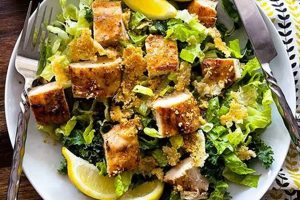
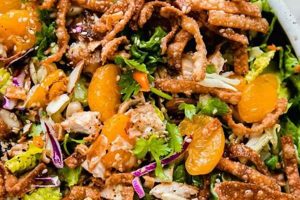
Incorporating chicken mayonnaise salad into green salads adds protein and richness. Serving it atop a bed of mixed greens with complementary vegetables and a light vinaigrette creates a balanced and satisfying meal. Grain bowls offer another option, with the salad providing a creamy counterpoint to grains like quinoa or rice. The versatility of the salad allows for seamless integration into diverse salad and bowl combinations.
- Appetizers and Snacks:
Chicken mayonnaise salad adapts well to appetizer formats. Serving it as a dip with crackers, crudits, or chips provides a flavorful and convenient snack. Stuffed tomatoes or avocados offer a more substantial appetizer option, showcasing the salad’s versatility in presentation and flavor combinations. Mini croissants or phyllo cups filled with the salad provide elegant and bite-sized portions suitable for formal occasions.
- Side Dish Accompaniments:
Chicken mayonnaise salad can complement various main courses as a side dish. Its creamy texture and savory flavor profile pair well with grilled meats, fish, or roasted vegetables. Serving it alongside a simple green salad or a fruit salad provides a balanced and refreshing contrast to richer main dishes. The salad’s adaptability allows it to harmonize with a range of culinary styles and flavor profiles.
These diverse serving suggestions demonstrate the adaptability of chicken mayonnaise salad, highlighting its potential beyond a basic preparation. Creative presentation and thoughtful pairings elevate the dining experience, showcasing the salad’s versatility and transforming it into a culinary centerpiece suitable for various occasions and palates.
5. Variations

Variations within chicken mayonnaise salad recipes demonstrate the adaptability of this dish, reflecting diverse culinary traditions and individual preferences. These modifications extend beyond simple ingredient substitutions, encompassing alterations in texture, flavor profiles, and even presentation. The capacity for variation underscores the inherent flexibility of the core recipe, allowing for personalized interpretations while retaining the fundamental essence of the dish.
Classic variations often incorporate regional influences. A curry-infused chicken mayonnaise salad reflects the flavors of South Asian cuisine, while the addition of grapes and walnuts aligns with traditional American preparations. Dietary adaptations also drive variations, with substitutions like Greek yogurt for mayonnaise offering a lower-fat alternative. Texture modifications, such as the inclusion of chopped water chestnuts or apples, introduce contrasting levels of crispness. These examples illustrate how variations cater to both cultural preferences and practical dietary needs.
The practical significance of understanding these variations lies in the ability to tailor the recipe to specific contexts. Whether adapting for dietary restrictions, accommodating cultural preferences, or simply exploring new flavor combinations, variations expand the culinary potential of chicken mayonnaise salad. Recognizing the interplay of ingredients and techniques allows for informed adjustments, ensuring a consistently satisfying and personalized culinary experience. This adaptability contributes to the enduring popularity of chicken mayonnaise salad, allowing it to remain a relevant and versatile dish across diverse culinary landscapes.
Frequently Asked Questions
Addressing common inquiries regarding chicken mayonnaise salad recipes provides clarity and facilitates successful preparation. The following questions and answers offer practical guidance for achieving optimal results.
Question 1: What type of chicken is best suited for this recipe?
While various cooked chicken options suffice, using rotisserie chicken offers convenience and robust flavor. Alternatively, poached or baked boneless, skinless chicken breasts provide a leaner choice. Canned chicken, though less flavorful, presents a budget-friendly option.
Question 2: Can mayonnaise be substituted with a healthier alternative?
Plain Greek yogurt offers a lower-fat and higher-protein alternative to mayonnaise, impacting the overall flavor and texture. Avocado can also be used, creating a richer, denser salad. The chosen substitute influences the nutritional profile and culinary characteristics of the final dish.
Question 3: How long can chicken mayonnaise salad be stored safely?
Properly stored in an airtight container within a refrigerator, chicken mayonnaise salad typically remains safe for consumption for up to three to five days. Indicators of spoilage include a sour odor, discoloration, or a slimy texture. Adhering to food safety guidelines ensures optimal quality and minimizes the risk of foodborne illnesses.
Question 4: How can one prevent the salad from becoming watery?
Excess moisture can stem from watery vegetables or overmixing. Ensuring vegetables are adequately drained before incorporation mitigates this issue. Gentle folding, as opposed to vigorous mixing, preserves the salad’s desired texture. Properly chilling the salad also helps maintain its consistency.
Question 5: What are some creative ways to serve chicken mayonnaise salad beyond sandwiches?
Chicken mayonnaise salad’s versatility extends to various applications. It can be served as a filling for lettuce wraps, bell peppers, or avocados. It also functions as a dip for crackers or crudits. Incorporating it into a green salad or using it as a topping for baked potatoes offers further culinary possibilities.
Question 6: Can this recipe be adapted for specific dietary needs, such as gluten-free or dairy-free?
Adapting the recipe to dietary restrictions is achievable. Using gluten-free bread or crackers ensures gluten-free compatibility. Dairy-free mayonnaise or yogurt alternatives cater to dairy-free requirements. Ingredient awareness and careful selection ensure the recipe aligns with specific dietary needs without compromising flavor or enjoyment.
Understanding these common inquiries assists in successful preparation and customization, resulting in a satisfying and enjoyable culinary experience. Addressing these points fosters confidence in adapting and modifying the recipe based on individual needs and preferences.
This comprehensive overview provides a solid foundation for exploring the various facets of chicken mayonnaise salad recipes, paving the way for further culinary experimentation.
Chicken Mayonnaise Salad Recipe
Exploration of chicken mayonnaise salad recipes reveals a dish characterized by simplicity, versatility, and adaptability. From ingredient selection and proportioning to preparation methods and serving suggestions, each facet contributes to the final product’s character. Understanding these elements allows for informed customization, accommodating diverse palates and dietary requirements. Variations, ranging from classic combinations to innovative interpretations, further underscore the dish’s enduring appeal.
Chicken mayonnaise salad recipes offer a canvas for culinary creativity. Continued exploration of flavor profiles, textural nuances, and presentation styles promises further evolution of this timeless dish. Its adaptability ensures relevance within the ever-changing culinary landscape, solidifying its place as a staple in kitchens worldwide.