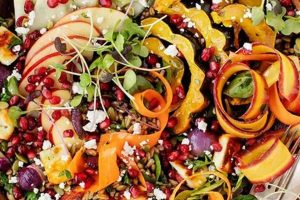
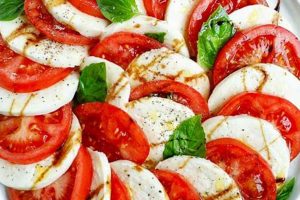
A vibrant and nutritious dish, this culinary combination typically involves raw or cooked beets and carrots, often shredded or thinly sliced. Complementary ingredients can include a variety of other vegetables, nuts, seeds, and dressings, offering a wide range of flavor profiles from tangy and sweet to earthy and savory. A simple version might involve grated beets and carrots tossed with lemon juice, olive oil, and fresh herbs. More complex variations might incorporate ingredients like feta cheese, orange segments, or toasted walnuts.
This blend offers significant nutritional value. Beets are rich in nitrates, which can contribute to improved blood flow and lower blood pressure. Carrots are an excellent source of beta-carotene, a precursor to vitamin A, which is essential for eye health. Combining these root vegetables creates a dish packed with vitamins, minerals, and fiber, promoting overall well-being. This accessible and adaptable combination has likely been enjoyed in various forms across cultures for centuries, adapting to regional ingredients and culinary traditions.
The following sections will explore specific variations, including raw and cooked preparations, different dressing options, and tips for optimal ingredient selection and preparation techniques. Nutritional information and potential health benefits will be further detailed.
Tips for a Perfect Beetroot and Carrot Salad
Achieving optimal flavor and texture requires attention to detail throughout the preparation process. The following tips offer guidance for creating a truly exceptional salad.
Tip 1: Select Fresh, High-Quality Ingredients: Choose firm, brightly colored beets and carrots. Avoid vegetables with blemishes or soft spots. The freshest ingredients yield the best flavor and texture.
Tip 2: Proper Handling of Beets: Wear gloves when handling beets to prevent staining. Trim the greens, leaving about an inch of stem to prevent bleeding during cooking. Roasting beets intensifies their sweetness and adds depth of flavor.
Tip 3: Balancing Flavors: The earthy sweetness of beets pairs well with acidic elements. Consider incorporating citrus juices, vinegars, or a touch of sweetness like honey or maple syrup to balance the flavors.
Tip 4: Texture Considerations: Varying textures adds interest. Grating, julienning, or dicing the vegetables creates different mouthfeels. Toasting nuts or seeds provides a satisfying crunch.
Tip 5: Dressing Application: Dress the salad just before serving to prevent the vegetables from becoming soggy. Start with a small amount of dressing and add more as needed, ensuring even coating.
Tip 6: Ingredient Combinations: Experiment with complementary flavors. Consider adding ingredients like feta cheese, oranges, apples, fresh herbs, or spices such as cumin or coriander.
Tip 7: Chilling for Optimal Flavor: Chilling the salad for a short time allows the flavors to meld and enhances the refreshing quality of the dish, particularly beneficial for warm weather.
By following these guidelines, one can elevate this simple combination to a truly delightful culinary experience. Careful ingredient selection, balanced flavors, and attention to texture contribute to a salad that is both nutritious and satisfying.
The following section will provide a selection of specific recipe variations incorporating these tips.
1. Ingredient Selection

Ingredient selection significantly impacts the final quality and flavor profile of a beetroot and carrot salad. Careful consideration of each component contributes to a balanced and enjoyable culinary experience. Choosing fresh, firm beets and carrots with vibrant color ensures optimal flavor and texture. Beets with blemishes or soft spots may indicate age or improper storage, potentially affecting the taste and overall appeal of the salad. Similarly, carrots should be crisp and free from cracks or discoloration.
Beyond the core ingredients, the selection of complementary components influences the overall taste and nutritional value. Fresh herbs, such as dill, parsley, or mint, can provide bright, herbaceous notes. Nuts and seeds, like walnuts, sunflower seeds, or pumpkin seeds, add textural contrast and healthy fats. Cheese, such as feta or goat cheese, introduces creamy and tangy elements. Dried fruits, like cranberries or raisins, offer sweetness and chewiness. The choice of dressing also plays a critical role. A light vinaigrette with citrus or vinegar enhances the natural sweetness of the beets and carrots, while a creamy dressing adds richness. The quality of the oil used in the dressing also affects the final flavor.
Strategic ingredient selection elevates the salad from a simple combination of vegetables to a complex and nuanced dish. Prioritizing fresh, high-quality ingredients and considering the interplay of flavors and textures are essential for creating a successful beetroot and carrot salad. Understanding these nuances allows for adaptability and creativity, enabling the creation of variations tailored to individual preferences and dietary needs. This foundation of thoughtful ingredient selection ultimately determines the overall sensory experience and nutritional value of the final product.
2. Flavor Balance

Flavor balance is paramount in a successful beetroot and carrot salad. The inherent sweetness of these root vegetables necessitates careful consideration of counterbalancing elements to prevent an overly sugary profile. A harmonious blend of flavors elevates this simple salad to a more complex and satisfying culinary experience. Achieving this balance requires an understanding of how different taste profiles interact and complement each other within the dish.
- Acidity
Acidity plays a crucial role in cutting through the sweetness of the beets and carrots. Common acidic ingredients include lemon juice, vinegar (red wine, apple cider, or balsamic), and even a touch of orange zest. The sharpness of these ingredients provides a refreshing counterpoint to the earthy sweetness, creating a more vibrant and balanced flavor profile. For example, a bright lemon vinaigrette adds a zesty dimension to an otherwise sweet salad. The level of acidity should be adjusted to personal preference, but enough should be present to prevent the salad from tasting overly sweet.
- Earthy Notes
Earthy notes complement the natural earthiness of the root vegetables. Ingredients like walnuts, pecans, or toasted sunflower seeds introduce a nutty, earthy dimension. Fresh herbs such as parsley, dill, or mint contribute an herbaceous, slightly earthy element. These flavors enhance the overall complexity of the salad without overpowering the sweetness of the beets and carrots. For example, toasted walnuts provide both texture and a complementary earthy flavor, enhancing the overall sensory experience.
- Salt and Spice
Salt enhances the sweetness of the vegetables and balances other flavors. A pinch of sea salt or kosher salt is typically sufficient. Spices can add warmth and complexity. Cumin, coriander, or even a pinch of cayenne pepper can introduce subtle heat and depth. The careful use of salt and spice is essential to avoid masking the natural flavors of the core ingredients. A pinch of cumin can add a warm, earthy note that complements both beets and carrots.
- Fat
Fat, typically from the dressing, contributes richness and helps carry flavors throughout the salad. Olive oil, avocado oil, or even a touch of toasted sesame oil adds a textural element and helps distribute the flavors evenly. The choice of fat can also introduce subtle flavor nuances. For example, extra virgin olive oil provides a fruity and peppery note, while avocado oil offers a more neutral flavor profile, allowing the other ingredients to shine.
A well-balanced beetroot and carrot salad relies on the interplay of these flavor components. The inherent sweetness of the vegetables is tempered by acidity, complemented by earthy notes, and enhanced by the judicious use of salt, spice, and fat. The careful consideration of these elements results in a salad that is not only nutritious but also offers a complex and satisfying flavor profile, elevating a simple dish to a culinary delight.
3. Texture Variation

Texture variation is a critical element in a successful beetroot and carrot salad, elevating it beyond a simple combination of ingredients. A variety of textures creates a more dynamic and engaging sensory experience, enhancing enjoyment and preventing monotony. This diversity of texture can be achieved through different preparation techniques and the incorporation of complementary ingredients.
- Cutting Techniques
Different cutting techniques drastically alter the texture of beets and carrots. Grating produces a fine, almost fluffy texture, while julienning creates thin, matchstick-like pieces with a slightly firmer bite. Dicing yields a more substantial, chunkier texture. Varying these techniques within a single salad creates a dynamic interplay of textures, offering a more interesting and satisfying mouthfeel. For instance, a combination of grated beets, julienned carrots, and chopped walnuts provides a diverse textural experience.
- Raw vs. Cooked
The choice between raw and cooked vegetables significantly impacts the final texture. Raw beets and carrots offer a crisp, crunchy texture, while roasted or boiled vegetables become softer and more tender. Incorporating both raw and cooked elements within the salad creates a compelling contrast, adding depth and complexity to the sensory experience. A salad with roasted beets, raw grated carrots, and toasted nuts offers a compelling textural contrast.
- Complementary Ingredients
Incorporating complementary ingredients further enhances textural variation. Toasted nuts, such as walnuts, pecans, or sunflower seeds, introduce a satisfying crunch and nutty flavor. Seeds, like pumpkin or sesame seeds, offer a delicate crispness. Dried fruits, like cranberries or raisins, contribute a chewy texture. These additions provide textural contrast against the root vegetables, making each bite more engaging. For instance, adding crumbled feta cheese introduces a creamy element, while toasted pumpkin seeds provide a satisfying crunch.
- Dressing Considerations
While not a textural element in itself, the dressing plays a role in how the textures are perceived. A light vinaigrette allows the individual textures of the vegetables and other ingredients to shine through, while a creamy dressing can coat the ingredients, softening their texture and creating a more cohesive mouthfeel. The choice of dressing should be considered in relation to the desired overall textural experience. A light vinaigrette enhances crispness, while a creamy dressing creates a smoother, more unified texture.
Careful consideration of texture variation is essential for creating a well-rounded and enjoyable beetroot and carrot salad. The interplay of different cutting techniques, the inclusion of both raw and cooked vegetables, the addition of complementary ingredients, and the choice of dressing all contribute to a more dynamic and satisfying sensory experience. A well-executed texture profile elevates this simple salad to a culinary creation that is both visually appealing and texturally delightful.
4. Dressing Choice

Dressing choice significantly influences the overall flavor profile and sensory experience of a beetroot and carrot salad. The dressing acts as a unifying element, binding the ingredients together while contributing its own distinct character. A well-chosen dressing complements the natural sweetness of the root vegetables, balancing flavors and enhancing the overall appeal of the dish. Conversely, an ill-suited dressing can mask the delicate flavors of the vegetables or create an unbalanced taste profile. Understanding the interplay between dressing and salad components is crucial for creating a harmonious and enjoyable culinary experience. For example, a light vinaigrette with citrus notes enhances the sweetness of the vegetables, while a creamy dressing adds richness and a different textural dimension. The acidity in a vinaigrette also helps to balance the earthy notes of the beets.
Several factors contribute to optimal dressing selection. The intensity of the dressing’s flavor should complement, not overpower, the vegetables. A delicate vinaigrette with subtle herbs allows the natural sweetness of the beets and carrots to shine through, while a robust dressing with strong flavors like Dijon mustard or blue cheese may overwhelm the subtle nuances of the root vegetables. Texture also plays a role. A light vinaigrette maintains the crispness of raw vegetables, whereas a creamy dressing adds a smooth, coating element. The overall balance of sweet, sour, salty, and savory elements within the dressing should harmonize with the inherent flavors of the salad components. A balsamic vinaigrette, for example, introduces a sweet and tangy element that complements the earthiness of beets, while a tahini dressing adds nutty and savory notes. Considering these factors ensures that the dressing enhances rather than detracts from the overall enjoyment of the salad.
Careful dressing selection is integral to creating a balanced and flavorful beetroot and carrot salad. The dressing should not merely coat the vegetables but rather enhance and elevate their natural flavors. The interplay of acidity, sweetness, saltiness, and other flavor components in the dressing must be carefully considered in relation to the salad ingredients. A thorough understanding of these principles enables the creation of a dish that is both nutritionally valuable and a delight to the palate, demonstrating the importance of dressing choice in elevating this simple salad to a more complex and satisfying culinary experience.
5. Presentation
Presentation significantly impacts the perceived value and enjoyment of a beetroot and carrot salad. While flavor and nutritional value remain paramount, visual appeal enhances the dining experience, stimulating appetite and adding an element of sophistication. Thoughtful presentation elevates this simple salad from a basic side dish to a visually captivating culinary creation. Careful consideration of color, arrangement, and serving style transforms the salad into a feast for the eyes as well as the palate.
- Color and Contrast
The vibrant hues of beets and carrots provide a natural foundation for an attractive presentation. Maximizing color contrast enhances visual appeal. Incorporating ingredients with complementary colors, such as deep green spinach, bright orange segments, or creamy white feta cheese, creates a visually dynamic and appetizing dish. The interplay of colors stimulates the senses and enhances the overall dining experience.
- Arrangement and Composition
Thoughtful arrangement elevates the presentation. Rather than simply tossing ingredients together, consider layering or arranging components in a visually appealing manner. A bed of greens topped with alternating rows of sliced beets and carrots, garnished with a sprinkle of chopped herbs or crumbled cheese, transforms a simple salad into an elegant presentation. Strategic placement of elements adds depth and visual interest.
- Serving Vessels and Garnishes
The choice of serving vessel contributes to the overall aesthetic. A shallow bowl or platter showcases the vibrant colors and textures of the salad, while individual portions in small bowls or glasses create a more formal presentation. Garnishes provide finishing touches that enhance visual appeal and add subtle flavor nuances. A sprinkle of toasted nuts, a drizzle of balsamic glaze, or a scattering of fresh herbs elevates the presentation and adds a touch of sophistication.
- Context and Occasion
Presentation should also consider the context and occasion. A casual weeknight dinner might call for a simple, rustic presentation, while a more formal gathering may warrant a more elaborate and refined approach. Adapting the presentation to the specific context ensures that the salad complements the overall dining experience. A family-style serving bowl suits a casual meal, while individual plated portions are appropriate for a more formal setting.
Effective presentation enhances the enjoyment of a beetroot and carrot salad. By considering color contrast, arrangement, serving vessels, garnishes, and context, this simple dish can be transformed into a visually appealing and enticing culinary creation. Thoughtful presentation elevates the dining experience, demonstrating that visual appeal plays a significant role in appreciating the full potential of even the simplest of dishes. The interplay of these elements transforms a basic salad into a culinary masterpiece that delights both the eye and the palate.
Frequently Asked Questions
This section addresses common inquiries regarding beetroot and carrot salad preparation and variations.
Question 1: How can staining from beetroot be minimized during preparation?
Wearing gloves while handling beets significantly reduces staining. Additionally, using a cutting board designated specifically for tasks involving deeply pigmented ingredients helps prevent color transfer to other surfaces.
Question 2: What are the optimal storage methods for prepared beetroot and carrot salad?
Storing the salad in an airtight container in the refrigerator maintains freshness and prevents absorption of odors from other foods. Ideally, the salad should be consumed within two to three days for optimal quality and flavor. Storing the dressing separately can help maintain the crispness of the vegetables.
Question 3: Can alternative root vegetables be incorporated into this salad?
Parsnips, turnips, and celeriac can be incorporated to add complexity and variety. These root vegetables offer unique flavor profiles and textures that complement the sweetness of beets and carrots. Adjusting cooking times may be necessary depending on the density of the chosen vegetables.
Question 4: What are suitable dressing alternatives for those avoiding oil-based vinaigrettes?
Lemon or orange juice combined with herbs and spices offers a light and refreshing alternative to oil-based dressings. A splash of apple cider vinegar or a small amount of honey or maple syrup can be added for sweetness and balance. Greek yogurt can also form the base of a creamy, tangy dressing.
Question 5: How can this salad be adapted for specific dietary restrictions, such as gluten-free or vegan diets?
Ensuring all added ingredients, such as dressings or toppings, are certified gluten-free or vegan adheres to dietary restrictions. Many variations can be easily adapted with careful ingredient selection. For example, maple syrup can replace honey in vegan versions, and gluten-free tamari can be used in place of soy sauce.
Question 6: What are the benefits of incorporating raw versus cooked beets into the salad?
Raw beets retain a crisp texture and offer a slightly earthy flavor. Cooking beets, particularly roasting, intensifies their sweetness and creates a more tender texture. Combining both raw and cooked beets in the salad adds complexity in both flavor and texture.
Careful consideration of these points ensures successful preparation and enjoyment of this versatile and nutritious salad.
The following section will provide a collection of recipe variations showcasing the adaptability of this classic dish.
Conclusion
Exploration of beetroot and carrot salad recipes reveals a dish offering both versatility and nutritional value. From ingredient selection and flavor balance to texture variation and presentation, each element contributes to the final culinary experience. Careful consideration of these factors allows for adaptation to individual preferences and dietary needs. The interplay of sweet, earthy, and acidic elements, coupled with a range of textures, creates a dish that is both satisfying and healthful.
The adaptability of this simple combination encourages culinary exploration and creativity. Further experimentation with ingredients, dressings, and presentation offers opportunities to personalize and elevate this classic salad. Continued appreciation for fresh, wholesome ingredients promotes healthful eating habits while delivering a vibrant and flavorful culinary experience.