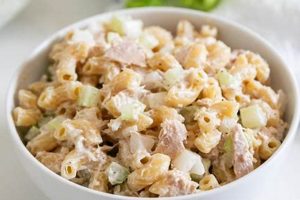
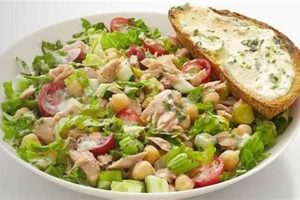
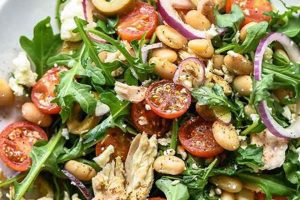
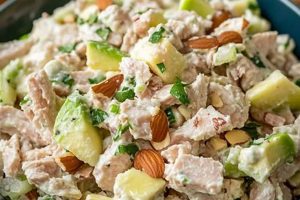
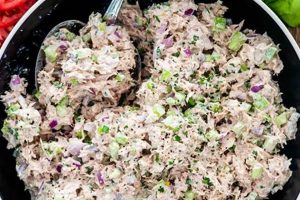
A combination of legumes, canned tuna, and often other vegetables, herbs, and a dressing, this dish offers a versatile and protein-rich meal option. Variations can include white beans, kidney beans, chickpeas, or cannellini beans, along with additions like celery, onion, or bell pepper. Dressings range from simple vinaigrettes to mayonnaise-based sauces. A classic example might feature cannellini beans, tuna packed in olive oil, chopped red onion, parsley, and a lemon-herb vinaigrette.
This type of dish provides a healthy and affordable source of protein and fiber, making it a practical choice for lunch, a light dinner, or a picnic. Its adaptability allows for the incorporation of seasonal ingredients and caters to diverse dietary preferences, with vegan adaptations possible by substituting the tuna with marinated tofu or tempeh. Historically, combining preserved fish with readily available vegetables represents a resourceful approach to meal preparation, evident in various culinary traditions.
The following sections will delve into specific variations of this dish, exploring diverse ingredient combinations, dressing options, and nutritional information. Techniques for achieving optimal flavor and texture will also be discussed, along with tips for storage and serving suggestions.
Tips for a Superior Salad
Optimizing ingredient selection and preparation techniques elevates this simple dish to a culinary delight. Attention to detail ensures a flavorful and texturally satisfying experience.
Tip 1: Quality Tuna Selection: Opt for tuna packed in olive oil for a richer flavor and moister texture. Consider sustainably sourced options for environmental consciousness.
Tip 2: Bean Preparation: If using canned beans, rinse thoroughly to remove excess sodium and starch. For dried beans, soak and cook until tender but not mushy.
Tip 3: Fresh Herbs: Freshly chopped herbs like parsley, dill, or chives significantly enhance the flavor profile. Dried herbs can be substituted if necessary, but use sparingly.
Tip 4: Crisp Vegetables: Incorporate crisp vegetables like celery, red onion, or bell peppers for added texture and flavor complexity. Blanching or quick-pickling can further enhance their appeal.
Tip 5: Balanced Dressing: A well-balanced dressing is crucial. Consider the acidity of vinegar or lemon juice, the richness of olive oil or mayonnaise, and the savory notes of mustard or garlic.
Tip 6: Proper Chilling: Chilling the salad for at least 30 minutes allows the flavors to meld and enhances the overall experience. Avoid excessive chilling, which can dull the flavors.
Tip 7: Mindful Assembly: Gently combine the ingredients to avoid breaking the beans or flaking the tuna excessively. Add the dressing just before serving to maintain the optimal texture of the components.
By following these tips, one can achieve a salad that is both nutritious and delectable. The combination of fresh ingredients, a flavorful dressing, and careful preparation elevates this simple dish to a satisfying meal.
This understanding of preparation techniques and ingredient selection sets the stage for exploring specific recipe variations and further culinary experimentation.
1. Beans (variety and preparation)

Bean selection and preparation significantly influence the final character of this salad. Different varieties offer unique flavor profiles and textures, affecting the overall culinary experience. For instance, cannellini beans contribute a creamy texture and mild flavor, harmonizing with other ingredients. Chickpeas, conversely, introduce a nuttier taste and firmer bite. Kidney beans, with their robust flavor and substantial texture, create a more hearty salad. The choice of beans should complement the other components and align with the desired outcome.
Preparation methods further impact the final result. Canned beans offer convenience, but require thorough rinsing to remove excess sodium and starch. This step prevents a metallic taste and ensures a cleaner flavor profile. Dried beans, while requiring more time, offer greater control over texture and sodium content. Soaking and cooking dried beans allows for customization of tenderness and reduces sodium levels compared to canned varieties. Improperly cooked beans, whether too firm or overly soft, can detract from the salad’s overall appeal. Overcooked beans, in particular, can become mushy and negatively impact the texture.
Understanding the nuances of bean selection and preparation is essential for crafting a successful salad. The interplay between bean variety, cooking method, and the other ingredients determines the final flavor and texture. This knowledge empowers culinary experimentation and allows for the creation of personalized variations to suit individual preferences. Careful consideration of these factors ensures a balanced and enjoyable culinary experience, transforming a simple combination of ingredients into a well-crafted dish.
2. Tuna (quality and type)
Tuna, a central component, significantly influences the overall quality and flavor profile. Careful selection ensures a balanced and enjoyable culinary experience. The type and quality of tuna chosen directly impact the taste, texture, and nutritional value of the final product. Understanding these nuances allows for informed decisions that elevate the dish beyond a simple combination of ingredients.
- Tuna Packed in Oil vs. Water:
Tuna packed in olive oil generally offers a richer, more succulent flavor and a smoother texture compared to tuna packed in water. The oil contributes to a more luxurious mouthfeel and prevents the tuna from drying out, especially during mixing and chilling. Water-packed tuna, while lower in calories and fat, can sometimes result in a drier, less flavorful salad. Olive oil-packed tuna also often carries subtle flavor notes from the oil itself, enhancing the overall complexity of the dish.
- Solid vs. Chunk Light Tuna:
Solid tuna, typically from larger species like albacore, possesses a firmer texture and a more pronounced flavor. Chunk light tuna, often from smaller skipjack or yellowfin tuna, has a flakier texture and a milder taste. The choice between the two depends on personal preference and the desired textural outcome for the salad. Solid tuna holds its shape better, while chunk light tuna readily breaks down, creating a softer consistency.
- Sustainability Considerations:
Choosing sustainably sourced tuna contributes to responsible fishing practices and helps protect marine ecosystems. Look for certifications like the Marine Stewardship Council (MSC) label, which indicates that the tuna comes from a well-managed fishery. Sustainable choices ensure the long-term health of fish populations and minimize the environmental impact of tuna harvesting. Supporting sustainable fisheries is crucial for maintaining the availability of this valuable food source for future generations.
- Flavor Enhancements within the Tuna Packaging:
Some canned tuna products include added flavorings, such as herbs, spices, or lemon. While these can enhance the overall flavor profile, they may also introduce additional sodium or other ingredients that might not align with dietary preferences. Examining the ingredient list carefully ensures alignment with desired flavor profiles and dietary restrictions. Opting for plain tuna provides a blank canvas for customizing the flavor profile with fresh ingredients and dressings.
The interplay between these factorsthe packing medium, tuna variety, sustainability, and added flavorsdemonstrates the crucial role tuna selection plays in determining the final quality of the salad. By considering these elements, one can craft a dish that not only satisfies the palate but also reflects mindful consumption practices. Careful selection elevates the salad from a basic meal to a more considered and flavorful culinary experience.
3. Vegetables (freshness and selection)

The incorporation of fresh vegetables significantly elevates this dish, impacting both flavor and nutritional value. Vegetable selection and quality play a crucial role in the final result. Crisp, vibrant vegetables contribute textural complexity and a refreshing counterpoint to the richness of the tuna and beans. Conversely, wilted or less-than-fresh produce can detract from the overall appeal, resulting in a less satisfying culinary experience. The choice of vegetables influences not only the taste but also the nutritional profile, offering opportunities to incorporate vitamins, minerals, and dietary fiber.
Specific vegetable choices offer distinct flavor profiles and textural nuances. Celery, with its crispness and subtle bitterness, adds a refreshing element. Red onion contributes a sharp, pungent bite, while bell peppers introduce sweetness and a satisfying crunch. Cucumbers offer a cooling, hydrating contrast, and cherry tomatoes burst with juicy acidity. The selection should consider the desired balance of flavors and textures, creating a harmonious blend of ingredients. For example, a combination of celery, red onion, and bell pepper provides a classic, balanced flavor profile, while the addition of chopped fresh herbs like parsley or dill further enhances the complexity.
Prioritizing fresh, high-quality vegetables is paramount. Selecting vegetables at their peak ripeness ensures optimal flavor and nutritional content. Proper storage techniques maintain freshness and prevent premature spoilage. Washing vegetables thoroughly removes any residual soil or debris, contributing to a cleaner taste and minimizing the risk of foodborne illness. The careful handling and preparation of vegetables are essential for maximizing their contribution to both the sensory and nutritional aspects of the final dish. Neglecting these considerations can compromise the overall quality and diminish the intended culinary experience.
4. Dressing (flavor and balance)
Dressing constitutes a critical element, profoundly influencing the overall success. It serves not merely as a lubricant but as a unifying agent, harmonizing the diverse flavors and textures of the core ingredients. A well-crafted dressing elevates the dish, transforming individual components into a cohesive and flavorful whole. Conversely, an ill-conceived or poorly executed dressing can overwhelm the delicate balance, rendering the salad unappetizing. Careful consideration of flavor profiles and the interplay of acidity, richness, and savory notes is essential.
Balance represents a key principle in dressing formulation. Excessive acidity can overpower the other flavors, while insufficient acidity can result in a bland, uninspired salad. Similarly, an overly rich dressing can create a heavy, cloying mouthfeel, whereas a dressing lacking richness may fail to bind the ingredients or provide the necessary depth of flavor. The ideal dressing complements the inherent flavors of the tuna, beans, and vegetables, enhancing their individual characteristics without masking them. For example, a vibrant lemon-herb vinaigrette, featuring fresh herbs, bright citrus notes, and a touch of Dijon mustard, provides a refreshing counterpoint to the richness of the tuna and the earthiness of the beans. A creamy dressing based on Greek yogurt, tahini, or avocado offers a different textural and flavor dimension, complementing the salad with a smooth, velvety texture and nutty or herbaceous notes.
Practical application necessitates an understanding of these principles. Begin with a base of high-quality oil and vinegar, adjusting the ratio to achieve the desired level of acidity. Incorporating emulsifying agents, such as Dijon mustard or a small amount of mayonnaise, helps to create a stable and cohesive dressing. Freshly squeezed citrus juice adds brightness and complexity, while herbs, spices, and aromatics, like garlic or shallots, further enhance the flavor profile. Consideration should be given to the overall composition of the salad. A lighter, more acidic dressing complements a salad featuring delicate greens and vegetables, while a richer, more robust dressing pairs well with heartier ingredients. The ultimate goal is to create a dressing that complements and enhances the other components, resulting in a harmonious and satisfying culinary experience.
5. Herbs and spices (enhancement)
Judicious use of herbs and spices significantly elevates this otherwise simple dish, transforming it from basic sustenance to a flavorful culinary experience. These aromatic additions introduce complexity and depth, complementing the inherent flavors of the primary ingredients. The selection and application of herbs and spices should be purposeful, considering their individual characteristics and how they interact with the other components of the salad. Fresh herbs, with their vibrant flavors and delicate aromas, offer a bright counterpoint to the richness of the tuna and the earthiness of the beans. Dried herbs, while convenient, require careful application due to their concentrated flavor. Spices introduce warmth, depth, and complexity, further enhancing the overall flavor profile. For instance, a pinch of smoked paprika can add a subtle smoky note, while a dash of cayenne pepper introduces a touch of heat. The interplay of these aromatic elements creates a symphony of flavors that elevates the salad beyond its basic components.
Specific herb and spice combinations offer diverse flavor profiles tailored to individual preferences. Fresh dill, with its slightly tangy, anise-like flavor, pairs well with tuna and provides a refreshing lift. Parsley, with its clean, herbaceous notes, adds a touch of brightness and complements the other ingredients. Chives contribute a subtle oniony flavor, while mint introduces a cooling element. Ground cumin adds warmth and earthiness, while coriander provides a citrusy note. Experimentation with different combinations allows for the creation of unique flavor profiles, catering to a wide range of palates. A classic Mediterranean-inspired salad might feature fresh dill, parsley, and a hint of lemon zest, while a spicier variation could incorporate cayenne pepper, smoked paprika, and ground cumin. The possibilities are vast, limited only by culinary creativity and the desire for exploration.
Understanding the role of herbs and spices in enhancing this salad empowers culinary creativity and allows for the development of personalized variations. Careful selection and application of these aromatic additions transform a simple combination of ingredients into a nuanced and flavorful dish. Fresh herbs, when available, offer the most vibrant flavors, while dried herbs provide a convenient alternative. Spices, used judiciously, contribute depth and complexity. The ultimate goal is to achieve a harmonious balance of flavors, creating a salad that is both satisfying and memorable. This knowledge, coupled with careful execution, elevates the dish beyond mere sustenance, transforming it into a true culinary expression.
6. Preparation techniques (mixing and chilling)

Preparation techniques, specifically mixing and chilling, significantly influence the final quality and palatability. These seemingly simple steps play a crucial role in integrating flavors, developing textures, and ensuring food safety. Improper mixing can damage delicate ingredients, resulting in a mushy, unappetizing texture. Insufficient chilling hinders flavor development and compromises food safety. Conversely, proper execution of these techniques elevates the dish, creating a harmonious blend of flavors and textures. Consider the impact of overmixing on delicate beans; they can break down, releasing starch and creating a less appealing consistency. Tuna, if handled too roughly, can become excessively flaky and lose its distinct texture.
Chilling allows the flavors to meld and deepen. The absorption of the dressing by the other ingredients enhances their individual characteristics and creates a more cohesive flavor profile. Adequate chilling also ensures food safety by inhibiting bacterial growth. A minimum of 30 minutes of refrigeration is generally recommended to allow for sufficient flavor development and temperature reduction. However, excessive chilling can negatively impact the texture of certain vegetables, making them less crisp and vibrant. Balancing chilling time with the desired textural outcome is key. For instance, a salad featuring crisp vegetables like celery and bell peppers benefits from a shorter chilling period, while a salad with more robust ingredients can tolerate longer refrigeration.
Mastering these techniques requires attention to detail and an understanding of the underlying principles. Gentle mixing preserves the integrity of the ingredients, preventing them from becoming overly mushy or broken. Strategic chilling allows flavors to meld without compromising texture. These seemingly minor steps contribute significantly to the overall dining experience. A well-mixed and properly chilled salad exhibits a harmonious balance of flavors and textures, enhancing enjoyment and demonstrating culinary expertise. Ignoring these fundamental principles can result in a subpar dish, highlighting the importance of proper preparation techniques in achieving culinary excellence.
Frequently Asked Questions
This section addresses common inquiries regarding preparation, variations, and nutritional aspects, providing concise and informative responses to enhance understanding and facilitate successful culinary endeavors.
Question 1: What is the best type of tuna to use?
Tuna packed in olive oil is generally preferred for its richer flavor and moister texture. Solid or chunk light tuna can be used depending on personal preference.
Question 2: Can other beans be substituted?
Chickpeas, kidney beans, or cannellini beans offer suitable alternatives, each contributing distinct flavor and textural nuances.
Question 3: How long can the salad be stored?
Properly stored in an airtight container in the refrigerator, the salad typically lasts for three to four days.
Question 4: Can this recipe be adapted for a vegan diet?
Substituting marinated tofu or tempeh for the tuna provides a plant-based protein source suitable for vegan diets. Adjustments to the dressing may also be necessary.
Question 5: What are the key nutritional benefits?
This salad offers a substantial source of protein and fiber, contributing to satiety and digestive health. Specific nutritional content varies depending on the ingredients used.
Question 6: How can sodium content be reduced?
Rinsing canned beans thoroughly helps reduce sodium content. Opting for low-sodium or no-salt-added tuna and using a homemade dressing allows for further control over sodium levels.
Understanding these aspects should facilitate a more informed and successful culinary experience, empowering individuals to create variations tailored to their preferences and dietary needs.
The subsequent sections will delve into specific recipe variations and offer detailed instructions for preparing diverse and flavorful iterations.
Bean and Tuna Salad Recipe
This exploration has examined the multifaceted nature of creating a successful bean and tuna salad. From the careful selection of ingredientshigh-quality tuna, diverse beans, fresh vegetables, and complementary herbs and spicesto the nuanced techniques of mixing and chilling, each step contributes to the final product. Understanding the interplay of these elements allows for informed choices, empowering culinary experimentation and personalization. Nutritional considerations, including protein and fiber content, along with strategies for sodium reduction, further enhance the value of this versatile dish.
The potential of this seemingly simple combination extends beyond basic sustenance. By embracing the principles outlined herein, one can elevate the bean and tuna salad from a commonplace meal to a culinary expression. The versatility of this dish allows for endless adaptations, accommodating diverse palates and dietary needs. Continued exploration and experimentation with flavors and textures promise to unlock further culinary possibilities, solidifying the bean and tuna salad’s place as a nutritious, adaptable, and satisfying culinary staple.