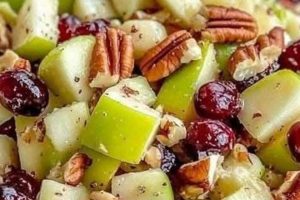
Seasonal salads featuring the flavors of fall typically incorporate ingredients such as roasted root vegetables like butternut squash and sweet potatoes, hearty greens like kale and spinach, crisp apples and pears, nuts like pecans and walnuts, and cheeses such as goat cheese or blue cheese. A warm vinaigrette with maple syrup or apple cider vinegar often complements these ingredients. For example, a salad might combine roasted butternut squash, kale, dried cranberries, toasted pecans, and crumbled goat cheese, dressed with a maple-balsamic vinaigrette.
Embracing seasonal produce offers several advantages. Dishes showcasing fall’s bounty provide a welcome change from summer fare, introducing richer, earthier flavors. Fall harvests often yield nutrient-dense ingredients, boosting the nutritional value of meals. Furthermore, utilizing ingredients at their peak ripeness maximizes flavor and reduces the need for complex seasonings. Historically, aligning diets with the seasons has been a practical necessity, ensuring access to fresh produce throughout the year. This practice remains relevant today as a way to support local agriculture and reduce the environmental impact of long-distance food transportation.
This exploration of seasonal cuisine will delve into specific ingredient combinations, preparation techniques, and creative presentations for salads that capture the essence of autumn.
Tips for Crafting Autumn Salads
These tips offer guidance for composing salads that showcase the best of autumn’s produce.
Tip 1: Embrace Seasonal Ingredients: Select ingredients at their peak ripeness for optimal flavor and nutritional value. Farmers’ markets offer excellent sources for locally grown produce.
Tip 2: Balance Flavors and Textures: Combine sweet, savory, crunchy, and creamy elements for a more complex and satisfying salad. Pair roasted sweet potatoes with peppery arugula, toasted walnuts, and creamy goat cheese, for instance.
Tip 3: Explore Warm Dressings: Enhance fall flavors with warm vinaigrettes. Maple syrup, apple cider vinegar, and Dijon mustard create a balanced dressing that complements roasted vegetables and hearty greens.
Tip 4: Don’t Overlook Grains: Incorporating grains like wild rice, quinoa, or farro adds heartiness and texture to autumn salads. These grains pair well with roasted vegetables, nuts, and dried fruits.
Tip 5: Consider Roasted Vegetables: Roasting vegetables intensifies their sweetness and adds a depth of flavor. Butternut squash, Brussels sprouts, and carrots are excellent choices for roasting.
Tip 6: Utilize Seasonal Fruits: Apples, pears, and pomegranates contribute sweetness and texture. Their crispness provides a refreshing counterpoint to roasted vegetables and creamy cheeses.
Tip 7: Experiment with Nuts and Seeds: Toasted pecans, walnuts, pumpkin seeds, and sunflower seeds provide crunch and healthy fats. Toasting enhances their flavor and aroma.
By following these suggestions, one can create flavorful and visually appealing salads that truly capture the essence of autumn.
These tips provide a foundation for creating unique and satisfying autumn salads, highlighting the versatility and abundance of seasonal ingredients. The following section will explore specific recipe examples to further inspire culinary creativity.
1. Seasonal Ingredients

The very essence of autumn salad recipes lies in the utilization of seasonal ingredients. This connection is not merely a culinary trend, but a fundamental principle that maximizes flavor, nutritional value, and environmental sustainability. The availability of specific produce during autumn directly influences the composition and character of these salads. Root vegetables such as butternut squash, sweet potatoes, and beets reach peak maturity in the fall, offering earthy sweetness and vibrant colors. Dark leafy greens like kale and spinach thrive in cooler temperatures, providing a robust, slightly bitter counterpoint. Apples, pears, and pomegranates introduce a refreshing sweetness and textural complexity. The interplay of these seasonal components creates a symphony of flavors unique to autumn.
For example, the sweetness of roasted butternut squash harmonizes beautifully with the peppery bite of kale, while the tartness of cranberries complements the richness of toasted pecans. This synergy is only achievable when ingredients are at their peak ripeness, a hallmark of seasonal cooking. Choosing seasonal produce also supports local farmers and reduces the environmental impact associated with transporting food long distances. This practice connects consumers more directly with the natural cycles of food production.
In summary, the relationship between seasonal ingredients and autumn salad recipes is symbiotic. Seasonal produce defines the flavor profiles and nutritional content of these dishes. Embracing this seasonality promotes both culinary excellence and responsible consumption. Understanding this connection allows for the creation of salads that truly capture the essence of autumn, celebrating the bounty of the harvest while minimizing environmental impact. The subsequent discussion will explore specific techniques for preparing and combining these seasonal ingredients to create truly exceptional autumn salads.
2. Flavor Balance

Flavor balance forms the cornerstone of successful autumn salad recipes. A harmonious blend of tastes elevates these salads from simple combinations of ingredients to complex culinary experiences. Achieving this balance requires careful consideration of the inherent flavors within each component and how they interact with one another. The following facets illustrate key elements contributing to a well-balanced autumn salad.
- Sweetness and Acidity
The natural sweetness of autumnal produce, such as roasted butternut squash or ripe pears, benefits from a counterpoint of acidity. Apple cider vinegar, lemon juice, or balsamic vinaigrette provide the necessary tartness to prevent the salad from becoming overly sweet. This interplay creates a dynamic flavor profile that stimulates the palate. For example, a salad featuring roasted sweet potatoes with a maple-balsamic vinaigrette exemplifies this balance.
- Earthiness and Brightness
Root vegetables, including beets and carrots, possess an inherent earthiness. Balancing these flavors with brighter elements is essential. Citrus fruits, fresh herbs like parsley or dill, and tangy cheeses like goat cheese introduce a refreshing contrast, preventing the salad from feeling too heavy. A beet salad with orange segments and crumbled goat cheese demonstrates this principle effectively.
- Richness and Freshness
Autumn salads often incorporate rich ingredients like nuts, cheeses, and roasted vegetables. These elements require a counterbalancing freshness to prevent the salad from feeling overly dense. Crisp greens like spinach or arugula, along with fruits like apples or pomegranates, provide this necessary lightness. Incorporating a light vinaigrette further enhances the sense of freshness. A salad with roasted walnuts, blue cheese, and pear slices on a bed of spinach embodies this balance.
- Spice and Savory
The warmth of autumnal spices, such as cinnamon, nutmeg, or ginger, can add complexity to salad dressings and roasted vegetables. However, these spices should be used judiciously, balanced by savory elements like toasted nuts, aged cheeses, or roasted meats. A salad featuring roasted Brussels sprouts with a maple-Dijon vinaigrette incorporating a touch of cinnamon exemplifies this balance.
These facets of flavor balance are interconnected and crucial for creating successful autumn salad recipes. By thoughtfully combining contrasting yet complementary flavors, one can craft salads that showcase the best of autumns bounty while providing a complex and satisfying culinary experience. The interplay of these elements elevates a simple salad to a sophisticated dish, reflecting the season’s inherent richness and diversity.
3. Textural Contrast

Textural contrast plays a vital role in elevating autumn salad recipes beyond mere sustenance, transforming them into engaging culinary experiences. The interplay of various textures adds depth and complexity, stimulating the palate and enhancing enjoyment. A thoughtfully constructed autumn salad should offer a diverse range of textures, creating a symphony of sensations with each bite.
- Crunchy Elements
Crunchy elements provide a satisfying counterpoint to softer ingredients. Nuts like toasted pecans or walnuts, seeds such as pumpkin or sunflower seeds, and croutons offer textural complexity. Raw vegetables like carrots, celery, or apples also contribute a refreshing crunch. For instance, a salad with roasted butternut squash and toasted pecans offers a delightful contrast between the soft squash and the crisp nuts.
- Soft and Tender Components
Roasted root vegetables, such as sweet potatoes or beets, offer a melt-in-your-mouth tenderness. Similarly, cooked grains like quinoa or farro provide a soft, chewy texture. These elements contrast beautifully with crunchy components and add a comforting warmth to the salad. A salad featuring roasted beets with quinoa and goat cheese exemplifies this interplay.
- Leafy Greens as a Foundation
Leafy greens provide a foundational texture for autumn salads. Hearty greens like kale or spinach offer a robust chewiness, while more delicate greens like arugula or butter lettuce contribute a gentle texture. The choice of greens influences the overall textural profile of the salad. A salad with roasted Brussels sprouts and cranberries on a bed of baby spinach provides a pleasant textural balance.
- Creamy and Crumbly Additions
Creamy components like cheeses, avocado, or a dollop of yogurt add richness and bind the salad together. Crumbled cheeses like feta, goat cheese, or blue cheese provide pockets of intense flavor and a contrasting texture. These additions enhance the overall sensory experience. A salad with roasted butternut squash, crumbled goat cheese, and dried cranberries exemplifies this textural interplay.
The strategic incorporation of these diverse textures elevates autumn salad recipes. A well-balanced textural profile enhances the overall enjoyment and satisfaction derived from the dish. By thoughtfully combining contrasting textures, one can create salads that are not only flavorful but also engaging and memorable. This interplay of textures transforms a simple salad into a multi-sensory culinary experience, showcasing the artistry and complexity achievable within this seemingly simple dish.
4. Warm Dressings

Warm dressings offer a unique dimension to autumn salad recipes, moving beyond the traditional chilled vinaigrette to create a more nuanced and comforting culinary experience. Their elevated temperature enhances the flavors of autumnal ingredients, creating a cohesive and satisfying dish. The warmth of the dressing gently wilts leafy greens, melds flavors, and adds a comforting element perfectly suited to cooler weather.
- Flavor Enhancement
Warm dressings amplify the inherent flavors of autumnal ingredients. Heating allows spices and aromatics to bloom, intensifying their impact. For example, a warm maple-balsamic vinaigrette enhances the sweetness of roasted butternut squash and the earthiness of kale. The gentle heat also mellows the sharpness of certain ingredients like raw onions or shallots, creating a more balanced flavor profile.
- Improved Texture
The warmth of the dressing subtly wilts hearty greens like kale or spinach, making them more tender and palatable. This wilting also allows the greens to better absorb the flavors of the dressing, creating a more cohesive dish. The contrast between the warm dressing and other components, such as crunchy nuts or crisp apples, adds textural intrigue.
- Seasonal Harmony
Warm dressings align perfectly with the flavors and spirit of autumn. Ingredients like maple syrup, apple cider vinegar, and warm spices create a sense of warmth and comfort, mirroring the season itself. This harmony enhances the overall dining experience, creating a dish that is both satisfying and evocative of autumn.
- Versatility and Adaptability
Warm dressings offer versatility in their application. They can be used with a wide range of autumnal ingredients, from roasted root vegetables to hearty greens and seasonal fruits. Their adaptability allows for customization, incorporating various spices, herbs, and flavor combinations to complement specific salad compositions. A warm bacon vinaigrette, for instance, adds a smoky richness to a salad with roasted Brussels sprouts and apples.
Warm dressings contribute significantly to the overall appeal of autumn salad recipes. Their ability to enhance flavors, improve textures, and create a sense of seasonal harmony elevates these salads from simple combinations of ingredients to sophisticated and satisfying culinary creations. This nuanced approach to dressings transforms the autumn salad experience, reflecting the warmth and complexity of the season itself.
5. Creative Presentation

Creative presentation elevates autumn salad recipes from simple meals to visually appealing culinary experiences. Thoughtful plating enhances the perceived value and enjoyment of these dishes, engaging multiple senses and creating a more memorable dining experience. Visual appeal stimulates appetite and anticipation, while considered arrangements showcase the vibrant colors and textures characteristic of autumnal ingredients.
- Color and Contrast
Strategic use of color maximizes visual impact. The rich hues of roasted root vegetables, the deep greens of kale and spinach, and the bright reds of cranberries or pomegranates create a visually dynamic composition. Contrasting colors, such as pairing orange butternut squash with dark green kale, enhance the visual appeal and make the salad more enticing. This interplay of colors reflects the natural beauty of autumn foliage and adds a layer of artistry to the dish.
- Height and Dimension
Creating height and dimension adds visual interest. Instead of simply tossing ingredients together, consider layering them to create a more dynamic presentation. Mounding the salad on a plate, using a cookie cutter to shape certain components, or incorporating vertical elements like whole sprigs of herbs adds depth and complexity to the visual presentation. This technique elevates the salad from a flat, two-dimensional dish to a more engaging, three-dimensional creation.
- Garnishes and Finishing Touches
Thoughtful garnishes enhance the visual appeal and add subtle flavor nuances. A sprinkle of toasted nuts, a drizzle of balsamic glaze, a scattering of fresh herbs, or a few pomegranate seeds provide finishing touches that elevate the presentation. These details demonstrate attention to detail and enhance the overall sensory experience. A simple garnish can transform a basic salad into a visually stunning and more appetizing dish.
- Serving Vessels and Plating
The choice of serving vessel influences the overall presentation. A rustic wooden bowl complements the earthiness of autumnal ingredients, while a sleek white plate provides a clean backdrop that allows the colors of the salad to shine. Individual portions plated on smaller plates create a more elegant presentation, while a large serving bowl encourages sharing and a communal dining experience. The serving vessel should complement the style and composition of the salad, enhancing its visual impact.
Creative presentation is an integral aspect of autumn salad recipes, enhancing both the visual appeal and overall enjoyment of these dishes. By considering color, height, garnishes, and plating, one can transform simple salads into visually stunning culinary creations that celebrate the beauty and bounty of autumn. This attention to detail elevates the dining experience, demonstrating care and artistry in the preparation and presentation of these seasonal dishes.
Frequently Asked Questions
This section addresses common inquiries regarding autumn salad recipes, providing concise and informative responses.
Question 1: How can one best utilize seasonal produce in autumn salads?
Prioritizing locally sourced, in-season produce maximizes flavor and nutritional value. Farmers’ markets offer excellent access to peak-season ingredients. Selecting produce at its freshest ensures optimal taste and texture in salads.
Question 2: What are effective strategies for balancing flavors in an autumn salad?
Balancing sweet, savory, acidic, and earthy flavors is crucial. Combining roasted sweet potatoes with tangy goat cheese and a slightly bitter vinaigrette, for example, achieves a well-rounded flavor profile. Incorporating a variety of textures further enhances the overall experience.
Question 3: Which dressings best complement the flavors of autumn salads?
Warm vinaigrettes featuring ingredients like maple syrup, apple cider vinegar, and Dijon mustard enhance autumnal flavors. The gentle heat of these dressings complements roasted vegetables and melds flavors beautifully. Alternatively, creamy dressings based on yogurt or buttermilk offer a different yet equally suitable option.
Question 4: Beyond leafy greens, what other bases can be used for autumn salads?
Grains like quinoa, farro, or wild rice provide a hearty base for autumn salads. Roasted root vegetables, such as sliced beets or sweet potatoes, can also serve as a foundation. These alternatives add substance and textural complexity.
Question 5: How can one prevent autumn salads from becoming overly heavy or rich?
Incorporating lighter elements like crisp apples, pears, or pomegranate seeds adds freshness and textural contrast. A bright vinaigrette or a squeeze of citrus juice can also balance richer ingredients like cheese or nuts. Focusing on a balanced interplay of flavors and textures prevents heaviness.
Question 6: What are some key considerations for presenting autumn salads attractively?
Consider the interplay of colors, textures, and heights. Layering ingredients, using contrasting colors, and adding garnishes like toasted nuts or fresh herbs enhance visual appeal. The serving vessel also contributes to the overall presentation, with options ranging from rustic wooden bowls to elegant platters.
Understanding these key aspects of creating autumn salads allows for culinary exploration while maximizing flavor, nutritional value, and visual appeal. Thoughtful ingredient selection, flavor balancing, and creative presentation transform simple salads into memorable seasonal dishes.
The following section will provide specific recipe examples to further illustrate these principles and inspire culinary creativity.
Conclusion
Autumn salad recipes represent a culinary celebration of seasonal ingredients. Exploration of these recipes has highlighted the importance of ingredient selection, flavor balance, textural contrast, warm dressings, and creative presentation. Utilizing peak-season produce, such as root vegetables, hearty greens, and autumnal fruits, maximizes flavor and nutritional value. Balancing sweet, savory, acidic, and earthy notes ensures a complex and satisfying palate experience. The interplay of crunchy nuts, tender roasted vegetables, and crisp greens adds textural depth. Warm dressings enhance autumnal flavors, while thoughtful plating elevates the visual appeal and overall dining experience.
Culinary exploration of autumn salad recipes offers a pathway to appreciating the season’s bounty. The versatility of these recipes allows for continuous adaptation and innovation, reflecting the ever-evolving nature of culinary arts. By embracing seasonal ingredients and thoughtful preparation, individuals can create dishes that nourish both body and spirit, embodying the essence of autumn.