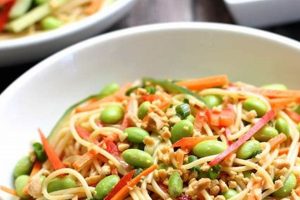
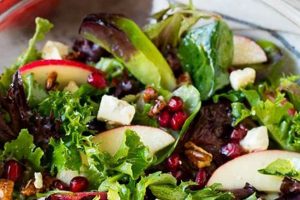
Traditional Irish salads showcase fresh, locally sourced ingredients often featuring seasonal vegetables, foraged greens, dairy products like creamy cheeses, and occasionally incorporating seafood or smoked meats. A simple example might include a salad of young dandelion greens, crumbled Coolea cheese, and a light vinaigrette.
These dishes offer a glimpse into Ireland’s culinary heritage, reflecting both its agricultural traditions and the ingenuity employed in creating flavorful meals with readily available ingredients. Historically, salads played a vital role in supplementing diets, particularly during times of scarcity, by providing essential vitamins and nutrients. Today, they continue to be valued for their freshness and contribution to a healthy diet.
The following sections will explore specific regional variations, seasonal adaptations, and modern interpretations of these time-honored dishes, offering a comprehensive understanding of Irish salad traditions.
Tips for Creating Traditional Irish Salads
Achieving authenticity in Irish salads requires attention to detail and a focus on quality ingredients. The following tips provide guidance for crafting salads reflective of Irish culinary heritage.
Tip 1: Embrace Seasonality: Utilize ingredients readily available during the specific time of year. Spring salads might feature wild garlic or nettles, while summer offerings could include ripe tomatoes and cucumbers.
Tip 2: Prioritize Local Produce: Sourcing ingredients from local farmers’ markets or growers ensures optimal freshness and supports regional agriculture.
Tip 3: Explore Traditional Irish Cheeses: Incorporate cheeses like Gubbeen, Coolea, or Cashel Blue to add distinctive flavors and textures.
Tip 4: Utilize Fresh Herbs: Dill, parsley, and chives are common additions that enhance the flavor profile of Irish salads.
Tip 5: Consider Seaweed: Dulse, carrageen moss, or other seaweeds, when available, offer a unique taste of the Irish coast and contribute valuable nutrients.
Tip 6: Keep Dressings Simple: A light vinaigrette with high-quality Irish rapeseed oil or a simple dressing of apple cider vinegar and honey often complements the fresh flavors of the ingredients.
Tip 7: Explore Regional Variations: Research specific regional traditions to discover unique ingredient combinations and preparation methods.
By following these guidelines, one can create flavorful and authentic Irish salads that showcase the best of Irish produce and culinary traditions.
These tips provide a foundation for further exploration of Irish cuisine and offer a starting point for developing one’s own interpretations of classic dishes.
1. Fresh, Seasonal Ingredients

The emphasis on fresh, seasonal ingredients forms a cornerstone of authentic Irish salad recipes. This connection stems from Ireland’s rich agricultural history and a deep-rooted appreciation for the land’s natural bounty. Utilizing ingredients at their peak ripeness ensures optimal flavor and nutritional value, reflecting a commitment to quality and a respect for natural cycles. This practice minimizes reliance on imported produce, supporting local farmers and reducing environmental impact. For instance, a summer salad might feature freshly picked tomatoes and cucumbers, while an autumnal version could incorporate foraged mushrooms and wild berries.
The availability of specific ingredients dictates the composition of traditional Irish salads throughout the year. Springtime brings an abundance of wild greens like nettles and dandelion, offering unique flavors and textures. Summer showcases the vibrancy of ripe berries and garden vegetables. Autumn provides an array of root vegetables and mushrooms, while winter often incorporates preserved or stored produce. This reliance on seasonal availability fosters culinary creativity and results in dishes deeply connected to the surrounding environment. A practical application of this principle involves visiting local farmers’ markets to discover what is currently in season and incorporating those ingredients into salad preparations.
Understanding the significance of fresh, seasonal ingredients provides insight into the essence of authentic Irish cuisine. This approach not only enhances the flavor and nutritional value of the dishes but also reinforces the connection between food and the natural world. While challenges may arise in accessing certain ingredients outside of their respective seasons, the core principle of utilizing the freshest available produce remains central to achieving authenticity. This appreciation for seasonality contributes to a more sustainable and flavorful culinary experience, reflecting a deep respect for Ireland’s agricultural heritage.
2. Local, Foraged Greens

Locally foraged greens play a significant role in authentic Irish salad recipes, reflecting a deep connection to the land and a resourcefulness born from historical necessity. These ingredients contribute unique flavors and textures, distinguishing traditional Irish salads from other culinary traditions.
- Nutritional Value and Flavor Diversity
Foraged greens such as dandelion, nettle, and sea beet offer a diverse range of nutrients often exceeding those found in cultivated greens. Their distinct flavors, from the peppery bite of watercress to the earthy notes of wood sorrel, add complexity to salads. These ingredients represent a historical adaptation to limited resources, transforming readily available plants into valuable dietary components.
- Seasonality and Regional Variations
The availability of foraged greens varies with the seasons and local microclimates. Coastal regions might offer seaweeds like dulse and carrageen, while inland areas provide access to land-based plants like chickweed and sorrel. This seasonality influences the composition and flavor profiles of traditional Irish salads throughout the year, showcasing the adaptability of regional cuisines.
- Cultural Significance and Culinary Heritage
The practice of foraging for greens is deeply ingrained in Irish culture, passed down through generations. This knowledge represents a valuable connection to the land and a resourcefulness that continues to influence contemporary Irish cuisine. The inclusion of these ingredients in salads acts as a tangible link to historical foodways and cultural heritage.
- Sustainable Practices and Environmental Awareness
Utilizing foraged greens promotes sustainable food practices by reducing reliance on commercially grown produce and minimizing environmental impact. This approach encourages awareness of local ecosystems and fosters a deeper appreciation for the natural world. Furthermore, it supports biodiversity and reduces the carbon footprint associated with food transportation.
The incorporation of locally foraged greens distinguishes authentic Irish salads, connecting them to the land, history, and cultural heritage of Ireland. This practice represents a sustainable approach to food preparation and contributes distinct flavors and nutritional value, showcasing the ingenuity and resourcefulness of Irish culinary traditions.
3. Artisan Irish Cheeses

Artisan Irish cheeses contribute significantly to the distinct character of authentic Irish salad recipes. Their diverse flavors and textures, derived from traditional production methods and regional variations, elevate these salads beyond simple combinations of ingredients. Understanding the role of these cheeses provides insight into the complexity and richness of Irish culinary heritage.
- Diversity of Flavors and Textures
Irish artisan cheeses offer a wide spectrum of flavors, from the mild and creamy notes of Coolea to the sharp tang of Gubbeen. Their textures range from crumbly and firm to soft and spreadable. This diversity allows for a nuanced approach to salad creation, enabling chefs and home cooks to select cheeses that complement the other ingredients and create balanced flavor profiles. For example, a salad featuring fresh summer berries might benefit from the creamy sweetness of a fresh goat cheese, while a heartier winter salad could incorporate the robust flavor of a mature cheddar.
- Traditional Production Methods and Regional Variations
Many artisan Irish cheeses are produced using time-honored methods passed down through generations. These methods often incorporate regional variations, influenced by local climates, terrains, and available resources. This results in cheeses with unique characteristics reflective of their specific origins. Examples include the smoked cheeses of County Cork, influenced by the region’s tradition of smoking fish and meats, and the hard cheeses of County Clare, reflecting the area’s rich pasturelands. These regional variations contribute to the overall diversity and complexity of Irish cheesemaking.
- Pairing with Seasonal Ingredients
The seasonality of Irish produce influences the selection of artisan cheeses in authentic salad recipes. Spring salads might feature fresh goat cheese paired with foraged greens, while autumnal salads could incorporate a nutty aged cheddar alongside roasted root vegetables. This mindful pairing enhances the overall flavor profile of the salad, creating a harmonious balance between the cheese and other ingredients. The consideration of seasonal pairings reflects a deep understanding of and respect for the natural rhythms of the Irish landscape.
- Contribution to Culinary Heritage
Artisan Irish cheeses represent a vital part of Ireland’s culinary heritage. They embody the ingenuity and resourcefulness of Irish food producers, showcasing the country’s rich agricultural traditions. Their inclusion in salads elevates these dishes beyond mere sustenance, transforming them into expressions of cultural identity and culinary artistry. By supporting artisan cheesemakers, individuals contribute to the preservation of these traditions and the continued evolution of Irish cuisine.
The integration of artisan Irish cheeses into authentic salad recipes adds depth and complexity, reflecting the rich tapestry of Irish culinary traditions. Their diverse flavors, textures, and regional variations provide a unique element that distinguishes these salads and elevates them to a higher culinary plane. This appreciation for artisanal cheesemaking underscores the importance of supporting local producers and preserving traditional foodways for future generations.
4. Simple, Light Dressings

Simple, light dressings are integral to authentic Irish salad recipes, serving to enhance, rather than mask, the flavors of fresh, seasonal ingredients. Often composed of high-quality Irish rapeseed or extra virgin olive oil, a touch of acid such as apple cider vinegar or lemon juice, and perhaps a hint of local honey or mustard, these dressings prioritize the natural flavors of the salad components. This approach reflects a historical context where readily available ingredients dictated culinary practices. A salad featuring foraged greens, for example, would typically be dressed lightly to showcase the unique flavors of the greens themselves. Overly complex or heavy dressings would obscure these delicate nuances. The simplicity of the dressing also allows the quality of the ingredients to shine through, emphasizing the freshness and seasonality central to Irish cuisine.
The use of light dressings contributes to the overall balance and textural appeal of authentic Irish salads. A heavy dressing can weigh down delicate greens or mask the textures of other ingredients. A simple vinaigrette, on the other hand, allows each component to retain its distinct character, creating a harmonious blend of flavors and textures. This practice aligns with the emphasis on fresh, local produce, allowing the natural flavors to take center stage. Consider a salad composed of young dandelion greens, crumbled goat cheese, and toasted walnuts. A light vinaigrette enhances the peppery bite of the greens, the tangy creaminess of the cheese, and the earthy crunch of the walnuts without overpowering any single element. The result is a balanced and refreshing dish that celebrates the quality of its ingredients.
Understanding the role of simple, light dressings provides insight into the core principles of authentic Irish cuisine. This approach prioritizes fresh, seasonal ingredients and emphasizes balance and harmony in flavor profiles. While modern interpretations may incorporate more complex dressings, the fundamental principle of allowing the natural flavors of the ingredients to shine through remains a hallmark of traditional Irish salads. This appreciation for simplicity reflects a deep respect for the land and its bounty, showcasing the resourcefulness and culinary wisdom inherent in Irish food traditions.
5. Regional Variations

Regional variations play a crucial role in defining authentic Irish salad recipes. These variations reflect the diverse microclimates, available resources, and unique culinary traditions found across the island. Coastal regions, for example, often incorporate seaweed and locally caught seafood into salads, reflecting the proximity to the ocean and the abundance of marine resources. Inland areas, on the other hand, might utilize foraged mushrooms, berries, and locally produced cheeses, showcasing the agricultural character of the region. These regional adaptations underscore the resourcefulness and adaptability inherent in Irish cuisine. Consider the Aran Islands, situated off the western coast of Ireland. Limited agricultural land historically necessitated reliance on seaweed and locally caught fish. Consequently, salads from this region might feature dulse seaweed, fresh crab, and locally grown potatoes, reflecting the unique constraints and opportunities presented by the environment.
Understanding regional variations provides a nuanced perspective on authentic Irish salads, highlighting the interplay between environment, culture, and cuisine. County Cork, known for its dairy farms, produces a variety of artisan cheeses often incorporated into local salads. A Cork salad might feature Gubbeen cheese, smoked salmon, and locally grown tomatoes, showcasing the region’s specific agricultural strengths. Similarly, salads from County Kerry, a region known for its mountainous terrain and abundant rainfall, might incorporate foraged mushrooms and wild berries, reflecting the area’s unique natural resources. These regional variations demonstrate the diversity and complexity within Irish culinary traditions, moving beyond generalized notions of Irish food to appreciate the unique characteristics of specific localities.
Appreciating regional variations offers a deeper understanding of the dynamic nature of authentic Irish salad recipes. These variations are not merely incidental but reflect a deep connection between food and place, showcasing the ingenuity and adaptability of Irish cooks throughout history. While challenges exist in accessing regionally specific ingredients outside their localities, understanding these variations provides valuable insight into the rich tapestry of Irish culinary heritage. This knowledge allows for a more informed appreciation of the complex factors that shape regional foodways and encourages a broader understanding of Irish cuisine beyond simplified stereotypes.
Frequently Asked Questions
The following addresses common inquiries regarding traditional Irish salads, offering clarity and dispelling misconceptions.
Question 1: Are traditional Irish salads always vegetarian?
While many traditional Irish salads focus on vegetables and greens, some variations incorporate seafood, smoked meats, or cheeses. Coastal regions, for example, might include smoked salmon or shellfish, reflecting the availability of local resources.
Question 2: What distinguishes Irish salads from salads of other cultures?
Irish salads often emphasize fresh, seasonal, and locally sourced ingredients, including foraged greens and artisan cheeses. Simple dressings are preferred, allowing the natural flavors of the components to shine. Regional variations further distinguish Irish salads, reflecting the unique culinary traditions of specific localities.
Question 3: Are complex dressings ever used in traditional Irish salads?
While simple vinaigrettes are most common, some regional variations incorporate dressings made with local honey, mustard, or herbs. However, the emphasis remains on enhancing, rather than masking, the flavors of the core ingredients.
Question 4: Where can one find authentic Irish cheese?
Authentic Irish cheeses can be found at specialty food stores, farmers’ markets, and increasingly in well-stocked supermarkets. Online retailers also offer a wide selection of Irish cheeses, often shipped directly from the producers.
Question 5: Are there resources available for identifying foraged greens?
Numerous field guides and online resources provide information on identifying edible wild plants. Local foraging experts and guided foraging walks can also offer valuable insights and ensure safe foraging practices.
Question 6: How can one adapt traditional Irish salad recipes for different seasons?
Adapting recipes involves understanding which ingredients are in season at a given time. Substituting locally available produce while maintaining the principles of simplicity and fresh ingredients allows for seasonal variations of traditional dishes.
A deeper understanding of these aspects allows for a more informed appreciation of Irish culinary heritage and the unique characteristics of traditional Irish salads.
Exploring specific recipes provides practical application of these principles and allows for a direct experience of the flavors and textures discussed.
Authentic Irish Salad Recipes
Exploration of authentic Irish salad recipes reveals a cuisine deeply rooted in the land and its seasonal bounty. Emphasis on fresh, locally sourced ingredients, including foraged greens and artisan cheeses, distinguishes these salads. Simple dressings highlight the natural flavors of the components, while regional variations showcase the diverse culinary traditions across Ireland. From the peppery bite of watercress to the creamy tang of Gubbeen cheese, these salads offer a taste of Ireland’s rich culinary heritage.
Traditional Irish salad recipes represent more than just a collection of dishes; they embody a connection to the land, a respect for seasonality, and a resourcefulness born from historical necessity. Further exploration of these culinary traditions offers a deeper understanding of Irish culture and provides a pathway to appreciating the subtle complexities of a cuisine often overlooked. By embracing the principles of freshness, locality, and simplicity, individuals can experience the true essence of authentic Irish salads and contribute to the preservation of a valuable culinary heritage.